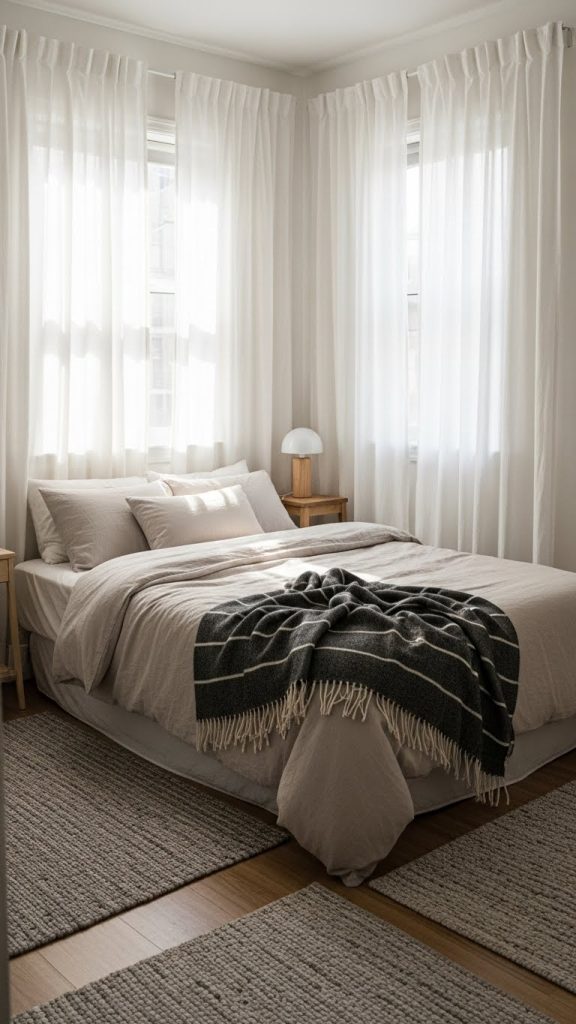
Designing a small room with a minimalist approach can feel both refreshing and overwhelming. Minimalism encourages intentional choices, clean lines, functional layouts, and uncluttered spaces. When working with limited square footage, the minimalist method becomes even more practical because it prioritizes what truly matters. Small rooms often feel restricted due to bulky furniture, excessive decor, and inefficient use of space. However, with the right strategies, any small bedroom, living space, home office, or guestroom can become a calm, open, and visually balanced environment.
Minimalist design is not simply about removing items. It is about selecting pieces that add value, optimizing the layout to support movement, and creating harmony through simplicity. The right furniture, lighting, color palette, and storage solutions can transform tight quarters into functional, stylish living spaces. This guide includes ten fully detailed minimalist room ideas tailored specifically for small rooms. Each idea includes explanation, design strategies, preparation steps, material suggestions, and practical benefits. Whether you are working with an apartment, studio, or compact home, these small room minimalist ideas will help you achieve a clean aesthetic and a peaceful atmosphere.
1. Light Neutral Color Palette for Visual Space
One of the foundational principles of minimalism is the use of light neutral colors because they visually expand small spaces. Shades such as white, cream, beige, soft gray, and muted taupe reflect light naturally, giving the illusion of openness. When preparing your small room, begin by evaluating the current wall colors. If the room feels visually crowded or dark, opt for a matte or satin finish in a neutral tone. These finishes bounce natural and artificial light more effectively while avoiding glare. For materials, choose paints labeled low VOC for a cleaner indoor environment, lightweight curtains in linen or cotton, and simple area rugs in subtle shades.
A neutral palette also provides a timeless backdrop that allows your furniture to stand out without overwhelming the room. Avoid overly patterned textiles because they shrink the visual effect. Instead, incorporate subtle textures like woven bedding, soft throws, or ribbed cushions. Minimalist design thrives on calm visual flow, so consistency in color is important. Use complementary tones rather than contrasting ones for the walls, floors, and decor. This creates a unified appearance that feels cohesive and open. The preparation is simple yet impactful: repaint the walls, choose natural fabrics, and eliminate heavy or dark drapery. This approach sets the stage for the rest of your minimalist small room transformation.


2. Functional Furniture with Clean Lines
Furniture plays a crucial role in the design of a small minimalist room. Selecting functional pieces with clean lines prevents visual clutter and encourages efficiency. Begin by assessing the furniture currently inside the room. Large bulky items, heavy ornamentation, or unnecessary accessories can overwhelm a small area. Minimalism favors streamlined shapes, neutral tones, and pieces that serve more than one purpose. Opt for beds with storage drawers underneath, floating desks, wall mounted shelving, and compact seating without excess padding.
Preparation involves measuring the room so you can select furniture proportionate to the space. Materials such as engineered wood, bamboo, metal, and simple upholstery fabrics work well because they maintain the minimalist aesthetic. When arranging the pieces, leave open pathways to avoid crowding. A room that is easy to navigate feels larger. Avoid curved and oversized furniture because they require additional floor space and reduce usability. Clean lined furniture also makes dusting and maintenance easier. Minimalist furniture emphasizes function, stability, and form. The overall effect is a room that feels efficiently designed, aesthetically calm, and highly functional. Clean lines ensure the eye moves smoothly throughout the space, a key principle in small room minimalism.
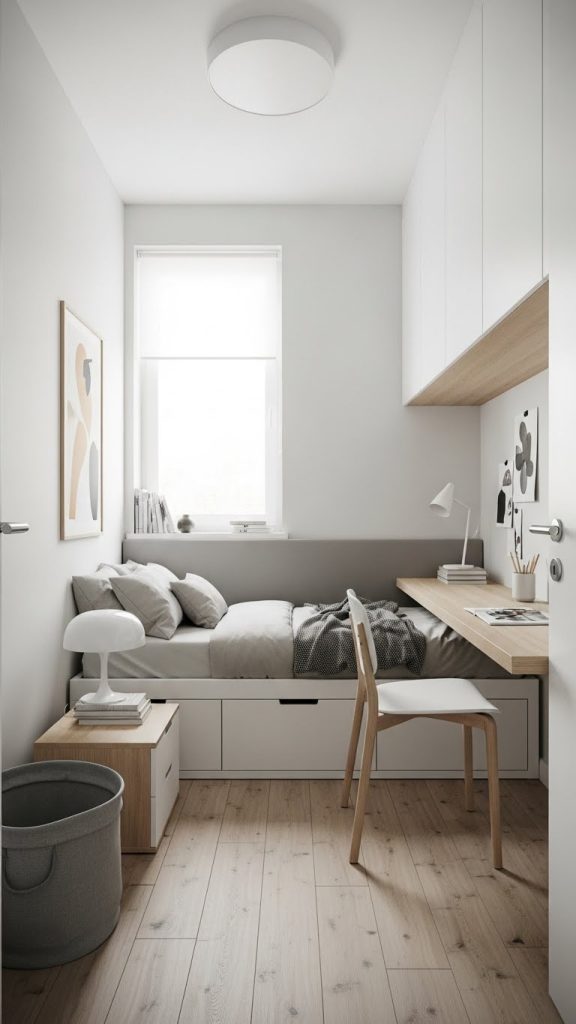
3. Built In and Hidden Storage Solutions
Storage becomes essential when working with minimalism in small rooms. Hidden or built in storage prevents clutter from accumulating on visible surfaces. Before redesigning your room, take time to declutter items you no longer use. Preparation includes organizing belongings by category and deciding what needs to remain. Once the room is cleared, plan where to integrate storage. Consider built in shelving units, under bed storage, behind door racks, and multi functional furniture like storage ottomans or benches.
Materials such as plywood, MDF, and lightweight metals are ideal for custom built shelves because they are durable and easy to install. Hidden storage keeps the room visually clean while maintaining practical use. Avoid open shelving unless you can maintain a consistent, tidy look. Open shelves often become cluttered quickly. Instead, choose cabinets with flat doors that blend into the wall. Minimalist storage focuses on accessibility and organization without drawing attention. This approach ensures the room remains free from unnecessary objects while still supporting daily activities. Built in solutions also maximize vertical space, reducing the need for floor standing units. Overall, hidden storage maintains the minimalist feel and enhances the functionality of small rooms.
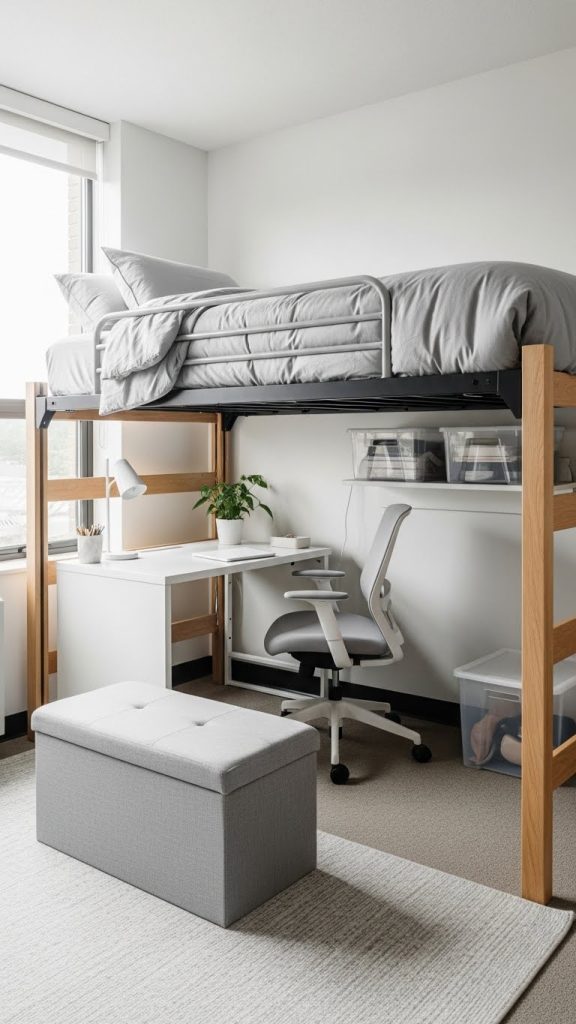

4. Multi Purpose Layouts for Limited Spaces
Small rooms often require a thoughtful layout that allows the space to serve multiple purposes. A minimalist approach encourages designing a layout that supports daily habits without overcrowding. Begin by identifying the primary and secondary functions of the room. For example, a small bedroom may need to serve as a workspace, or a compact living area may double as a reading nook. Preparation involves sketching a simple layout or using room planning tools to visualize placements.
Prioritize flexibility. Choose foldable furniture, extendable tables, or modular seating that can be rearranged easily. Materials should be lightweight yet sturdy, such as aluminum frames or wood composites. The key is to keep the layout open and adaptable. Avoid blocking natural light sources, as good lighting strengthens the sense of space. Keep walkways clear to prevent the room from feeling cramped. A multi purpose minimalist layout ensures every part of the room has intention and utility. This reduces the need for excessive furniture and maintains the visual calmness minimalism requires. A well planned layout increases efficiency, supports comfort, and maximizes the space available in small rooms.

5. Minimalist Wall Decor to Reduce Visual Weight
Wall decor can either overwhelm a small room or enhance its minimalist feel depending on how it is used. Instead of filling every wall with pictures or decorative art, choose one or two key pieces that fit the overall design. Start by assessing the wall space and determining which area can serve as a focal point. Preparation includes removing outdated or mismatched decor items. A minimalist space thrives when the walls remain clean and uncluttered.
Materials for minimalist wall decor include canvas prints, framed line art, wooden wall panels, or single tone abstract pieces. Stick to neutral colors or soft muted tones that match the room palette. Oversized artwork can work well if used sparingly because it creates impact without clutter. Avoid small scattered frames because they add unnecessary visual noise. Consider using floating shelves sparingly to display one or two intentional pieces. Minimalist wall decor reduces visual weight, making the room appear larger and more open. Each selected piece should contribute to the atmosphere of calmness and intentional design. This strategic approach enhances the minimalist aesthetic of small rooms without overwhelming limited wall space.


6. Smart Use of Mirrors to Expand Space
Mirrors are one of the most effective tools for making small rooms feel larger. Minimalist design encourages using mirrors strategically rather than decoratively. Start by identifying the best location opposite a natural light source such as a window. This placement allows the mirror to reflect light throughout the room. Preparation involves choosing a mirror size and shape suitable for the wall. Large frameless or thin frame mirrors work best because they maintain the minimalist direction.
Materials should be high quality glass with simple metal or wood framing. Avoid heavily carved frames because they clash with minimalist principles. Mirrors can also be incorporated into furniture such as mirrored wardrobes or wall mounted mirrored panels. The reflection creates depth and gives the illusion of additional space. Mirrors help brighten the room naturally, reducing the need for artificial lighting during daytime. They also contribute to visual flow by reflecting open spaces instead of clutter. This technique ensures your small room feels airy, bright, and more spacious without adding extra decor. Mirrors are both functional and visually impactful when used intentionally in minimalist small room design.

7. Natural Light and Soft Lighting Choices
Lighting plays a significant role in shaping the ambience of a minimalist small room. Natural light is the most powerful method for enhancing openness. Begin by removing heavy drapes or dark curtains and replacing them with sheer or lightweight materials that allow sunlight to enter easily. Preparation may include repositioning furniture to avoid blocking windows. The goal is to maximize the brightness in the room without adding clutter.
For artificial lighting, choose soft warm lights rather than harsh white illumination. Materials such as rice paper lamps, linear LED fixtures, or minimalist pendant lights create warmth without dominating the room. Wall sconces are ideal because they save floor space, and recessed lighting provides subtle illumination without visible fixtures. Avoid large ornate lamps because they add unnecessary visual bulk. Minimalist lighting should be simple, efficient, and purposeful. Good lighting highlights the room features and maintains a clean aesthetic. A well lit small room feels larger, more comfortable, and visually balanced. Thoughtful lighting design enhances both the functionality and minimalist beauty of your space.


8. Decluttered Surfaces and Intentional Accessories
Minimalism relies heavily on the idea of keeping surfaces clear and only displaying essential items. In small rooms, clutter quickly builds up and creates a sense of chaos. Begin by clearing all surfaces such as bedside tables, desks, dressers, and shelves. Preparation involves sorting through what is necessary and what can be stored away. Intentional accessories help maintain the minimalist style without sacrificing personality.
Choose a small number of meaningful items such as a ceramic vase, a single plant, or a structured lamp. Materials that work well include natural wood, stone, clay, and matte finishes. Avoid glossy or overly decorative accessories because they draw too much attention. Minimalist decor emphasizes balance, so each accessory should complement the room rather than dominate it. Keep personal items inside drawers or storage baskets to maintain a tidy appearance. A decluttered surface creates visual clarity, supports easier cleaning, and allows the room to feel open. This practice is essential for small spaces because it prevents the buildup of items that can make the room feel cramped. Intentional accessorizing enhances the minimalist atmosphere while keeping the overall design grounded and functional.

9. Vertical Space Utilization for Efficiency
Small rooms benefit significantly from using vertical space effectively. Minimalism encourages clear floors and organized walls, making vertical storage an essential strategy. Begin by analyzing the wall height and determining where functional elements can be added without overwhelming the space. Preparation may require removing older shelving units and replacing them with sleeker alternatives. Vertical space helps free the floor and creates the impression of taller ceilings.
Materials such as floating shelves, slim bookcases, wall hooks, or tall cabinets ensure efficient use of space. Choose finishes that match the wall color to maintain a seamless look. Avoid bulky wall units because they reduce openness. Vertical storage can hold books, plants, baskets, or essential items in an organized manner. It also helps maintain clean sight lines, a key part of minimalist design. Using vertical space keeps everyday items accessible while reducing clutter. This approach maximizes the functionality of small rooms without compromising aesthetics. The result is a room that feels taller, more spacious, and well balanced. Vertical design solutions enhance both practicality and minimalist style.
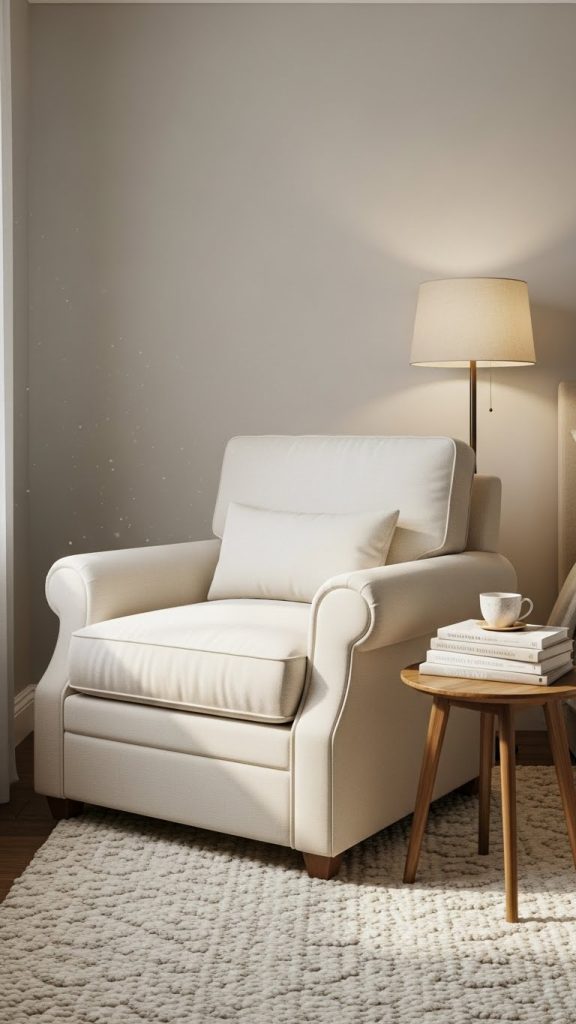

10. Minimalist Textiles for Comfort and Simplicity
Textiles play a significant role in the atmosphere of a small minimalist room. Choosing simple, high quality fabrics enhances comfort while maintaining the clean aesthetic minimalism requires. Begin by evaluating current bedding, curtains, cushions, and rugs. Preparation includes removing brightly patterned textiles or heavy materials that visually shrink the space. Opt for soft, breathable fabrics in neutral tones such as cotton, linen, or wool blends.
Materials like lightweight linen curtains, monochrome throw blankets, and flat weave rugs create calmness without dominating the room. Avoid busy prints and bright colors that disrupt the minimalist palette. Select textiles based on texture rather than elaborate design. This ensures warmth and comfort without cluttering the visual layout. Minimalist textiles allow the room to feel cohesive and serene. They soften the environment while keeping the appearance orderly. This approach enhances both functionality and aesthetics. The right textiles contribute to a balanced look that aligns with minimalist design and supports the openness required in small rooms.