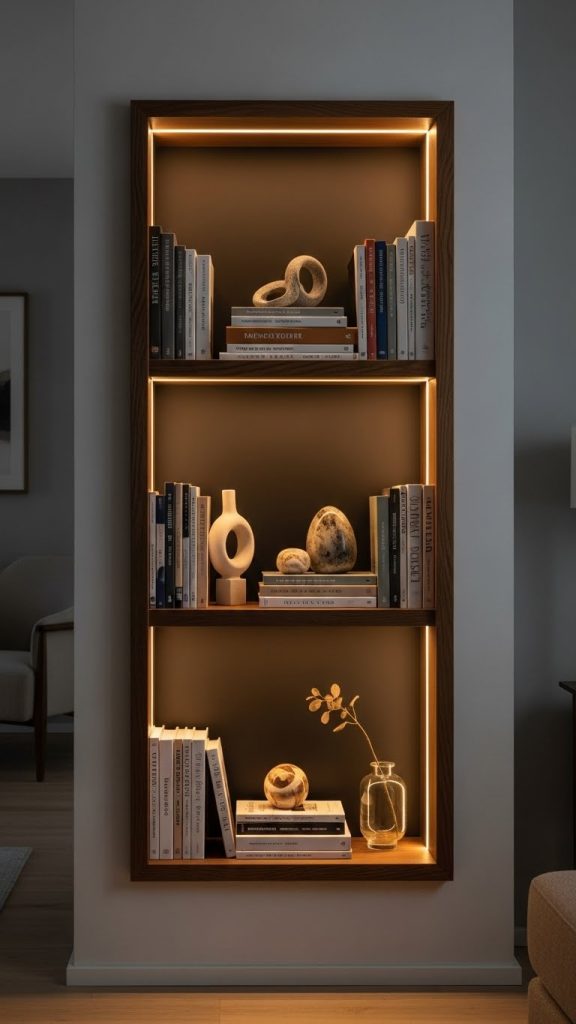
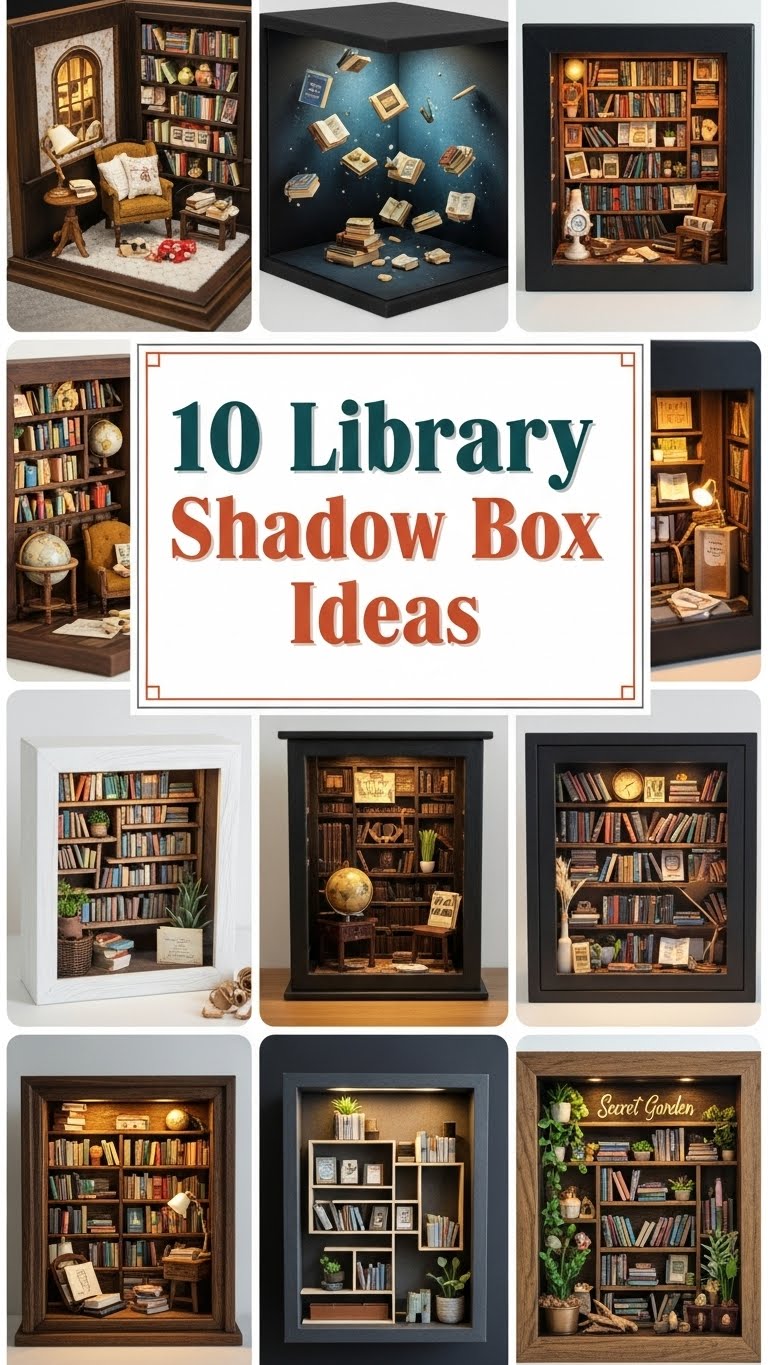
A library shadow box is a creative way to display your love for books, literature, and personal collections. Unlike traditional shelving, shadow boxes add depth, personality, and style to your living space. They allow you to highlight favorite books, memorabilia, or decorative items in a visually engaging way. Whether you are a bibliophile, a designer, or someone looking to add a unique touch to your home or office, a library shadow box can transform an ordinary wall into a striking focal point. These boxes are versatile, suitable for small apartments, large libraries, or even as part of a study or reading nook. You can incorporate various themes, materials, and design techniques, from vintage wood frames to sleek modern finishes. Shadow boxes also serve as a perfect platform to combine books with photographs, art pieces, or small decorative items, making your display truly personalized. In this post, we will explore 10 unique library shadow box ideas, complete with preparation tips, material suggestions, and styling advice. Each idea is practical, easy to execute, and designed to inspire creativity in your personal space.
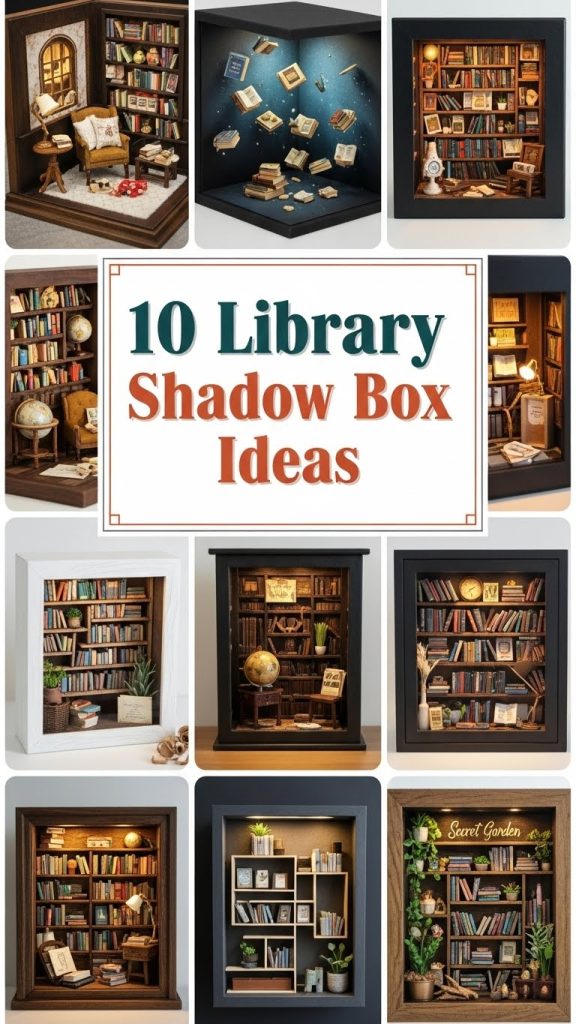
1. Classic Wooden Shadow Box
A classic wooden shadow box brings warmth and elegance to any library wall. Wooden frames are durable, versatile, and suit both traditional and contemporary interiors. To prepare, measure the wall space and choose a box size that fits your favorite books or memorabilia. Opt for oak, pine, or walnut for a natural finish, or paint it to match your décor. Wooden shadow boxes can be stacked vertically or arranged in a grid for a library-style display. For content, include small books, bookmarks, or vintage library cards. Adding a fabric background like linen or burlap enhances the visual appeal. Tools required include a drill for wall mounting, screws, and brackets to support heavier books. Wooden shadow boxes also allow for creative additions, such as LED strip lighting to illuminate the contents. The warm tones of wood combined with personal collections make this option timeless. It is ideal for those who prefer a natural, cozy aesthetic while keeping their favorite books and memorabilia organized and visible.
2. Floating Glass Shadow Box
Floating glass shadow boxes give a modern, airy feel to your library display. With glass on the front and often the sides, it appears as if your books and objects are floating inside. Prepare by selecting a sturdy frame and tempered glass to ensure safety. Use a neutral background or a subtle color to make your items stand out. Floating boxes work well for small, delicate collectibles, rare books, or visually interesting objects like old spectacles or mini globes. Tools needed include glass cleaner, mounting hardware, and possibly silicone to secure items in place. This style emphasizes minimalism and is perfect for contemporary interiors where a light, open look is desired. Glass shadow boxes also protect items from dust and damage while allowing a 360-degree view of the display. Consider adding small LED lights along the edges to highlight items without overwhelming the simplicity of the design. Floating glass shadow boxes are an elegant way to showcase your library collection while maintaining a clean and modern aesthetic.
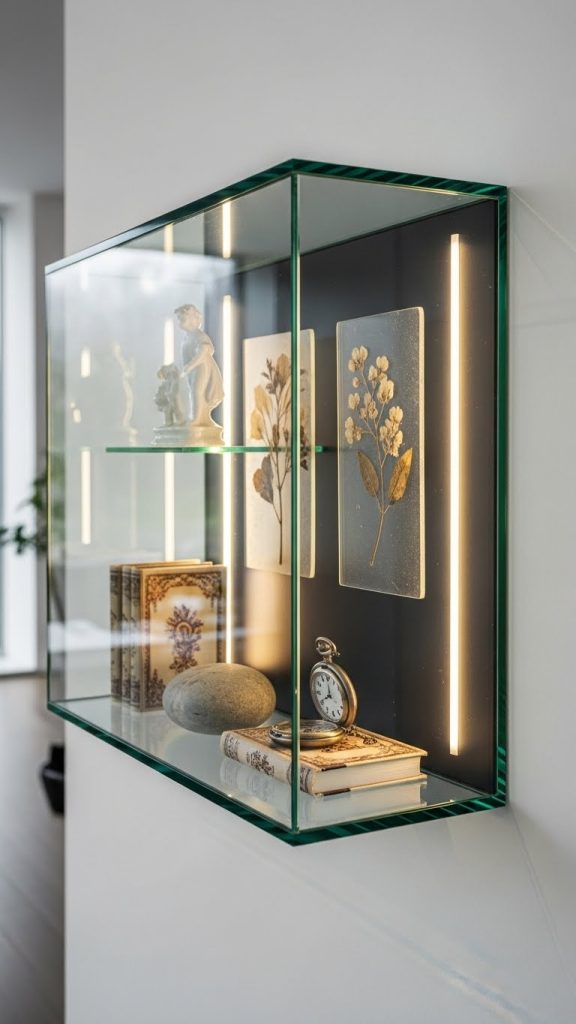
3. Vintage Library Box
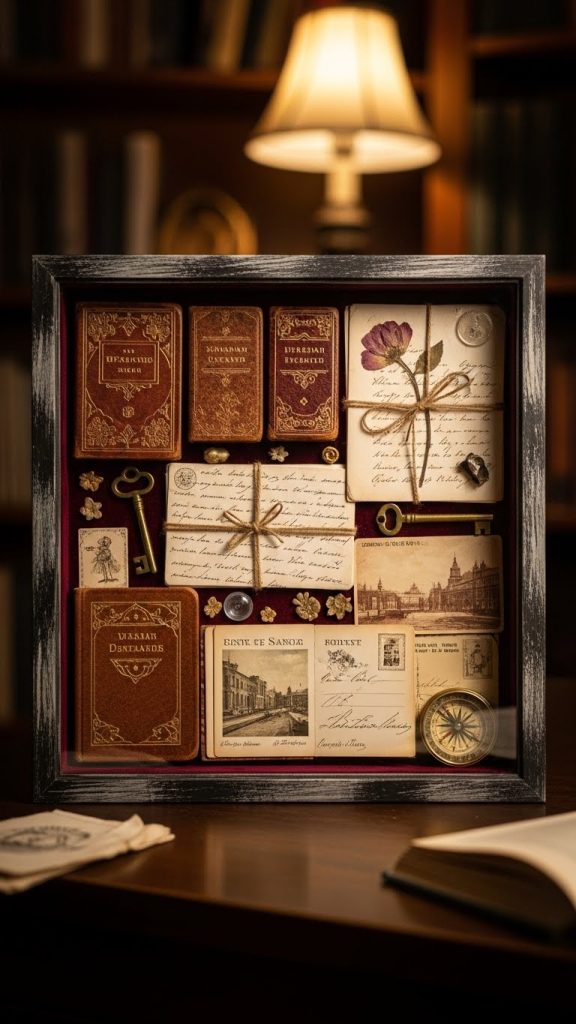
Vintage library shadow boxes evoke nostalgia and charm, making them ideal for antique book lovers. Choose a distressed wood frame or an aged metal box to create an authentic feel. Prepare by sanding any rough edges and applying a protective finish. Inside, include old books, handwritten letters, postcards, or small vintage trinkets. You can also incorporate old library stamps or catalog cards for added authenticity. Tools required include a small brush for cleaning and mounting supplies such as nails or brackets. Vintage boxes often feature a layered display, with some items raised on small stands or mounts to create depth. A soft fabric background, like velvet or aged paper, enhances the antique look. This style suits cozy reading nooks or traditional libraries. The charm of vintage shadow boxes lies in storytelling—every item has history and adds personality to the display. These boxes allow collectors to merge literature with historical artifacts, creating a miniature museum-like experience in a single frame.
4. Multi-Compartment Shadow Box
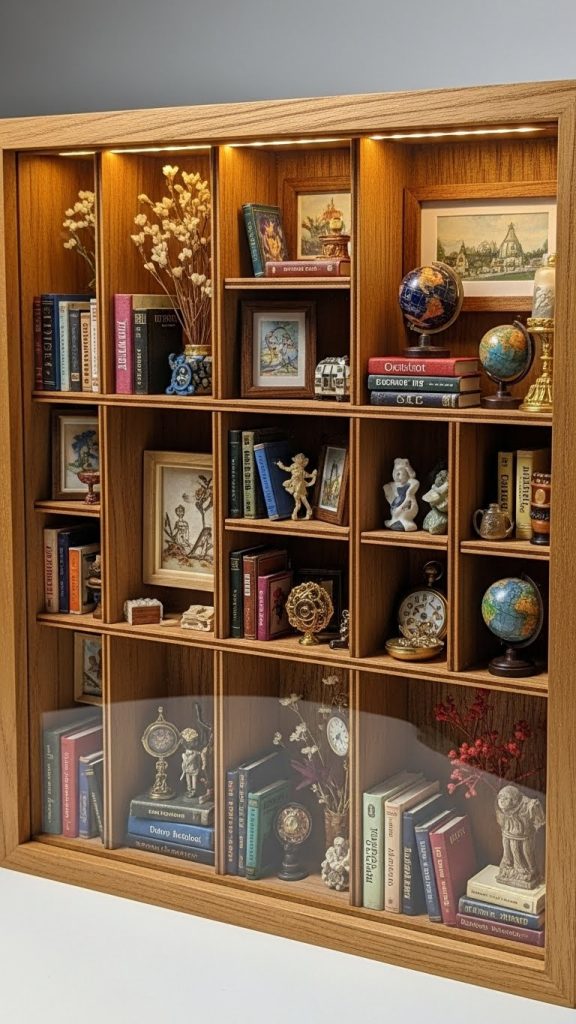
A multi-compartment shadow box is perfect for organizing different themes or collections within a single frame. Each compartment can house books, small art pieces, or decorative items, making it highly versatile. Prepare by measuring the desired size and dividing the interior space into equal or varied compartments. Materials include wood, acrylic, or metal, depending on your preferred style. Multi-compartment boxes are ideal for those with a diverse library collection or multiple hobbies. Tools required include a ruler, adhesive, or small brackets to separate compartments. You can arrange items by color, size, or subject, which creates a visually engaging pattern. Backgrounds can be customized per compartment with fabric, paper, or paint. LED lights can be added to highlight specific sections. This style allows for maximum creativity and personalization, as each compartment can tell a different story. Multi-compartment shadow boxes work well for displaying a combination of small books, stationery, or collectibles while maintaining a neat, organized look.
5. Floating Books Shadow Box
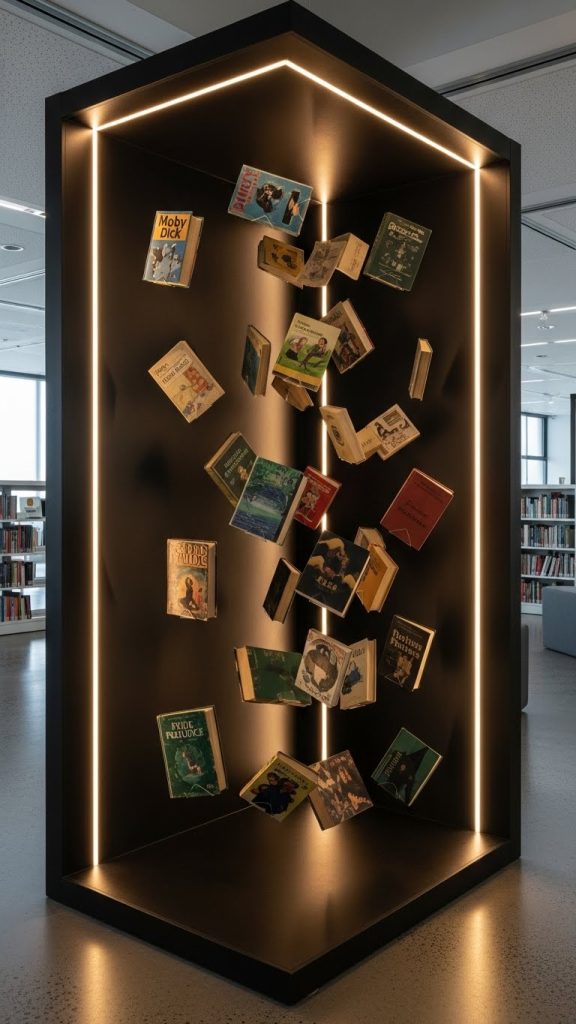
The floating books shadow box is a creative twist where books appear to levitate inside the frame. Prepare by selecting a deep frame or box, then use invisible book mounts or thin acrylic supports to hold the books in place. Ensure that the weight of each book is evenly distributed to prevent sagging. This idea works well with colorful or rare books that deserve special attention. Tools needed include measuring tape, acrylic supports, and screws. The background should be simple, such as matte black or white, to make the floating effect stand out. LED lighting can enhance the illusion, highlighting the edges of the books. Floating books shadow boxes provide a modern, dynamic look and are a great conversation starter. They combine functionality with art, transforming a collection of books into an eye-catching display piece. This style works well in contemporary libraries, living rooms, or office spaces where visual appeal is just as important as storage.
6. Shadow Box with Personal Memorabilia
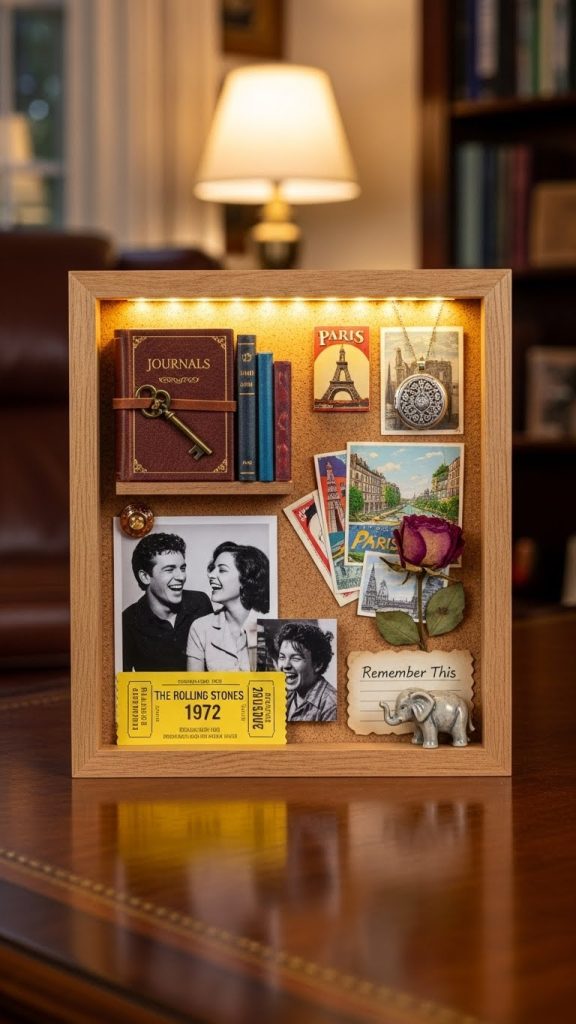
Integrating personal memorabilia into a library shadow box adds meaning and a personal touch. Prepare by selecting a frame deep enough to hold both books and objects. Include photographs, ticket stubs, notes, or souvenirs alongside your books. Materials such as wood or acrylic work well depending on the desired look. Tools needed include adhesive, mounting pins, and brackets. Consider arranging the items chronologically or thematically to tell a story. Backgrounds can be simple fabric, scrapbook paper, or even corkboard to allow easy attachment. Lighting can highlight key items without distracting from the books. This type of shadow box is ideal for creating a sentimental library display or a memory corner in your home. It combines literary interests with personal history, making the display uniquely yours. This approach ensures that each shadow box is not only decorative but also deeply meaningful.
7. Minimalist Shadow Box
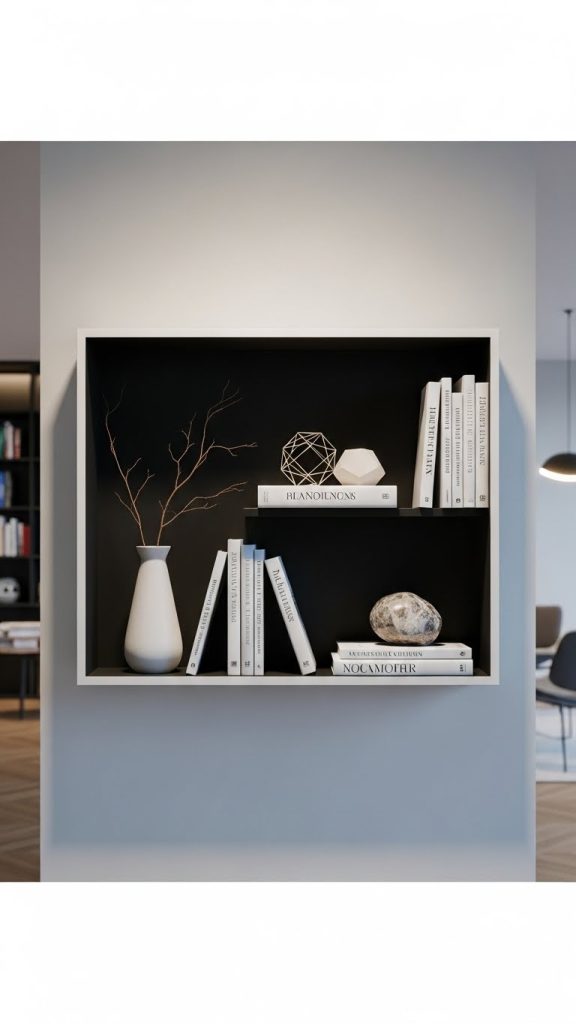
A minimalist shadow box emphasizes simplicity and clean lines, focusing on a few carefully selected items. Prepare by choosing a sleek frame, preferably in black, white, or neutral wood. Only include books or objects that hold significance, avoiding clutter. Materials like glass, metal, or polished wood complement a minimalist aesthetic. Tools needed include a measuring tape, mounting hardware, and optional adhesive for securing items. Minimalist designs often rely on spacing and balance, so plan the layout carefully. A plain background, such as white or light gray, enhances the visual impact of each item. LED strip lighting can be subtle, accentuating objects without overwhelming the design. Minimalist shadow boxes are ideal for modern homes or offices where understated elegance is preferred. This style allows your favorite books or collectibles to shine without distractions, creating a calm, organized, and visually appealing display.
8. Nature-Inspired Shadow Box
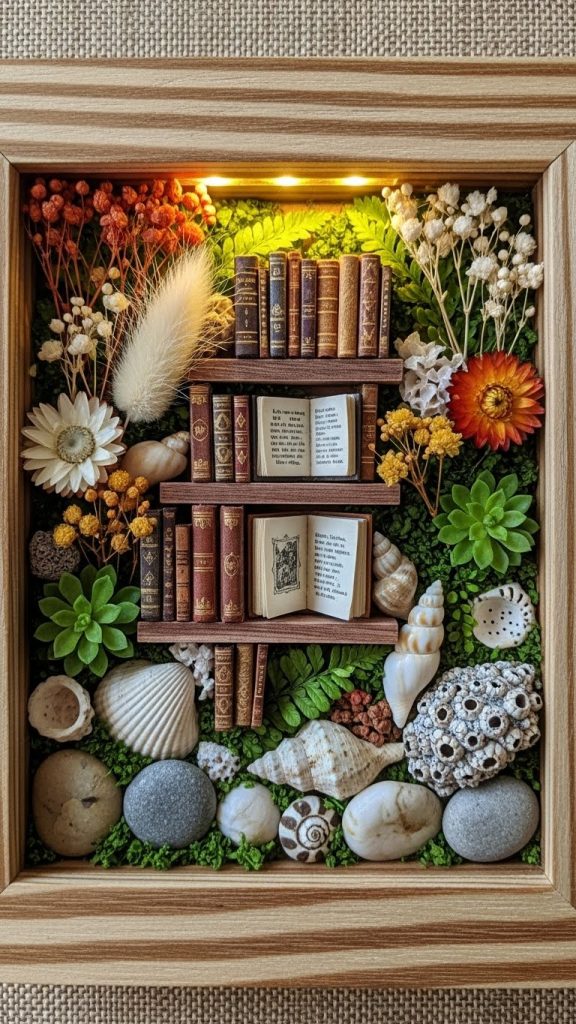
Nature-inspired shadow boxes bring elements of the outdoors into your library space. Prepare by selecting a wooden or bamboo frame and a background that resembles natural textures like stone, moss, or recycled wood. Include books alongside natural objects such as dried flowers, small plants, shells, or stones. Tools needed include adhesive, tweezers, and small mounting pins. This style is ideal for nature lovers or those who want to create a relaxing, organic environment. Arrange items in a balanced composition, allowing each element to complement the others. Lighting should be soft and warm to enhance the natural textures. Nature-inspired shadow boxes work well in reading nooks, study areas, or living rooms, creating a tranquil ambiance. This approach combines literature with natural elements, resulting in a visually pleasing and calming display. It encourages a connection to the environment while celebrating your love for books.
9. Thematic Shadow Box
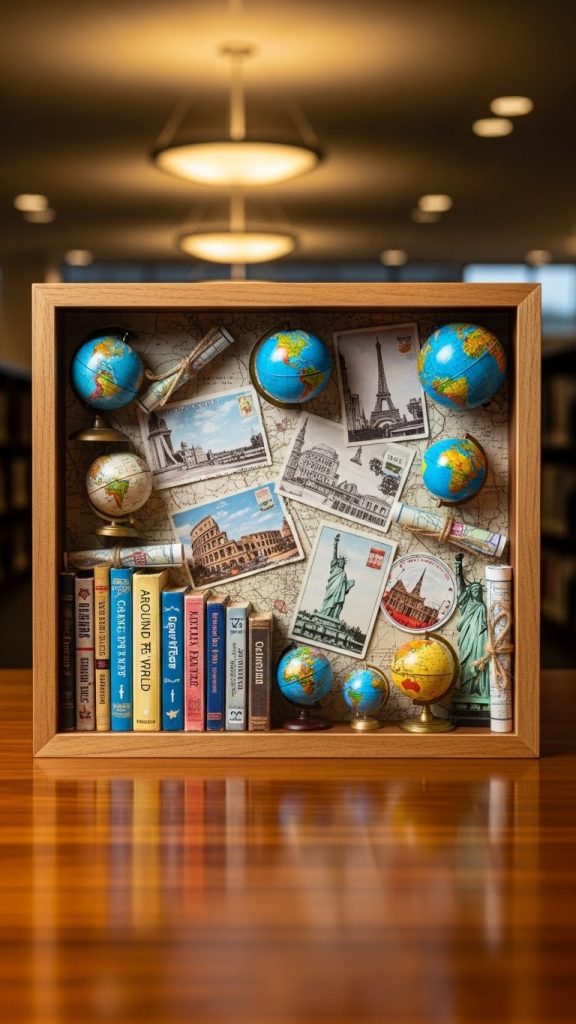
A thematic shadow box revolves around a specific theme or concept, making it visually cohesive and engaging. Prepare by selecting a frame that suits the theme—metal for industrial, wood for vintage, or sleek acrylic for modern themes. Choose books and objects that fit the theme, such as travel books with souvenirs, or classic literature with antique trinkets. Tools required include mounting pins, adhesive, and optional background decorations. Arrange items to highlight the theme while maintaining balance. Backgrounds can include themed paper, fabric, or maps. Lighting can focus on key elements to draw attention. Thematic shadow boxes are ideal for storytelling, making your library display feel curated and intentional. They allow you to showcase passions, hobbies, or literary genres in a creative and organized way. This style is highly customizable, providing endless opportunities for personalization and design exploration.
10. LED-Lit Shadow Box
LED-lit shadow boxes combine the beauty of display with functional lighting. Prepare by selecting a deep frame that can accommodate both books and LED strips. Include books, collectibles, or decorative items, arranging them to maximize visibility. Materials like wood, acrylic, or metal work well depending on the desired aesthetic. Tools required include LED strips, adhesive, a power source, and mounting hardware. LED lighting can be warm or cool, highlighting items without overwhelming the display. Consider diffusing the light to create a soft glow that enhances the contents. LED-lit shadow boxes are ideal for modern libraries, bedrooms, or living rooms, providing both ambiance and focus. This style allows your collection to stand out, even in dimly lit spaces, and adds a dynamic element to your library décor. The combination of light, depth, and personalization makes this approach both practical and visually striking.