
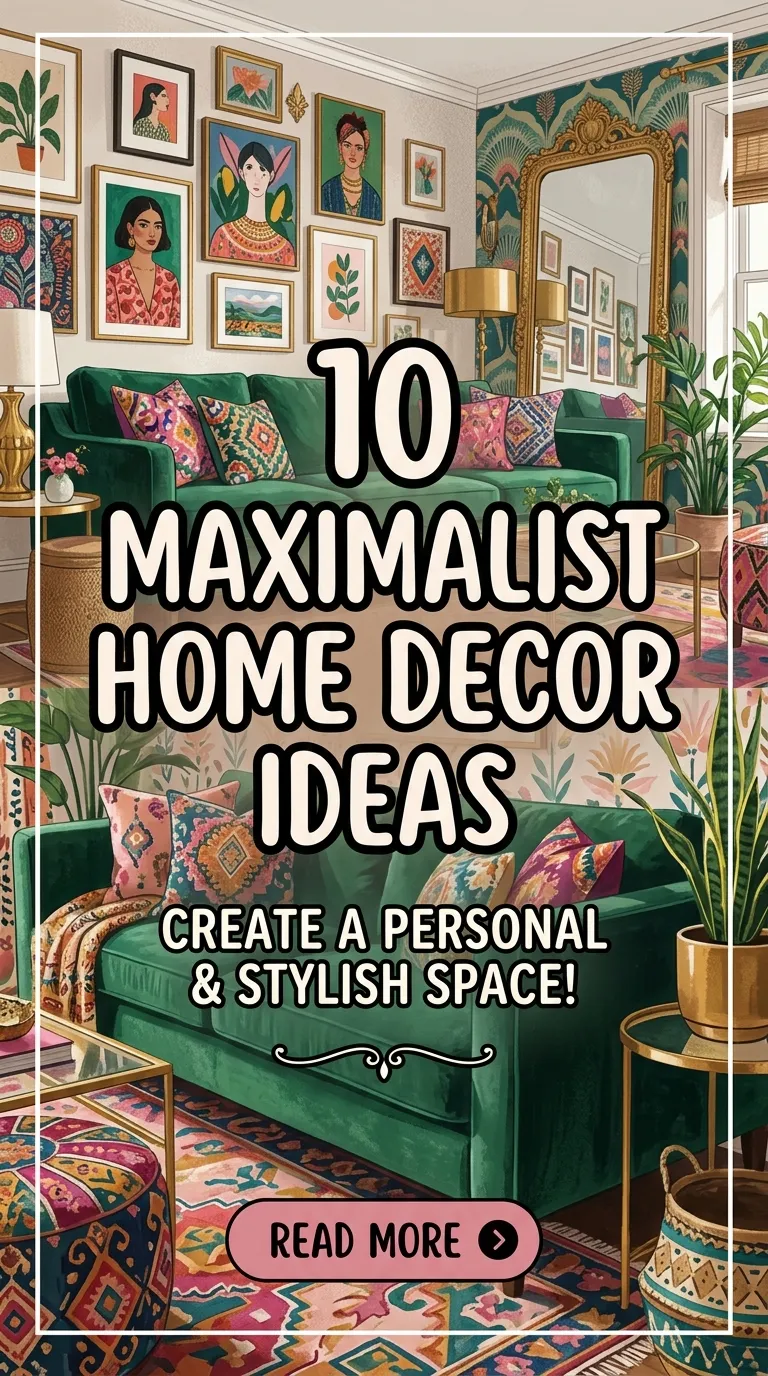
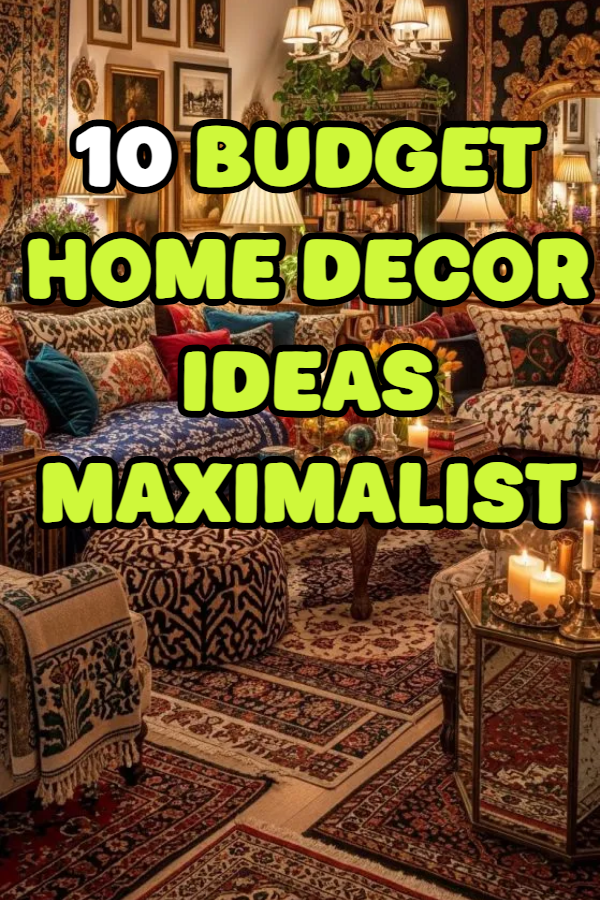
Maximalist home decor is all about embracing boldness, color, and personal expression. Unlike minimalist design, which emphasizes simplicity and clean lines, maximalism celebrates abundance, layering, and eclectic style. The key idea is to create spaces that are vibrant, unique, and full of character. A maximalist home tells a story about the people living in it, incorporating a mix of textures, patterns, colors, and meaningful objects.
Decorating in a maximalist style may feel overwhelming at first, but it can be highly rewarding. It allows you to experiment with contrasts, combine vintage and modern elements, and express your personality freely. Whether you want to showcase art collections, display heirlooms, or mix unusual furniture styles, maximalism provides the freedom to be creative and daring. Preparation and planning are essential to avoid chaos and ensure the space feels harmonious rather than cluttered.
Before you start, gather inspiration from magazines, websites, or social media platforms, and consider the color palettes, textures, and furniture that resonate with you. Create a mood board to visualize your ideas and plan each room. Maximalism works best when it feels curated and intentional, so consider how different elements interact, and don’t be afraid to take risks. With the right approach, your home can become a vibrant sanctuary of style and self-expression.
1. Layered Textiles and Fabrics
Maximalist interiors thrive on rich textures and layered fabrics. The more diverse the materials, the more visually engaging the space becomes. You can mix velvet, silk, linen, and faux fur in furniture, cushions, and throws. Rugs are also a great way to add texture; consider layering different patterned rugs on top of one another for an eclectic feel. Drapes or curtains in bold patterns can complement furniture and wall art, adding depth to your rooms.

Preparation materials for this look include various types of fabrics in contrasting textures, colors, and patterns. Start by choosing a base color or theme, then add layers that include complementary or contrasting shades. Consider sourcing fabrics from thrift stores, fabric shops, or online suppliers to achieve unique combinations. Incorporating tactile elements, such as knitted or woven throws, also encourages a cozy and inviting atmosphere.
The key to successful layering is balance. Avoid overwhelming the space by ensuring patterns and textures relate to each other. Using textiles in different areas of the room, such as bedding, upholstery, and window treatments, helps create cohesion. This approach allows each piece to shine while contributing to the room’s overall dynamic and luxurious feel.

2. Bold Wall Colors and Patterns
Walls play a significant role in maximalist decor. Bold colors like deep blues, vibrant reds, or rich emerald greens make a statement and serve as a backdrop for your furniture and art. Patterned wallpaper is another way to elevate walls, from floral motifs to geometric designs. Using contrasting colors and patterns adds energy and drama to the space, reinforcing the maximalist aesthetic.
Before painting or applying wallpaper, gather sample swatches to ensure the color harmonizes with existing furniture and decor. Prepare walls by cleaning surfaces, filling holes, and priming if necessary. Wallpaper may require adhesive, a smoothing tool, and careful alignment to maintain consistency. Paint requires brushes, rollers, painter’s tape, and possibly accent tools for borders or stenciling.
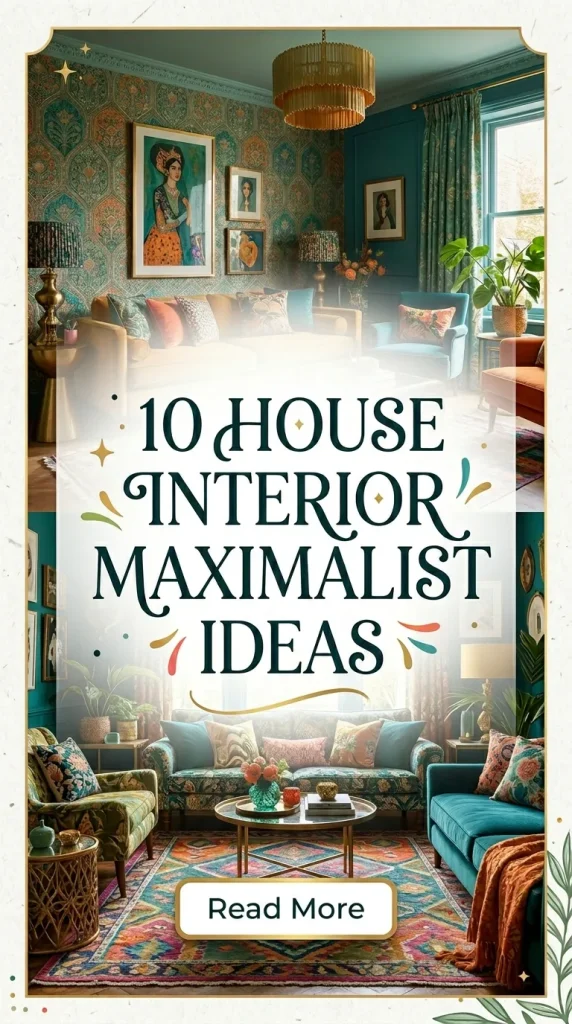
When combining wall colors and patterns, consider balance. For example, if one wall is highly patterned, use solid colors on other walls to avoid visual chaos. Maximalist style encourages boldness, but intentional layering and color coordination prevent the room from feeling overwhelming. Proper lighting also enhances the impact of colors and patterns, bringing vibrancy to every corner of the space.

3. Eclectic Furniture Mix
Maximalism celebrates the art of mixing different furniture styles, eras, and materials. Combining vintage chairs with modern tables or rustic cabinets with contemporary sofas creates a dynamic, lived-in look. It’s not about matching everything perfectly but about curating a collection that reflects personality and taste. Each piece should add character to the room.
Preparation for eclectic furniture involves researching pieces that can coexist despite differences. Antique stores, flea markets, and online marketplaces are excellent sources for unique furniture. Measure spaces carefully to ensure that furniture arrangements remain functional and avoid overcrowding. Consider varying heights, colors, and textures to create visual interest.
When arranging eclectic furniture, think about balance and flow. Group items around focal points, such as a fireplace or large artwork. Ensure essential pathways remain open for movement. Accessories like cushions or throws can unify diverse furniture elements by repeating colors or patterns. This mix-and-match approach gives rooms a creative, curated feel while staying practical and comfortable.


4. Art and Wall Decor Collections
Maximalist homes thrive on personal expression through art. Creating art walls or gallery walls with paintings, prints, photographs, and framed memorabilia adds visual richness. Mixing large statement pieces with smaller items creates depth and interest. Incorporating three-dimensional art, such as sculptures or wall hangings, adds texture and uniqueness.
Preparation requires collecting art and frames that resonate with your style. You can combine thrifted pieces, personal creations, and professional artwork. Consider the arrangement by laying items on the floor before hanging to visualize placement. Tools include measuring tape, picture hooks, levelers, and hanging wires.
Maximalist galleries can be orderly with grids or completely asymmetrical. Use frames of various sizes, materials, and colors to maintain eclectic charm. Grouping items by theme, color, or subject matter can help maintain cohesion. Proper lighting, including accent or picture lights, enhances the artwork, highlighting details and adding to the room’s vibrant atmosphere.

5. Statement Lighting Fixtures
Lighting in maximalist interiors is both functional and decorative. Statement chandeliers, pendant lights, or oversized floor lamps serve as focal points while reflecting personal style. Lighting can highlight key areas, such as seating arrangements or artwork, and add layers of ambiance to a room.
Before selecting lighting, consider room size, ceiling height, and electrical requirements. Preparation materials include light fixtures, bulbs, installation tools, and possibly a professional electrician for complex setups. Combining multiple light sources—ambient, task, and accent lighting—enhances functionality and aesthetic appeal.
Maximalist lighting allows for bold colors, unique shapes, and unconventional designs. Crystal chandeliers, colored glass pendants, or metallic floor lamps can coexist with simpler elements for contrast. Layering light, such as using wall sconces or table lamps, adds dimension and warmth. Well-chosen lighting complements the rest of the decor, making spaces feel dynamic and inviting.

6. Patterned and Layered Rugs
Rugs in maximalist decor do more than cover floors—they anchor spaces, define areas, and introduce pattern and texture. Layering rugs of different sizes, colors, and designs creates depth and visual interest. Mixing oriental rugs, kilims, or contemporary patterned rugs is a hallmark of maximalist interiors.
Preparation includes selecting rugs that complement existing furniture and wall decor. Measure floor space to avoid crowding, and choose materials that are durable and easy to maintain. Layering works best when there is some contrast in color or pattern but shared elements to maintain harmony.
Place larger rugs as the base and smaller, more intricate rugs on top. Ensure edges align or overlap intentionally to avoid a messy look. Combining textures, such as wool, silk, or jute, adds tactile variety. Rugs also help absorb sound and make rooms feel warmer and more inviting, completing the maximalist aesthetic.

7. Decorative Accessories and Collectibles
Accessories are essential in maximalist decor. Vases, figurines, books, and personal collectibles bring personality and visual interest to shelves, tables, and mantels. Using layers of objects of varying heights and textures prevents a flat, lifeless display. Maximalism encourages curated chaos—items that feel personal, abundant, and unique.
Preparation involves gathering accessories that tell a story or reflect your interests. Consider color, material, and size to maintain balance. Avoid overcrowding surfaces by using trays or tiered stands to organize items. Rotating displays seasonally or occasionally refreshes the space.
Placement matters: group objects in odd numbers for a more organic feel. Incorporate different textures like ceramics, glass, metals, or wood. Accessories should complement furniture, rugs, and wall art without competing for attention. This layered approach allows your home to feel lived-in, vibrant, and full of personality.

8. Maximalist Window Treatments
Window treatments in maximalist homes go beyond function—they are an opportunity for bold expression. Heavy drapes, patterned curtains, and layered blinds can frame windows dramatically. Mixing fabrics and patterns enhances depth and complements other textiles in the room.
Preparation includes measuring windows accurately and choosing fabrics that coordinate with walls, rugs, and furniture. Hardware such as curtain rods, hooks, and tiebacks is essential. Consider thermal lining or blackout options for practical benefits.
Layering curtains of different colors or textures creates a sophisticated, dynamic look. Pair sheer panels with heavier drapes to add softness while controlling light. Bold prints can contrast with wall patterns, creating energy, while colors can echo other elements in the room. Well-styled window treatments complete the maximalist look while providing privacy and comfort.

9. Statement Mirrors and Reflective Surfaces
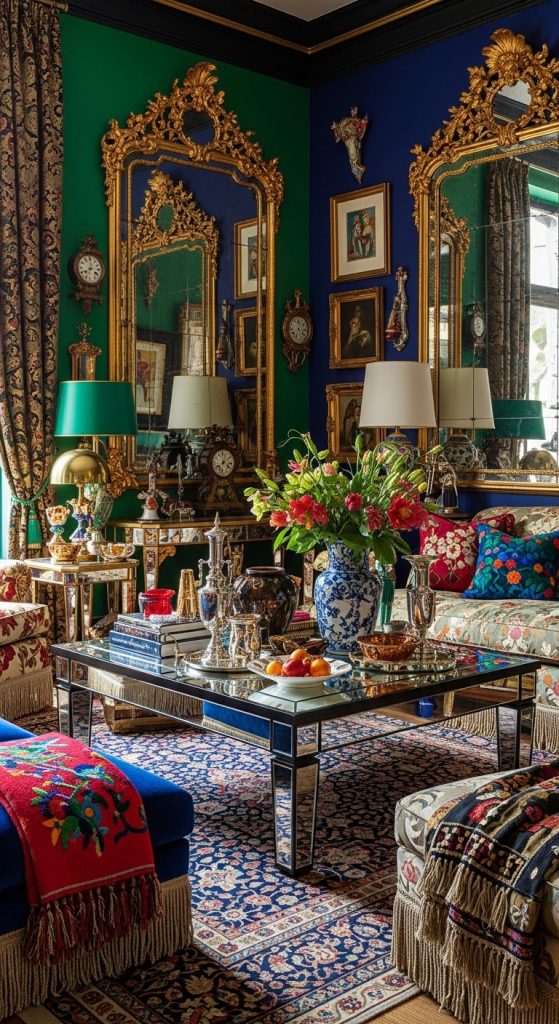
Mirrors and reflective surfaces are powerful tools in maximalist design. Oversized mirrors, mirrored furniture, and metallic finishes add glamour, reflect light, and make rooms appear larger. They also complement bold colors and patterns by adding a sense of space and depth.
Preparation includes selecting mirrors of different shapes, frames, and sizes that complement existing decor. Wall-mounted mirrors require measuring, anchors, and installation tools. Mirrored furniture or metallic accessories should be cleaned regularly to maintain their shine.
Arrange mirrors to create focal points or highlight specific areas, such as artwork or seating spaces. Combining reflective surfaces with textured materials, like velvet or wood, enhances the layered effect. Metallic finishes in lamps, picture frames, or furniture accents further enrich the visual impact, making spaces feel luxurious and dynamic.
10. Greenery and Indoor Plants
Indoor plants bring life and freshness to maximalist interiors. Large potted plants, hanging planters, and small tabletop greenery add color, texture, and energy. Plants also improve air quality and create a sense of tranquility amidst bold decor.
Preparation includes choosing plant types suitable for your lighting conditions and space. Pots, planters, soil, and drainage materials are essential. Consider varying plant heights, leaf shapes, and colors for diversity. Placement should consider natural light, accessibility for watering, and visual balance with furniture and accessories.

Mixing large leafy plants with smaller succulents or flowering plants creates visual layering. Hanging plants or wall-mounted planters add vertical interest. Greenery complements bold patterns and textures by providing natural contrast. In maximalist interiors, plants act as living decor, enhancing warmth, vibrancy, and a connection to nature.
