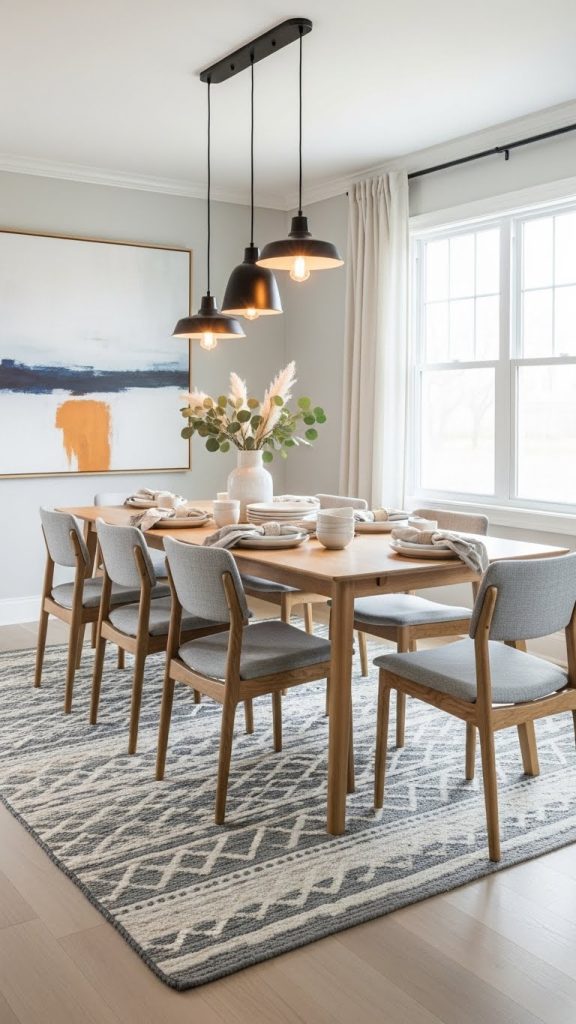
Transforming a dining room is one of the most rewarding home improvement projects because it refreshes the heart of the home where families gather, share meals, and build memories. A remodel does not always require major construction. Sometimes small adjustments in layout, lighting, or furnishings can bring a completely new feel to the room. This guide explores ten comprehensive dining room remodel ideas. Each idea includes preparation steps, materials you may need, styling strategies, and practical benefits. Every point is explained in detail to give you a strong foundation before beginning your project.
Idea 1. Upgrade the Dining Table as the Main Focal Point
The dining table is the center of the room, so remodeling begins with evaluating its size, style, and suitability. Before purchasing a new table or refinishing the current one, measure the room carefully. The table should allow comfortable movement around it, ideally leaving at least three feet of clearance on all sides. Consider the shape as well. Rectangular tables suit long rooms, round tables create openness in small settings, and oval tables blend both sensibilities. Material selection affects both durability and visuals. Solid wood brings warmth and a timeless appearance, while glass adds modern clarity and expands visual space. Marble or stone tops create a luxurious touch but require more maintenance. When planning this change, consider also the table height and the seating height that will pair well with it. A table can be restyled through sanding and staining if the existing frame is strong. Preparation materials may include sandpaper, wood stain, varnish, and sealing oil. Upgrading your table transforms the entire room because everything else visually orbits around it. This step sets the foundation for all other styling choices and ensures your remodel begins with a functional and aesthetic anchor.
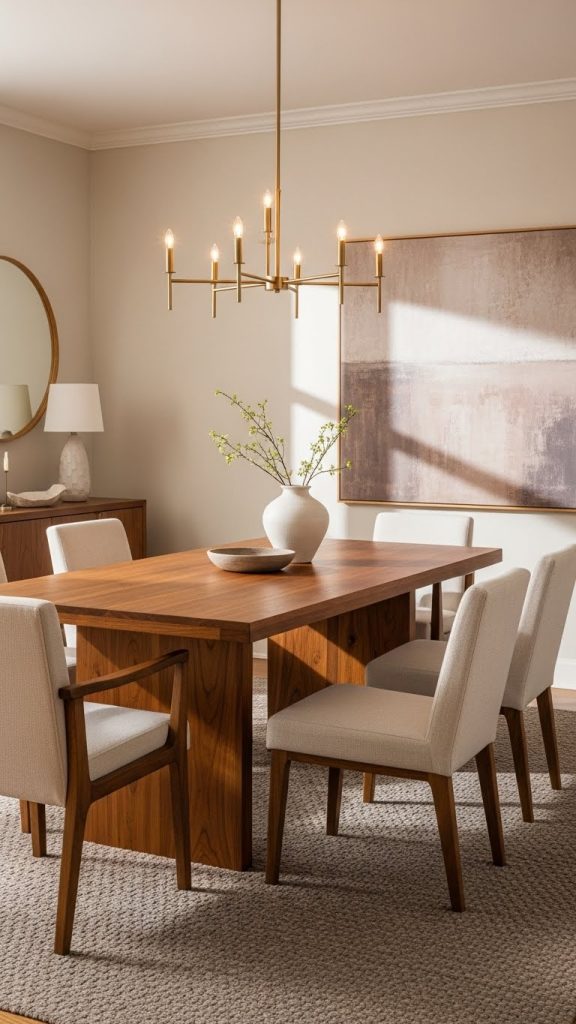
Idea 2. Refresh the Seating for Better Comfort and Style

Chairs influence both comfort and the visual personality of your dining room. When refreshing your seating, begin by observing the height, back support, and cushion density of your current chairs. If the chairs are structurally strong, reupholstering may be more cost effective than buying new ones. Choose textiles that match your remodel theme. Linen, cotton, and textured fabrics are good choices for casual spaces while velvet or leather suits more refined interiors. Patterns like pinstripes, checks, or subtle florals can add character without overwhelming the room. If you prefer replacing chairs altogether, consider mixing styles for a more contemporary look. Combining upholstered chairs with wooden side chairs or adding an upholstered bench creates a dynamic arrangement. Prepare by gathering tools such as a staple gun, upholstery fabric, foam padding, and scissors if you plan to reupholster. Mixing materials like metal, wood, and fabric enhances depth and visual interest. Regardless of the design path you take, the goal is to achieve comfort for long meals and gatherings. Updated seating also helps unify the room with its new theme or color palette. Thoughtful chair selection dramatically elevates the dining experience and contributes to a well coordinated, polished dining area.
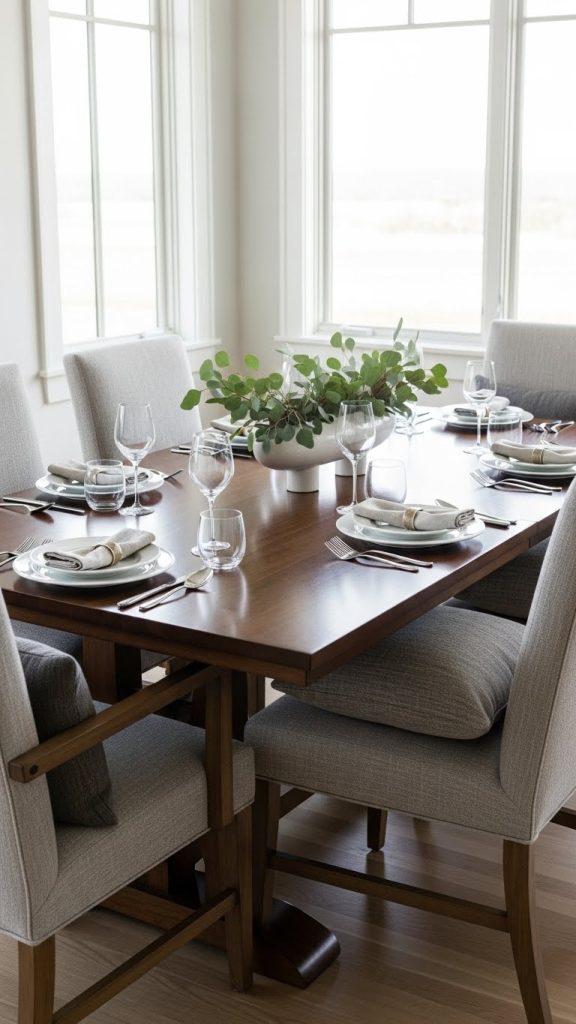
Idea 3. Transform the Space with New Lighting Fixtures
Lighting plays one of the most influential roles in determining the atmosphere of a dining room. The goal is to create a warm, inviting environment that enhances meals while offering enough light for practical use. Replacing the main chandelier or pendant light is often the fastest way to modernize the room. Before choosing a fixture, consider scale. A fixture that is too small looks insignificant, while an overly large one overwhelms the table. The width of the fixture should be roughly half to two thirds the width of the table. Lighting temperature also matters. Warm white light creates a relaxing ambiance suitable for dining, while cool white feels brighter but less cozy. You may also consider installing dimmable lights to adjust the mood for different occasions. Preparation materials may include a voltage tester, screwdrivers, wire connectors, and ceiling anchors. Safety is essential, so power should be turned off before installation. Complement the central overhead fixture with wall sconces, table lamps, or even candle inspired lighting if desired. Updating your lighting design not only improves visibility but also influences perception of space, making the room feel larger or more intimate depending on the design. This remodel idea dramatically enhances the dining experience through both aesthetics and functionality.
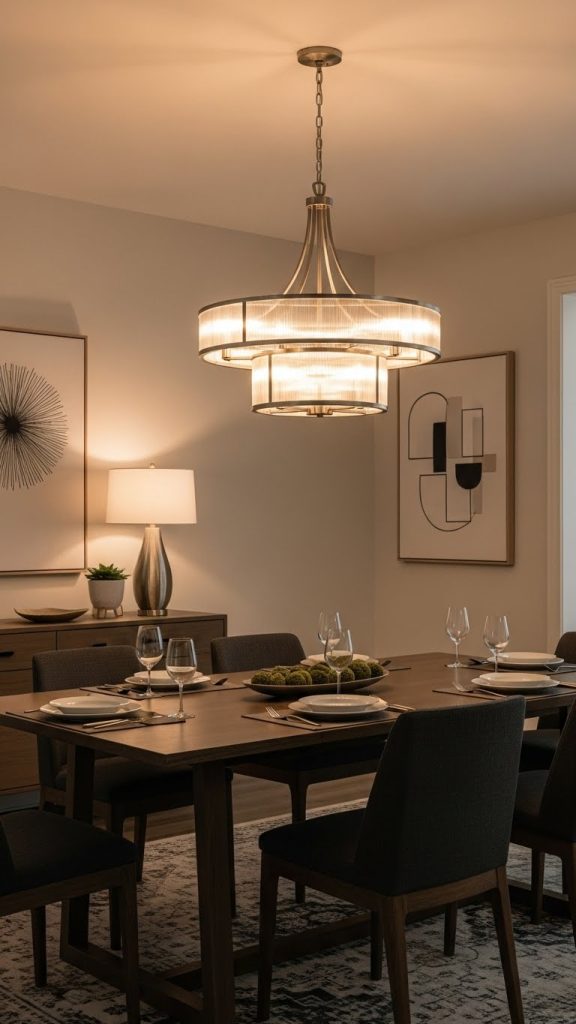
Idea 4. Add a Feature Wall for Visual Impact

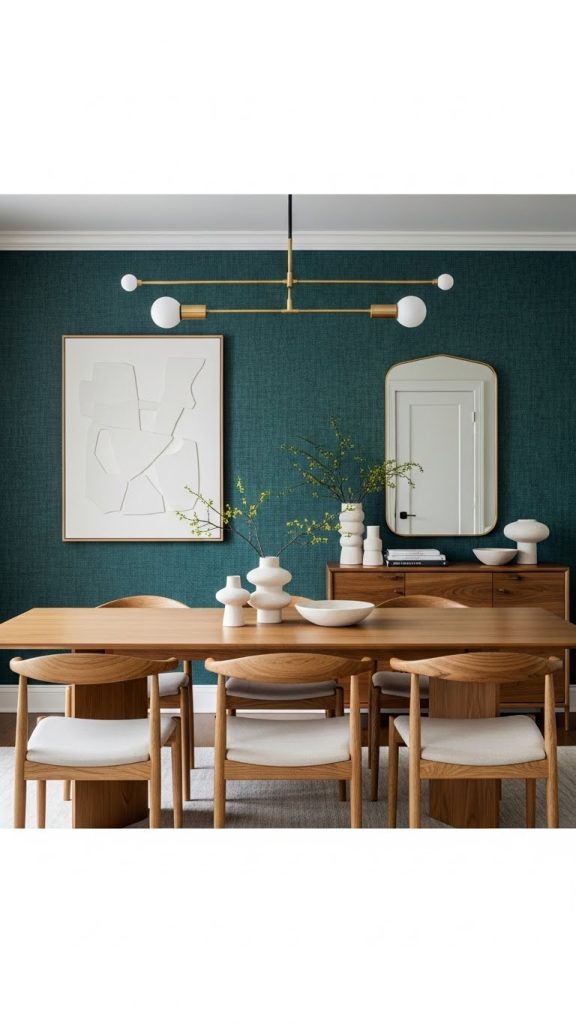
A feature wall is an excellent way to give your dining room a statement without overwhelming the entire space. Start by selecting the wall that naturally draws attention. Usually this is the wall behind the table or the wall that receives the most natural light. Once selected, decide on the material or effect. Paint is the simplest option, and a bold color like deep green, charcoal, or navy creates a rich backdrop. Another option is wallpaper which provides texture, prints, or patterns for added depth. Wood paneling or shiplap adds rustic charm, while wainscoting gives the room a more formal appearance. Preparation materials vary depending on your choice. Paint projects require rollers, brushes, trays, primer, and drop cloths. Wallpaper projects need adhesive, smoothing tools, a utility knife, and measuring tape. The purpose of the feature wall is to anchor the dining room visually and guide decor choices for the rest of the space. It also helps unify elements such as the table, chairs, and lighting. A well executed feature wall can significantly elevate the room without requiring a full renovation, making it an ideal remodeling strategy for homeowners seeking high impact with moderate effort.
Idea 5. Update the Flooring for a Strong Foundation
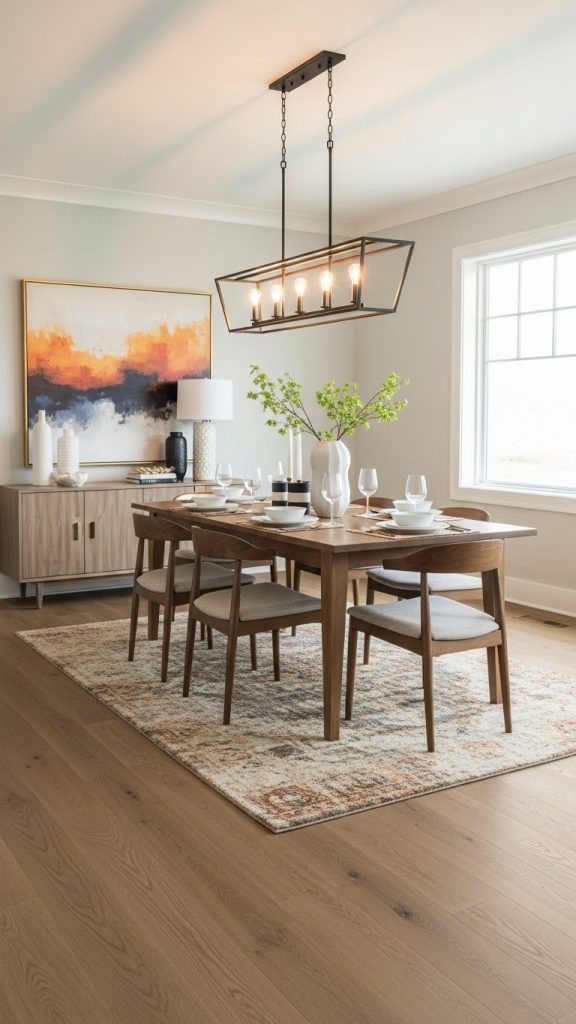
Flooring is a crucial part of a dining room remodel because it sets the stage for the overall aesthetic. Begin by evaluating the condition of your current floor. If the hardwood is scratched or faded, sanding and refinishing might restore its beauty. If the floor is outdated or mismatched with your desired style, consider replacing it entirely. Wood flooring offers warmth and timelessness while luxury vinyl planks provide durability and affordability. Tile flooring is strong and practical, especially for households with frequent spills. Rugs are another influential element, helping define the dining area and adding comfort underfoot. When selecting a rug, choose one that extends at least two feet beyond the edge of the table so chairs can slide easily. Preparation materials depend on the selected flooring type. For refinishing, you need sanders, stain, varnish, and safety masks. For installation of new flooring, materials may include adhesives, spacers, underlayment, cutters, or tile grout. Flooring influences acoustics, comfort, and the room’s visual weight. The right floor choice enhances the feel of the space, complements the furniture, and contributes to a cohesive dining environment. This remodel step dramatically transforms the room from the ground up.
Idea 6. Incorporate Storage Solutions and Built In Features

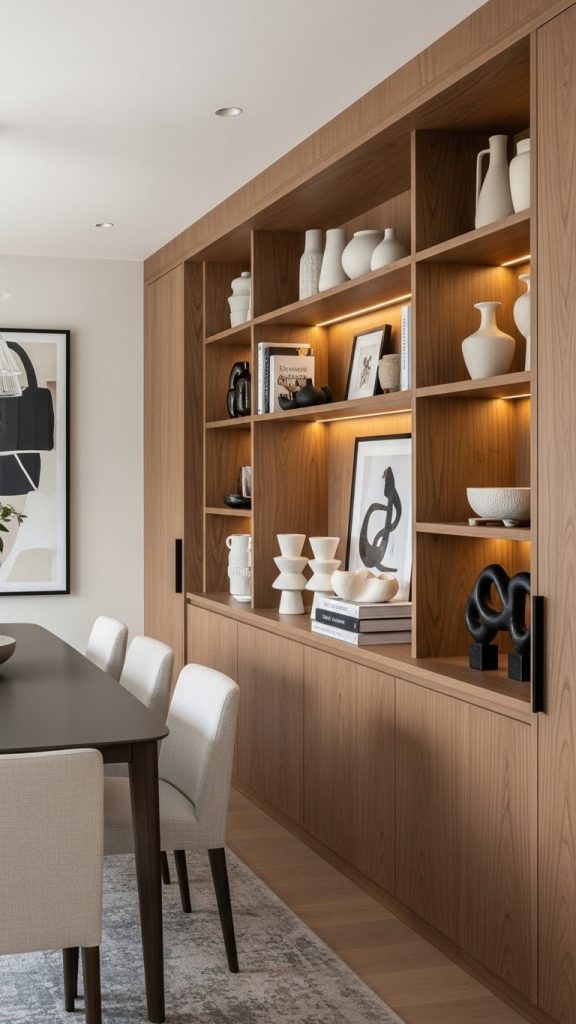
Storage plays an important role in maintaining a clean, organized dining room. A remodel is an opportunity to evaluate whether your space needs additional cabinets, built in shelving, or a sideboard. Start by assessing how you use the dining room. If you frequently entertain, storage for extra dishes, serveware, or linens may be necessary. A sideboard or buffet offers both functional storage and a display surface for decor or food service during gatherings. Built in shelves create a custom look and maximize vertical space. They can be used to display books, ceramics, or decorative objects. For a more modern dining room, consider closed cabinetry to maintain a minimal and clean look. Preparation involves measuring wall length, planning shelf spacing, and gathering materials like wood planks, brackets, screwdrivers, and wall anchors. You may also need paint or stain if you want to match the storage pieces to existing furniture. Enhanced storage helps keep clutter away while adding architectural interest to the room. A well designed storage arrangement improves both the function and overall polish of your dining room, making it feel more complete and thoughtfully planned.
Idea 7. Refresh the Room with a New Color Palette
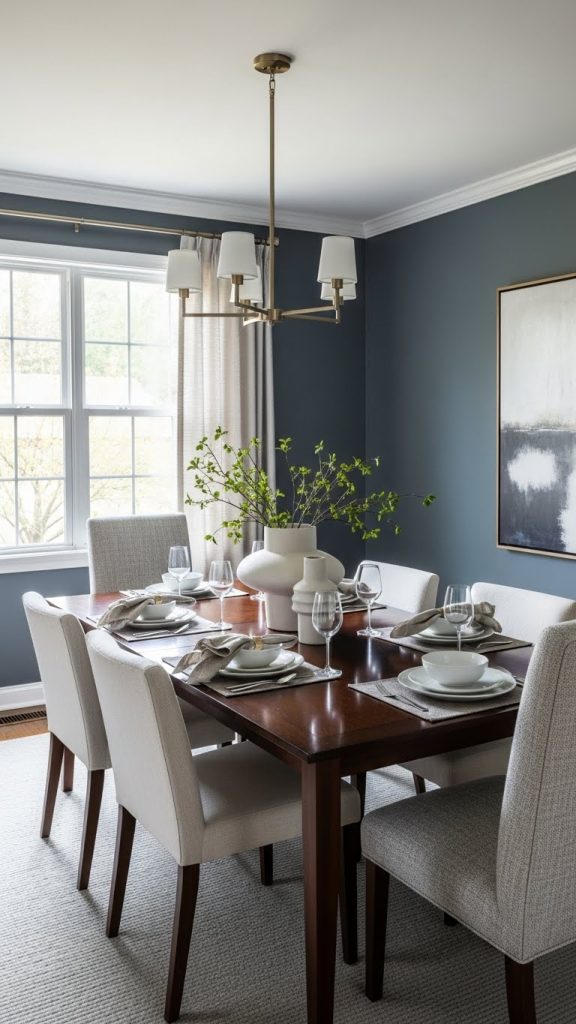
A color palette influences mood, spatial perception, and design cohesion. Before painting, consider the natural lighting and size of your dining room. Light colors such as soft beige, warm gray, or pale cream brighten the space and make it appear larger. Deep colors like wine, espresso, or charcoal create an intimate atmosphere perfect for formal dining rooms. Earth tones and muted greens introduce calmness and connect the space to nature. The preparation process includes selecting high quality paint, primer, rollers, tape, brushes, and drop cloths. When painting, ensure even coats and smooth finishing for professional results. If you prefer not to paint the walls fully, consider adding color through accents such as curtains, chair cushions, table linens, artwork, or decorative pieces. This lets you adjust the palette over time without committing to a permanent wall color. A cohesive palette ties together furniture, textiles, and decor for a unified look. Color has immense psychological impact, guiding how guests feel when they enter the room. A well chosen palette harmonizes the dining environment and forms the foundation for your overall remodel aesthetic.
Idea 8. Add Decorative Layers to Enhance Personality

Decorative layers bring warmth and individuality to a dining room. Begin with foundational items like curtains, rugs, and table linens. Choose curtains that complement the color palette and lighting. Sheer curtains filter natural light softly while heavier fabrics introduce elegance. Table runners, placemats, and cloth napkins offer opportunities to showcase patterns or textures. Next, incorporate decor elements such as vases, candle holders, artwork, and centerpieces. A simple floral arrangement or a bowl of greenery adds organic beauty. Wall art should be sized proportionately to the space for balanced visual impact. Mirrors work well for expanding the room visually and enhancing light reflection. Preparation materials may include picture hanging tools, measuring tape, and protective pads for furniture. Decorative layers should not overwhelm the room but instead support its overall theme. Thoughtfully placed decor helps express personal style while creating a polished, inviting environment for guests. This remodeling approach requires minimal structural change while delivering a high level of visual transformation. Decorative layers complete the room, making it feel lived in, warm, and stylistically coherent.
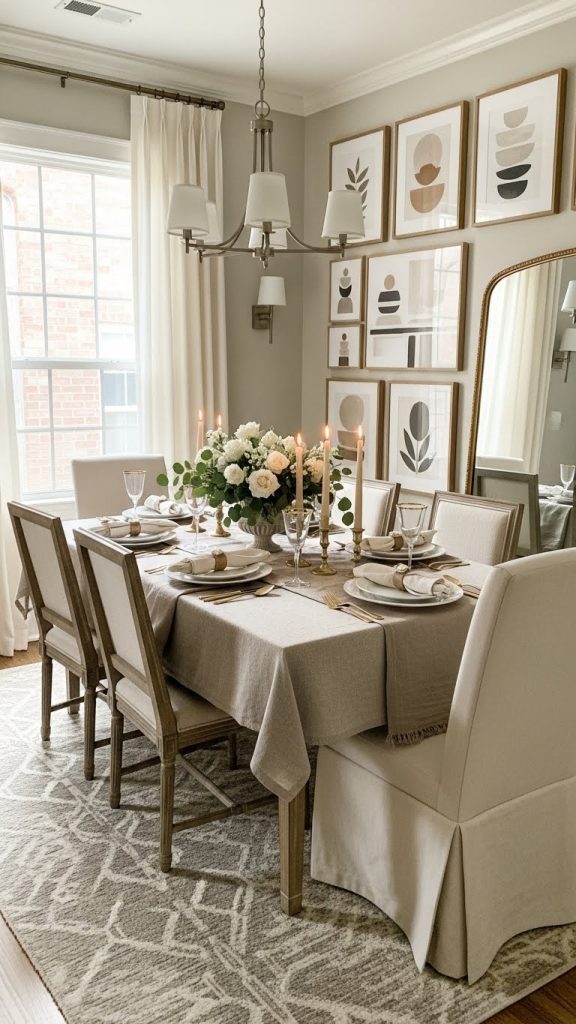
Idea 9. Improve Layout and Spatial Flow for Better Functionality
The layout of the dining room affects how comfortable and usable it feels. A remodel is the perfect moment to evaluate whether the current furniture arrangement supports easy movement and a pleasant dining experience. Begin by removing unnecessary items and envisioning how people enter, exit, and move around the room. The table should be positioned to allow clear pathways and natural conversation flow. Chairs should pull out easily without obstruction. Sideboards and decorative pieces should not block doorways or create congestion. Floor plans can also help you explore different layout options before making changes. Preparation may require measuring tape, graph paper, or digital layout tools. Consider symmetry as well. A centered table beneath a centered light fixture creates balance and visual stability. Do not overcrowd the space with oversized furniture. If the room is small, choose a round table or a bench seating arrangement to save space. Enhancing the layout improves usability, safety, and comfort. A well planned arrangement transforms the dining room into an efficient and harmonious space where guests enjoy gathering and dining.
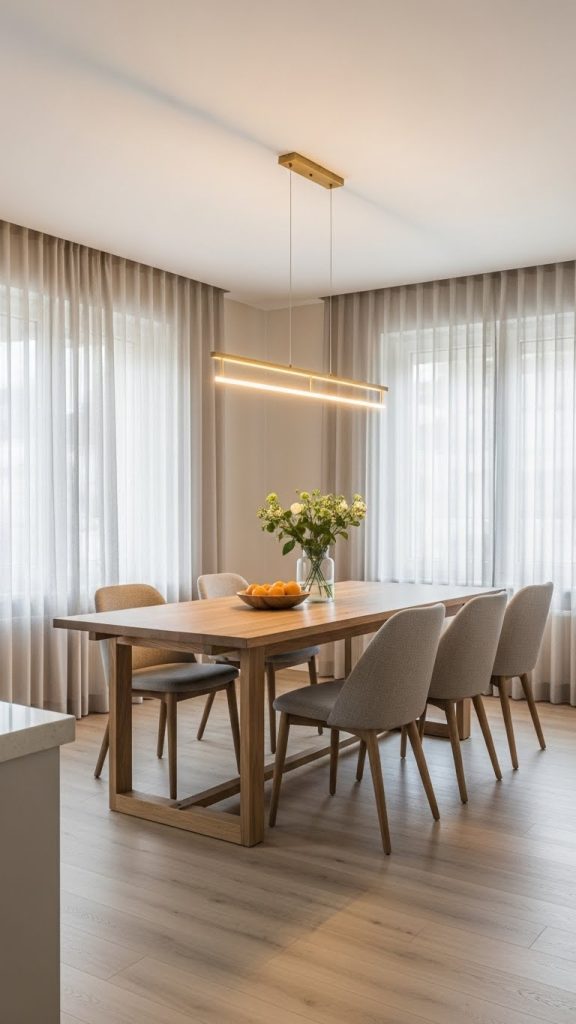
Idea 10. Embrace a Theme or Design Style for a Cohesive Remodel

Choosing a design style helps guide every decision in your remodel. Whether you prefer modern, farmhouse, traditional, Scandinavian, rustic, or minimalist, a theme ensures the room feels cohesive. Begin by defining your chosen style and researching key elements associated with it. For example, a modern dining room includes clean lines, neutral tones, and metal or glass finishes. A farmhouse dining room features wood textures, soft colors, and vintage inspired decor. A Scandinavian design combines light wood, simplicity, and functional minimalism. Once the theme is clear, apply it to furniture selection, lighting choices, color palette, textiles, and decorative accents. Preparation may involve gathering inspiration photos, creating a mood board, and summarizing the essential characteristics of the style. Purchasing materials and decor becomes easier with a style guide in mind because it provides parameters for choosing shapes, tones, and textures. A defined theme makes the remodel cohesive and increases the visual impact of the space. This approach ensures harmony and avoids a mix of unrelated styles that dilute the overall design. Incorporating a clear theme turns the dining room into an intentional and well curated environment.