Creating a beautiful garden does not have to cost a fortune or require a large backyard. Even with limited space and a small budget, you can transform your outdoor area into a relaxing, vibrant, and functional green space. Whether you have a balcony, a small yard, or even a tiny patio, there are endless possibilities for creating an affordable and stunning garden. The key lies in smart planning, resourceful reuse of materials, and creativity. Below are ten budget-friendly small garden ideas with detailed explanations, preparation steps, and materials that can help you create a refreshing retreat right outside your home.

1. Container Gardening with Recycled Pots
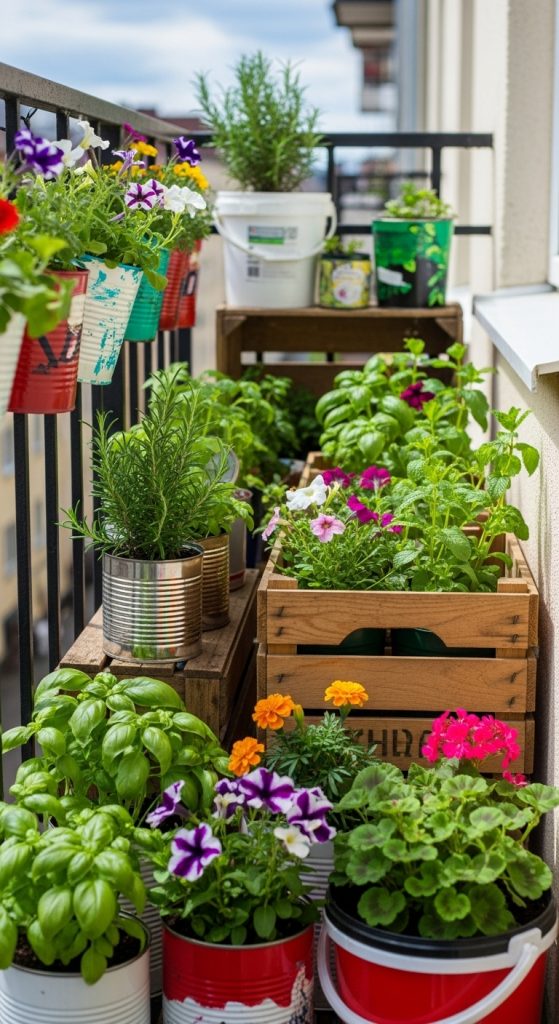
Container gardening is one of the simplest and most budget-friendly ways to start a small garden. Instead of purchasing expensive planters, you can use recycled containers such as old buckets, wooden crates, tin cans, or even plastic bottles. These can be painted or decorated to match your garden theme. Start by choosing containers with proper drainage holes. Fill them with a balanced potting mix suitable for the plants you intend to grow. Herbs, small vegetables, and flowers thrive well in container setups. Position the containers in areas that receive adequate sunlight based on plant needs.
Preparation involves cleaning the containers, drilling drainage holes, and ensuring stability. For best results, use lightweight soil mixed with compost for nutrient enrichment. Regular watering and occasional organic fertilizer application will keep the plants healthy. Container gardens are mobile, making them perfect for balconies, patios, or small courtyards. You can rearrange them seasonally or as per design preference. This low-cost gardening method adds greenery without demanding large land space or professional landscaping.
2. Vertical Gardening on Walls or Fences
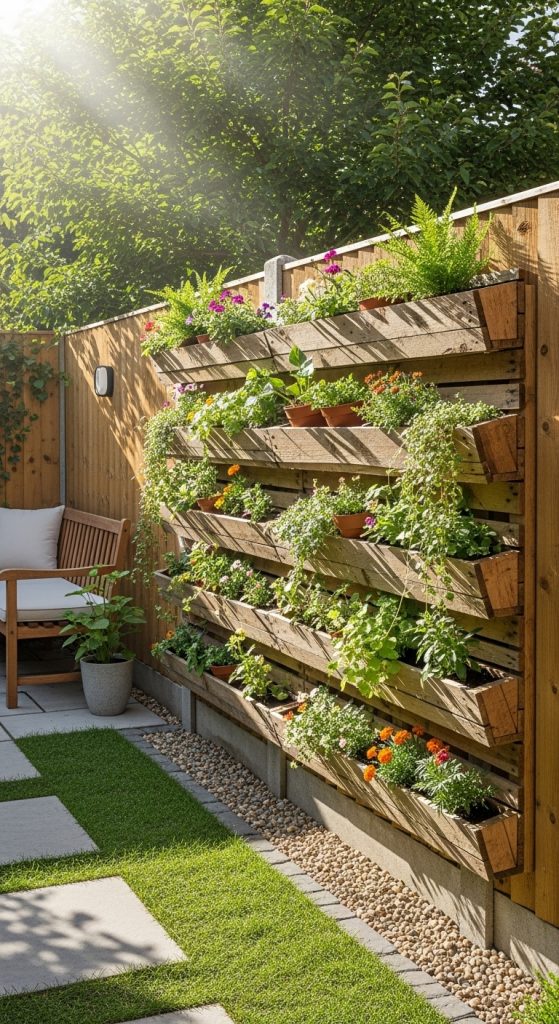
Vertical gardening is an excellent solution for small spaces where ground area is limited. It maximizes vertical surfaces such as walls, fences, or balcony railings to grow plants upward instead of outward. You can create vertical gardens using recycled wooden pallets, old shoe organizers, or wire mesh panels. Attach small pots or planters to the structure using hooks or zip ties. This design allows for a beautiful display of cascading plants, herbs, or flowers while keeping the floor space free for other uses.

Before installation, measure the space and ensure the surface can support the weight of the plants and soil. Choose lightweight containers and trailing plant varieties such as ivy, ferns, or succulents. Watering can be simplified using a drip irrigation system or by manually watering from the top. Maintenance involves trimming overgrown plants and ensuring sunlight reaches all areas. Vertical gardens not only save space but also create a lush green backdrop that enhances the visual appeal of small outdoor areas.
3. DIY Raised Garden Beds with Scrap Wood
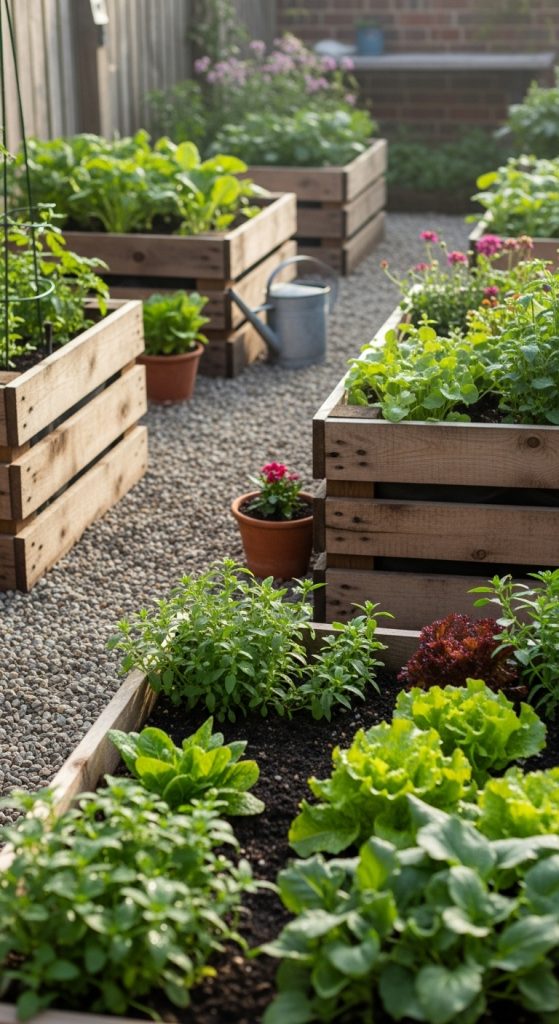
Building raised garden beds from reclaimed wood or pallets is a cost-effective way to create structured planting areas in small gardens. Raised beds improve drainage, reduce soil compaction, and make gardening more accessible. Begin by sourcing untreated scrap wood or old pallets. Cut them into desired lengths and assemble them into rectangular or square frames. Line the bottom with landscape fabric to prevent weeds and fill the bed with nutrient-rich soil mixed with compost.
These garden beds can be customized in height to reduce bending and make maintenance easier. They are ideal for growing vegetables, herbs, or flowering plants. Because the soil temperature warms up faster, plant growth can be more robust. Raised beds also allow you to control soil quality and layout. They are easy to build, durable, and require minimal upkeep once installed. The use of recycled materials keeps the project budget-friendly and environmentally conscious.
4. Gravel Pathways and Seating Corners
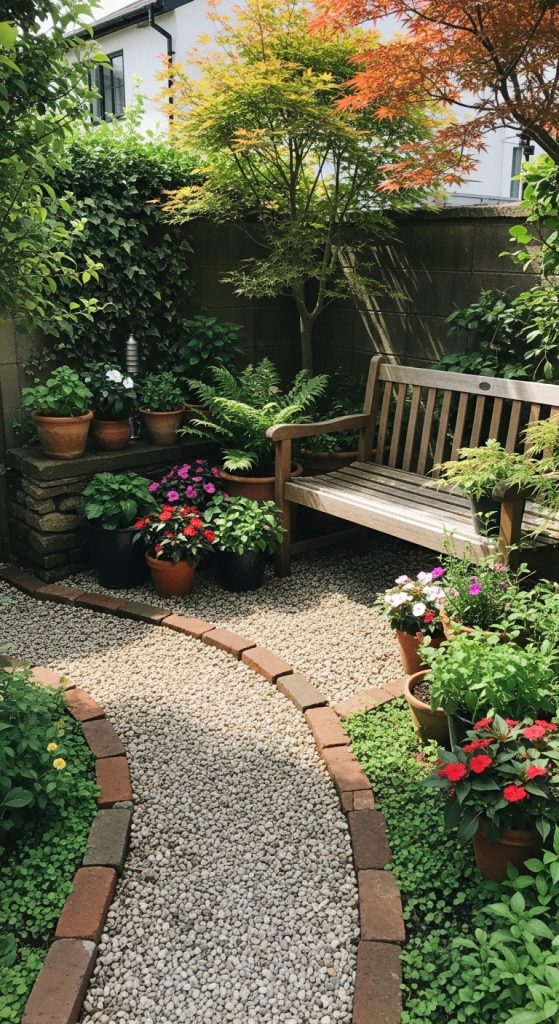
Small gardens benefit from defined pathways and simple seating areas to create a sense of structure. Instead of costly paving stones, you can use inexpensive gravel to create charming pathways and relaxation spots. To prepare, clear the desired area of weeds and level the ground. Lay down a weed barrier fabric and spread gravel evenly. Edging can be done with recycled bricks or stones to keep the gravel contained.

Adding a small seating area with a simple wooden bench or upcycled chairs transforms the space into a cozy retreat. This idea requires minimal materials and can be completed over a weekend. The gravel not only adds visual texture but also promotes proper drainage during rainfall. Incorporate small potted plants or solar lights along the path for an inviting look. This approach is both budget-friendly and highly practical for small garden layouts.
5. Hanging Gardens and Suspended Planters
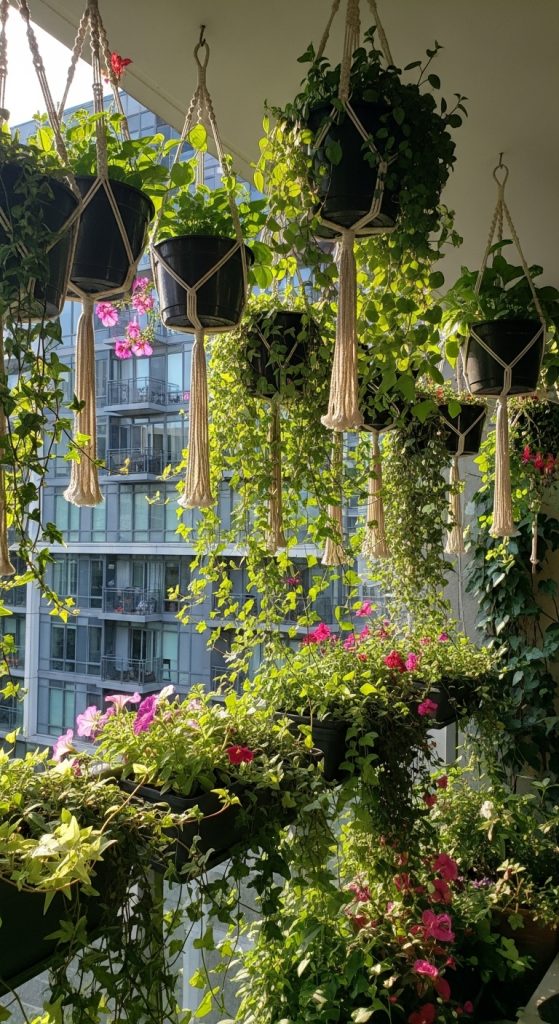
When ground space is scarce, hanging gardens offer an ideal solution. Using hanging planters, macrame plant holders, or baskets suspended from ceilings, fences, or railings, you can create a layered look that maximizes vertical potential. These suspended gardens add dimension and charm, making your small garden feel lush and dynamic.
For preparation, select lightweight planters with drainage holes and use strong hooks or ropes to secure them safely. Choose low-maintenance plants such as spider plants, ferns, or trailing ivy that thrive in hanging conditions. Water carefully to avoid over-saturation, and ensure the plants receive sufficient sunlight. Hanging gardens work beautifully in balconies, porches, and patios, providing a sense of depth while leaving floor areas clear for furniture or decor. This approach offers flexibility, as plants can be moved or replaced seasonally without major effort or expense.
6. Pallet Herb Garden
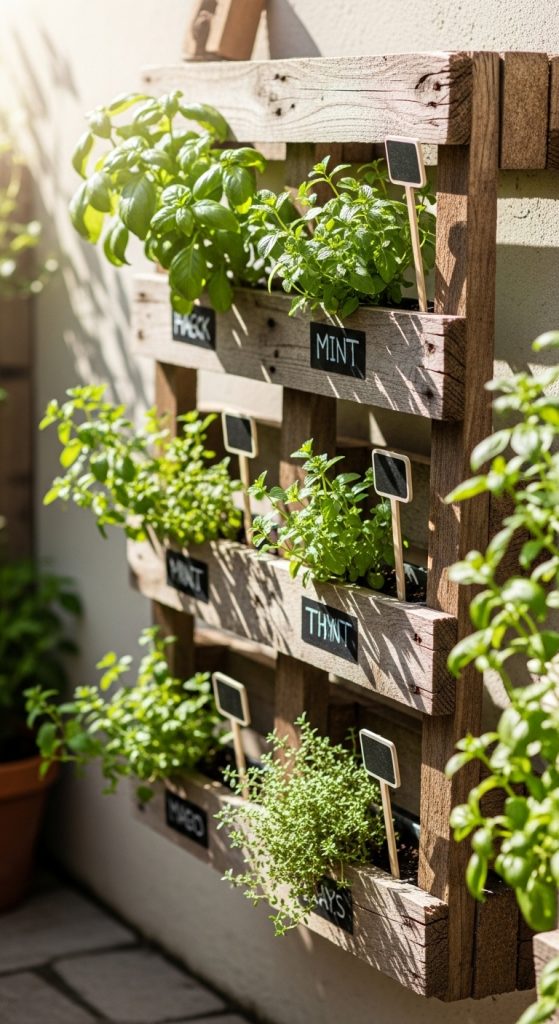
A pallet herb garden is a creative and budget-conscious way to grow fresh herbs in a compact space. Wooden pallets can often be sourced for free from local stores or warehouses. Begin by sanding the wood to avoid splinters and applying a protective sealant if necessary. Position the pallet vertically or horizontally depending on available space. Line the back with landscape fabric to hold soil and fill the sections with potting mix.

Plant herbs such as basil, mint, rosemary, or thyme in the pockets between the slats. Label each section for easy identification. This setup not only provides fresh herbs for cooking but also adds an organic aesthetic to your outdoor space. Regular trimming encourages new growth and keeps the plants healthy. Pallet gardens require minimal watering and can be easily maintained even in small patios or balconies. They embody sustainability and creativity while keeping costs low.
7. Recycled Furniture Planters
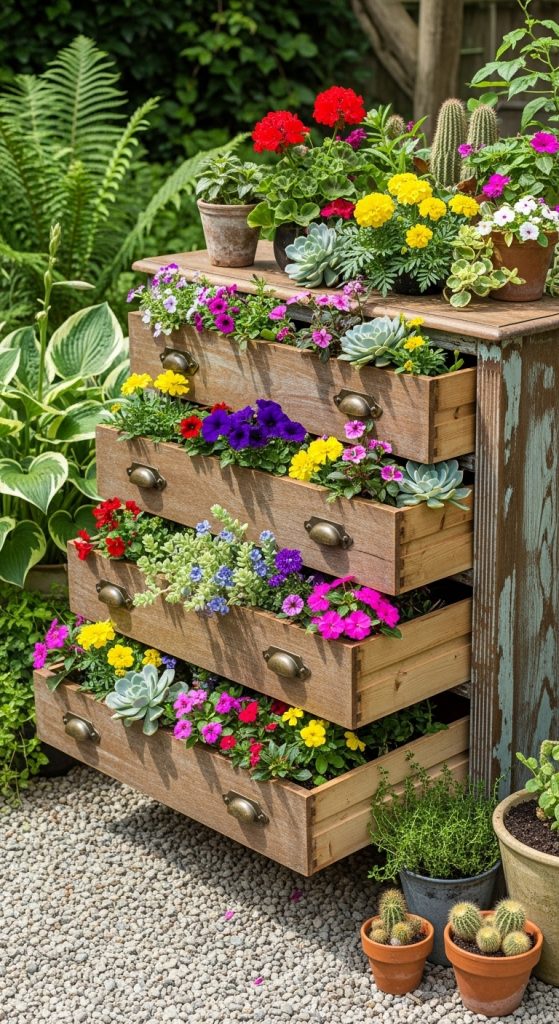
Transforming old furniture into unique planters is a fun and eco-friendly garden idea. Items like old drawers, wheelbarrows, or wooden crates can be repurposed to create eye-catching plant displays. Start by cleaning the furniture and applying a coat of outdoor-safe paint or sealant to protect it from weather damage. Drill drainage holes at the bottom of each section and fill with a mix of soil and compost.
Choose flowering plants or succulents that complement the size and depth of the container. Position these planters strategically to add character to your garden layout. This approach allows you to give new life to discarded items while adding a touch of personality and rustic charm. It is an inexpensive way to personalize your garden and minimize waste. Recycled furniture planters are especially appealing in small gardens where each item doubles as both decor and planting space.
8. DIY Garden Lighting with Solar Lanterns
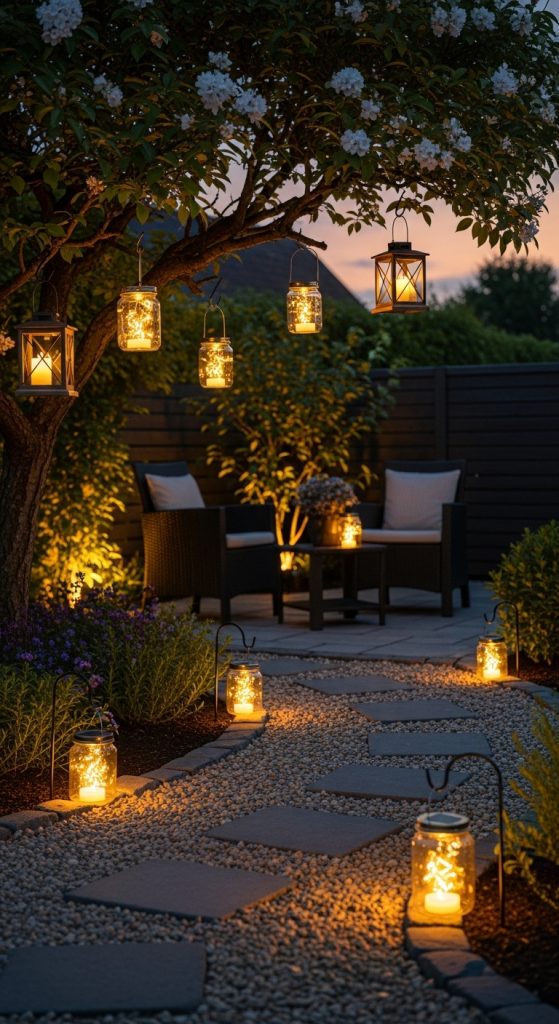
Proper lighting enhances the ambiance of small gardens and allows you to enjoy them even after sunset. Instead of expensive electrical installations, solar-powered lights and DIY lanterns provide an affordable and sustainable option. Collect jars, tins, or glass bottles to create homemade lanterns. Insert solar-powered LED lights or candles to illuminate pathways or seating areas.
Before setting them up, plan where lighting will have the most effect, such as along pathways, near garden beds, or hanging from trees. Solar lighting requires minimal maintenance and no electrical wiring, reducing long-term costs. The soft glow creates a relaxing and inviting environment. You can also use string lights or fairy lights for a whimsical touch. DIY lighting projects not only save money but also add a personalized and artistic element to small gardens.
9. Compost Corner and Natural Fertilizer
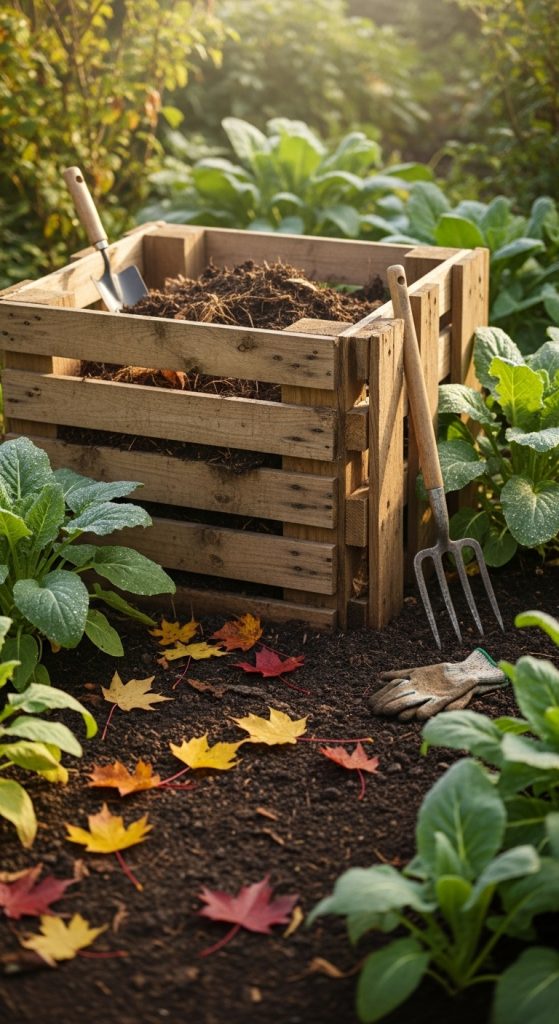
Creating your own compost corner is one of the most cost-effective and eco-friendly ways to maintain a healthy garden. Composting transforms kitchen scraps and garden waste into nutrient-rich fertilizer that improves soil structure and plant growth. You can build a simple compost bin using wooden pallets, wire mesh, or large plastic containers. Place it in a shaded corner of your garden with good airflow.
Start layering organic waste such as fruit peels, vegetable scraps, grass clippings, and dry leaves. Turn the mixture regularly to aid decomposition. Within a few months, you will have homemade compost ready to enrich your garden soil. Using compost reduces the need for store-bought fertilizers and minimizes waste disposal. It supports sustainable gardening while keeping costs low. This simple yet powerful idea enhances soil fertility and ensures long-term garden productivity.
10. Small Water Feature from Recycled Materials
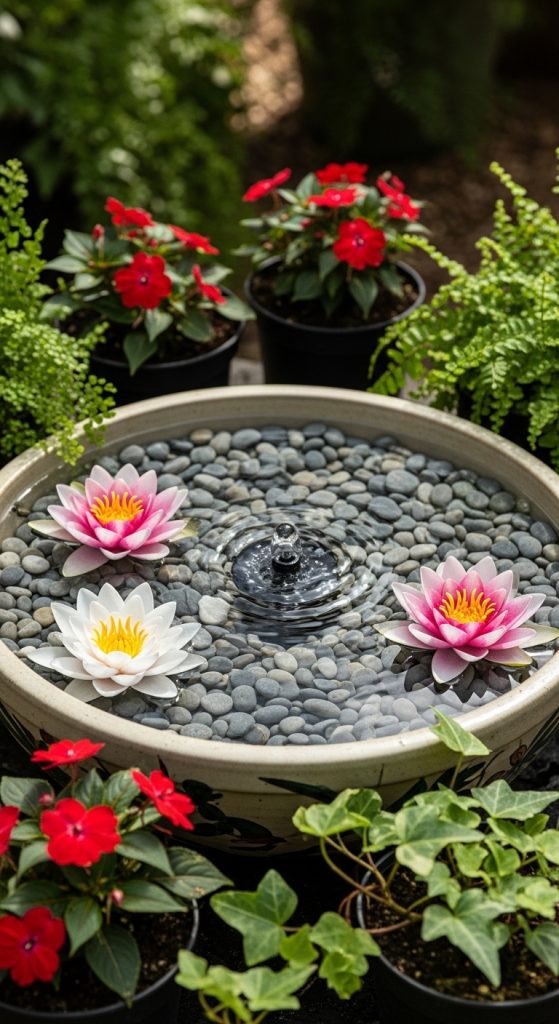
Adding a small water feature brings tranquility and aesthetic appeal to your garden without requiring major investment. You can create a mini fountain or pond using recycled containers like ceramic bowls, old basins, or large pots. A small solar-powered pump can circulate water, producing a soothing sound that enhances the garden’s atmosphere.

To build, choose a container that fits your space and ensure it is watertight. Position it on a stable surface and add decorative stones or pebbles around it. Fill with water and place aquatic plants such as water lilies or floating moss for a natural look. This small feature attracts birds and creates a peaceful ambiance. Using recycled materials keeps the project affordable, while the gentle sound of water adds a relaxing touch. Even the smallest garden can benefit from the beauty of a simple water feature.