Craft activities are more than just a way to keep older kids busy. They help children develop creativity, patience, focus, and problem-solving skills. As kids grow older, they need crafts that feel meaningful, slightly challenging, and age-appropriate. Simple cutting and coloring may no longer hold their interest. Instead, older kids enjoy crafts that allow them to express their personality, learn new techniques, and create items they can actually use or display with pride.
Crafting also supports emotional development. It gives kids a healthy way to relax, manage stress, and feel a sense of accomplishment. Group craft activities can encourage teamwork, communication, and confidence. Solo crafts help children build independence and decision-making skills. With the right preparation and materials, crafting sessions can become a positive routine at home, in classrooms, or during holidays.
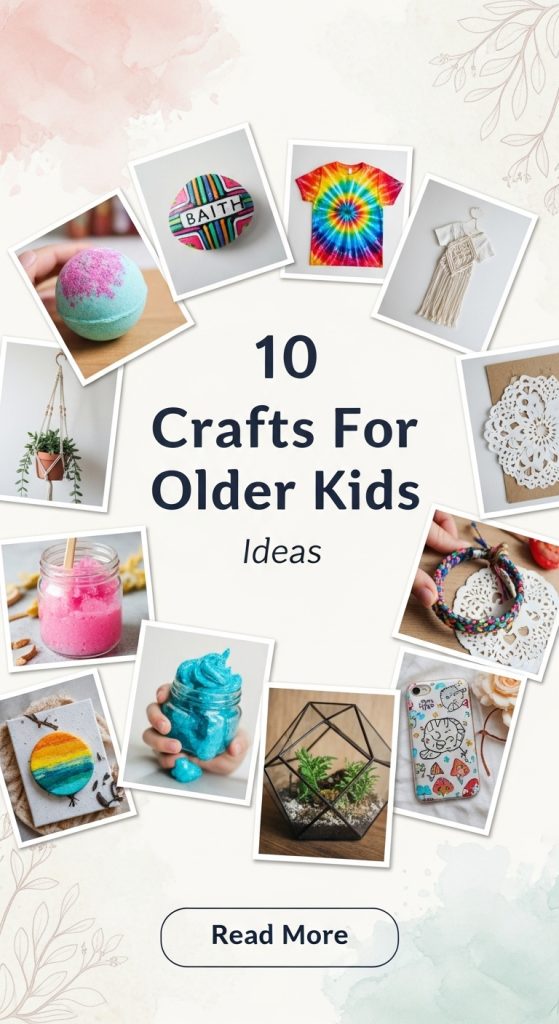
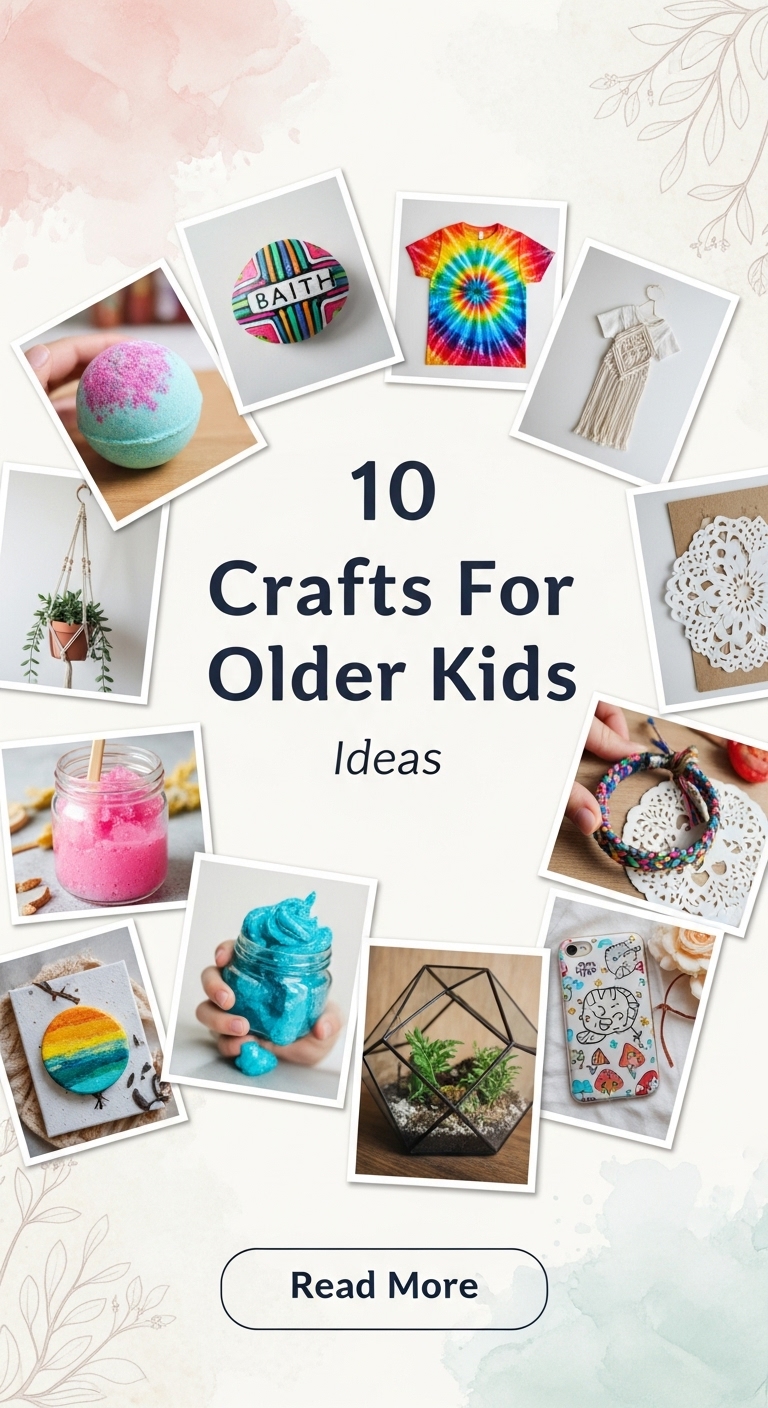
This blog post shares ten craft ideas designed specifically for older kids. Each activity includes preparation tips, materials needed, step-by-step guidance, and safety considerations. These crafts are suitable for late elementary and middle school children and can be adjusted for different skill levels. Whether you are a parent, teacher, or caregiver, these ideas will help you create fun, educational, and engaging craft experiences for older kids.
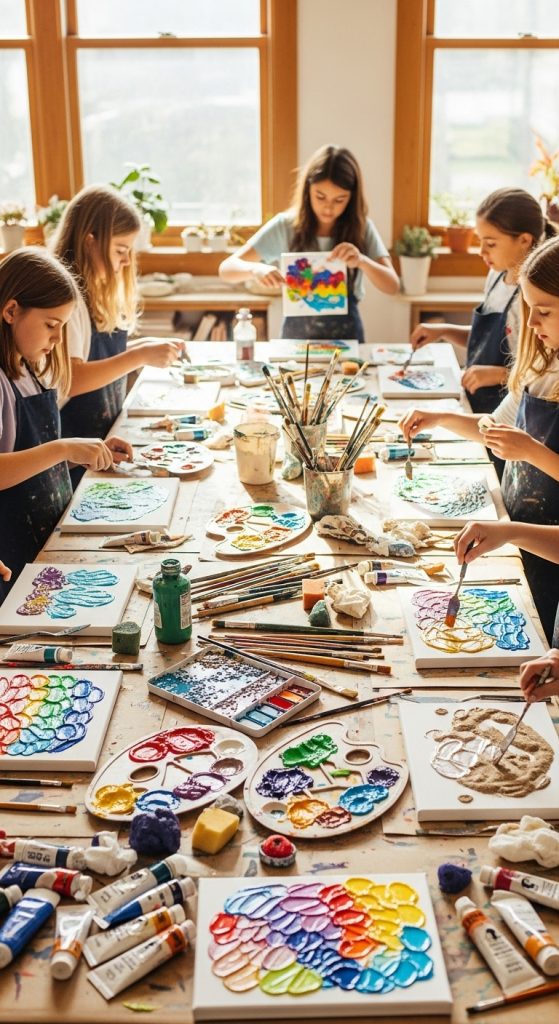
1. DIY Canvas Painting With Texture
Canvas painting is a great craft for older kids because it allows creative freedom while teaching basic art techniques. Adding texture makes the project more advanced and exciting. Before starting, prepare a clean workspace covered with newspaper or a plastic sheet. Have aprons or old clothes ready to avoid stains.

Materials include canvas boards, acrylic paints, paintbrushes in different sizes, palette knives, sponges, and texture materials such as sand, tissue paper, or modeling paste. Older kids can mix textures into paint or layer materials onto the canvas before painting.
Start by encouraging kids to plan a simple design or theme. They can sketch lightly with a pencil. Next, show them how to apply texture using a palette knife or sponge. Once dry, they can paint over the textured surface. This teaches patience and layering skills.
This craft improves fine motor skills, color understanding, and self-expression. Finished paintings can be displayed in bedrooms or gifted to family members. Always remind kids to clean brushes properly and wash hands after painting.
2. Handmade Journals And Notebooks
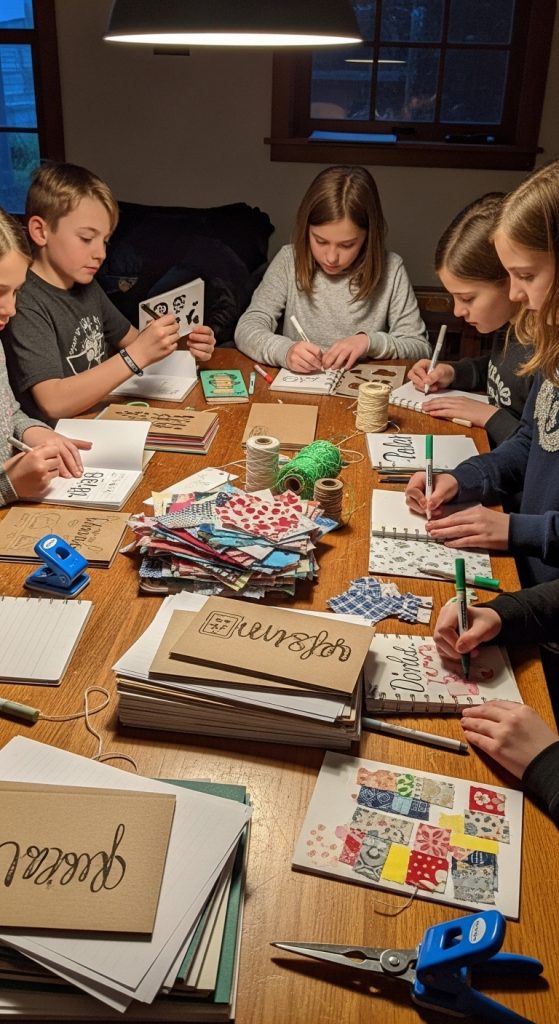
Making a handmade journal helps older kids value writing, reflection, and creativity. Preparation involves cutting paper to the same size and setting up a hole-punching station. Adult supervision is helpful during binding.

Materials include plain paper, cardboard or thick paper for covers, fabric or decorative paper, string or ribbon, hole punch, glue, scissors, and markers. Optional items include stickers and stamps.
Begin by stacking pages and placing covers on top and bottom. Punch holes along one side. Thread string or ribbon through the holes to bind the journal. Kids can decorate the cover using drawings, fabric pieces, or lettering.
This craft teaches basic bookbinding skills and encourages organization. The journal can be used for writing stories, drawing, planning, or personal thoughts. It also promotes responsibility as kids take care of something they created themselves.
3. Recycled Cardboard Architecture Projects
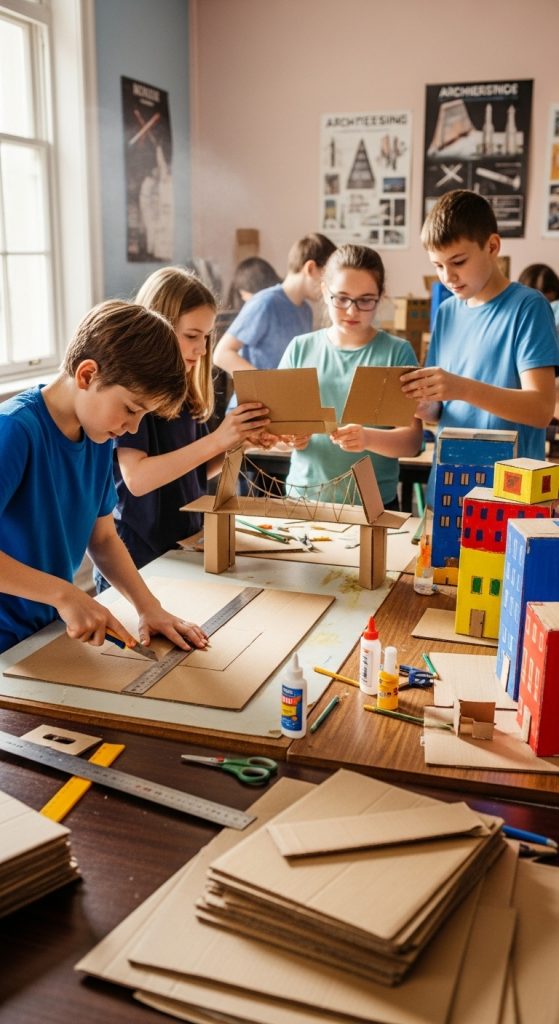
Cardboard construction projects challenge older kids to think critically and design structures. Preparation includes collecting clean cardboard boxes and setting up a cutting area with safety rules.

Materials include cardboard, ruler, pencil, craft knife or scissors, glue, tape, and paint. Adults should handle sharp tools or closely supervise.
Kids can design buildings, bridges, or imaginary cities. They should sketch their ideas first and measure pieces carefully. Assembly involves cutting, folding, and gluing parts together. Once built, the structure can be painted and detailed.
This craft builds problem-solving skills, spatial awareness, and creativity. It also teaches recycling and sustainability. Finished projects can be displayed or used for pretend play.
4. Friendship Bracelets With Advanced Patterns
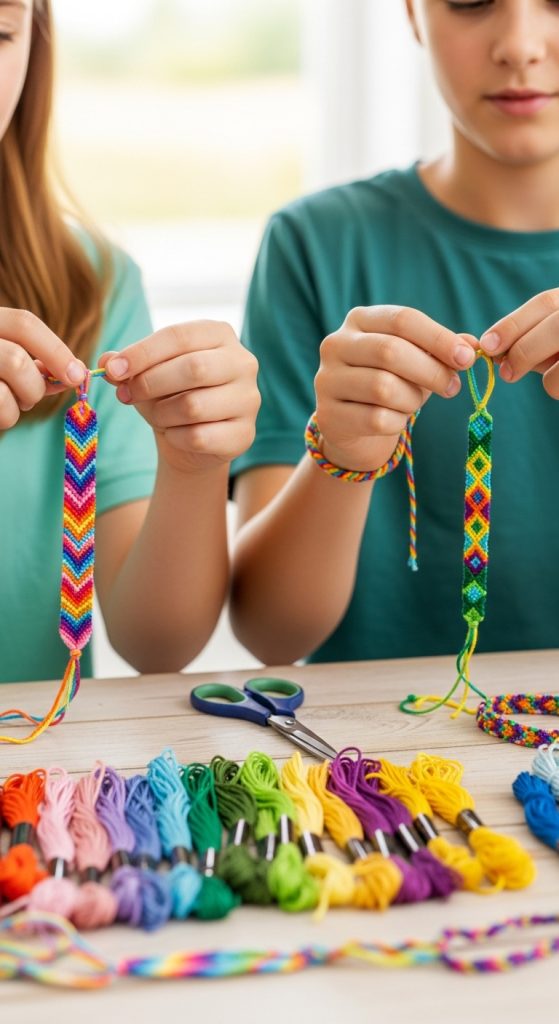
Friendship bracelets are ideal for older kids when patterns become more complex. Preparation includes learning a few knot styles and setting up a comfortable working area.

Materials include embroidery floss in multiple colors, safety pins or tape, scissors, and pattern guides. Choose patterns that include zigzags or diamond shapes.
Kids should secure the threads and follow the pattern step by step. This craft requires focus and patience. Mistakes help teach problem-solving and persistence.
Bracelets can be worn or gifted, making the craft emotionally meaningful. It also improves hand-eye coordination and pattern recognition.
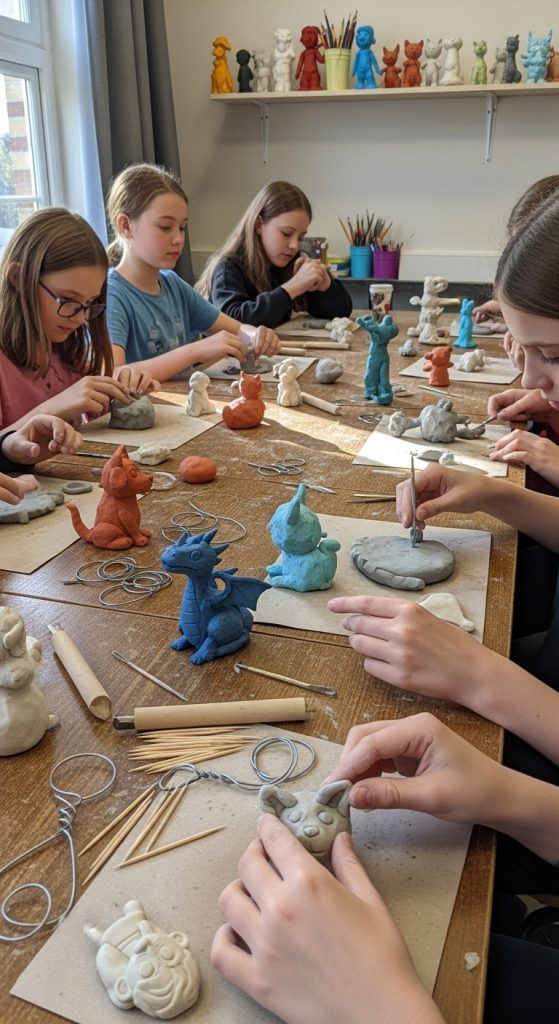
5. Clay Sculpting And Mini Figures
Clay sculpting allows older kids to work in three dimensions. Preparation includes covering surfaces and deciding whether to air-dry or bake the clay.
Materials include modeling clay, sculpting tools, toothpicks, and small containers of water. Optional paint can be used after drying.
Kids can create animals, characters, or abstract shapes. Encourage them to start with basic forms and add details slowly. Let pieces dry completely before painting.
This craft develops fine motor skills and creativity. Sculpting also improves focus and patience. Finished figures can be displayed on shelves or desks.
6. Customized Tote Bags Or Pencil Cases
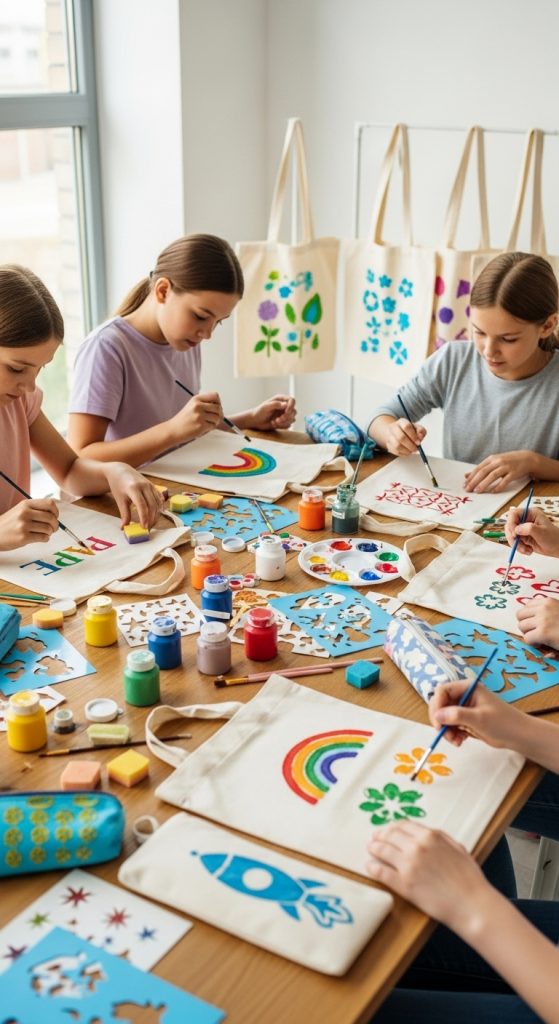
Personalizing fabric items gives older kids a sense of pride. Preparation includes washing fabric items and protecting the work surface.

Materials include plain canvas tote bags or pencil cases, fabric paint or markers, stencils, sponges, and cardboard inserts.
Kids can plan designs using pencil before painting. Teach them how to apply paint evenly and let layers dry. Once finished, allow proper drying time.
This craft teaches design planning and care. Kids can use the items daily, making the craft practical and rewarding.
7. DIY Science Craft Experiments
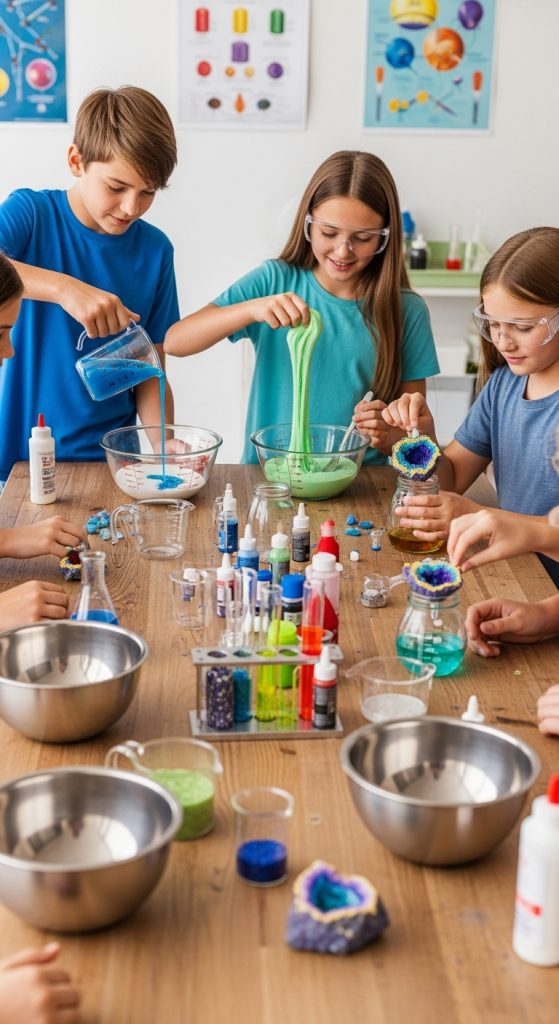
Science-based crafts combine learning and creativity. Preparation includes reading instructions carefully and gathering materials in advance.
Examples include making slime, crystal art, or simple volcano models. Materials vary but often include glue, baking soda, vinegar, food coloring, and containers.
Explain the science behind the activity before starting. Let kids measure, mix, and observe changes. Encourage questions and discussion.
These crafts improve curiosity, critical thinking, and basic scientific understanding. Safety rules should always be followed.
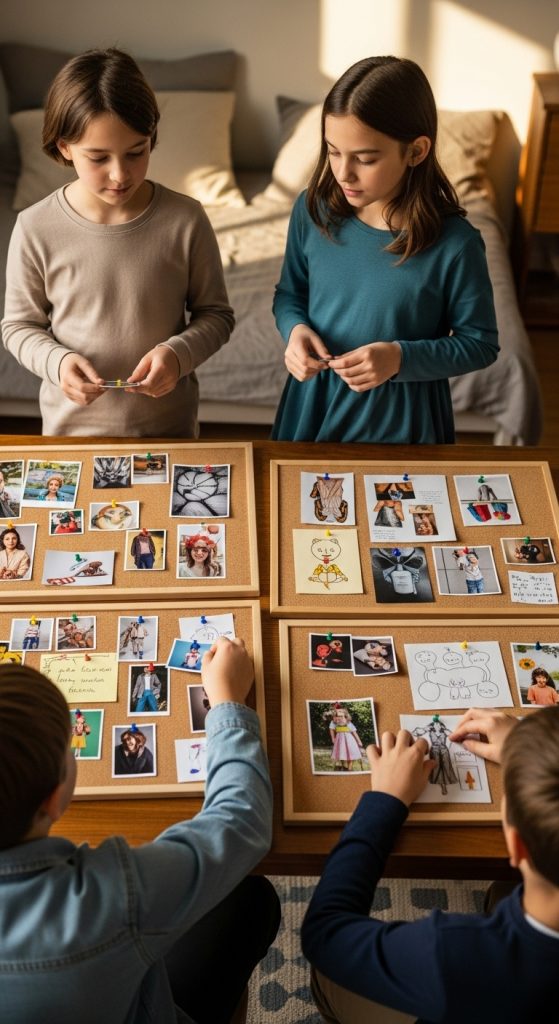
8. Photo Collage And Memory Boards
Memory boards help older kids express identity and emotions. Preparation includes collecting photos and choosing a board size.

Materials include cork boards or poster boards, photos, magazines, glue, pins, markers, and decorative paper.
Kids can arrange photos and images that represent their interests and memories. Encourage thoughtful placement and balance.
This craft supports emotional expression and storytelling. It also helps kids reflect on experiences and values.
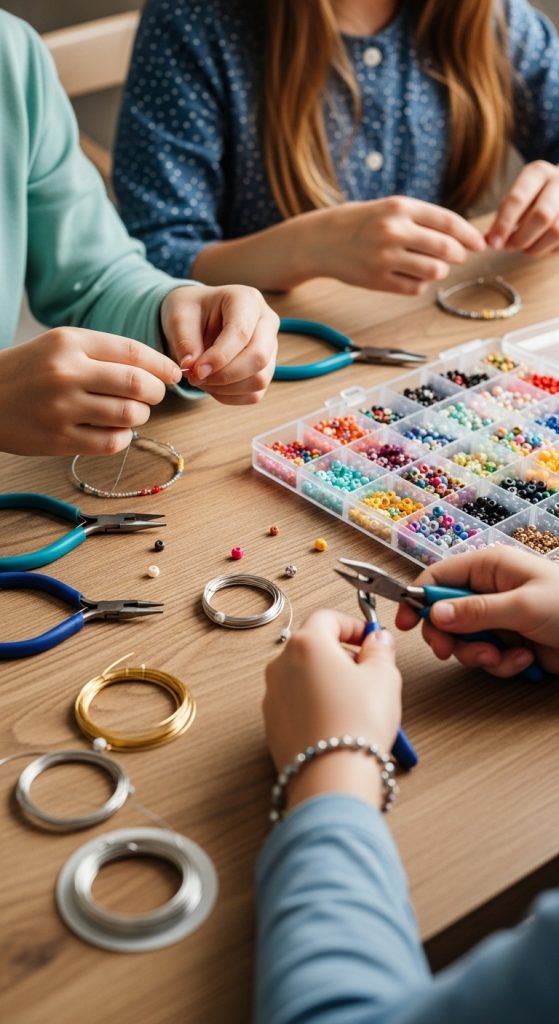
9. DIY Jewelry With Beads And Wire
Jewelry making becomes more advanced with wire techniques. Preparation includes organizing beads by color and size.

Materials include beads, jewelry wire, pliers, clasps, and bead stoppers. Adults should supervise wire cutting.
Kids can design necklaces, rings, or earrings. Teach basic wire wrapping and fastening techniques.
This craft improves precision, planning, and creativity. Finished jewelry can be worn or gifted.
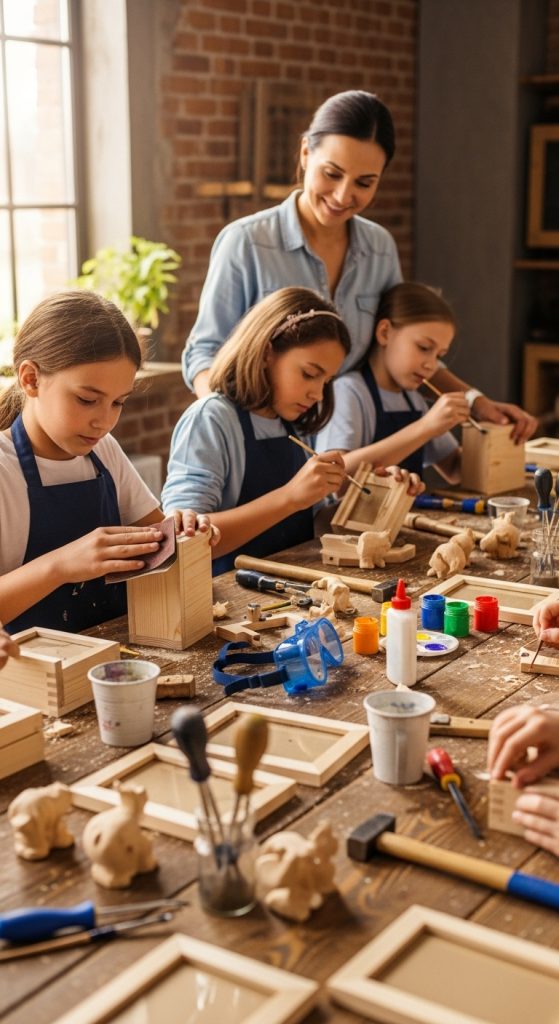
10. Wooden Craft Projects And Simple Builds
Wood crafts introduce basic building skills. Preparation includes selecting simple designs and setting safety rules.
Materials include pre-cut wood pieces, sandpaper, non-toxic glue, nails, small hammers, and paint.
Kids can build small boxes, frames, or signs. Sand edges before assembly. Paint after construction is complete.
This craft builds confidence, coordination, and practical skills. Safety supervision is essential, but the results are highly rewarding.