Bird feeders are a simple and meaningful way to bring nature closer to your home. Hanging bird feeders are especially popular because they save space, keep food off the ground, and attract a wide variety of birds. Making your own DIY hanging bird feeder is not only cost-effective but also a rewarding project for people of all ages. You can reuse everyday household items, reduce waste, and create something useful for local wildlife. A homemade feeder also allows you to control the materials, size, and food type based on the birds in your area.
DIY bird feeders are perfect for gardens, balconies, patios, and even small apartment spaces. They can be adjusted for different seasons and bird species, and many designs are easy to repair or replace. Whether you enjoy crafting, gardening, or simply watching birds, these projects combine creativity with care for nature. This guide covers ten practical and attractive DIY hanging bird feeder ideas. Each idea includes preparation steps, required materials, usage tips, and maintenance advice. All projects are beginner-friendly and use simple tools. By the end of this article, you will have plenty of ideas to create feeders that are functional, safe, and visually pleasing while supporting birds throughout the year.
1. Plastic Bottle Hanging Bird Feeder
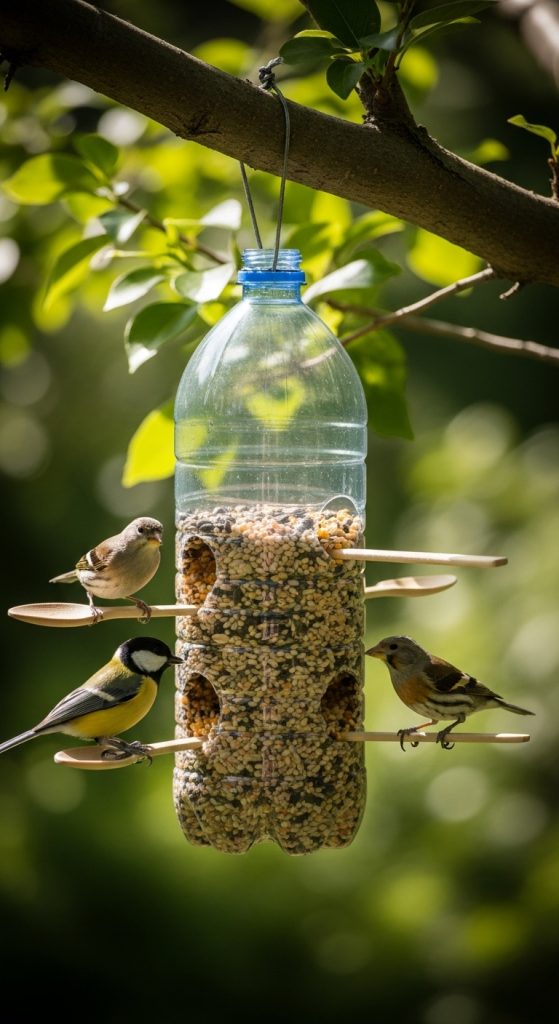
A plastic bottle bird feeder is one of the easiest and most affordable DIY options. It is ideal for beginners and helps recycle waste materials. To prepare this feeder, you will need a clean plastic bottle, a pair of scissors or a craft knife, two wooden spoons or sticks, string or wire, and birdseed. Start by washing and drying the bottle completely to remove any residue. Cut small holes on opposite sides of the bottle, large enough for the wooden spoons to pass through. These spoons act as perches and seed trays.
Fill the bottle with birdseed through the top opening. The holes should be slightly above the spoon surface so seeds fall naturally as birds feed. Secure the bottle cap tightly and tie string or wire around the neck for hanging. This feeder works best when hung from tree branches, hooks, or balcony railings at a safe height from predators.

This type of feeder attracts sparrows, finches, and other small birds. It is important to check the feeder weekly for cracks or sharp edges. Clean it regularly with warm water to prevent mold growth. Avoid placing it in direct rain, as moisture can spoil the seeds. With minimal effort, this feeder can last several months and is easy to replace when worn.
2. Mason Jar Hanging Bird Feeder
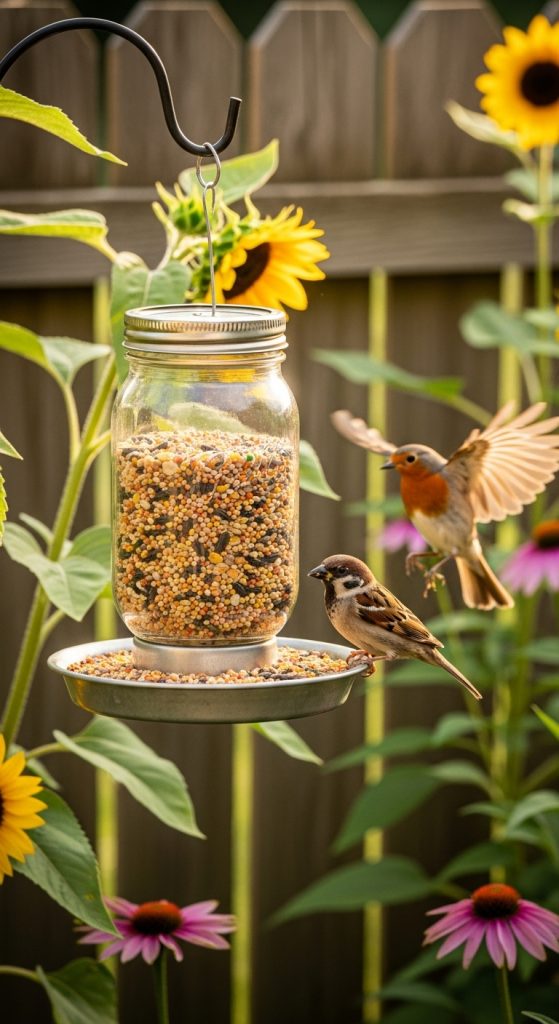
A mason jar bird feeder offers a rustic and decorative look while remaining highly functional. For this project, you will need a mason jar with a lid, a shallow plate or feeder base, strong wire or chain, and birdseed. Begin by drilling a small hole in the center of the jar lid if one is not already present. The jar should be clean and completely dry before use.
Fill the mason jar with birdseed and screw the lid back on tightly. Turn the jar upside down and place it over the shallow plate so seeds slowly fall onto the base. Use wire or chain to secure the jar and plate together. Attach additional wire at the top to create a hanging loop.
This feeder is best for seed-eating birds like chickadees and cardinals. Hang it in a stable location where it will not swing too much. The glass jar allows you to monitor seed levels easily. Regular cleaning is essential, especially during humid weather. Remove old seeds and wash the jar every two weeks. This feeder is durable, weather-resistant, and adds charm to outdoor spaces.

3. Wooden Slat Hanging Bird Feeder
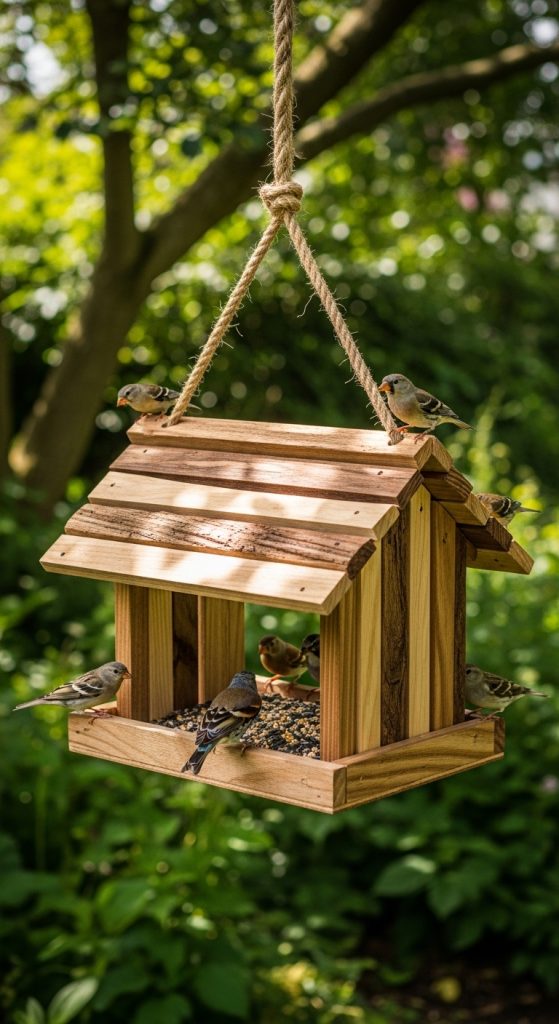
A wooden slat bird feeder is perfect for those who enjoy basic woodworking. You will need wooden slats, nails or screws, a hammer or drill, wood glue, and rope or chain. Choose untreated wood to keep birds safe. Start by cutting the wood into equal lengths for the base, sides, and roof.
Assemble the frame by attaching the side slats to the base, leaving gaps between them for birds to access food. Add a simple slanted roof to protect seeds from rain. Secure rope or chain to each corner of the roof for hanging.
This feeder works well for mixed birdseed and attracts larger birds like doves and jays. Place it in an open area with good visibility. Maintenance includes checking for loose nails and cleaning debris from the base. Apply natural oil occasionally to protect the wood. This feeder is sturdy, reusable, and blends well with natural garden surroundings.
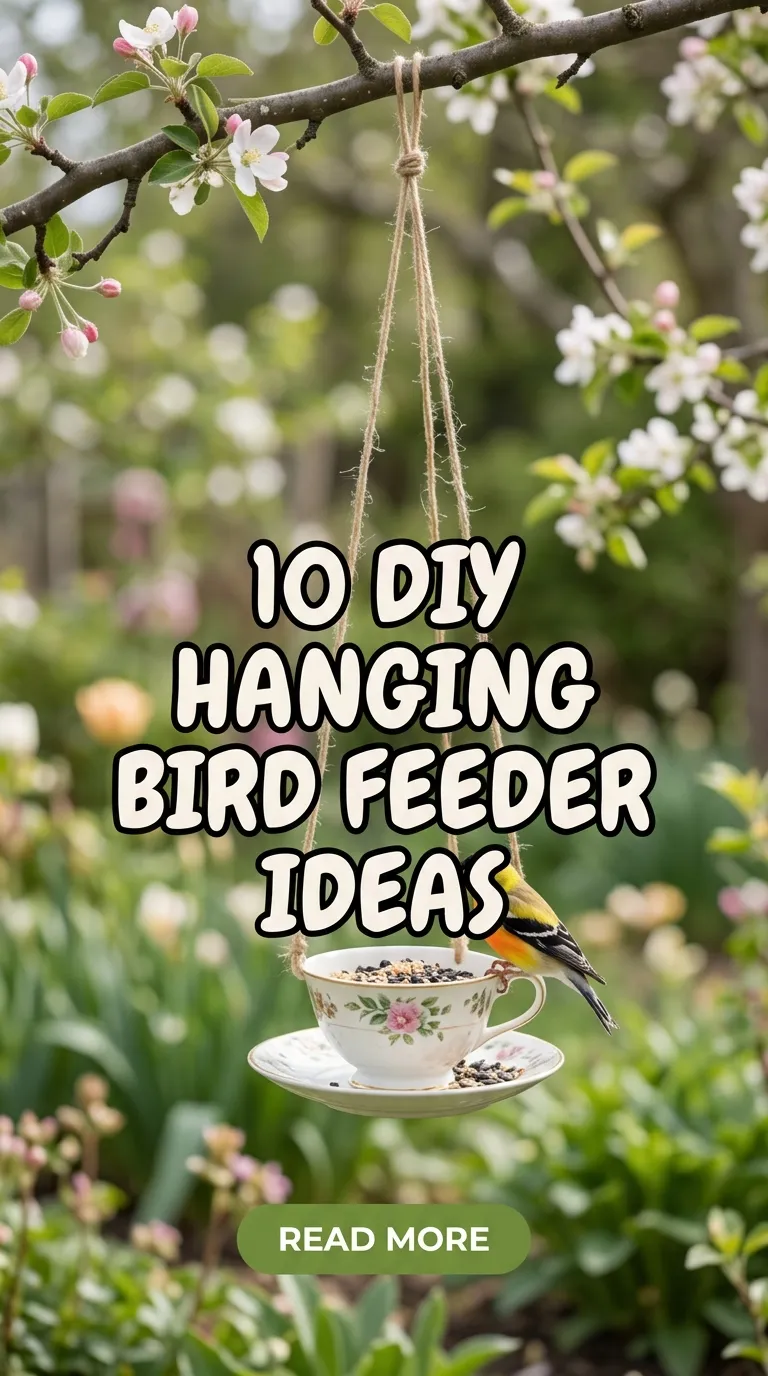
4. Teacup and Saucer Hanging Bird Feeder
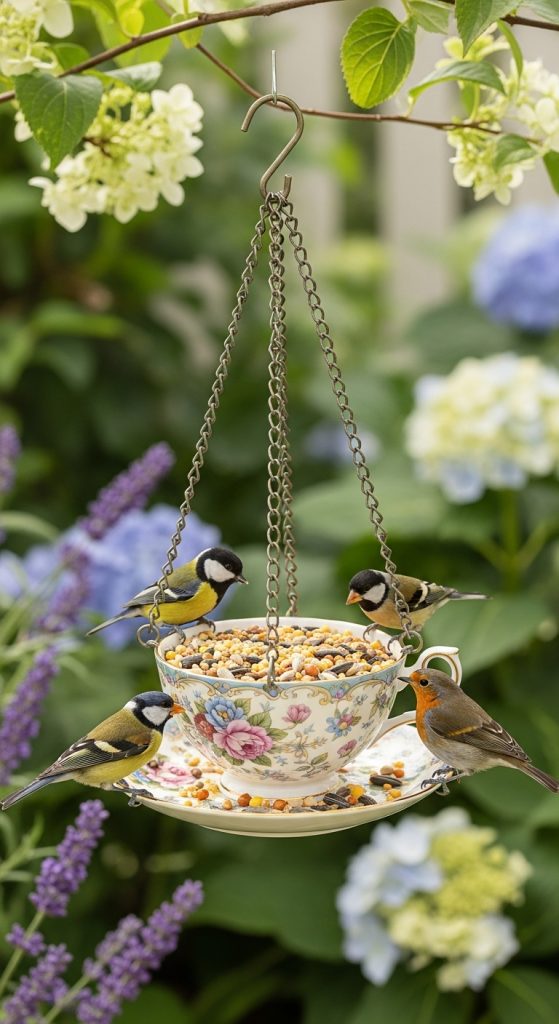
A teacup bird feeder is both decorative and functional. You will need an old teacup, a matching saucer, strong glue suitable for outdoor use, and chain or wire. Begin by gluing the teacup onto the center of the saucer at a slight angle. Allow the glue to cure fully according to instructions.

Once secure, attach chain or wire through the cup handle or around the saucer base. Fill the teacup with birdseed. The saucer acts as a spill tray, reducing waste.
This feeder is ideal for small birds and works best in sheltered areas. It should be cleaned frequently due to its open design. Replace seeds after rain to avoid mold. This project is simple, stylish, and perfect for adding personality to your garden.
5. Coconut Shell Hanging Bird Feeder
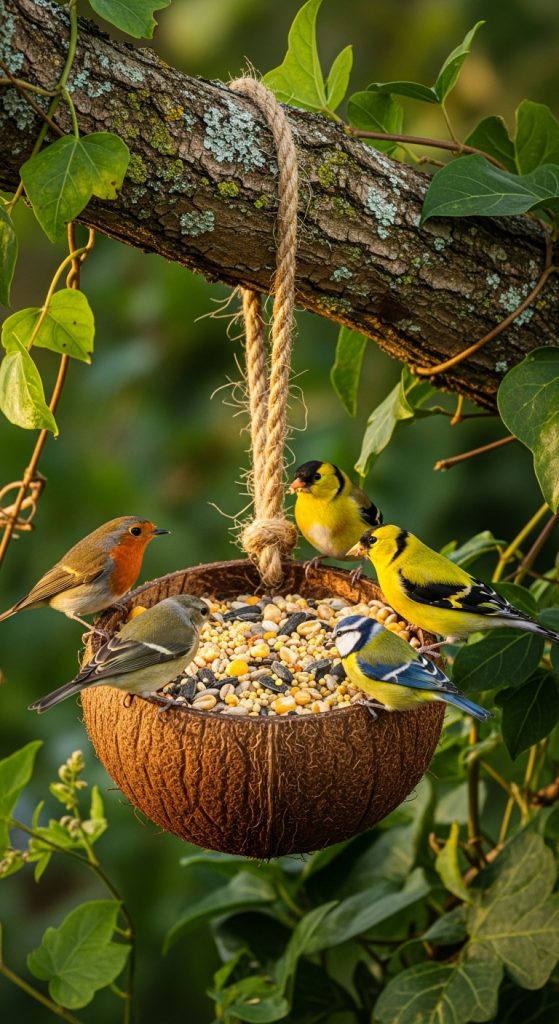
A coconut shell feeder is natural and eco-friendly. You will need a coconut, a drill, rope, and birdseed. Start by cutting the coconut in half and removing the flesh. Clean and dry the shell completely. Drill small holes around the top edge for rope attachment.
Thread rope through the holes and tie secure knots. Fill the shell with seed or suet. Hang it from a sturdy branch.

This feeder attracts woodpeckers and tits. It blends naturally with outdoor environments and is biodegradable. Clean it regularly and replace when it begins to crack. Coconut feeders are simple, safe, and excellent for nature-focused gardens.
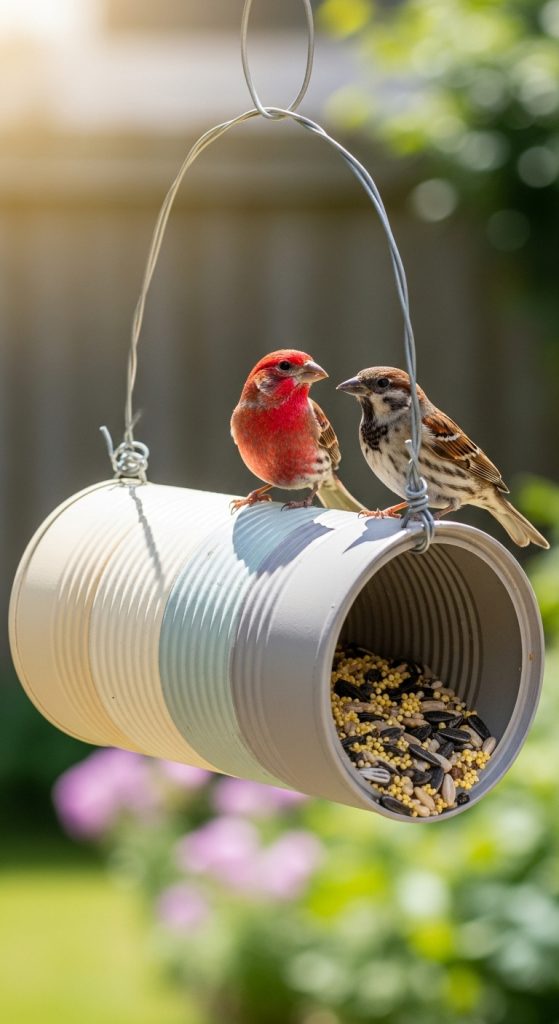
6. Tin Can Hanging Bird Feeder
Tin can feeders are great for recycling. You will need an empty can, paint or paper for covering sharp edges, wire, and birdseed. Clean the can thoroughly and smooth the edges. Decorate the outside if desired.
Attach wire to both ends of the can to create a hanging loop. Lay the can horizontally and fill it with seed. Some designs include a wooden stick as a perch.
This feeder works well for small birds. Hang it securely to prevent rolling. Clean it often and check for rust. Tin can feeders are budget-friendly and customizable.

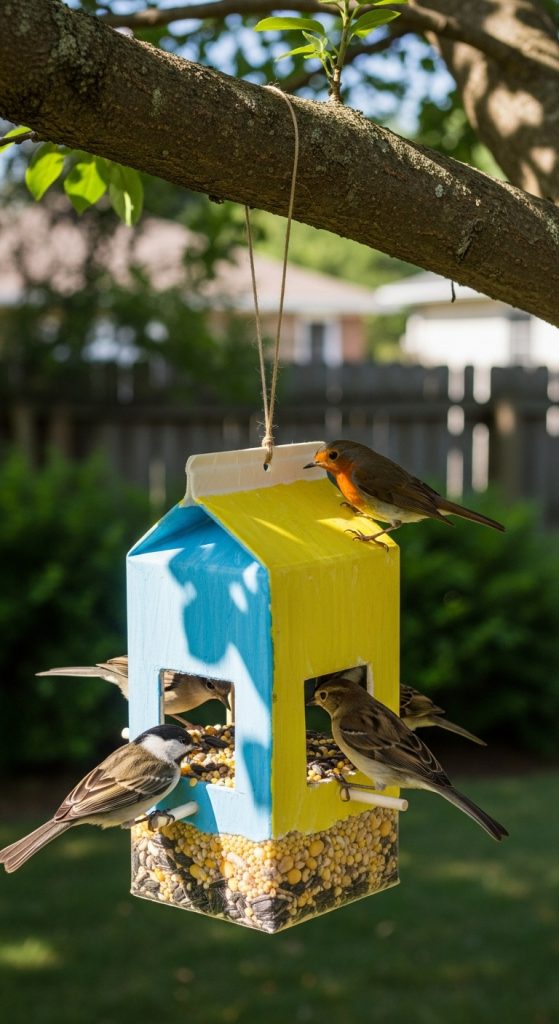
7. Milk Carton Hanging Bird Feeder
Milk carton feeders are lightweight and easy to make. You will need a clean carton, scissors, string, and birdseed. Cut openings on the sides, leaving space at the bottom to hold seeds.
Punch holes at the top for string attachment. Fill with seed and hang at a safe height. This feeder is suitable for children’s projects.
Maintenance includes frequent cleaning and replacing when worn. Milk carton feeders are best for short-term use and attract common garden birds.
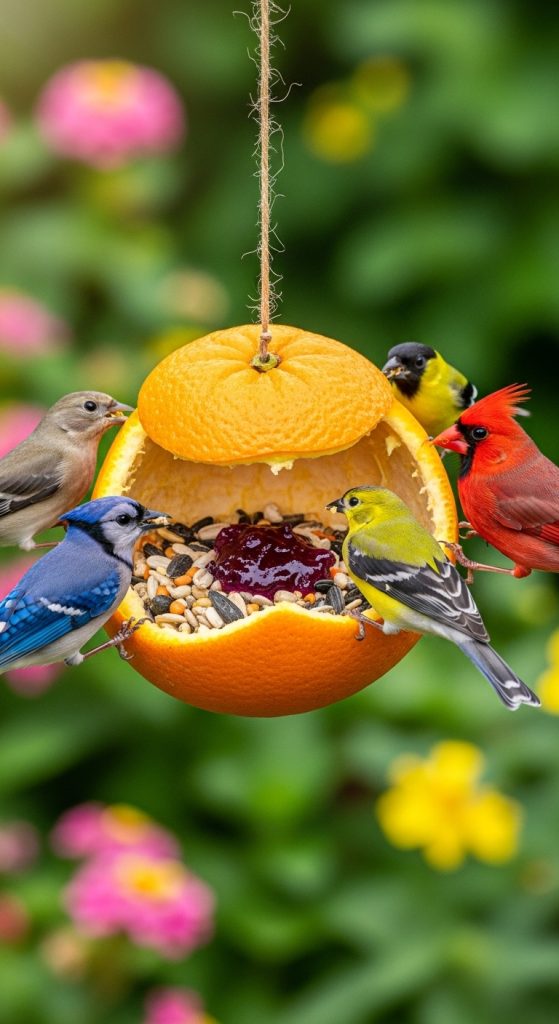
8. Orange Peel Hanging Bird Feeder
An orange peel feeder is biodegradable and simple. Cut an orange in half and remove the fruit. Punch small holes around the peel and tie string.

Fill with seed or jelly for fruit-loving birds. Hang in shaded areas.
This feeder is temporary and best for warm seasons. Replace every few days. It attracts orioles and other fruit-eating birds.
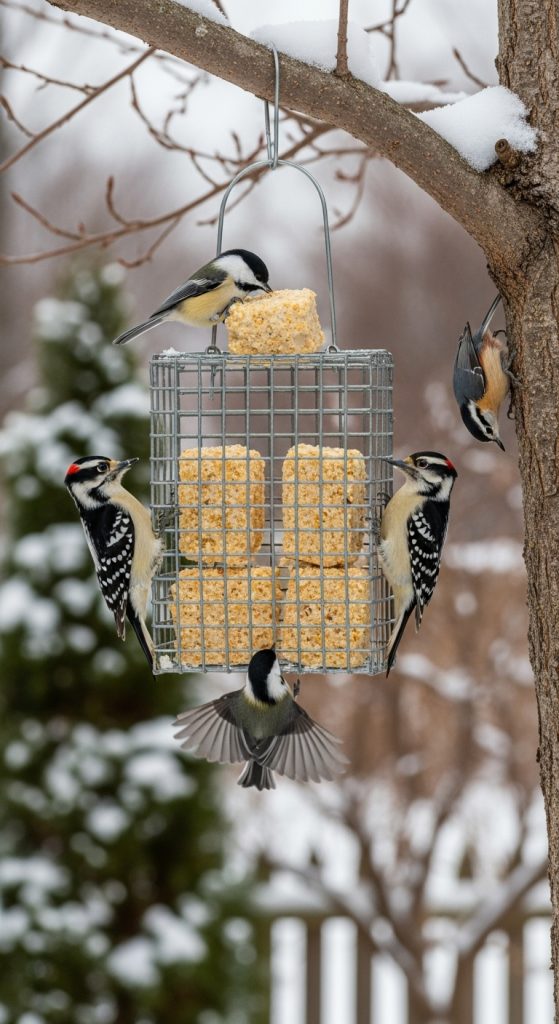
9. Suet Cage Hanging Bird Feeder
Suet feeders provide high energy food. You will need a wire cage, suet, and chain. Fill the cage with prepared suet and hang securely.
This feeder is ideal for winter and attracts woodpeckers and nuthatches. Clean cages regularly and replace suet as needed.

10. Clay Bowl Hanging Bird Feeder
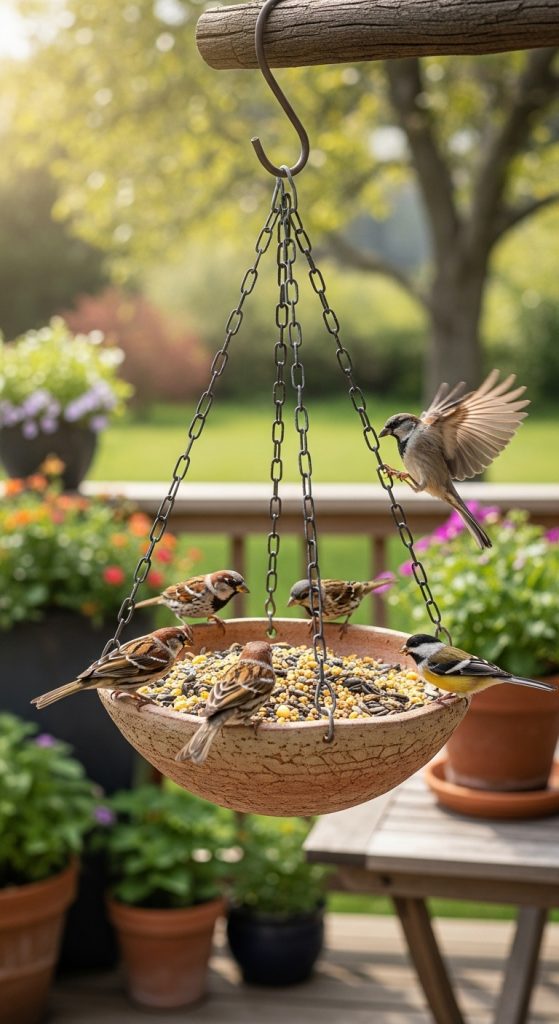
Clay bowl feeders are sturdy and natural. Drill holes in the rim, attach chain, and fill with seed. These feeders are heavy and stable.
They attract a wide range of birds. Clean often and protect from freezing temperatures. Clay feeders are durable and visually pleasing.