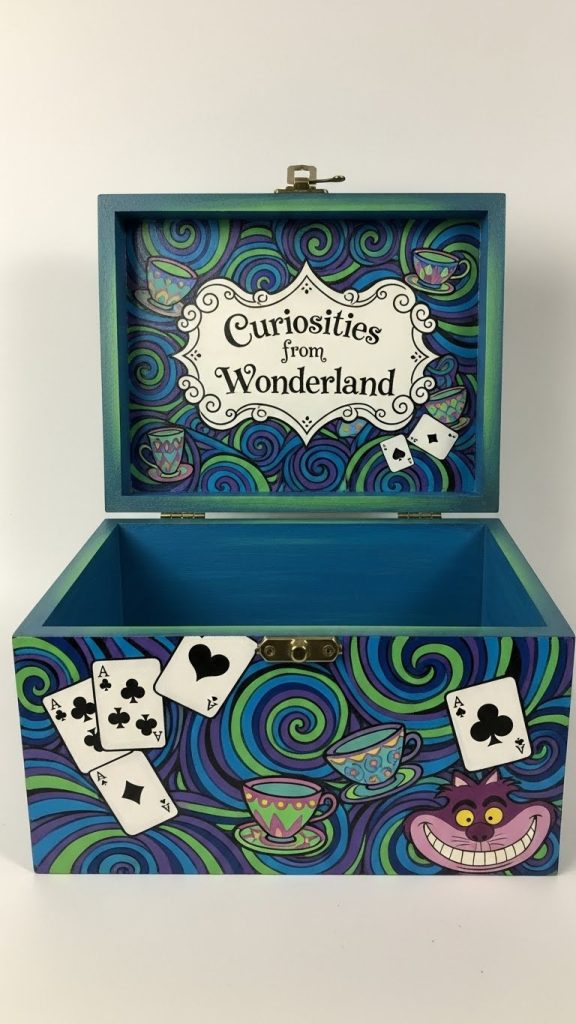
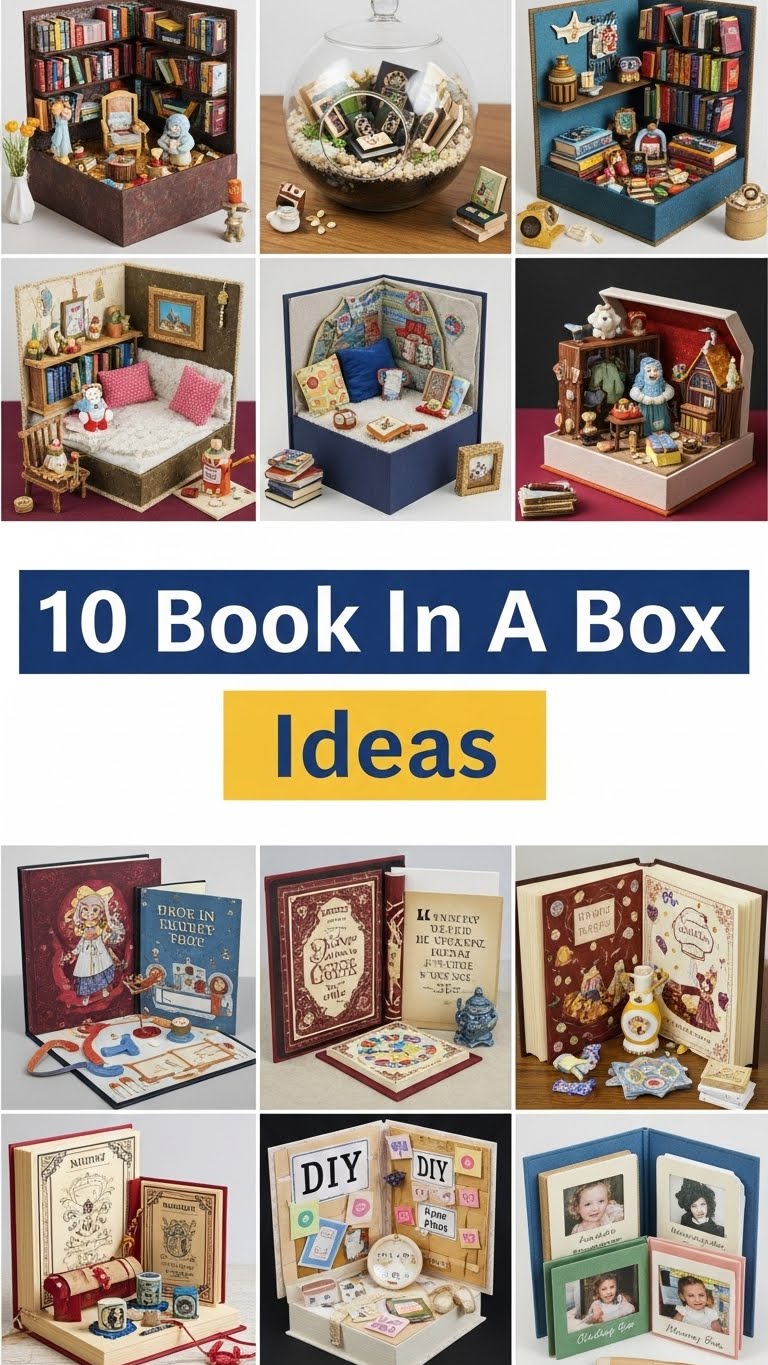
A Book in a Box is a creative way to represent the story, theme, and characters of a book using real objects placed inside a box. This idea is widely used for school projects, book reports, classroom displays, and reading activities because it helps readers explain a story in a visual and interactive way. Instead of only writing about the book, students can show important elements through carefully chosen items. This method improves understanding, creativity, and presentation skills.
A Book in a Box project usually includes a decorated box, objects related to the story, and short written explanations. The box can be made from cardboard, a shoebox, or a wooden container. Inside, items are placed to represent characters, settings, symbols, or important events. Labels or notes help explain why each item was chosen.
This type of project works well for fiction, non-fiction, novels, short stories, and even biographies. It allows students of all ages to express ideas in a hands-on way. Teachers also like this activity because it encourages critical thinking and makes reading more engaging. Below are ten creative and practical Book in a Box ideas, including preparation steps, materials, and usage tips to help you create a strong and meaningful project.
1. Classic Novel Book in a Box
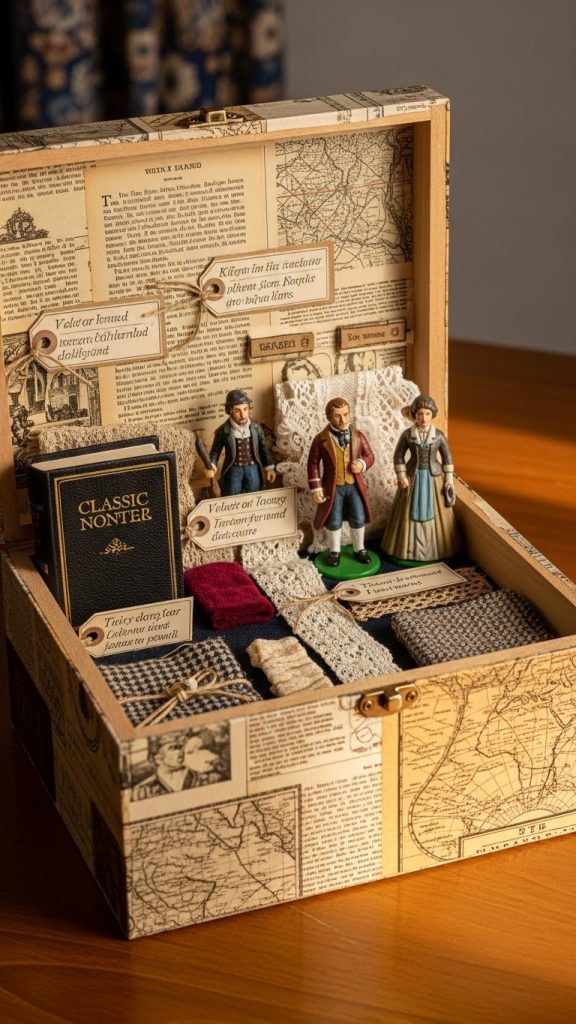
A Classic Novel Book in a Box focuses on well-known literature such as Pride and Prejudice, To Kill a Mockingbird, or Oliver Twist. The goal is to show the main themes, characters, and time period of the story. Start by choosing a strong box, preferably cardboard or wood, as classic novels often have a serious tone. Cover the box with plain paper, vintage print, or muted colors to match the era of the book.
Inside the box, place items that represent major characters. For example, a small book may represent education, a toy figure can stand for a main character, and a piece of fabric can reflect the clothing style of the time. Include objects that show key themes such as justice, love, or social class.
Preparation involves reading the book carefully and selecting five to seven important elements. Materials usually include a box, glue, printed labels, small objects, and decorative paper. This type of Book in a Box is commonly used in middle and high school classrooms to show deep understanding of classic literature.
2. Fantasy Story Book in a Box
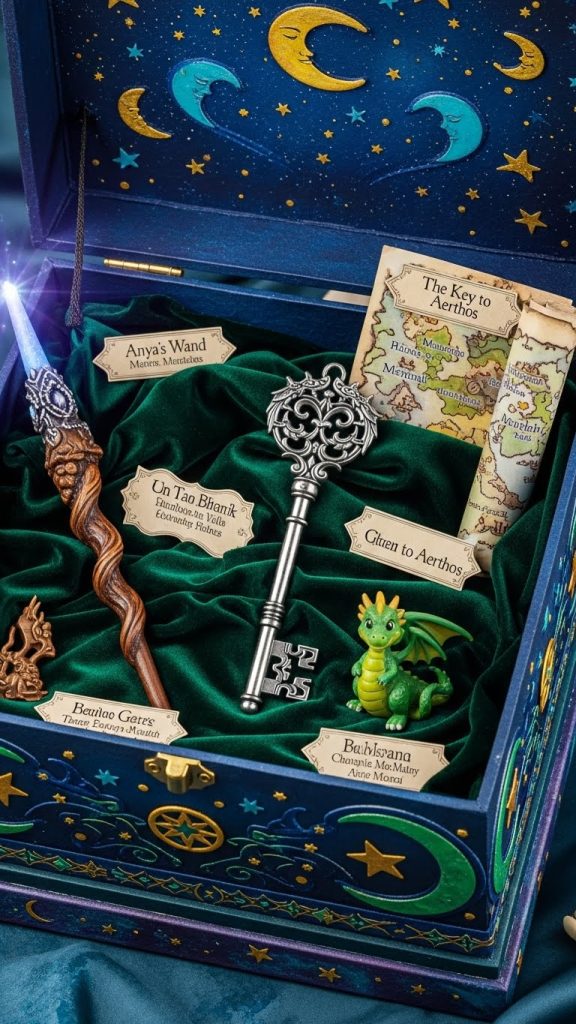
A Fantasy Book in a Box brings imaginary worlds to life. Books like Harry Potter, The Hobbit, or Percy Jackson work very well for this idea. Use a box that can be painted or covered with colorful paper to reflect magic and adventure. Dark blues, greens, and gold tones are popular choices.
Inside the box, add objects that represent magical items, creatures, and settings. A small wand, stone, key, or map can symbolize important parts of the story. Use printed pictures or handmade props to show castles, forests, or mythical creatures.

Preparation includes listing magical elements from the book and deciding how to represent them physically. Materials may include craft paper, clay, toy items, paint, and markers. This Book in a Box is ideal for encouraging imagination and creativity while still focusing on story structure and themes. It is especially engaging for younger readers and visual learners.
3. Mystery or Detective Book in a Box
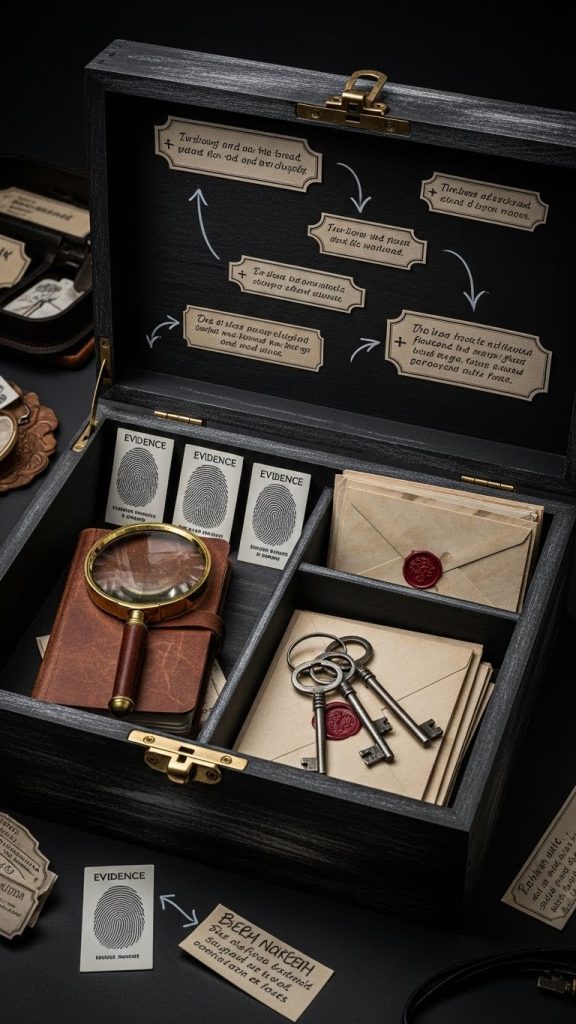
A Mystery Book in a Box focuses on clues, suspense, and problem solving. Books such as Sherlock Holmes stories or modern detective novels are perfect for this idea. Choose a dark-colored box like black, brown, or gray to create a mysterious look.
Inside the box, place items that act as clues. These may include a magnifying glass, fake fingerprints, a small notebook, keys, or envelopes. Each object should connect to an important event or clue in the story. You can also add short notes explaining how each item relates to the mystery.
Preparation requires identifying the main mystery, key suspects, and clues from the book. Materials usually include printed paper, small props, glue, and markers. This Book in a Box helps students explain plot development and logical thinking. It is very effective for showing how events connect throughout the story.

4. Biography Book in a Box
A Biography Book in a Box tells the life story of a real person. This could be a famous leader, scientist, artist, or athlete. Choose a clean and simple box design to keep the focus on facts rather than decoration.
Inside the box, include items that represent important moments in the person’s life. For example, a small book for education, a medal for achievements, or a map for travel. Photos, printed quotes, and timelines also work well.
Preparation involves researching the person’s life and selecting key events. Materials include a box, printed images, labels, and symbolic objects. This project is useful for history and language classes because it combines reading, research, and creativity. It also helps students summarize information in a clear and visual way.
5. Children’s Picture Book in a Box
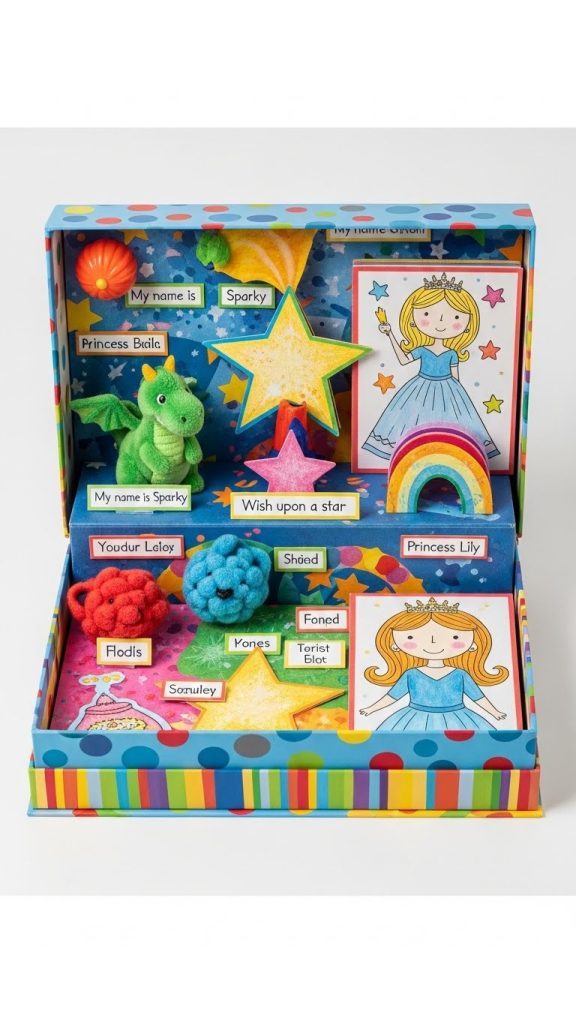
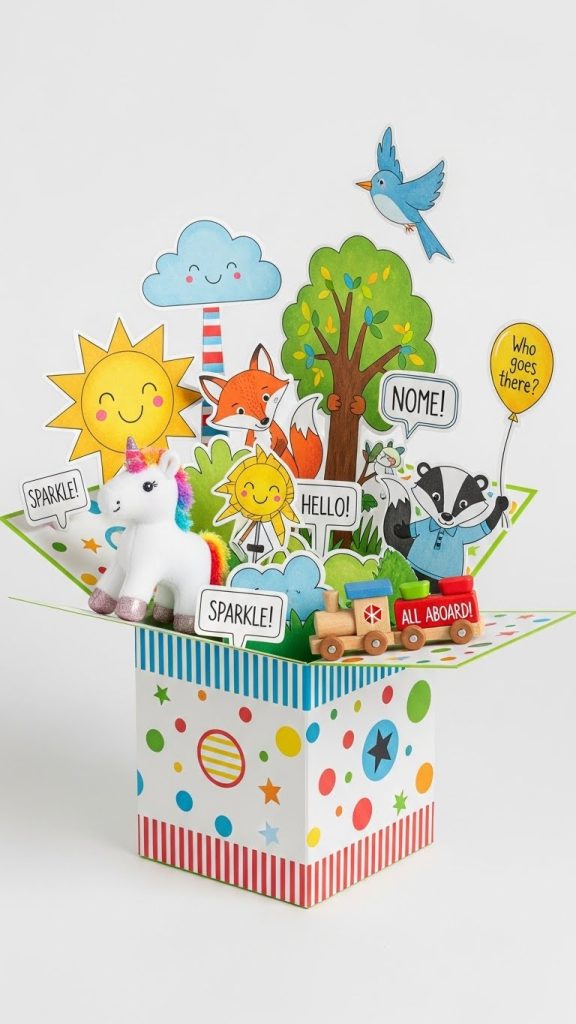
A Children’s Picture Book in a Box is colorful, simple, and playful. Books like The Very Hungry Caterpillar or Where the Wild Things Are are good examples. Use a bright box and cover it with colorful paper or drawings inspired by the book.

Inside the box, place toy figures, drawings, or cut-out shapes that represent characters and events. Keep the number of items small so the project stays clear and easy to understand. Labels should use short sentences and simple words.
Preparation includes rereading the book and choosing the most important scenes. Materials often include crayons, colored paper, glue, and small toys. This idea is perfect for early grade students and helps build confidence in storytelling and presentation skills.
6. Historical Fiction Book in a Box
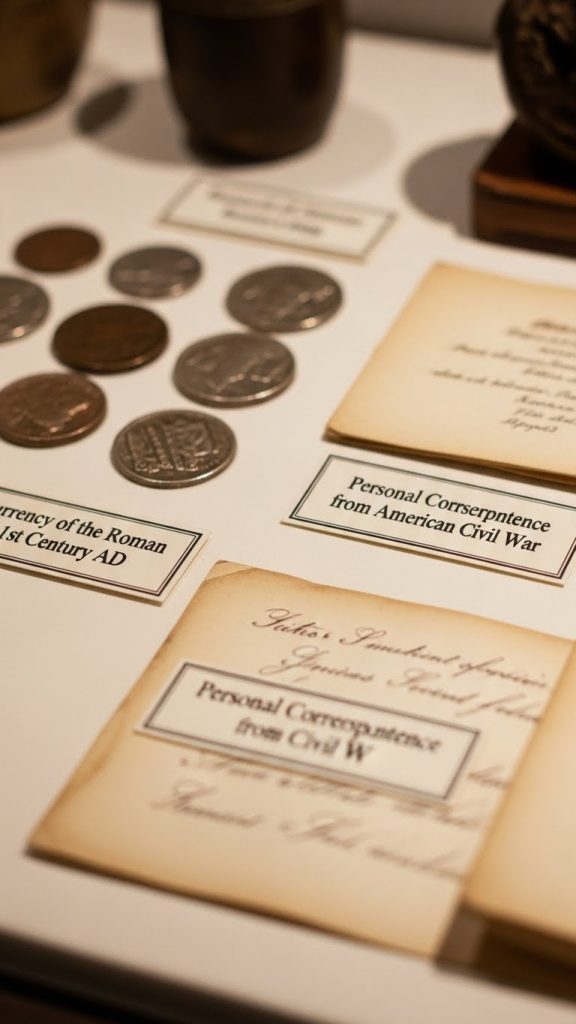
A Historical Fiction Book in a Box shows a story set in a real historical time. Examples include books set during wars, ancient civilizations, or important historical events. Choose a box style that matches the time period, using earth tones or aged paper effects.
Inside the box, include objects related to daily life during that time. These might be coins, tools, letters, or clothing materials. Each item should connect to the story’s setting or characters.

Preparation involves learning about the historical background of the book. Materials may include printed images, craft supplies, and labels. This project helps students understand how history influences stories and characters. It works well for combining literature and social studies lessons.
7. Poetry Book in a Box
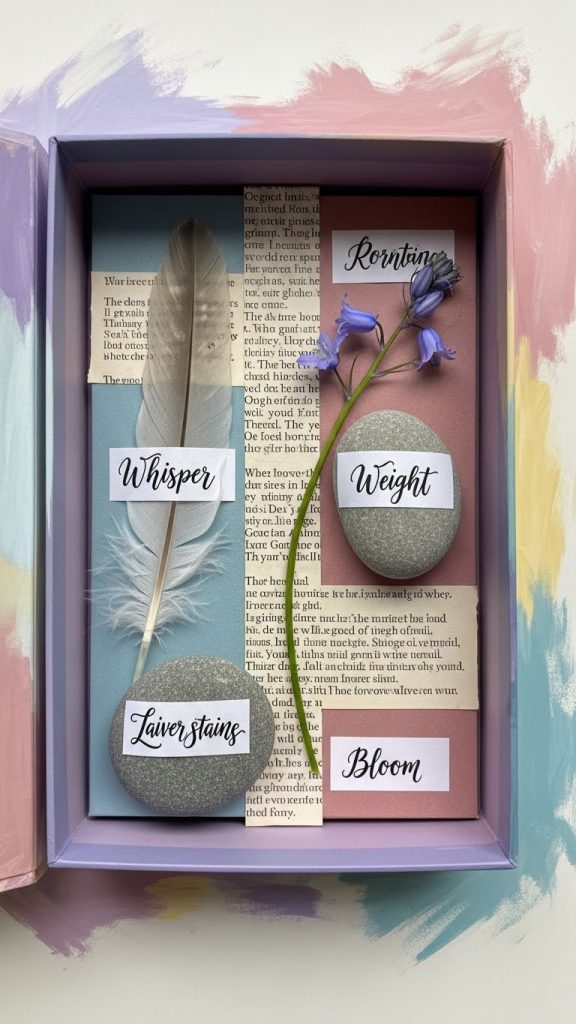
A Poetry Book in a Box represents emotions, themes, and imagery rather than a storyline. Choose a box size that fits symbolic items and decorate it in a soft or expressive style.
Inside the box, place objects that represent feelings, ideas, or images from the poems. For example, a feather may represent freedom, while a stone may represent strength. Include printed lines or short explanations for each object.
Preparation includes reading the poems carefully and identifying repeated themes or symbols. Materials include simple objects, paper, and glue. This Book in a Box helps students interpret poetry and express abstract ideas in a physical form.
8. Adventure Story Book in a Box
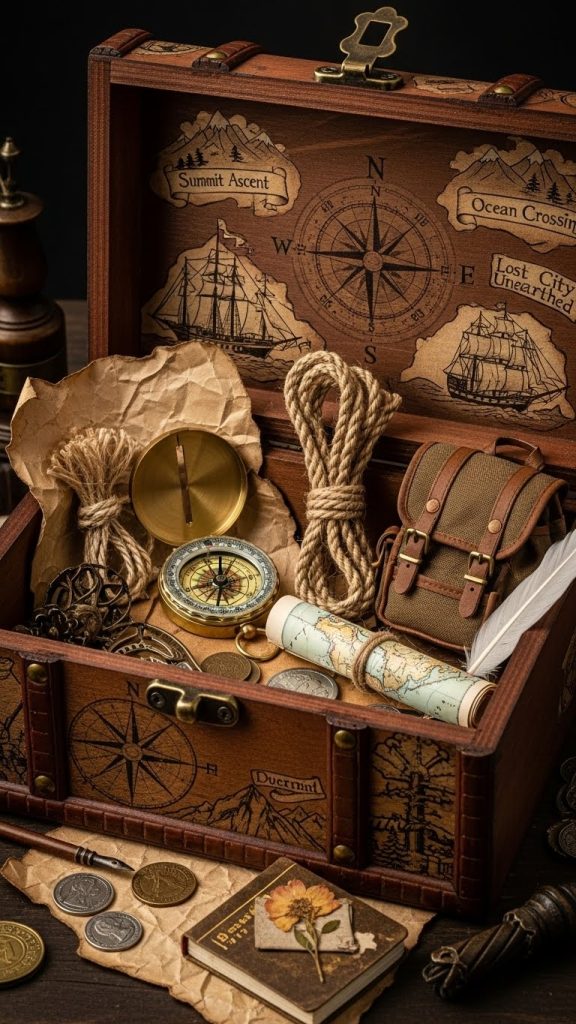
An Adventure Book in a Box focuses on journeys, challenges, and discovery. Books like Treasure Island or survival stories work well. Use a sturdy box and decorate it with maps, arrows, or travel symbols.
Inside the box, place items like a compass, rope, map, or small backpack. Each object should represent a challenge or important moment in the story.
Preparation requires identifying major adventures and turning points. Materials include craft supplies, printed maps, and labels. This project helps students explain plot progression and character growth in an exciting and engaging way.
9. Science Fiction Book in a Box
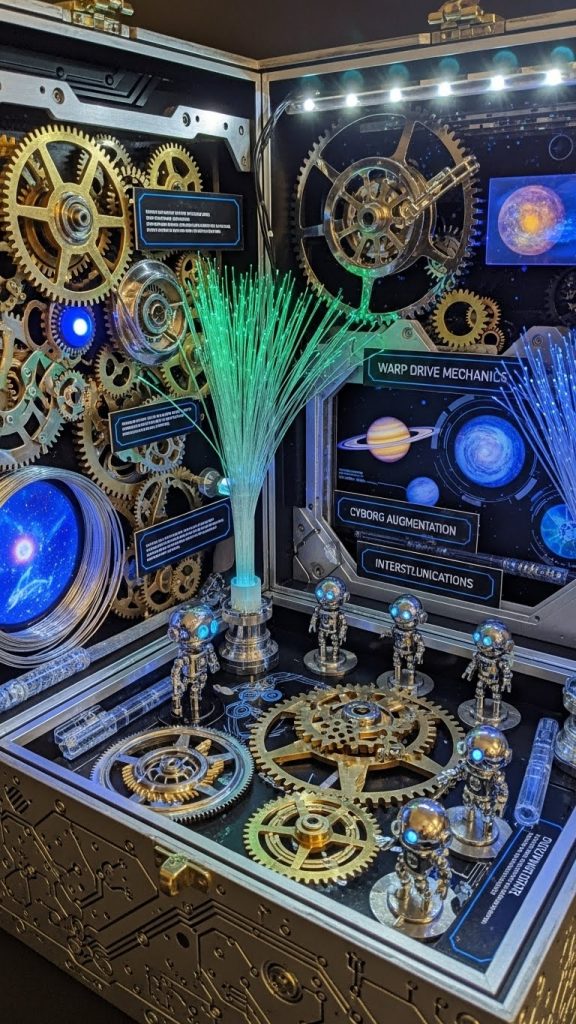
A Science Fiction Book in a Box highlights futuristic ideas, technology, and imagination. Choose a box that can be decorated with metallic colors or space designs.
Inside the box, include objects that represent technology, space travel, or future societies. These may include gears, wires, printed planets, or symbols of advanced machines.
Preparation involves identifying the science-based ideas in the story. Materials include craft paper, foil, printed images, and labels. This project helps students explore how science and imagination combine in storytelling.
10. Personal Choice Book in a Box
A Personal Choice Book in a Box allows students to choose any book they enjoy. This idea encourages interest and motivation. The box design should reflect the book’s genre and mood.
Inside the box, include items that personally stand out to the reader. Add explanations to show why each item is meaningful.

Preparation involves thoughtful selection rather than decoration alone. Materials depend on the chosen book. This type of Book in a Box is ideal for independent reading projects and allows creativity while still focusing on understanding the text.