
January is a special month for seniors. The weather is cooler, the days are calmer, and it is a good time to slow down, reflect, and focus on personal well-being. After the busy holiday season, many older adults look for meaningful ways to stay active without feeling rushed or overwhelmed. The right activities in January can improve physical health, mental clarity, and emotional happiness. They can also reduce loneliness, encourage routine, and bring a sense of purpose during the winter months.
For seniors, activities should be safe, comfortable, and enjoyable. They should match energy levels and physical abilities while still offering gentle movement and mental stimulation. January is an ideal time for indoor hobbies, light outdoor activities, social connections, and creative projects. Preparation is important, as having the right materials and a clear plan makes participation easier and more enjoyable.
This blog post shares ten carefully chosen January activities for seniors. Each activity includes preparation tips, materials needed, and practical advice to make the experience rewarding. These activities can be done at home, in community centers, or in assisted living spaces. Whether a senior lives alone or with family, these ideas help create a warm, active, and positive start to the new year.
1. Gentle Indoor Exercise and Stretching
Gentle indoor exercise is one of the best January activities for seniors. Cold weather often limits outdoor movement, so light exercise inside helps maintain flexibility, balance, and muscle strength. Simple stretching, chair yoga, or low-impact aerobics can reduce joint stiffness and improve circulation. Regular movement also supports heart health and reduces the risk of falls.

Preparation is simple. Choose a quiet, warm space with enough room to move safely. Wear comfortable clothing and supportive shoes or non-slip socks. A sturdy chair, yoga mat, or towel can be used for balance and support. Seniors should keep water nearby and exercise at a slow, steady pace.
Materials may include resistance bands, light hand weights, or a printed exercise guide. Many seniors also enjoy following gentle exercise videos designed for older adults. These videos provide clear instructions and help maintain proper form.
This activity is not about pushing limits. It is about staying active in a safe and enjoyable way. Even 15 to 30 minutes a day can improve energy levels and mood. Over time, gentle exercise builds confidence and helps seniors feel stronger and more independent throughout the winter months.
2. Winter Craft Projects and Hand Activities
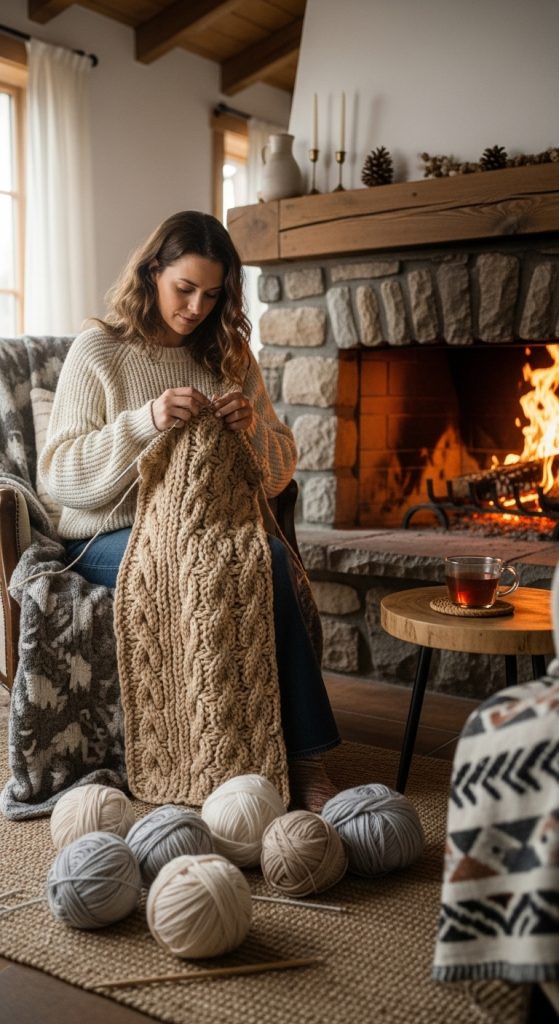
January is a perfect time for creative indoor crafts. Craft activities keep hands active and minds engaged while offering a sense of achievement. Seniors can enjoy knitting, crocheting, painting, coloring, paper crafts, or simple woodworking projects. These activities improve hand coordination and can reduce stress and anxiety.

Preparation starts with selecting a project that matches skill level. The workspace should be well-lit and comfortable, with a table and supportive chair. Organize materials in advance so everything is easy to reach. This prevents frustration and keeps the focus on creativity.
Materials depend on the chosen craft. Common items include yarn, needles, paint, brushes, paper, scissors, glue, or coloring books designed for adults. Using larger tools or thick handles can help seniors with arthritis or limited grip strength.
Crafting can be done alone for quiet relaxation or in groups for social interaction. Finished items such as scarves, cards, or decorations can be gifted to family and friends, adding emotional value. Craft projects give seniors a productive and enjoyable way to spend long January afternoons indoors.

3. Reading and Book Discussion Time
Reading is a calming and mentally stimulating January activity for seniors. It supports memory, concentration, and imagination while offering relaxation during cold winter days. Seniors can read novels, short stories, poetry, biographies, or newspapers depending on personal interest.

Preparation includes choosing reading material with clear print and comfortable lighting. A quiet reading corner with a cozy chair and blanket creates a welcoming environment. For seniors with vision challenges, audiobooks are an excellent option.
Materials may include physical books, magazines, e-readers with adjustable font size, or audio devices. Libraries often provide free access to large-print books and audiobooks, making this activity affordable.
Book discussions add a social element. Seniors can join local book clubs or host small group discussions at home or in community centers. Sharing thoughts and opinions keeps the mind active and builds connections with others.
Reading in January encourages learning and reflection. It allows seniors to explore new ideas, revisit memories, and enjoy peaceful moments. This activity is especially valuable for mental health and emotional well-being during quieter winter months.


4. Cooking Warm and Healthy Winter Meals
Cooking is both a practical and enjoyable activity for seniors in January. Preparing warm, nutritious meals helps maintain good health while providing comfort during cold weather. Cooking also stimulates memory, creativity, and a sense of independence.
Preparation begins with planning simple recipes. Seniors should choose meals that are easy to prepare and do not require long standing periods. Kitchens should be organized to reduce bending or reaching. Safety is important, so non-slip mats and clear counters are helpful.
Materials include basic kitchen tools, fresh ingredients, and easy-to-follow recipes. Slow cookers are especially useful, as they reduce effort and allow meals to cook safely over time.
Cooking can be a solo activity or a shared experience with family, friends, or caregivers. Preparing soups, stews, or baked dishes fills the home with comforting aromas and creates a sense of accomplishment.

In January, cooking warm meals supports physical health and emotional comfort. It helps seniors stay nourished, engaged, and connected to daily routines that bring satisfaction and joy.

5. Memory Journaling and Life Story Writing
January is an ideal time for reflection, making memory journaling a meaningful activity for seniors. Writing about life experiences helps preserve personal history while improving cognitive function. It also provides emotional release and self-expression.
Preparation involves choosing a quiet space and setting aside regular writing time. Seniors can write by hand or use a computer if preferred. The goal is comfort and ease, not perfection.
Materials include notebooks, pens, photographs, or memory prompts. Some seniors enjoy guided journals with questions that spark memories. Family members can help by providing old photos or asking gentle questions.

Memory journaling does not require long writing sessions. Even short entries can be powerful. Seniors can write about childhood, work life, family traditions, or special moments.
This activity brings a sense of purpose and pride. It allows seniors to reflect on achievements and lessons learned. In January, memory writing offers a peaceful way to honor the past while starting the new year with clarity and gratitude.

6. Indoor Gardening and Plant Care
Indoor gardening is a refreshing January activity for seniors who enjoy nature. Caring for houseplants brings life and color indoors during winter. It also promotes relaxation and a sense of responsibility.
Preparation includes selecting easy-to-care plants such as herbs, succulents, or flowering plants. The gardening area should have good natural light and be easy to access without bending too much.
Materials include pots, soil, watering cans, gloves, and plant labels. Lightweight tools are best for seniors with limited strength. A small table or raised stand makes plant care more comfortable.
Indoor gardening can include planting seeds, watering, trimming leaves, or simply observing growth. Herbs grown indoors can also be used in cooking, adding practical value.
This activity supports mental health by reducing stress and creating a connection with nature. In January, indoor gardening offers hope and freshness, reminding seniors that growth continues even during colder seasons.

7. Puzzles and Brain Games
Brain games are excellent January activities for seniors. They keep the mind sharp and help maintain memory and problem-solving skills. Puzzles also provide entertainment during long indoor hours.
Preparation involves choosing games that match cognitive ability. The space should be quiet and well-lit. Seniors should not feel rushed or pressured to finish quickly.
Materials include crossword puzzles, jigsaw puzzles, Sudoku, word searches, card games, or board games. Larger print puzzles are helpful for better visibility.
Puzzles can be done alone or with others. Group games encourage laughter and conversation, making the activity more enjoyable. Caregivers and family members can join to create shared experiences.
Regular brain games improve focus and confidence. In January, they help seniors stay mentally active while enjoying a relaxing and rewarding pastime.


8. Light Outdoor Walks and Fresh Air Time
When weather allows, light outdoor walks are beneficial January activities for seniors. Fresh air improves mood, circulation, and overall health. Even short walks can make a difference.
Preparation includes checking the weather and choosing safe walking times. Seniors should dress warmly with comfortable shoes that have good grip. Walking paths should be clear of ice or obstacles.
Materials may include walking sticks, gloves, scarves, and water bottles. A companion is helpful for safety and conversation.
Outdoor walks can be done in gardens, parks, or quiet neighborhoods. The goal is gentle movement, not distance. Seniors can stop and rest as needed.

Spending time outdoors in January helps reduce feelings of isolation. It brings a change of scenery and supports physical and emotional well-being in a natural way.

9. Music Listening and Singing Sessions
Music is a powerful activity for seniors, especially in January. It lifts mood, reduces stress, and can trigger positive memories. Listening to familiar songs or singing along brings comfort and joy.
Preparation includes setting up a comfortable seating area and choosing preferred music. Seniors may enjoy classical music, old favorites, religious songs, or instrumental pieces.
Materials include a music player, speakers, headphones, or printed lyrics. Simple instruments like tambourines or shakers can add fun.

Music sessions can be individual or group activities. Singing together encourages social interaction and deep breathing, which supports lung health.
In January, music provides warmth and emotional connection. It helps seniors feel relaxed and engaged, making long winter days more enjoyable.

10. Social Tea Time and Conversation Circles
Social interaction is essential for seniors, and January tea time gatherings offer warmth and connection. Sharing tea and conversation reduces loneliness and builds emotional support.
Preparation includes arranging a comfortable seating area and planning simple refreshments. Tea, warm drinks, and light snacks are ideal. The environment should be calm and welcoming.

Materials include cups, a kettle, snacks, and conversation topics. Photos, newspapers, or memory cards can help start discussions.
Conversation circles can be held at home, in community centers, or assisted living spaces. The focus is relaxed conversation, not structured discussion.
This activity strengthens relationships and encourages communication. In January, social tea time creates a sense of belonging and emotional comfort, helping seniors start the year feeling connected and valued.