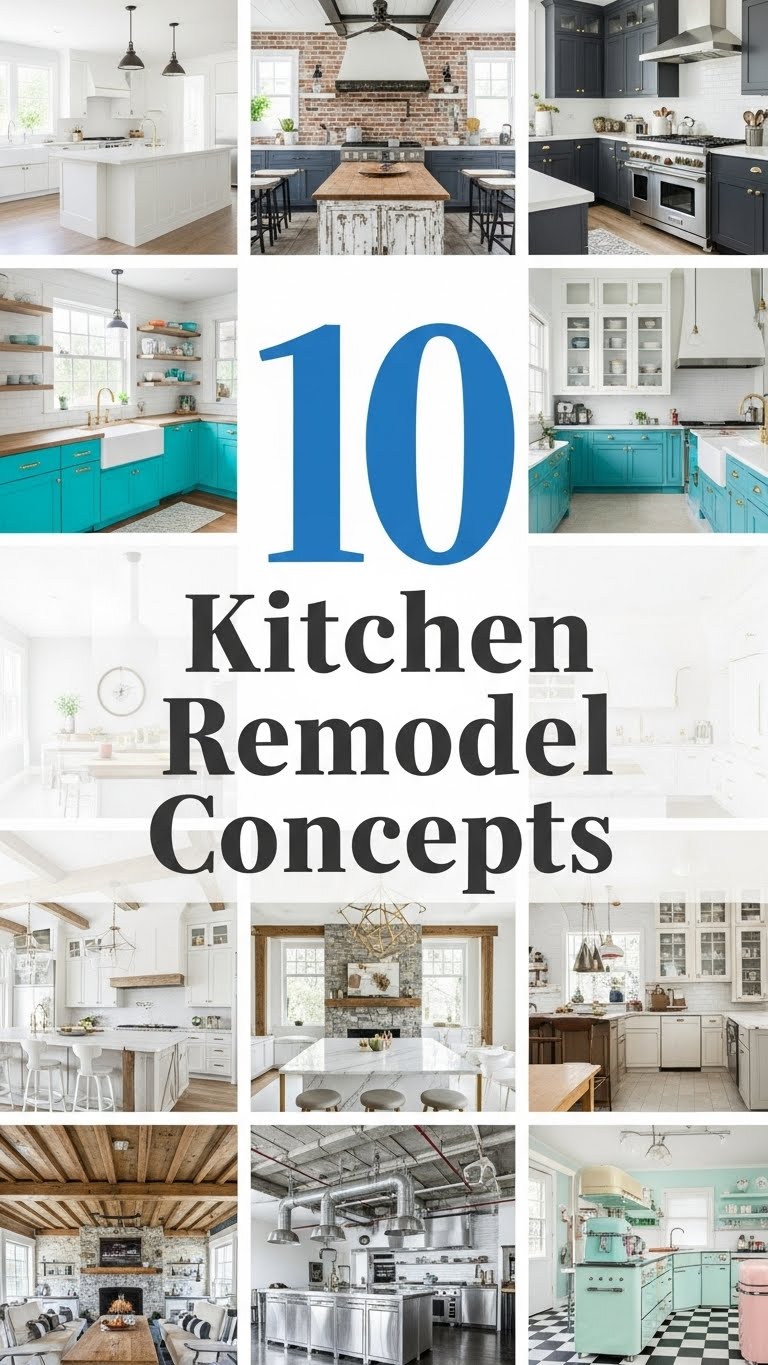
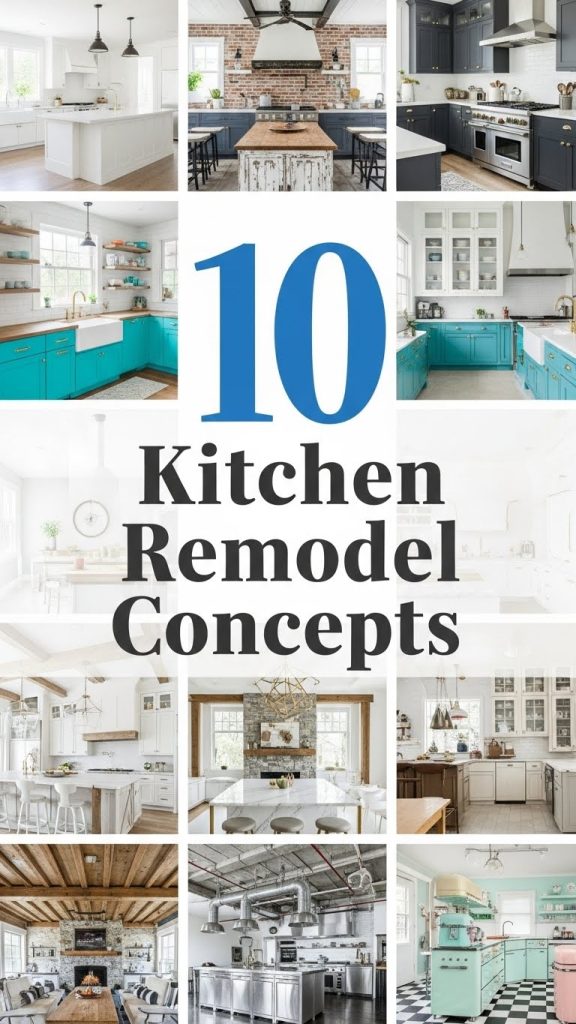
Remodeling a kitchen can completely transform the heart of your home. A modern, functional, and aesthetically pleasing kitchen not only enhances the cooking experience but also increases the overall value of your property. Below are ten kitchen remodel concepts, each carefully detailed to guide you through preparation, materials, and design considerations.
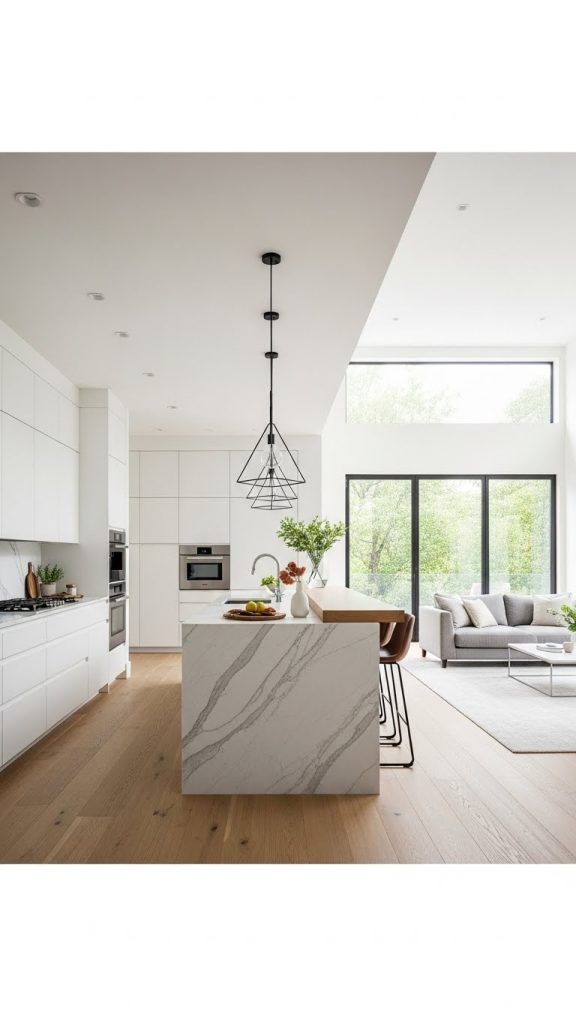
1. Open-Concept Kitchen
An open-concept kitchen removes walls or barriers between the kitchen and living spaces, creating a more spacious and connected environment. This concept encourages social interaction while cooking and allows natural light to flow throughout the house. Before beginning, carefully assess structural walls, and consult a professional if any load-bearing walls need modification.
Preparation: Clear the area and plan for removal of walls, beams, or partitions. Ensure that plumbing, gas, and electrical lines are considered during the redesign.
Materials: Drywall, beams for support, flooring materials that match adjoining rooms, and finishes that unify the space.

Use: This remodel works best for families or individuals who enjoy entertaining, allowing cooks to interact with guests or children while preparing meals. The design also facilitates easy movement and improved ventilation, reducing the accumulation of cooking odors in enclosed areas.
Other considerations: Consider kitchen islands to serve as a functional boundary while maintaining an open feel. Lighting and furniture placement should complement the continuity of the space.
2. Modern Minimalist Kitchen
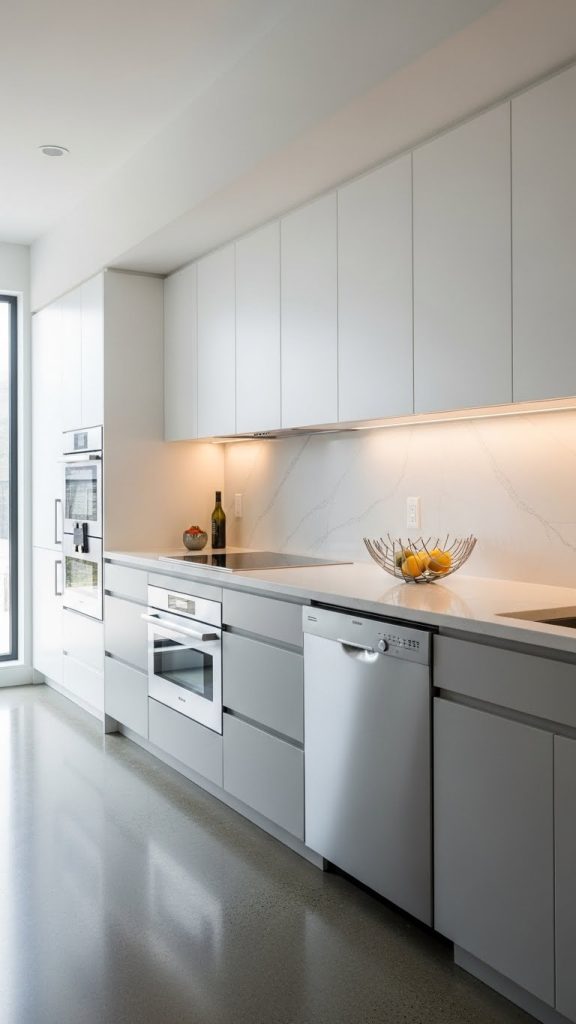
A modern minimalist kitchen emphasizes clean lines, sleek finishes, and uncluttered spaces. The focus is on functionality without unnecessary decorations, creating a serene and visually appealing environment.
Preparation: Remove outdated cabinets, appliances, and accessories. Measure all dimensions accurately to ensure precise installation of modern cabinetry and appliances. Consider storage solutions that reduce visible clutter.

Materials: Matte or glossy cabinetry finishes, quartz or granite countertops, stainless steel appliances, and LED lighting. Hidden handles or push-to-open cabinet systems are common in this design.
Use: Ideal for individuals who prefer an organized, efficient kitchen with high functionality. Minimalist kitchens are easy to clean and maintain while emphasizing the beauty of materials and geometry.
Other considerations: Focus on integrating technology, such as smart appliances and motion-sensor lighting. Choose a neutral color palette with subtle accents to enhance the minimalist aesthetic.
3. Farmhouse Style Kitchen
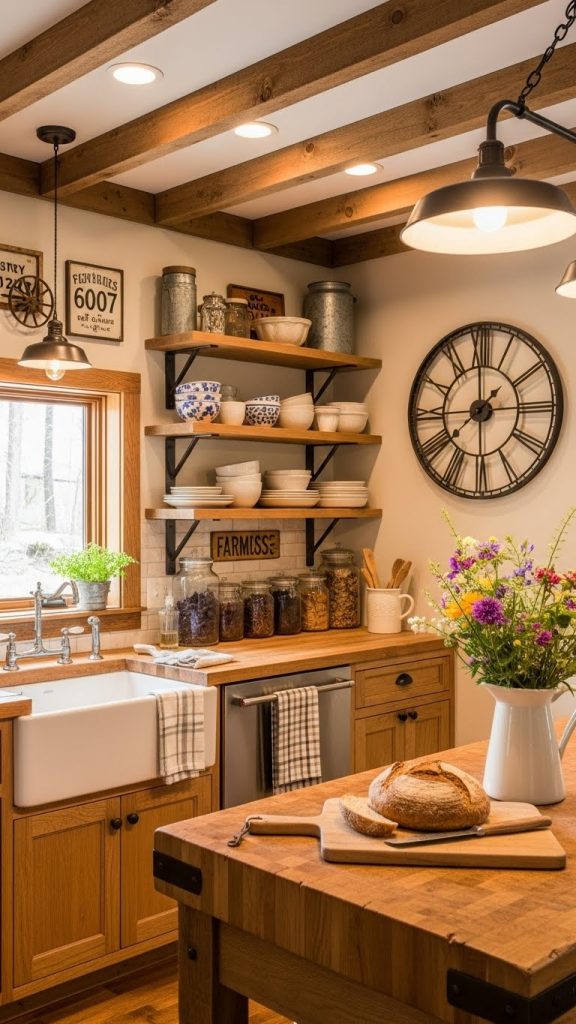
The farmhouse kitchen is warm, welcoming, and rustic, combining vintage elements with modern functionality. It often features natural wood, exposed beams, and apron-front sinks.

Preparation: Evaluate existing kitchen structures and decide which elements to retain or replace. Prepare for installation of wooden cabinets, farmhouse sinks, and large countertops suitable for meal preparation.
Materials: Wood cabinets, butcher block or stone countertops, farmhouse sinks, open shelving, and vintage-inspired lighting fixtures.
Use: Perfect for homeowners who value a cozy, country-inspired kitchen. This style encourages family gatherings and provides ample workspace for cooking large meals. The layout often includes a large island or dining table at the center.
Other considerations: Pay attention to maintaining a balance between rustic charm and modern convenience. Integrate modern appliances without compromising the overall aesthetic, and choose durable finishes to withstand daily use.

4. Industrial Kitchen Remodel
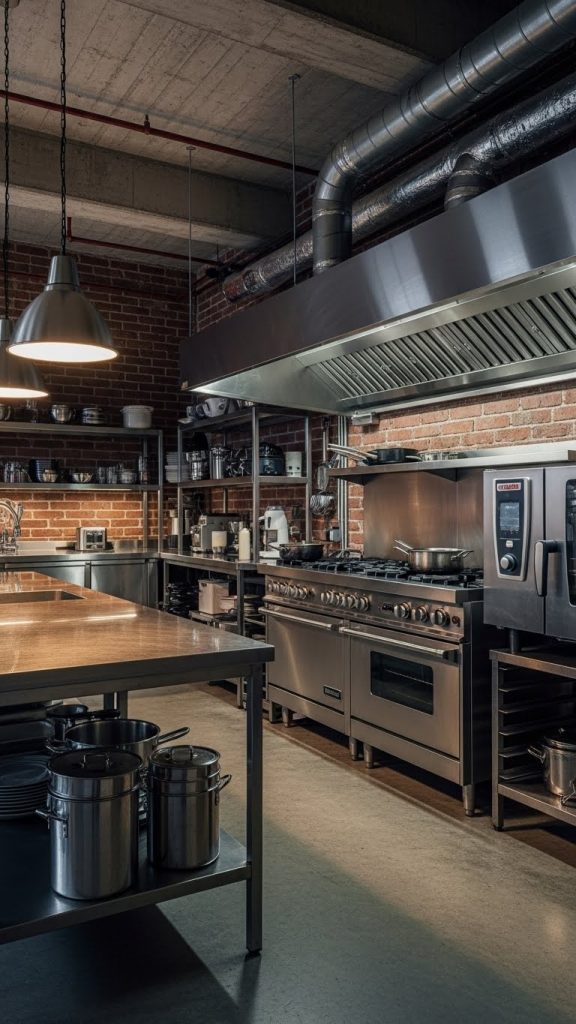
Industrial kitchens incorporate raw materials such as exposed brick, metal, and concrete to create a bold, urban look. This concept is inspired by loft spaces and combines functionality with a contemporary, edgy style.
Preparation: Inspect structural elements to retain or expose original features like brick walls or ductwork. Ensure all plumbing and electrical systems are updated to accommodate modern appliances.
Materials: Stainless steel countertops and appliances, concrete or stone flooring, metal shelving, exposed pipes, and industrial-style lighting.
Use: Suitable for homeowners who enjoy modern aesthetics with a utilitarian edge. Industrial kitchens are durable, easy to maintain, and often incorporate open shelving for quick access to kitchen essentials.

Other considerations: Balance the raw materials with warmer elements like wood accents or textiles to prevent the space from feeling cold. Ensure proper ventilation, especially if incorporating a large range or oven.
5. Smart Kitchen Remodel
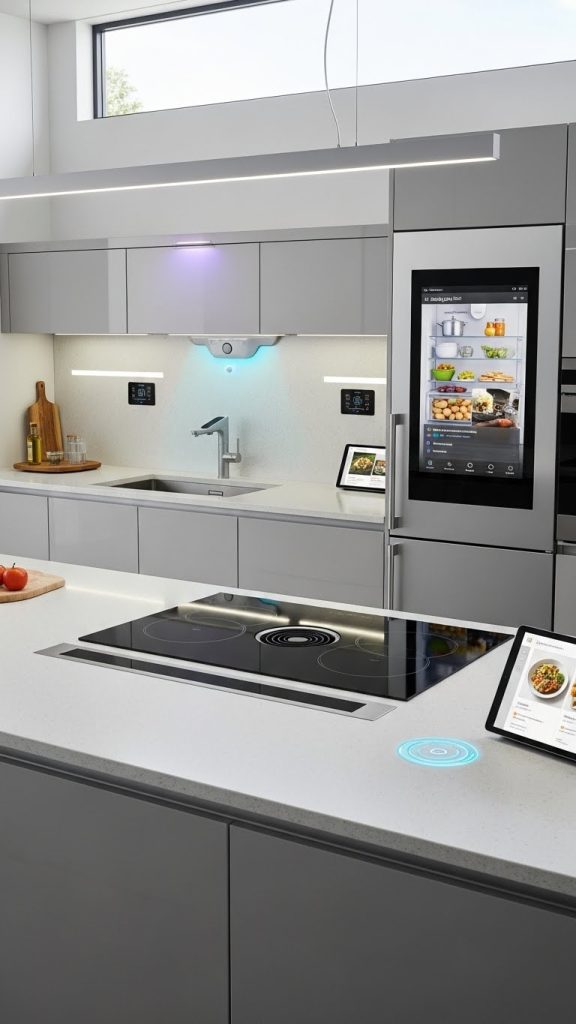
A smart kitchen integrates technology to improve convenience, efficiency, and energy management. This concept includes smart appliances, lighting, and control systems that can be managed through smartphones or voice assistants.
Preparation: Upgrade electrical wiring and internet connectivity to handle smart devices. Identify areas where automated features can enhance functionality, such as temperature-controlled refrigerators or smart ovens.
Materials: Smart refrigerators, ovens, dishwashers, motion-sensor lighting, automated faucets, and energy-efficient fixtures.
Use: Ideal for tech-savvy homeowners who want to streamline cooking, reduce energy consumption, and improve convenience. Smart kitchens can automate tasks such as preheating ovens, monitoring inventory, or adjusting lighting and temperature.
Other considerations: Ensure the integration of technology is user-friendly. Choose appliances from trusted brands with reliable support. Prioritize cybersecurity to protect connected devices from potential vulnerabilities.
6. Small Kitchen Remodel
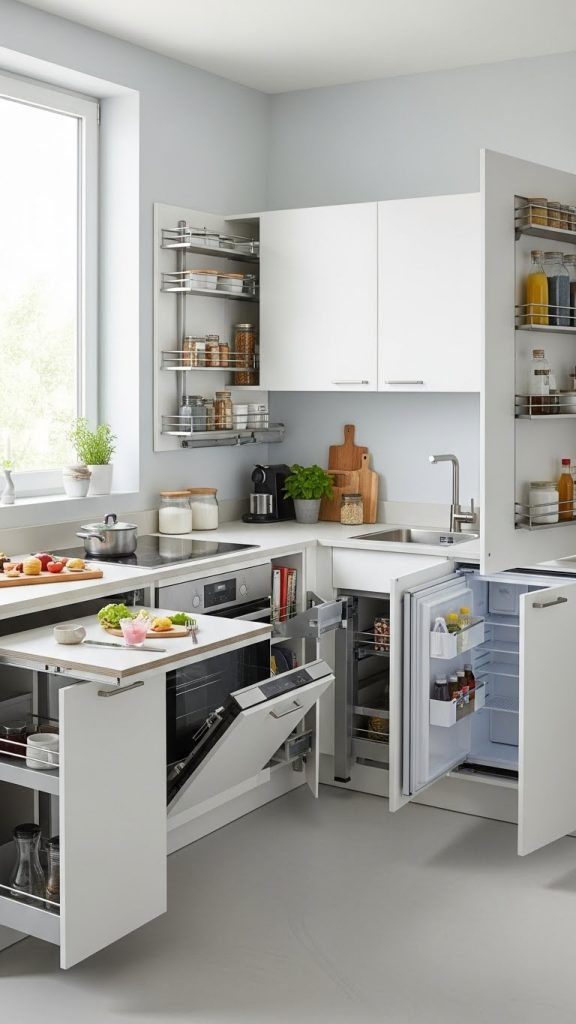
Small kitchens require clever layouts to maximize functionality without compromising style. This remodel focuses on efficient use of space, multi-functional furniture, and storage solutions.
Preparation: Measure all available space accurately and create a layout that optimizes flow. Remove bulky or outdated elements to make room for new, space-saving designs.

Materials: Slimline cabinetry, foldable or extendable countertops, under-cabinet storage, compact appliances, and light-colored finishes to enhance the sense of space.
Use: Perfect for apartments or homes with limited square footage. This remodel emphasizes vertical storage, clever organization, and multi-purpose furniture to ensure maximum usability.
Other considerations: Lighting is crucial in small kitchens to prevent a cramped feel. Consider mirrored backsplashes or glass doors on cabinets to add depth. Prioritize high-quality materials that offer durability in tight spaces.
7. Luxury Kitchen Remodel
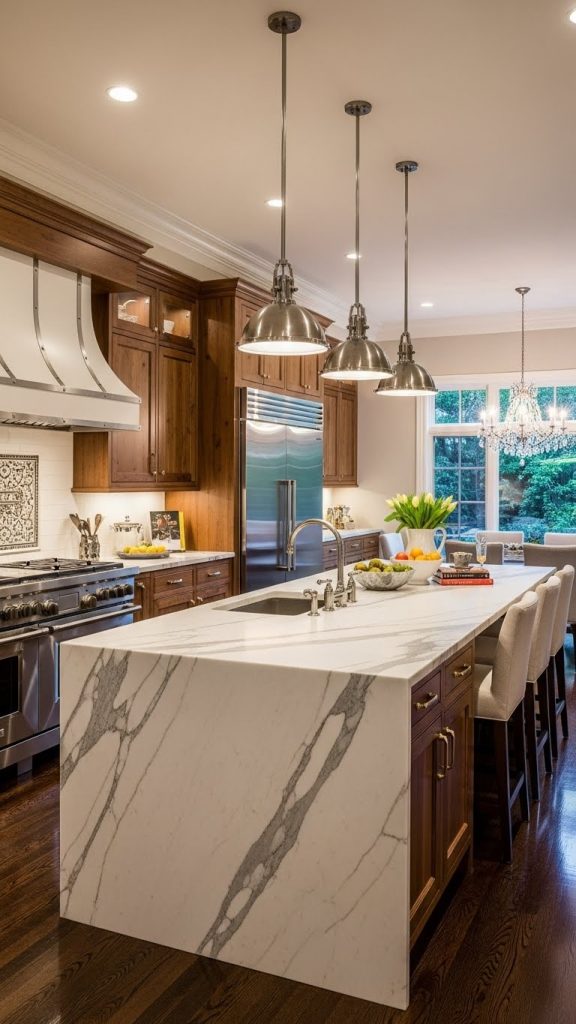
A luxury kitchen combines high-end finishes, designer appliances, and sophisticated design elements. This concept prioritizes aesthetics, comfort, and premium materials to create an elegant and functional space.

Preparation: Plan extensively, including budget allocation for premium appliances and materials. Ensure structural integrity can support heavy countertops, islands, or custom cabinetry.
Materials: Marble or granite countertops, designer cabinetry, professional-grade appliances, chandeliers or pendant lighting, and premium flooring options like hardwood or polished stone.
Use: Ideal for homeowners seeking a statement kitchen with superior comfort and functionality. Luxury kitchens often include large islands, wine storage, and custom-designed cabinetry for organized storage.
Other considerations: Incorporate professional-grade appliances that blend seamlessly into the design. Focus on ergonomics and lighting to create a practical yet lavish environment. Ensure maintenance plans for high-end materials are considered.

8. Eco-Friendly Kitchen Remodel
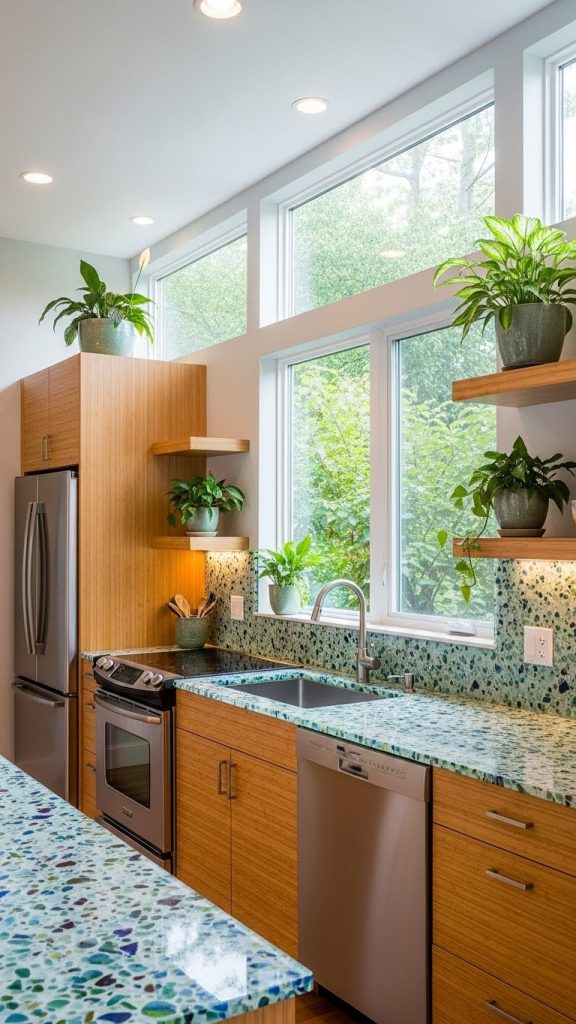
Eco-friendly kitchens focus on sustainability, energy efficiency, and the use of environmentally responsible materials. This remodel reduces waste and lowers utility costs while promoting a healthier living environment.
Preparation: Conduct an audit of current appliances, lighting, and materials to identify areas for improvement. Choose energy-efficient solutions and recyclable materials.
Materials: Bamboo or reclaimed wood cabinetry, low-VOC paints, energy-efficient appliances, LED lighting, and recycled or sustainable countertop materials like recycled glass or concrete.
Use: Ideal for environmentally conscious homeowners seeking a green kitchen. This remodel encourages sustainable cooking habits and minimizes the ecological footprint of the household.
Other considerations: Incorporate water-saving fixtures and composting solutions. Proper ventilation and natural lighting enhance energy efficiency and indoor air quality. Ensure all materials comply with sustainability standards.
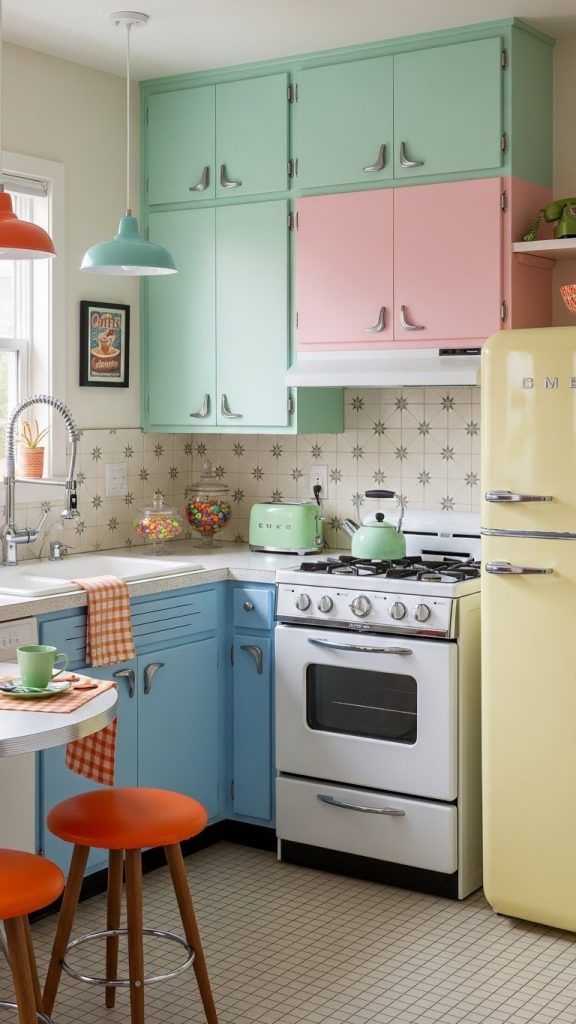
9. Retro Kitchen Remodel
Retro kitchens revive styles from past decades, including mid-century modern, 1950s diner-inspired, or vintage-themed designs. This remodel combines nostalgia with contemporary convenience.
Preparation: Identify which retro elements appeal to you and balance them with modern functionality. Remove outdated features while retaining architectural character where possible.
Materials: Colorful cabinetry, patterned tile backsplashes, chrome fixtures, vintage appliances or appliance facsimiles, and retro lighting.

Use: Perfect for homeowners who enjoy nostalgic designs and unique aesthetics. Retro kitchens often include bright colors, distinctive hardware, and playful design elements that create a lively cooking environment.
Other considerations: Modernize appliances for safety and efficiency while keeping the retro aesthetic. Choose durable materials to maintain long-term usability. Retro design can be subtle or bold, depending on personal preference.
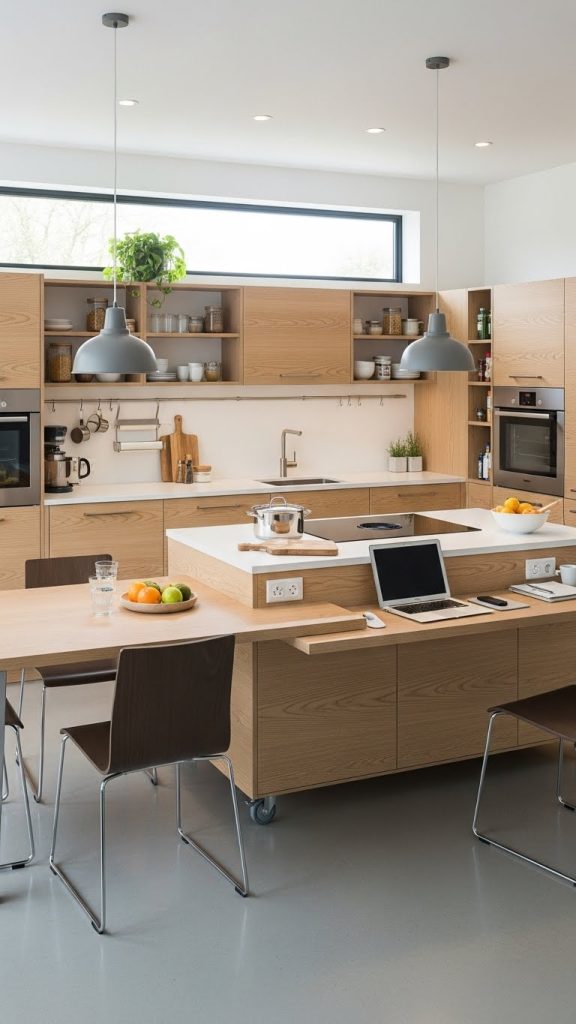
10. Multi-Functional Kitchen Remodel
Multi-functional kitchens combine cooking, dining, storage, and workspace in one flexible environment. This remodel adapts to modern lifestyles where kitchens serve multiple purposes beyond food preparation.
Preparation: Evaluate space and plan zones for cooking, dining, work, and storage. Remove obstacles and consider modular furniture for flexibility.

Materials: Expandable countertops, movable islands, integrated storage solutions, durable flooring, and compact appliances.
Use: Ideal for small families, shared living spaces, or home offices that require kitchen accessibility. Multi-functional kitchens can transition easily between cooking, dining, and working spaces.
Other considerations: Prioritize ergonomic design and seamless transitions between zones. Use consistent color schemes and finishes to unify different functions. Consider noise reduction measures if the space doubles as a workspace.