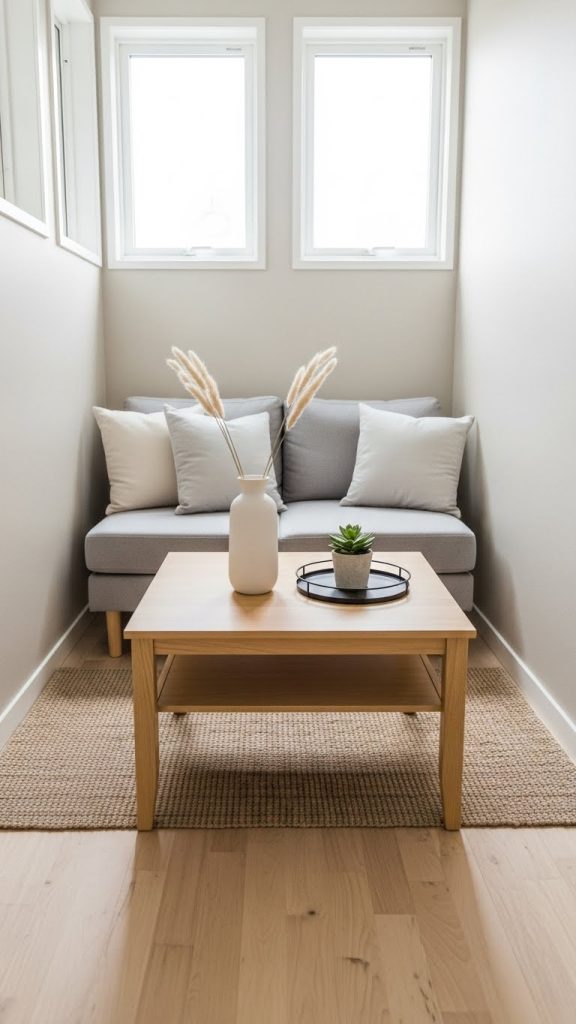
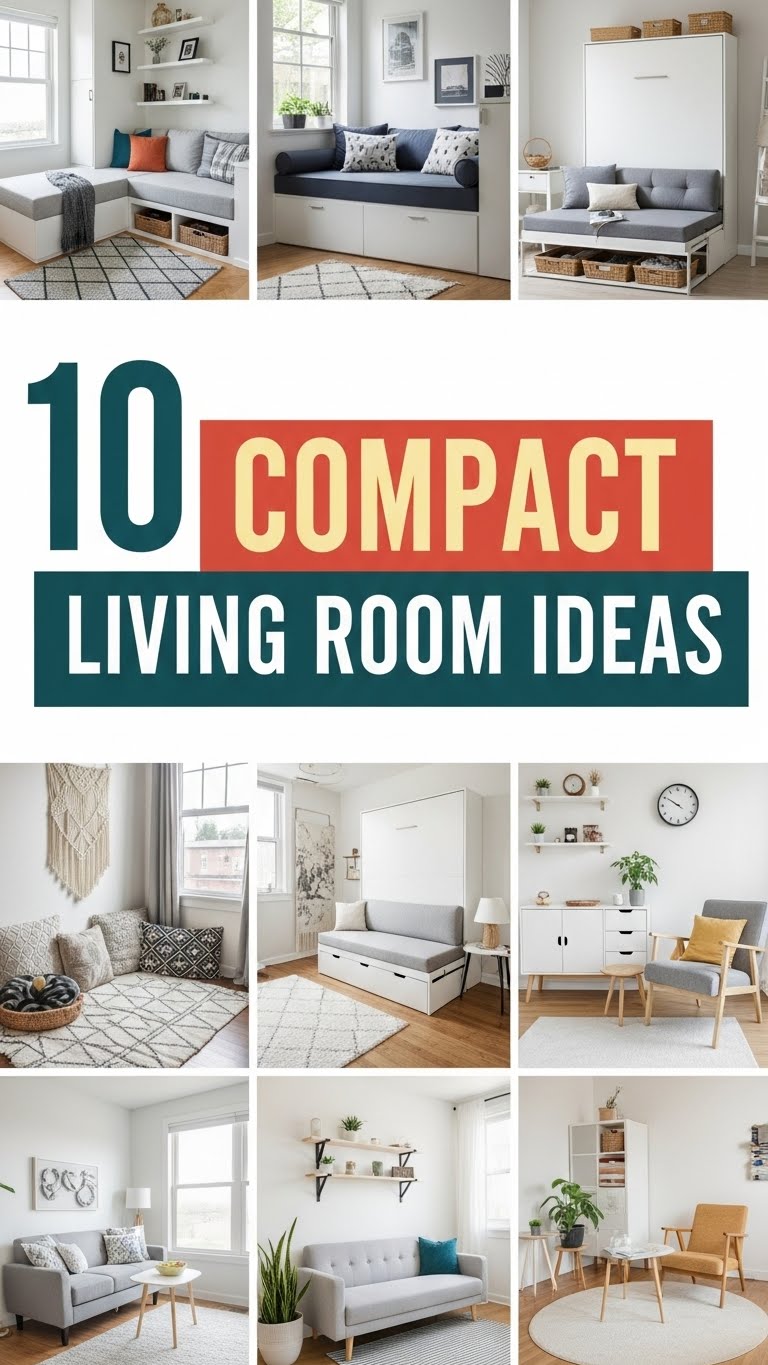
Designing a compact living room can be challenging, but with smart planning, multifunctional furniture, and clever decor choices, even the smallest space can feel open, comfortable, and stylish. Here are ten detailed ideas to maximize your compact living room without sacrificing comfort or aesthetics.
1. Utilize Multifunctional Furniture
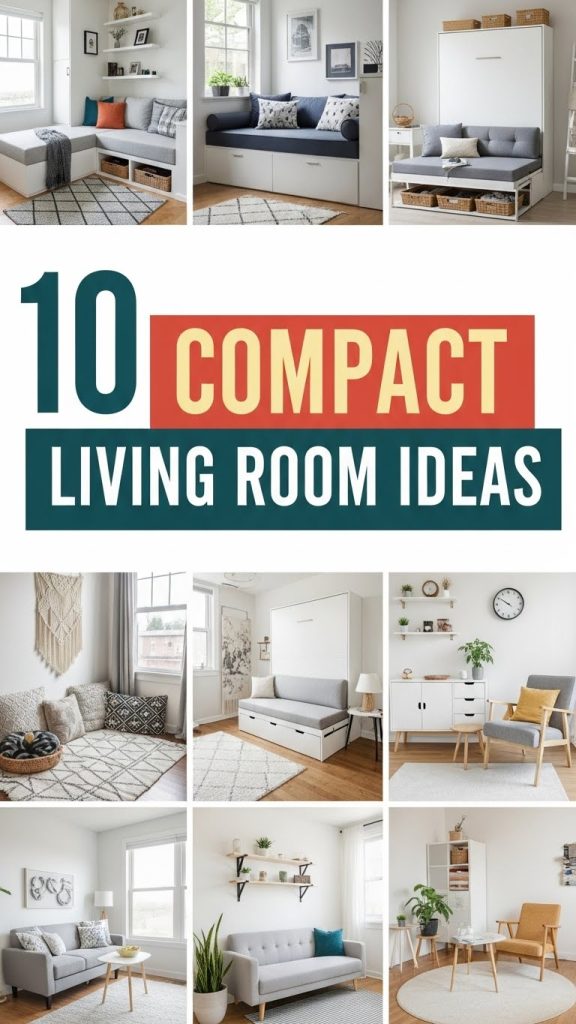
One of the most effective strategies for compact living rooms is choosing furniture that serves multiple purposes. Multifunctional pieces like sofa beds, storage ottomans, and foldable coffee tables reduce clutter while maximizing usability. For example, a sofa bed provides seating during the day and transforms into a sleeping area at night, ideal for small apartments or studio spaces. Storage ottomans can conceal blankets, books, or toys while acting as a seating option. Foldable or nesting tables provide surfaces when needed but can be tucked away to free up floor space.
Preparation: Measure your living room carefully to select furniture that fits comfortably without overcrowding. Make a floor plan to visualize placement.
Materials/Use: Look for durable, lightweight materials like engineered wood, metal frames, or modular upholstered units that are easy to move. Choose neutral tones for multifunctional pieces so they blend with your decor and do not visually overwhelm the space.

2. Optimize Vertical Space
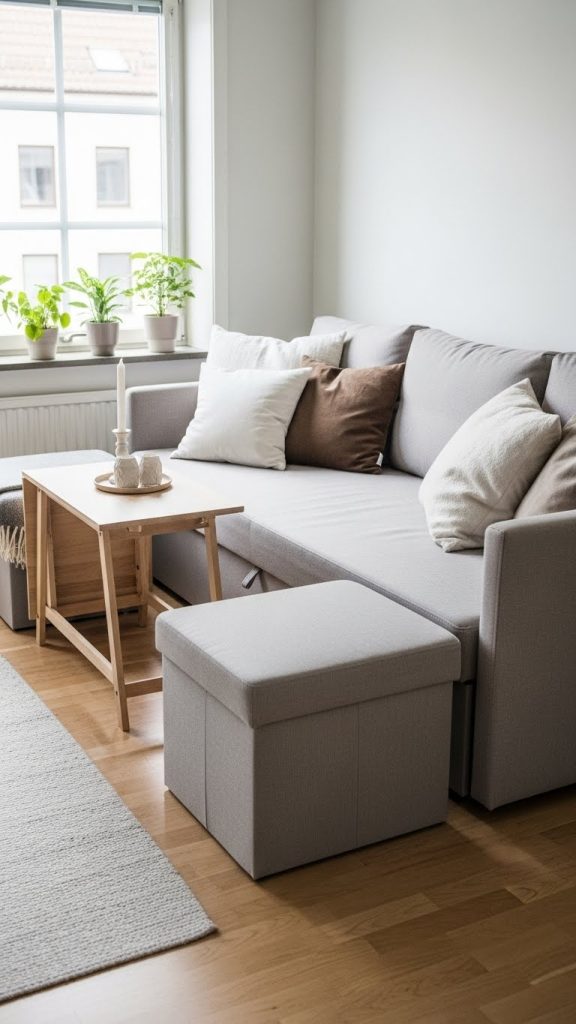
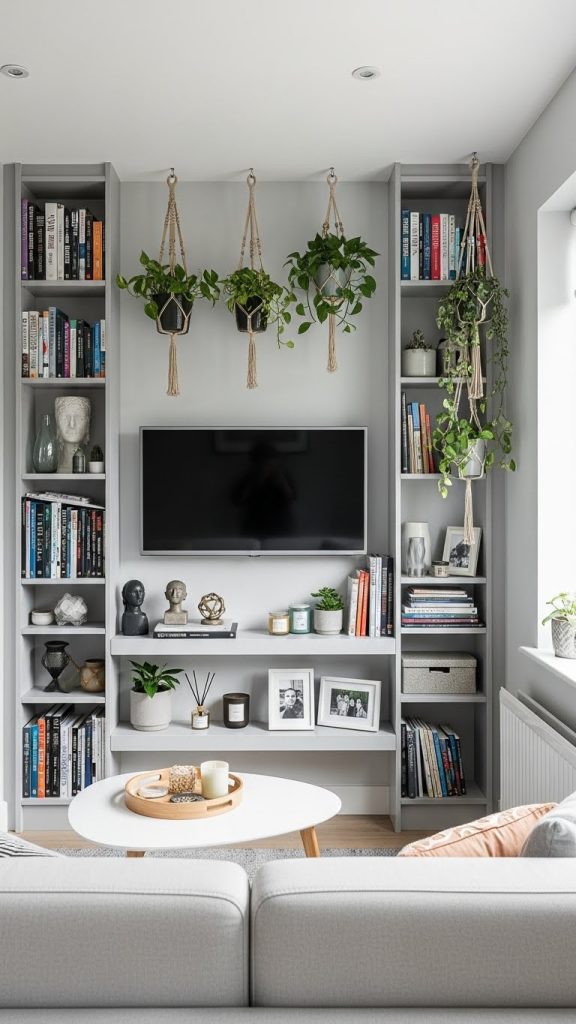
When floor space is limited, vertical space becomes your best friend. Installing floating shelves, tall bookcases, or wall-mounted cabinets allows you to store items and display decor without encroaching on your living area. Wall-mounted TV units or media consoles keep electronics off the floor, creating a cleaner, more spacious look. Consider using hooks or hanging racks for plants or art to bring life to vertical surfaces without cluttering horizontal space.
Preparation: Assess your wall strength before installing shelves or mounts. Mark precise locations and ensure even spacing.
Materials/Use: Materials such as solid wood, metal, or MDF panels are durable and versatile. Opt for minimalist designs that complement the room’s style. Vertical storage not only keeps your floor clear but also draws the eye upward, making the room feel taller and less cramped.
3. Choose Light Colors and Reflective Surfaces
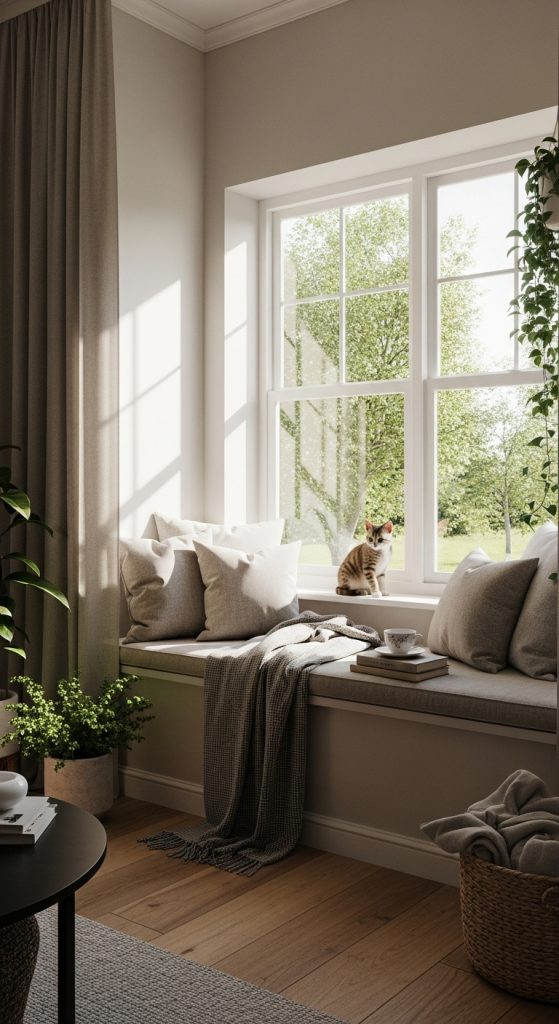
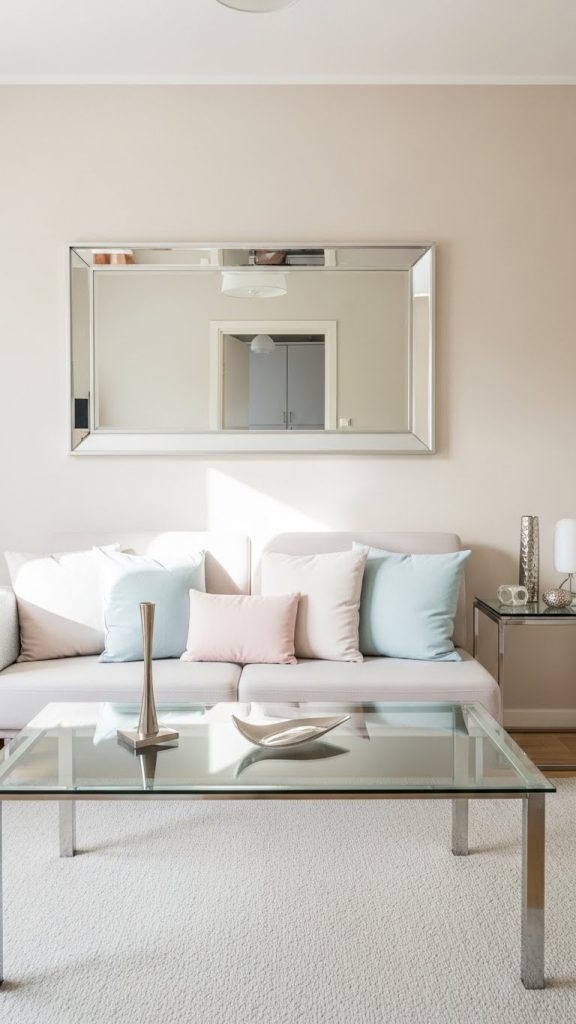
Compact living rooms benefit from color schemes that enhance light and openness. Light-colored walls, furniture, and rugs create an airy feel, while reflective surfaces like mirrors, glass tables, or metallic accents amplify natural and artificial light. A large mirror on one wall can visually double the space, while glass coffee tables prevent visual blockage. Soft pastel tones or neutral palettes reduce visual heaviness, making the room feel more expansive.
Preparation: Decide on a cohesive color palette that complements existing fixtures. Test paint samples on small wall areas.
Materials/Use: Paint with light shades, glass, polished metals, and mirrors are effective. Use mirrors strategically opposite windows to reflect light, and glass or acrylic furniture to maintain openness. Layer textures with soft fabrics and cushions to keep the space cozy without visually cluttering it.
4. Implement Smart Storage Solutions
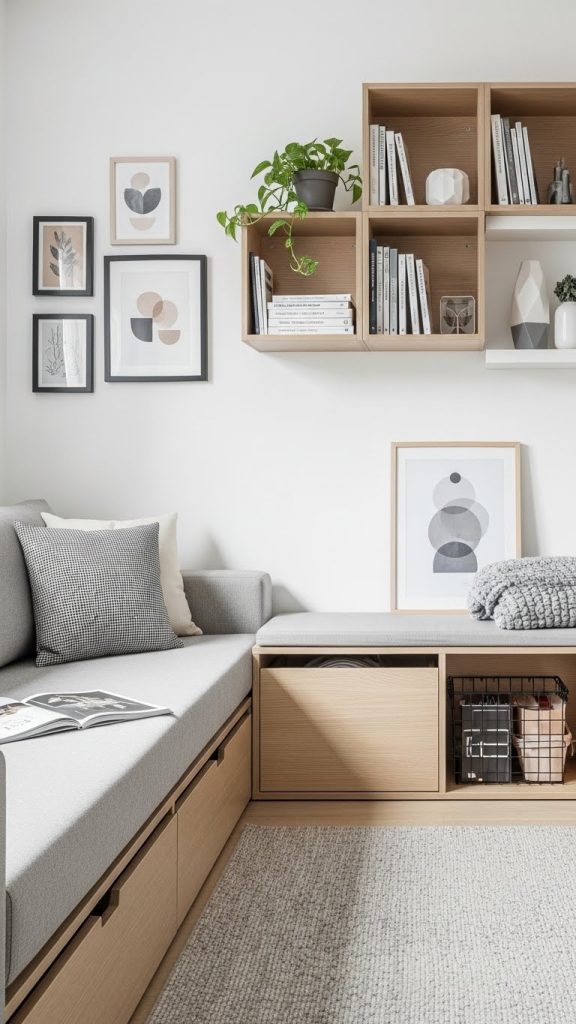
Clutter can quickly overwhelm a small living room, so smart storage solutions are essential. Built-in cabinets, under-sofa drawers, and storage benches are ideal. Use vertical cubbies and wall-mounted organizers to store books, decor, and essentials efficiently. Hidden storage under coffee tables or ottomans allows you to maintain a clean, organized look while keeping necessary items close at hand.
Preparation: Sort your items to determine what truly needs to be stored and what can be relocated. Measure available spaces for customized storage units.

Materials/Use: MDF, plywood, metal, or acrylic are commonly used for durable storage furniture. Modular storage systems allow flexibility as needs change. Choose units that blend with the room’s style so storage doesn’t stand out, and focus on easy access to frequently used items to maintain functionality.
5. Use Compact Seating Arrangements
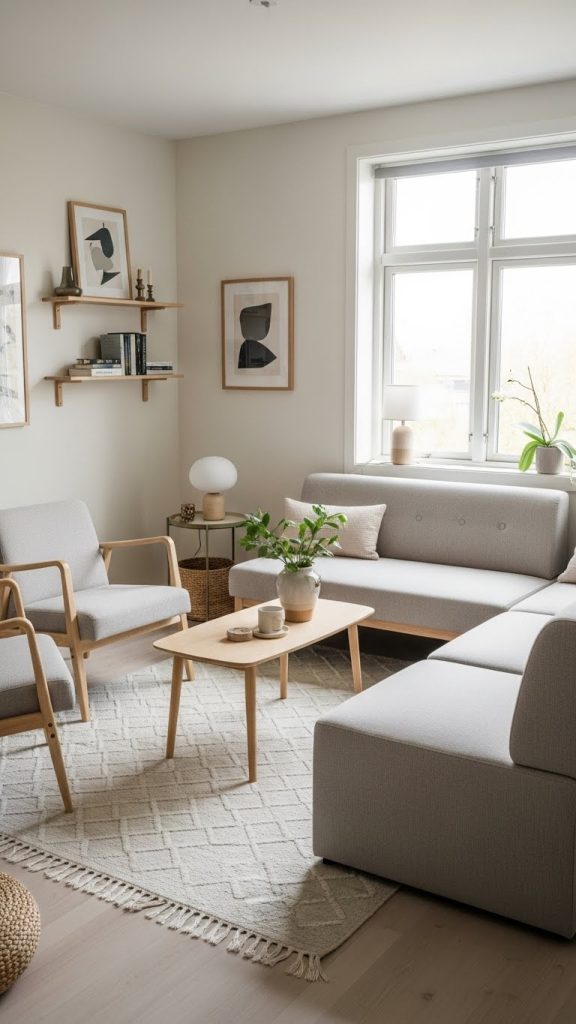
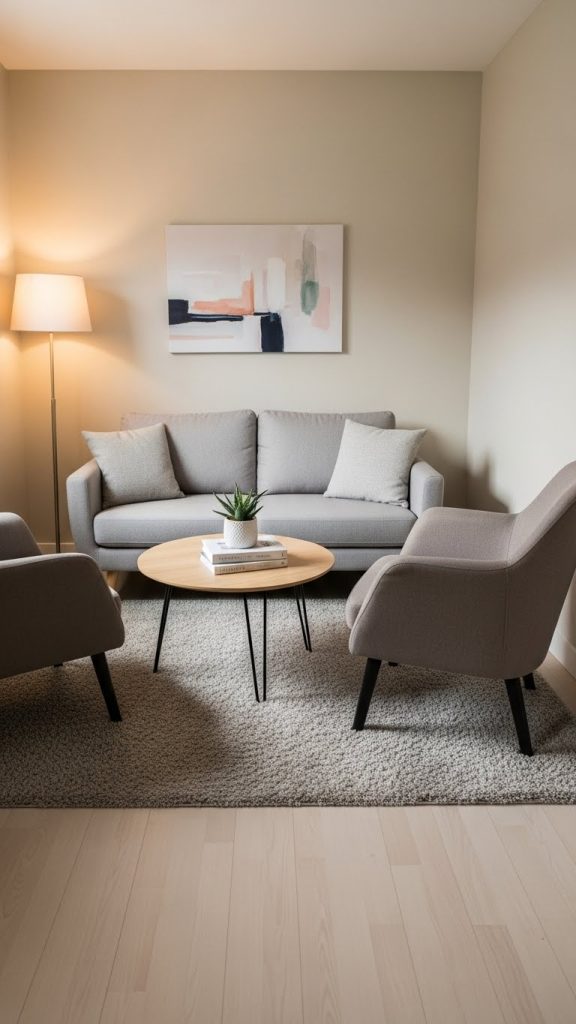
Large sectional sofas or bulky armchairs can overcrowd a small living room. Instead, opt for smaller, modular seating or armless chairs that can be rearranged as needed. A two-seater sofa paired with a couple of single chairs can provide ample seating without compromising space. Consider benches or stools that can double as seating for guests or additional table surfaces. Arranging furniture along walls or in corners opens up the central area for movement.
Preparation: Measure your space to ensure seating does not block pathways. Sketch potential layouts before purchasing furniture.
Materials/Use: Lightweight wood, metal frames, or upholstered cushions are practical. Choose pieces with storage capabilities if possible. Modular and stackable seating allows flexibility for gatherings, while slimline furniture maintains a balanced, airy look in the compact living room.
6. Incorporate Multipurpose Lighting
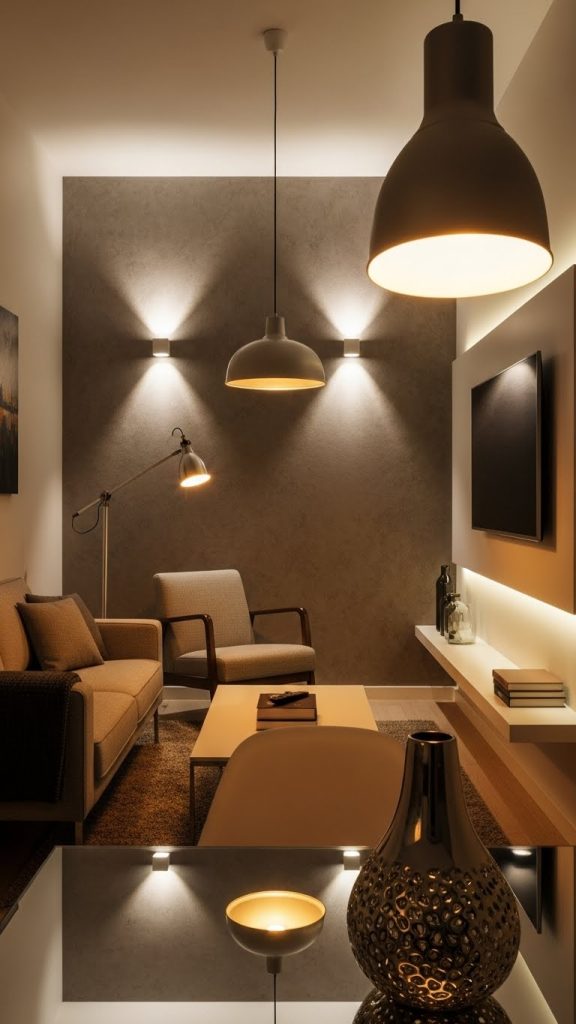
Lighting plays a crucial role in making a compact living room feel spacious. Layered lighting, such as ceiling lights, floor lamps, and wall sconces, provides both functionality and ambiance. Opt for adjustable lighting so you can control brightness according to tasks or mood. Using pendant lights instead of floor lamps frees up floor space, while wall-mounted lights highlight decor and illuminate dark corners without taking up room.
Preparation: Plan lighting zones based on activities such as reading, entertaining, or relaxing. Measure ceiling height for pendants and wall sconces.
Materials/Use: Use LED bulbs for energy efficiency and adjustable brightness. Metal, glass, or minimalist fixtures are ideal. Lighting can be both practical and decorative. By layering light sources, you avoid shadows that make the room feel cramped and instead create a warm, open atmosphere.
7. Use Area Rugs to Define Zones
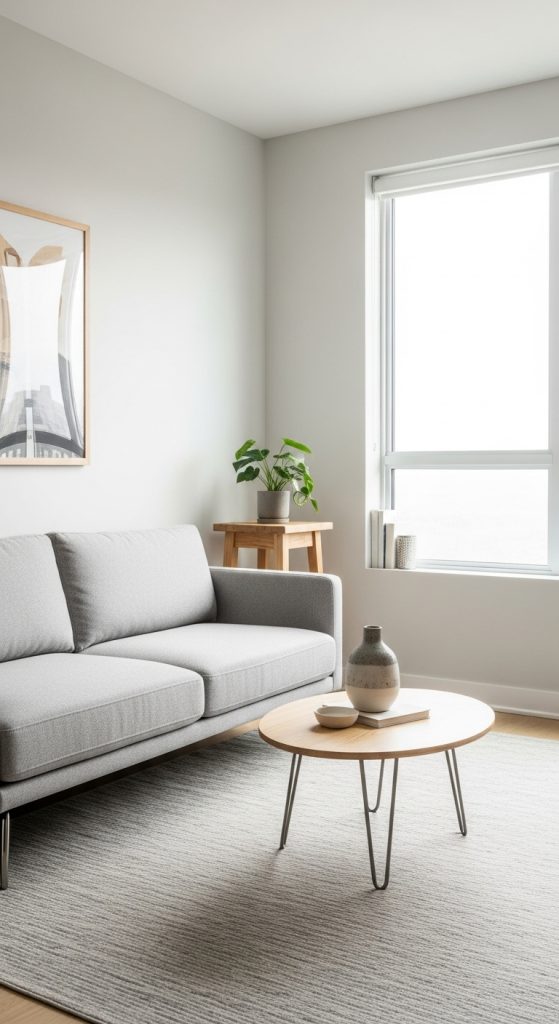
In compact living rooms, visual zoning helps separate areas without adding physical barriers. Area rugs can define seating areas, reading nooks, or entertainment zones. Choose rugs in light or neutral colors with simple patterns to avoid overwhelming the space. Layering rugs can create depth, while rectangular shapes emphasize room length and square rugs can center a seating arrangement effectively.
Preparation: Measure your floor and seating layout before choosing rug sizes. Clean and prep the floor to ensure rugs stay in place.
Materials/Use: Wool, cotton, or synthetic blends are practical and durable. Non-slip pads prevent slipping. Rugs add texture, comfort, and visual separation in small spaces. Position them carefully so furniture legs partially sit on the rug, anchoring the area without cluttering it visually.
8. Create an Open Layout
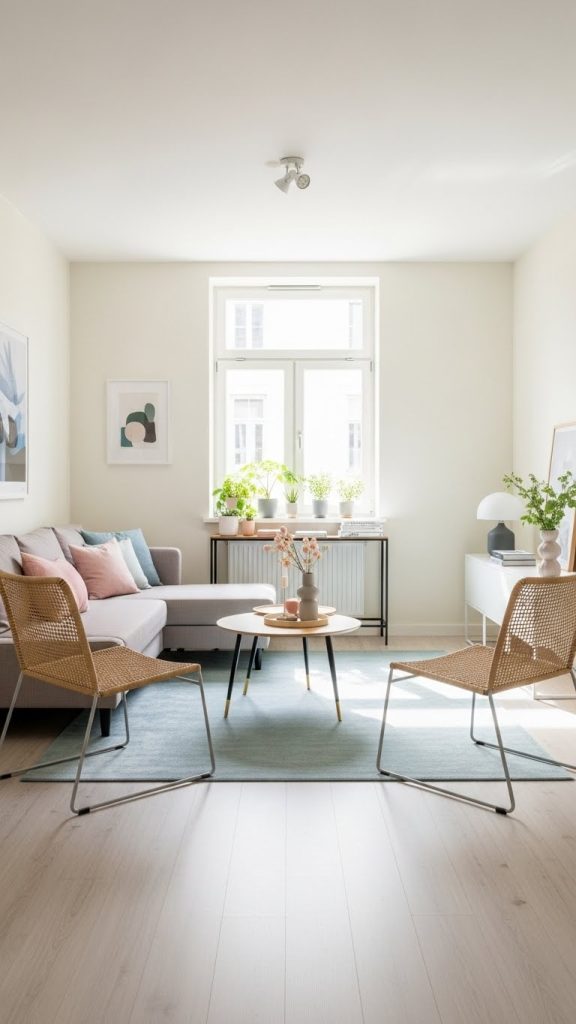
Avoid overcrowding by adopting an open layout that allows free movement. Minimize unnecessary furniture and arrange seating in ways that leave pathways clear. Floating furniture away from walls can create a sense of openness, while placing furniture against walls maximizes floor space. Avoiding large partitions or bulky screens ensures the room feels larger and more connected.
Preparation: Measure pathways and clearances for smooth movement. Remove excess furniture or decor before redesigning.

Materials/Use: Lightweight, movable furniture allows easy rearrangement. Clear or acrylic tables maintain openness. Open layouts make the room appear larger, improve traffic flow, and provide flexibility for changing functions, such as work-from-home or entertainment setups.
9. Add Mirrors and Art Strategically
Mirrors visually expand compact spaces, while well-placed artwork can draw the eye and add personality without cluttering surfaces. Large mirrors on walls reflect light and create the illusion of depth, while vertical mirrors emphasize height. Use artwork to create focal points, either above the sofa, behind seating areas, or on narrow walls, to draw attention away from cramped dimensions.
Preparation: Select mirror sizes proportional to the wall and measure for correct placement. Choose artwork that complements the color scheme.
Materials/Use: Glass, metal, or acrylic frames for mirrors and canvas or framed prints for artwork are ideal. Keep the number of wall items balanced to avoid visual chaos. This strategy enhances aesthetic appeal while making a small living room feel more spacious and personalized.
10. Incorporate Minimalist Decor
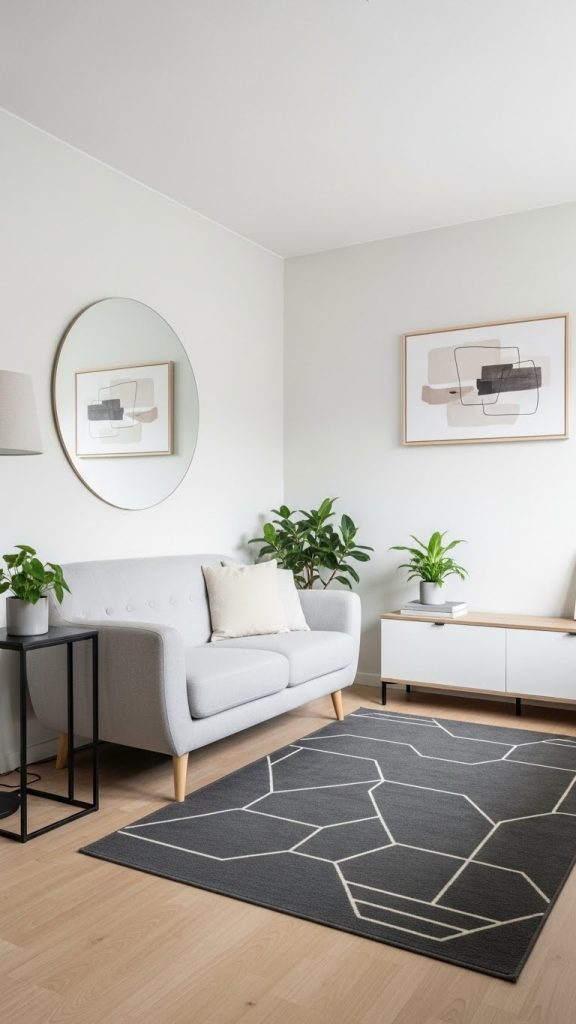
A minimalist approach reduces visual clutter, making a compact living room feel open and calm. Limit accessories to a few key items such as a plant, a statement vase, or a single sculpture. Choose decor in light colors, transparent materials, or reflective surfaces to maintain a sense of airiness. Avoid overcrowding surfaces; instead, rotate decor items seasonally to keep the room fresh without adding clutter.
Preparation: Declutter surfaces and decide on essential decor pieces only. Maintain a checklist to avoid accumulating unnecessary items.
Materials/Use: Ceramic, glass, wood, and metal are versatile for minimalist decor. Choose functional decor pieces like trays, storage baskets, or stylish cushions. A minimalist strategy focuses on quality over quantity, allowing the small space to feel organized, serene, and visually appealing.