
Scandinavian design has long been admired for its simplicity, serenity, and functional beauty. A Scandinavian kitchen offers a space where practicality meets timeless style, blending soft colors, natural textures, and thoughtful planning to create an environment that feels warm yet uncluttered. Whether you are renovating an existing kitchen or building from scratch, Scandinavian style provides an incredibly versatile framework. It is defined by light toned surfaces, natural wood elements, minimal clutter, and efficient layouts that enhance the cooking experience. This article explores ten detailed Scandinavian kitchen ideas, each explained thoroughly to guide your design choices. From choosing materials to arranging lighting, every detail matters in achieving this iconic Nordic aesthetic. The following sections explain preparation, materials, and key considerations for each idea so you can recreate the look in your own home with confidence.
1. Light Toned Cabinets and Clean Lines
Light toned cabinets form the foundation of a Scandinavian kitchen. Traditionally, Scandinavian design favors white, pale grey, or light beige cabinetry that brightens the space and reflects natural light effectively. When preparing your kitchen for this style, consider sanding existing cabinets and repainting them using matte finish paints that avoid glossiness. The clean lines are equally important, so choose frameless cabinet doors or slab fronts without decorative molding. Materials such as birch, pine, or engineered wood with a smooth surface work well in achieving the sleek look. Hardware should be minimal or completely concealed to maintain simplicity. Light toned cabinets also pair well with subtle backsplashes and countertops, creating a cohesive monochromatic palette. The goal is to allow the kitchen to feel open and uncluttered, even if the space is small. These cabinets create visual calm and serve as a backdrop for natural textures and functional items. Proper preparation for installation includes ensuring cabinetry alignment, using quality hinges, and confirming that the paint finish is durable enough for daily kitchen use. This look works for both large and compact kitchens, making it a versatile choice for modern homes.

2. Natural Wood Accents and Warm Texture
Natural wood is an essential element of Scandinavian interiors, and incorporating wood accents into your kitchen adds warmth without overwhelming the minimalist style. This can include wooden countertops, open shelving, bar stools, or exposed wooden beams. Choose wood types such as oak, pine, ash, or birch, which are known for their soft grain and light color. During preparation, treat the wood surfaces with natural oil or matte sealants to preserve the raw finish. Avoid glossy varnishes as they detract from the organic look associated with Scandinavian aesthetics. Wooden accents balance the otherwise cool tones of the kitchen and bring a sense of nature indoors. They complement stone, ceramic, and metal finishes seamlessly, creating a harmonious blend of textures. When installing open shelving, ensure it is sturdy and fixed securely, as Scandinavian design values both beauty and functionality. Use wood accents sparingly but intentionally so the space does not appear overly rustic. With proper care and placement, wooden features enhance the sense of comfort and authenticity that Scandinavian spaces are admired for.

3. Minimalist Layout with Maximum Functionality
A Scandinavian kitchen thrives on a layout that is both simple and highly functional. This begins with thoughtful planning of movement paths, storage solutions, and accessibility. Before designing the layout, assess the size of the space and choose an arrangement such as L shaped, U shaped, or galley style depending on what fits best. Scandinavian design avoids unnecessary partitions, which means the kitchen should feel open and airy. Every element must serve a purpose, whether it is storage or utility. Preparation involves identifying the most used zones such as cooking, cleaning, and food preparation areas. Install cabinetry with smart organizers including pull out drawers, dividers, and deep storage units to maintain a clutter free environment. Keep countertops clear by storing appliances inside cabinets when not in use. Maximize vertical storage to free up floor space. Scandinavian layouts emphasize efficiency, so consider placing the sink, stove, and refrigerator in a practical work triangle. This helps streamline cooking routines and reduces effort in daily tasks. By prioritizing organization and movement flow, you achieve a kitchen that feels both peaceful and extremely practical.


4. Soft Neutral Color Palette
A soft neutral palette is a defining feature of Scandinavian kitchen design. Neutral tones such as white, cream, light grey, soft taupe, and muted sage dominate the color scheme. These shades create an inviting atmosphere and reflect natural light to brighten the space. Preparing your kitchen for this style requires selecting paint colors that have matte or eggshell finishes for a soft appearance. Avoid highly saturated or bold hues, as they disrupt the calming essence of Nordic interiors. Consider using a single color family across cabinets, walls, and furniture to achieve a seamless look. Materials such as light toned tiles, concrete, marble, or pale composite countertops complement this palette. You can incorporate subtle contrast by choosing slightly darker flooring or wooden elements. Neutral colors also make the kitchen feel larger than it is, which is especially helpful for small spaces. This palette provides an ideal backdrop for displaying natural textures and simple decor. It allows the eye to rest and promotes a serene environment that aligns with the core principles of Scandinavian aesthetics.

5. Open Shelving for Simplicity and Display
Open shelving is a key element in Scandinavian kitchens because it encourages simplicity and intentionality. Instead of hiding everything behind cabinet doors, open shelves allow you to display your most used items or curated essentials. Wood or metal shelves with simple brackets work well for this look. When preparing for installation, measure your wall space accurately and choose materials that can handle the weight of dishes and cookware. The items placed on these shelves should be minimal and arranged neatly, as visual clutter disrupts the Scandinavian style. Choose dishes in neutral tones, glass jars, or simple ceramics that enhance the aesthetic rather than distract from it. Open shelving also encourages organization and daily tidiness. It creates an airy openness compared to closed cabinets and contributes to the overall spacious feel. By combining practicality with style, open shelves help maintain the ethos of Scandinavian design, where everyday items become part of the decor. This simple yet impactful feature adds character while keeping the kitchen functional and welcoming.

6. Soft and Natural Lighting
Lighting is an essential aspect of Scandinavian design since Nordic regions experience long winters and limited daylight. Soft natural lighting helps bring warmth and clarity to the kitchen. Begin by maximizing the light that enters from windows. Keep window areas uncluttered and choose light, sheer curtains to diffuse light gently. For artificial lighting, incorporate layered options such as pendant lights, under cabinet lighting, and wall mounted fixtures. Choose lighting with warm tones rather than cool white illumination to maintain a cozy feeling. Avoid overly complex or decorative lighting fixtures. Instead, opt for simple designs using natural materials like wood, metal, or frosted glass. Preparation includes ensuring safe wiring, correct placement, and energy efficient bulbs. Good lighting enhances the neutral palette and highlights textures such as wood and stone. It also improves functionality by illuminating cooking and cleaning areas effectively. With the right lighting choices, your Scandinavian kitchen will feel bright, calm, and inviting throughout the day.

7. Functional Islands and Social Spaces
A kitchen island is both a practical and social element in modern Scandinavian design. It provides extra workspace, storage, and seating for casual gatherings or meals. Before installing an island, measure your kitchen to ensure there is enough surrounding space for comfortable movement. Scandinavian islands often feature clean lines, light toned finishes, and minimalist hardware. You may choose a wooden countertop for warmth or a stone surface for durability. Preparation should include considering electrical outlets, storage drawers, and seating arrangements depending on how you intend to use the island. Bar stools with simple wooden or metal frames complement the look. The island becomes a central hub where family members can cook, converse, or enjoy a quick meal. Scandinavian design prioritizes social connection, and the kitchen island reflects that value well. It enhances functionality without cluttering the space, making it an essential feature in a well planned Nordic kitchen.


8. Matte Finishes for a Calm Aesthetic
Matte finishes play a significant role in achieving the refined and calm aesthetic characteristic of Scandinavian style. Glossy surfaces often create glare and feel more contemporary, while matte textures evoke softness and tranquility. You can incorporate matte finishes through cabinetry, countertops, backsplashes, and even kitchen appliances. Look for matte ceramic tiles, honed marble, or composite countertops with low sheen. Preparing for matte surfaces involves ensuring they are sealed correctly to prevent staining or water damage. Matte finishes work particularly well with neutral palettes and natural materials, blending seamlessly with wood and stone. They also hide fingerprints and smudges better than glossy surfaces, making them practical for everyday use. When selecting matte finishes, ensure they complement rather than overwhelm other textures in the space. This contributes to the signature Scandinavian balance between form and function, offering beauty through understated texture.

9. Clutter Free Counters and Smart Storage
A hallmark of Scandinavian kitchens is the absence of clutter. Clear countertops create visual harmony and improve functionality. Achieving this begins with smart storage solutions. Preparation includes evaluating your kitchen tools and deciding which items are essential. Invest in drawer organizers, deep pull out cabinets, vertical racks, and hidden storage compartments. Keep only a few frequently used items such as a cutting board or kettle on display. Everything else should have a designated place inside cabinets or drawers. Scandinavian design prioritizes order and efficiency, so consider integrating built in waste bins, spice drawers, or under sink organizers. Labeling containers and using uniform storage jars enhances visual consistency. Clutter free counters make cleaning easier and allow natural materials and soft tones to stand out. This approach ensures that your Scandinavian kitchen looks serene while remaining fully functional.
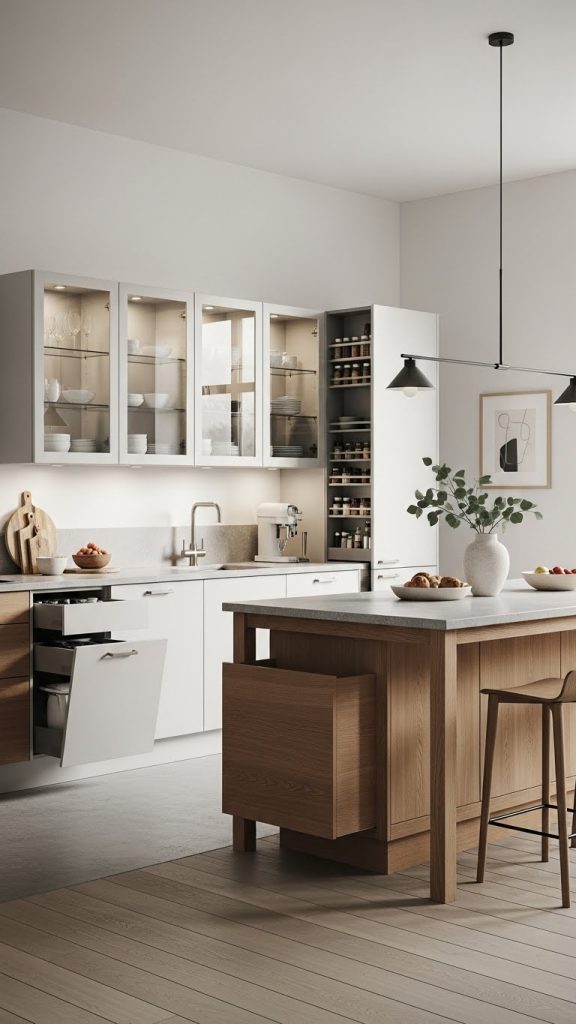
10. Simple Decor and Natural Elements
Decor in a Scandinavian kitchen should be minimal and meaningful. Instead of filling the space with decorative items, focus on a few natural elements that add character. This may include potted herbs, ceramic bowls, linen textiles, or simple framed artwork. Choose decor made from natural materials such as cotton, wool, clay, or wood. Preparation involves selecting pieces that complement the existing color palette and textures. Avoid bold prints or excessive ornamentation. Scandinavian design celebrates subtlety and harmony, so choose decor that blends seamlessly into the environment. Small plants are ideal because they introduce freshness and connect the indoor space with nature. Keep decor items limited to maintain the minimalist quality of the room. When decor is chosen thoughtfully, it enhances the welcoming atmosphere without compromising simplicity. These finishing touches complete your Scandinavian kitchen with warmth and authenticity.
