Introduction
Fairy gardens are a magical way to inspire creativity, imagination, and hands-on learning for children. They combine gardening, landscaping, and miniature design into a playful project that can be enjoyed indoors or outdoors. By creating a miniature world with tiny plants, tiny houses, bridges, and figurines, kids can explore storytelling and develop a sense of responsibility while caring for their garden. Fairy gardens are highly customizable, and you can adapt them to suit any available space, whether a backyard, patio, balcony, or indoor planter. This guide explores ten enchanting fairy garden ideas for kids, complete with preparation tips, materials, and step-by-step advice to bring each magical space to life. These ideas are designed to balance creativity, safety, and practicality, ensuring children can actively participate while the garden remains manageable for parents.
1. Miniature Woodland Fairy Garden
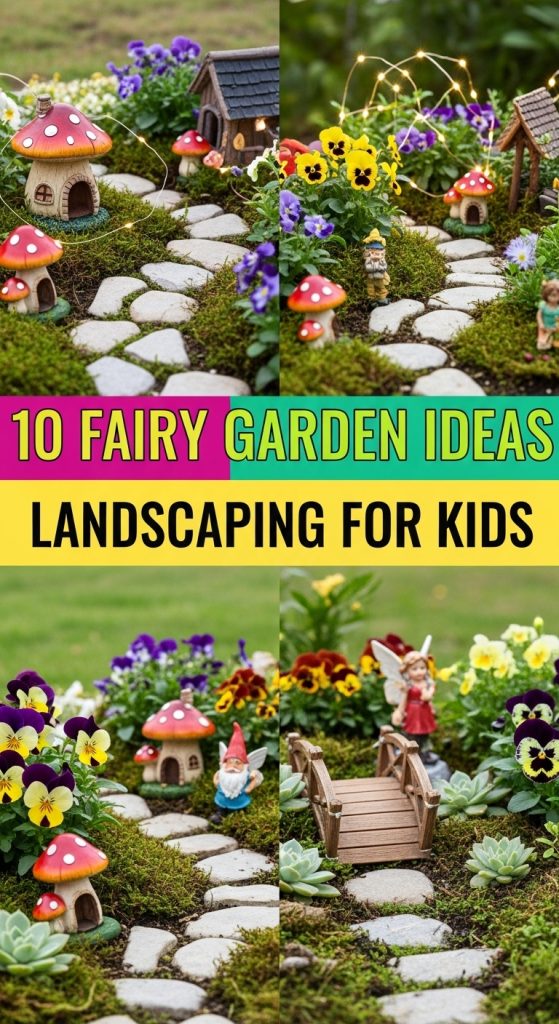
A woodland fairy garden recreates the charm of a forest in miniature form. Begin by selecting a shallow planter, raised garden bed, or even a repurposed container. Fill the base with soil suitable for both miniature plants and decorative elements. Moss, small ferns, and tiny flowering plants are ideal choices as they mimic a woodland environment.
Incorporate miniature trees, stones, and twigs to form pathways and hiding spots for fairy figurines. You can create a small bridge using craft sticks and string, giving the impression of a forest stream or pond. Use natural elements like pinecones, bark, and pebbles to enhance authenticity. For added fun, encourage kids to place tiny woodland animals and fairies throughout the garden, fostering storytelling and imaginative play. Regular watering and trimming will keep the garden healthy. This design introduces children to the concept of ecosystems while providing a magical woodland retreat they can explore and care for daily.

2. Fairy Garden with a Mini Pond
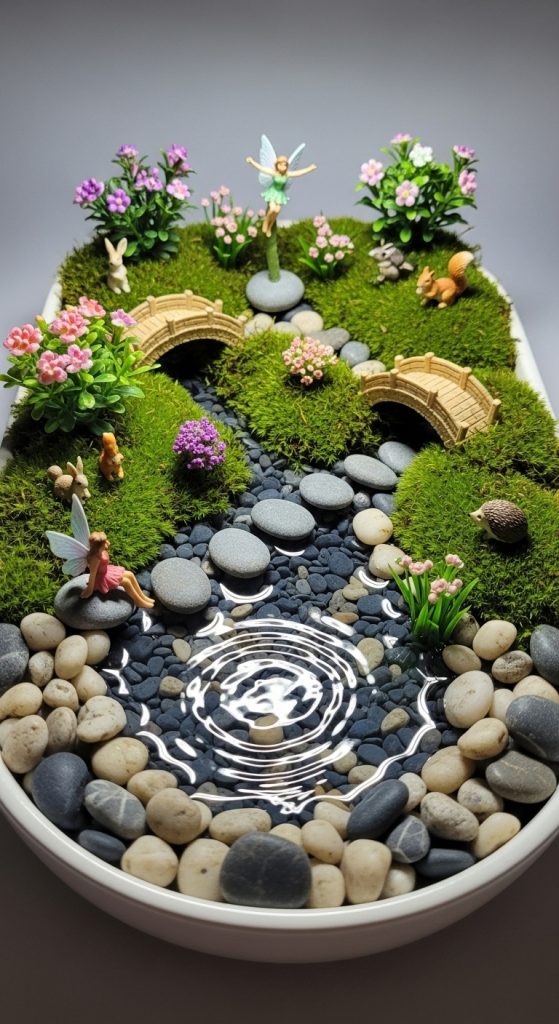
Adding a tiny pond creates a serene, interactive element to any fairy garden. Choose a waterproof container or line a shallow depression in the soil with a small plastic tray or pond liner. Use smooth pebbles or sand around the edges to simulate a natural shoreline.
Include miniature water lilies, floating plants, or moss around the pond to enhance the effect. For the fairies, place tiny stepping stones or a bridge over the pond for access. Consider adding small figurines such as ducks, frogs, or turtles to make the scene more engaging. Preparation involves ensuring the pond remains clean and does not attract mosquitoes; small water pumps or replacing water regularly can prevent stagnation. This type of fairy garden is excellent for teaching children about aquatic plants and miniature landscaping, while also adding a visually appealing and calming feature to the garden.
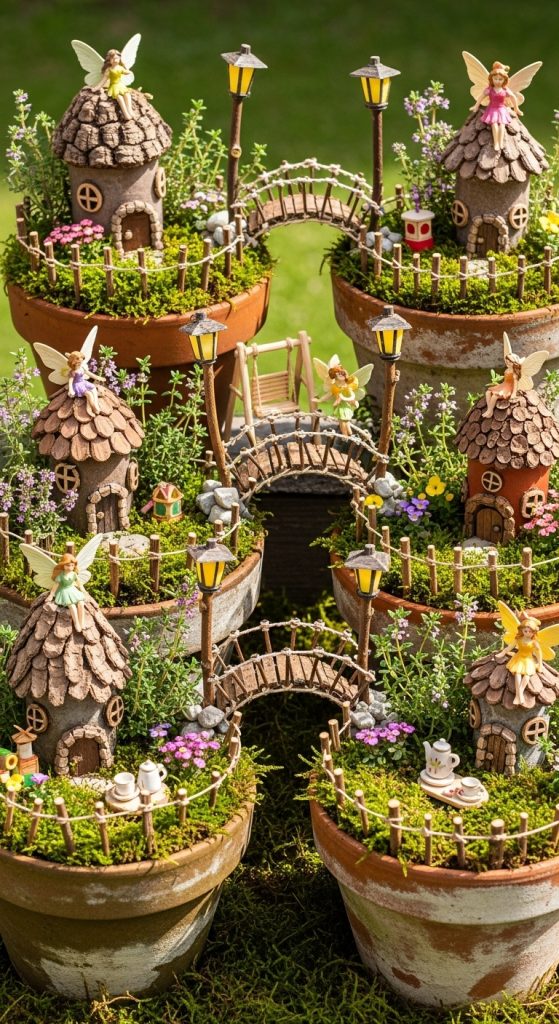
3. Fairy Village in Pots
Fairy villages are charming, compact landscapes ideal for container gardening. Begin by gathering several small pots or one large planter divided into sections. Fill each with quality potting soil suitable for miniature plants and succulents.
Decorate each section with miniature fairy houses made from ceramic, resin, or DIY materials such as clay, cardboard, or twigs. Use tiny fences, lampposts, and bridges to create a connected village layout. Incorporate plants like creeping thyme, moss, or small flowering plants to represent gardens or lawns. Encourage children to create their own imaginative storylines, assigning roles to each fairy or animal figurine. Maintaining this garden involves regular watering and occasional pruning to prevent overgrowth. A fairy village offers endless opportunities for creativity and allows kids to develop spatial awareness, storytelling skills, and fine motor coordination while engaging with nature in a playful manner.

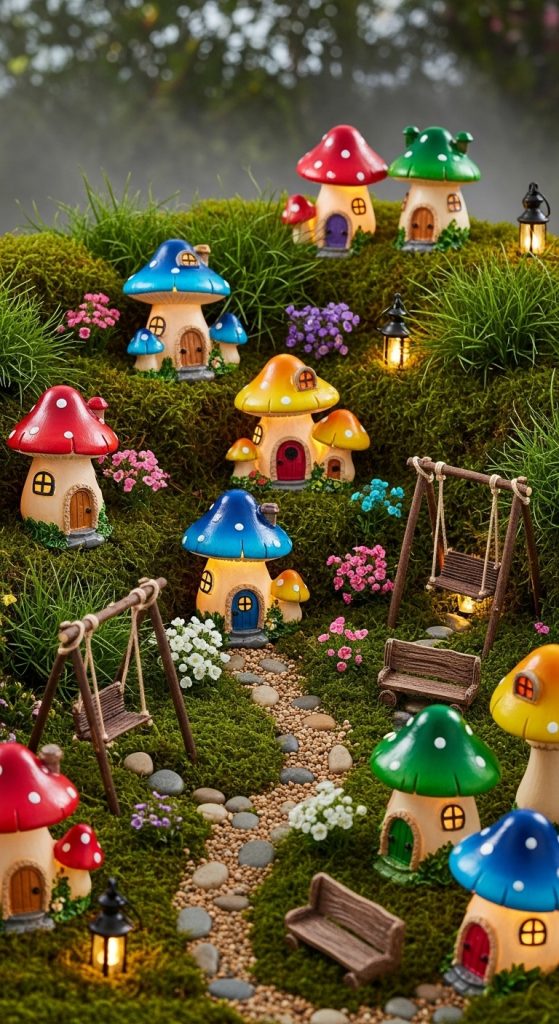
4. Enchanted Garden with Mushroom Houses
Mushroom houses bring a whimsical element to fairy gardens. These can be purchased as miniature decorations or made at home using clay, paint, and small craft materials. Choose a planter or garden corner and fill it with soil and low-growing plants like moss or miniature grasses.
Place mushroom houses throughout the garden to create magical nooks. Add natural pathways using small pebbles or sand and tiny fences for definition. Incorporate miniature garden furniture, such as benches or tiny fairy swings hanging from sticks, for an interactive experience. Encourage children to place fairies and animals near the mushroom homes, sparking storytelling and imaginative play. The preparation includes selecting durable materials for outdoor use, especially if the garden will be exposed to sunlight or rain. Mushroom fairy gardens stimulate creativity and offer a playful miniature environment that is visually enchanting and engaging for children of all ages.
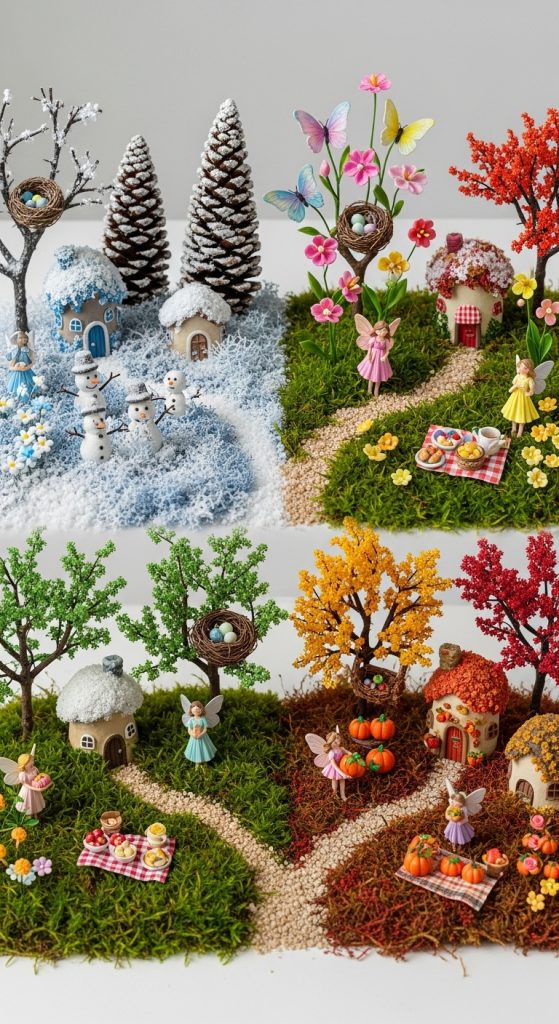
5. Seasonal Fairy Garden
A seasonal fairy garden changes throughout the year to reflect different holidays or weather conditions. Start with a base container or garden plot and select plants that are easy to swap, such as seasonal flowers, succulents, or moss.
Decorate with interchangeable miniatures, such as snow-themed items for winter, flowers and butterflies for spring, and pumpkins or leaves for fall. Tiny fairy figurines can be dressed or arranged to match the seasonal theme. Materials needed include miniature props, natural elements like pinecones or flowers, and soil suitable for the plants you choose. Children can participate by rearranging the garden and adding decorations as seasons change. This type of fairy garden teaches kids about seasonal cycles, plant care, and adaptability while keeping the garden exciting year-round. It also encourages creativity as children imagine new scenarios and stories for each seasonal display.

6. Indoor Tabletop Fairy Garden
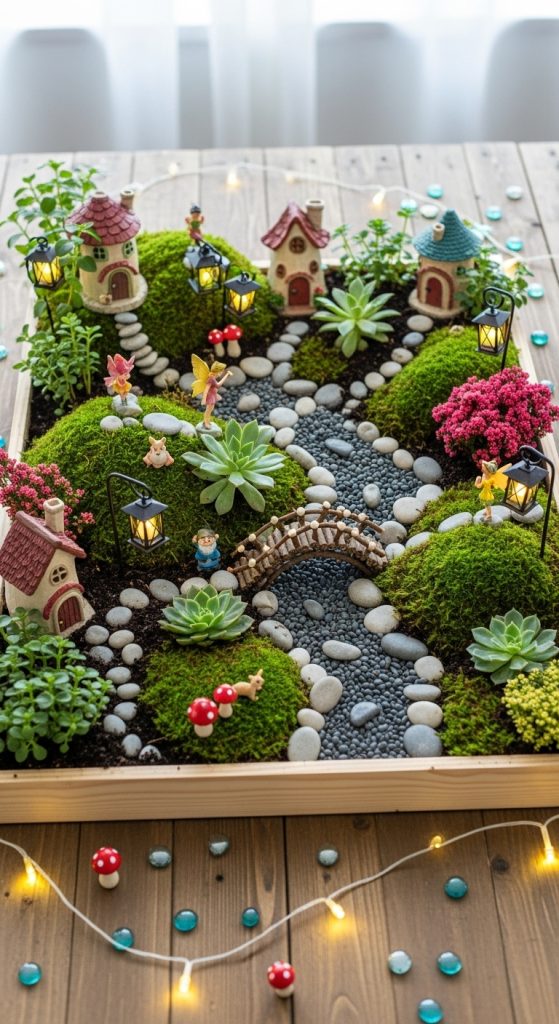
Indoor tabletop fairy gardens are ideal for apartments, classrooms, or small spaces. Use a shallow tray, terrarium, or decorative bowl as the base. Fill it with potting soil, moss, pebbles, and miniature plants like succulents or air plants.
Decorate with small figurines, fairy houses, and pathways using sand or pebbles. Add elements like tiny lanterns, bridges, or miniature garden furniture to enhance visual appeal. Preparation involves selecting plants suited for indoor conditions, such as low-light tolerant species, and ensuring adequate drainage. Indoor fairy gardens allow children to enjoy miniature landscaping year-round and make plant care accessible, even in spaces without outdoor gardens. They also offer a tactile and creative activity that can be placed on desks or tables, encouraging regular interaction and storytelling in a compact, manageable format.

7. Fairy Garden with Functional Play Features
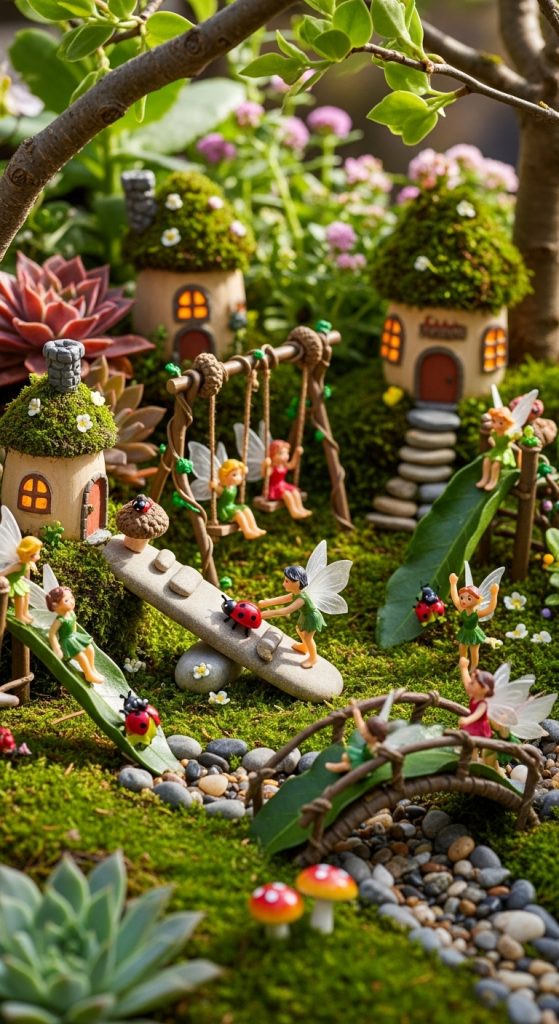
Enhancing a fairy garden with interactive features allows children to engage actively with their miniature landscape. Include elements such as small ramps, swings, slides, or tiny drawbridges that can move or be repositioned.
Preparation involves using safe, child-friendly materials such as non-toxic paints, soft wood, and durable plastics. Combine these features with miniature houses, plants, and pathways to create a dynamic environment. Encourage kids to design scenarios for their fairies, such as playing games or exploring hidden corners of the garden. Maintaining this type of garden requires occasional cleaning and careful attention to movable parts. Functional play features add a hands-on element to fairy gardening, making it not only visually appealing but also interactive. Children develop problem-solving skills, creativity, and hand-eye coordination while enjoying their miniature wonderland.

8. Fairy Garden with Edible Plants
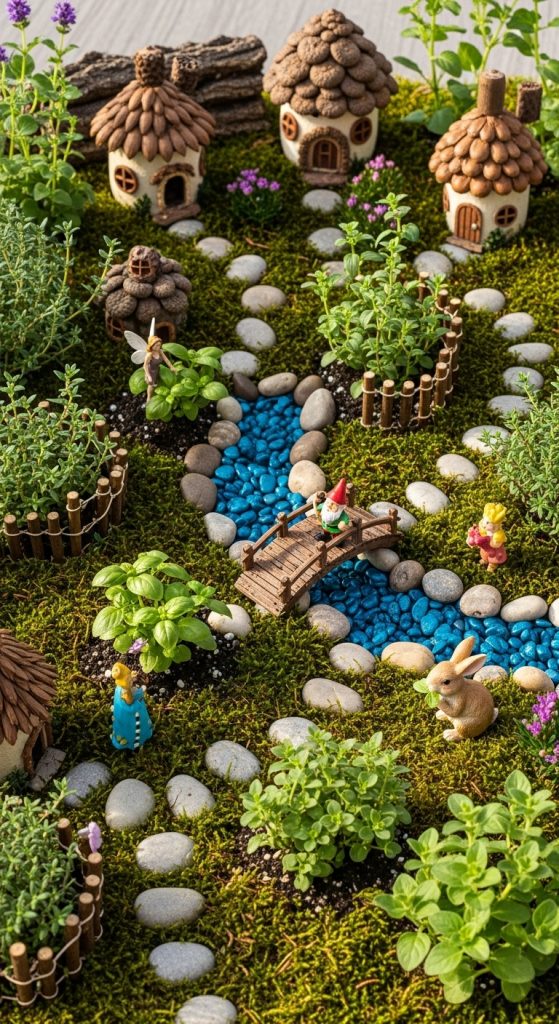
Incorporating edible plants into a fairy garden adds both beauty and a learning opportunity. Choose small herbs like thyme, mint, or oregano, or dwarf vegetables such as cherry tomatoes and tiny peppers. These plants provide greenery while remaining manageable in scale.
Place miniature fairy houses and pathways around the edible plants to maintain a whimsical aesthetic. Encourage children to participate in planting, watering, and harvesting small portions of herbs or vegetables. Preparation involves selecting containers with proper drainage and soil suitable for edible plants. This type of fairy garden teaches kids about food cultivation, responsibility, and the connection between gardening and nutrition. It also allows them to enjoy sensory experiences like smelling and tasting herbs while interacting with their magical fairy landscape, combining learning and play in a natural and engaging way.
9. Fairy Garden Terrarium
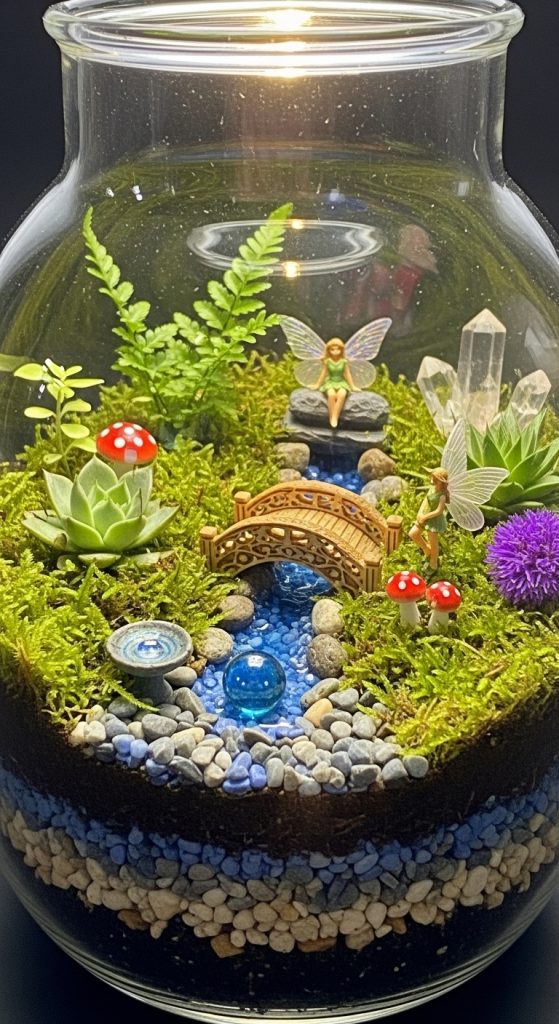
Terrariums offer a contained, visually striking option for fairy gardens. Use glass containers such as bowls, jars, or geometric terrariums. Begin by layering small rocks or pebbles for drainage, followed by activated charcoal to prevent odors, and then soil suitable for the selected plants.
Add moss, miniature plants, fairy figurines, and tiny decorative elements to create a miniature world inside the glass. Use small figurines, fairy furniture, or bridges to enhance storytelling. Preparation involves selecting plants compatible with enclosed spaces, such as mosses, succulents, or small tropical plants. Terrarium fairy gardens are ideal for classrooms or indoor spaces where outdoor gardening is limited. They offer an educational opportunity for children to observe plant growth, understand ecosystems, and enjoy the aesthetic charm of a miniature, self-contained fairy landscape.

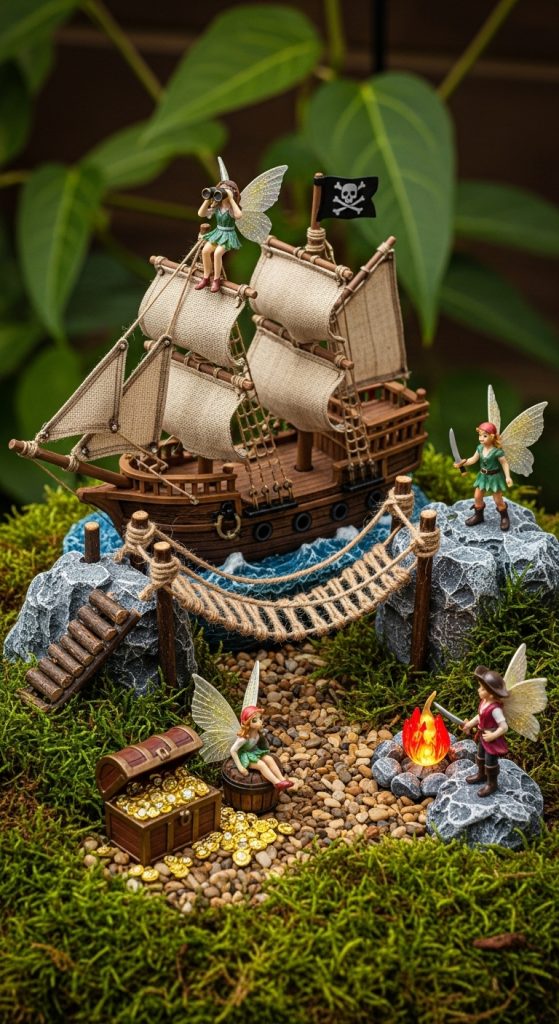
10. Themed Adventure Fairy Garden
Themed fairy gardens encourage storytelling and imaginative play. Create a specific theme such as a pirate cove, enchanted forest, or fairy castle. Choose containers and plants that support the theme and add props like miniature bridges, castles, or treasure chests.
Preparation includes collecting materials such as miniature figurines, themed decorations, and plants that suit the story. Arrange pathways, obstacles, and points of interest to make the garden interactive. Children can role-play adventures and scenarios, enhancing cognitive skills and creativity. Regular maintenance involves watering and checking for plant health, while decorations can be refreshed to keep the theme exciting. Adventure-themed fairy gardens provide a unique combination of landscaping, design, and imaginative play, allowing children to explore storytelling in a hands-on environment that fosters learning, creativity, and engagement with nature.