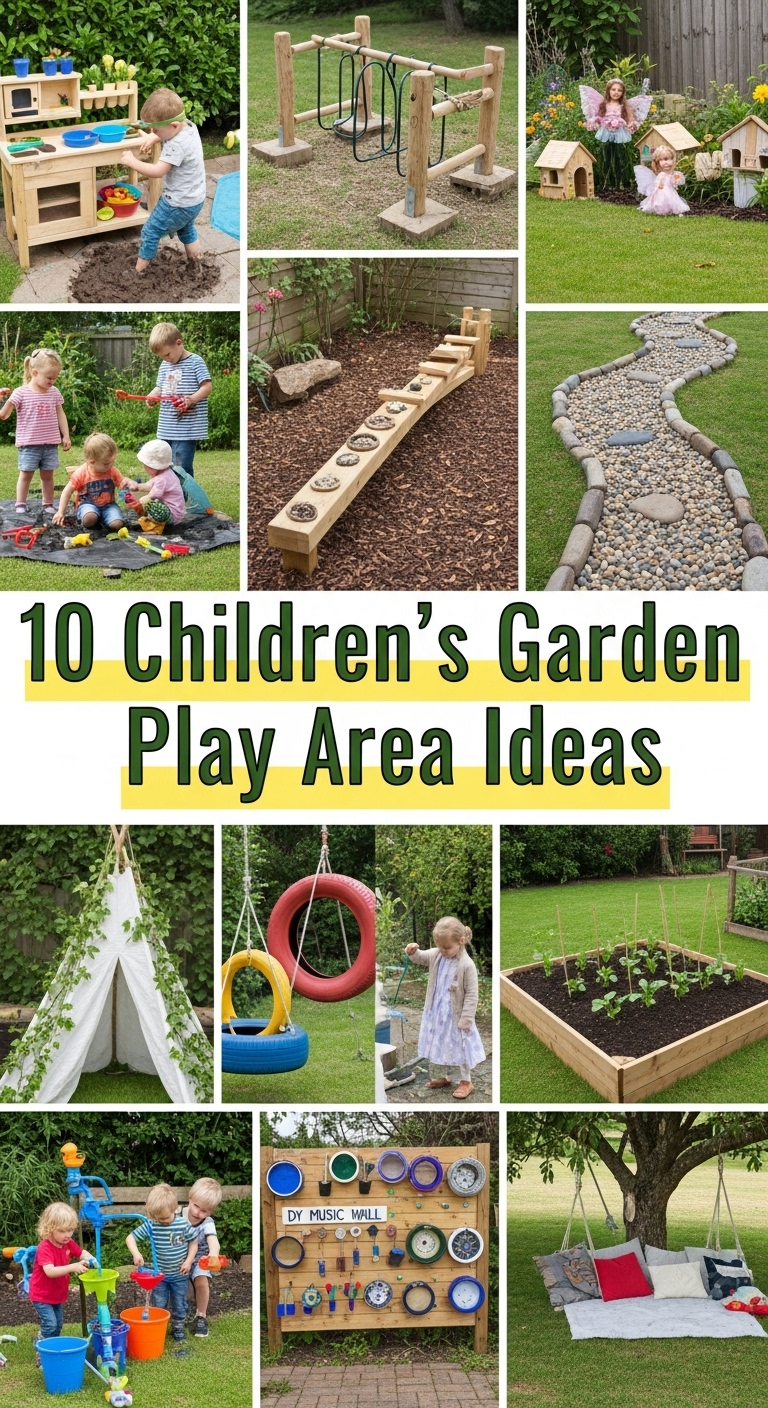
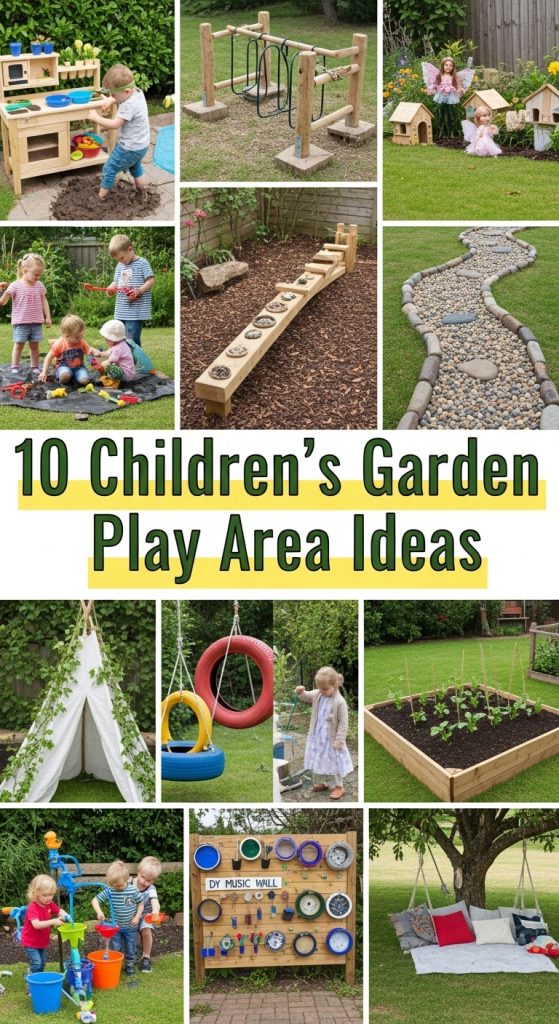
A garden can be more than a place for plants and flowers; it can become a magical outdoor playground where children explore, learn, and grow. Designing a garden play area combines fun with safety, creativity with practicality. Whether your space is large or small, there are countless ways to transform it into a child-friendly paradise. Below are ten imaginative and achievable ideas to help you design the perfect play garden for your children.
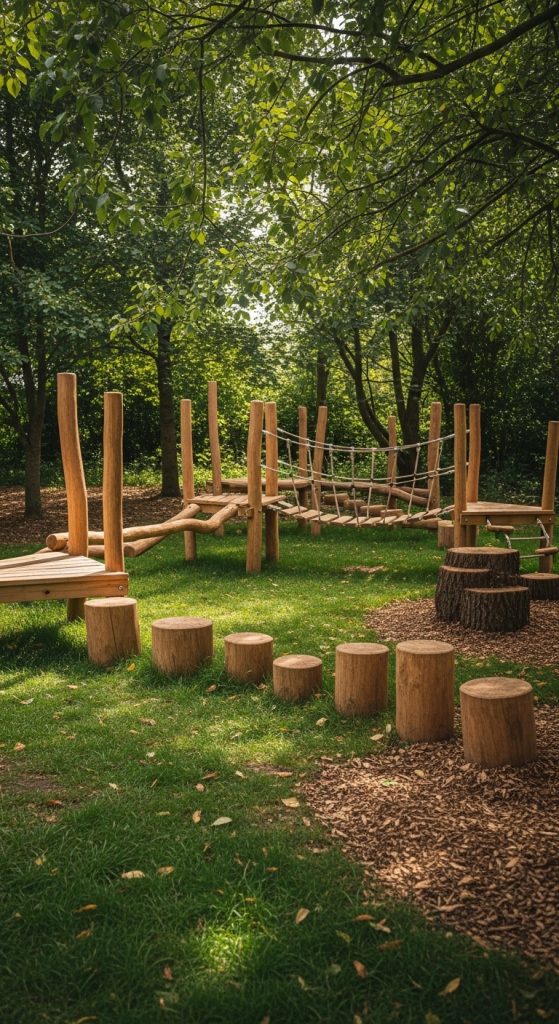
1. Natural Adventure Playground
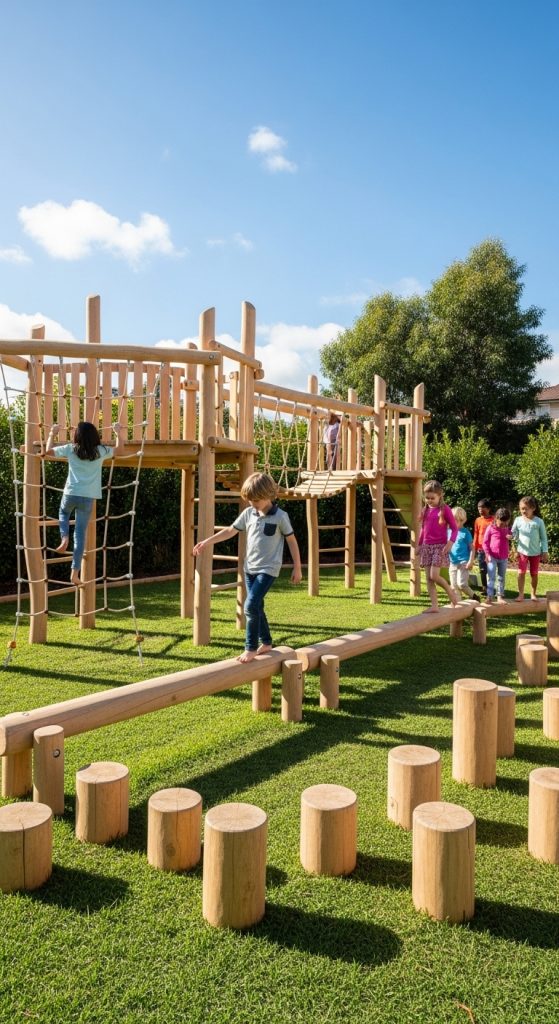
A natural adventure playground uses organic materials and earthy textures to inspire creativity. Instead of relying on plastic equipment, focus on wooden climbing structures, logs, and stones. This setup encourages physical activity while connecting children with nature.
Preparation and Materials:
Begin by choosing a shaded, safe area with soft ground like grass or mulch. Use untreated wooden logs, tree stumps, and rope to build climbing frames or balancing beams. Add stepping stones, small bridges, or tunnels made of natural materials. Avoid sharp edges and ensure all structures are securely anchored.
This type of playground nurtures imagination and coordination while teaching children to appreciate outdoor exploration. It is also eco-friendly and blends beautifully with your garden landscape.

2. Mini Vegetable and Flower Garden
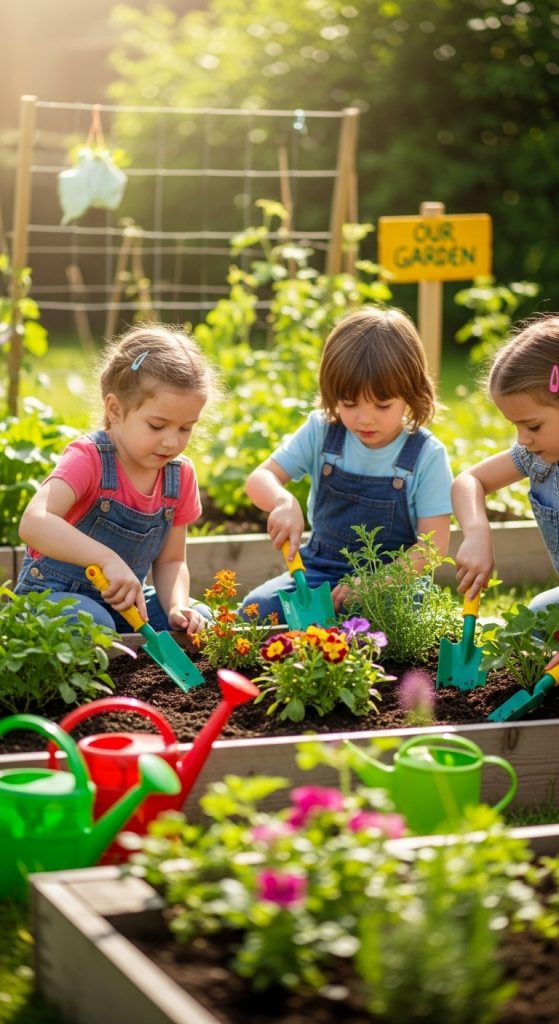
Creating a small gardening corner for children helps them learn responsibility, patience, and care for living things. A mini vegetable or flower garden encourages hands-on engagement and makes outdoor time more meaningful.
Preparation and Materials:
Choose an area that receives enough sunlight and is easily accessible. Provide small raised beds or planters at child height. Include child-sized gardening tools, gloves, and watering cans. Select easy-to-grow plants such as cherry tomatoes, sunflowers, herbs, or marigolds. Use compost-rich soil and label each plant for identification.
This project helps children develop fine motor skills and enjoy the satisfaction of watching their plants grow. It also promotes healthy eating habits when they harvest their own produce.
3. Sand and Water Play Zone
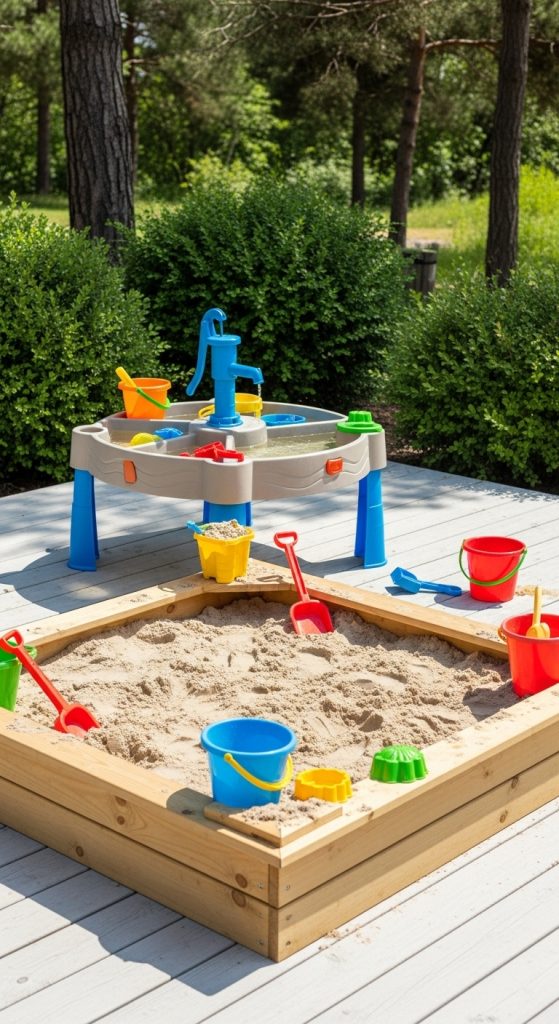
A sand and water play area offers endless sensory experiences. It allows children to explore textures, build sandcastles, and learn about water flow. This is especially engaging for toddlers and preschoolers.

Preparation and Materials:
Designate a shaded corner for this setup. Build a wooden sandbox with a fitted lid to keep debris out when not in use. Add fine play sand and include tools like buckets, shovels, and molds. For the water feature, use a child-safe splash table or install a simple hose-fed water channel. Ensure good drainage and safety supervision.
The combination of sand and water stimulates creativity, hand-eye coordination, and cooperative play among children.
4. Outdoor Reading Nook
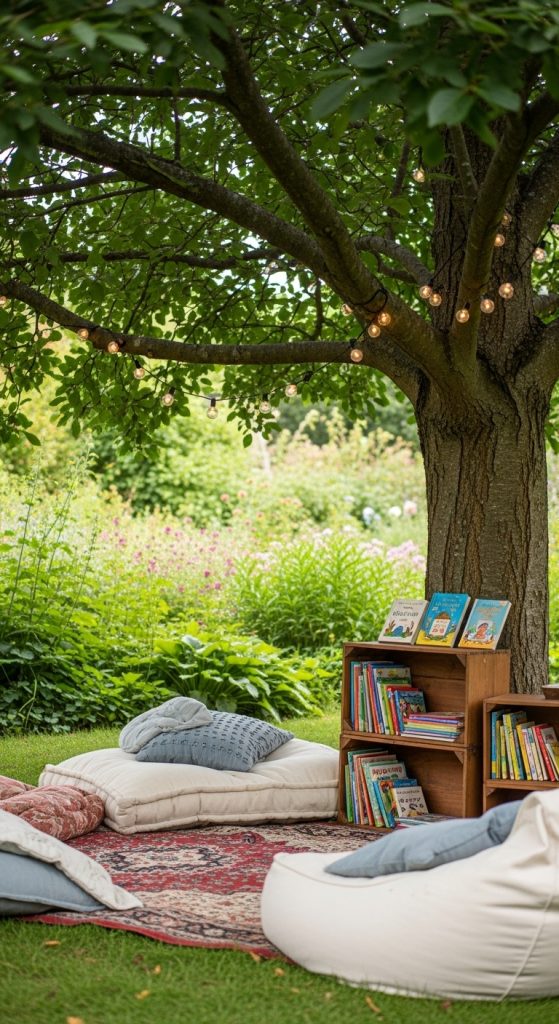
A garden reading nook offers a peaceful retreat for quiet activities while still connecting children to nature. It encourages early reading habits and provides a comfortable outdoor learning space.
Preparation and Materials:
Select a shaded spot beneath a tree or build a small pergola for sun protection. Add soft outdoor cushions, beanbags, or a small tent to create a cozy seating area. Use weather-resistant storage boxes to keep books and art materials safe. Decorate with fairy lights, hanging plants, or colorful bunting to make it inviting.

An outdoor reading nook fosters creativity and imagination while promoting relaxation and focus. It is ideal for both solitary and parent-child bonding time.
5. Creative Art and Craft Corner
Children love expressing themselves through art, and an outdoor craft area gives them the freedom to experiment without worrying about indoor mess.
Preparation and Materials:
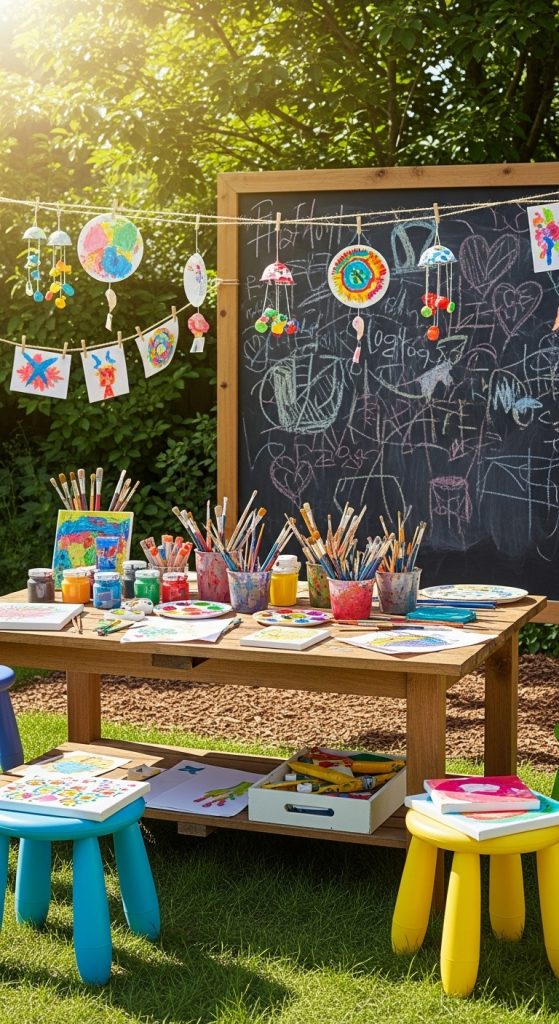
Use a sheltered patio or deck space. Set up a sturdy outdoor table with easy-to-clean surfaces. Provide non-toxic paints, chalks, clay, and recyclable materials like cardboard and paper rolls. Add storage bins for art supplies and hang a clothesline nearby for drying artwork.
Consider installing a chalkboard wall or painting section for larger creative projects. This setup boosts creativity, fine motor skills, and confidence while encouraging appreciation for art and the environment.

6. DIY Obstacle Course
A backyard obstacle course promotes physical fitness, problem-solving, and teamwork. You can adjust its complexity according to the child’s age.
Preparation and Materials:
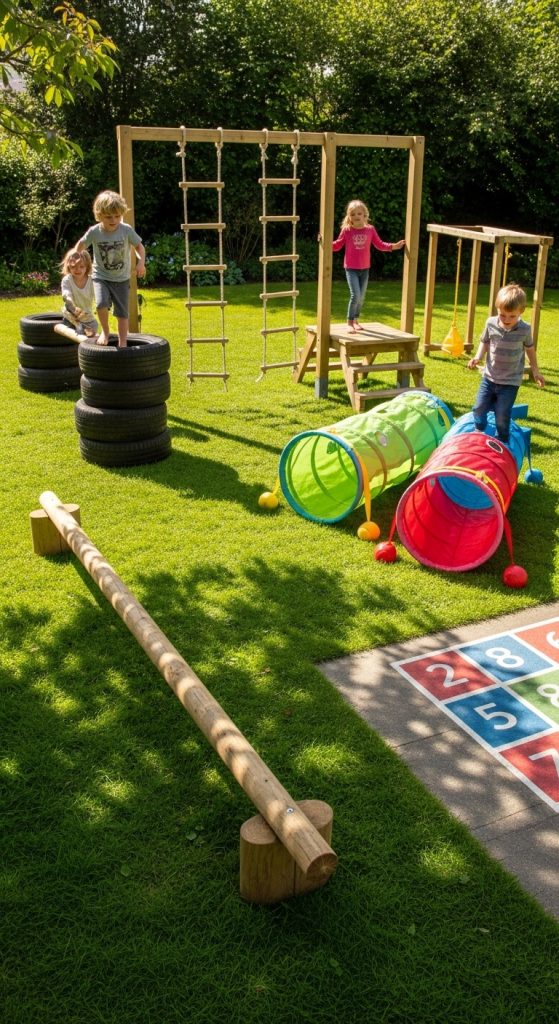
Choose a flat area with soft ground. Use household or recycled materials such as tires, ropes, cones, and balance beams. Set up tunnels using cardboard boxes or play tubes. Add small hurdles, hopscotch grids, and climbing ropes. For safety, use foam mats or mulch beneath climbing sections.
Rotate challenges frequently to keep the course exciting. This play area encourages movement, resilience, and fun competition in a safe outdoor environment.
7. Fairy Tale or Imaginative Play Zone
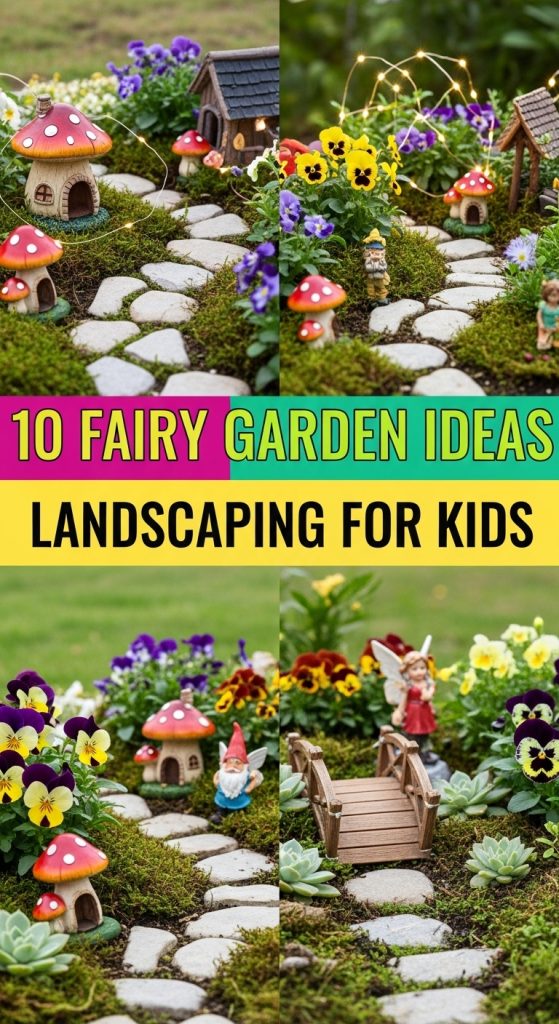
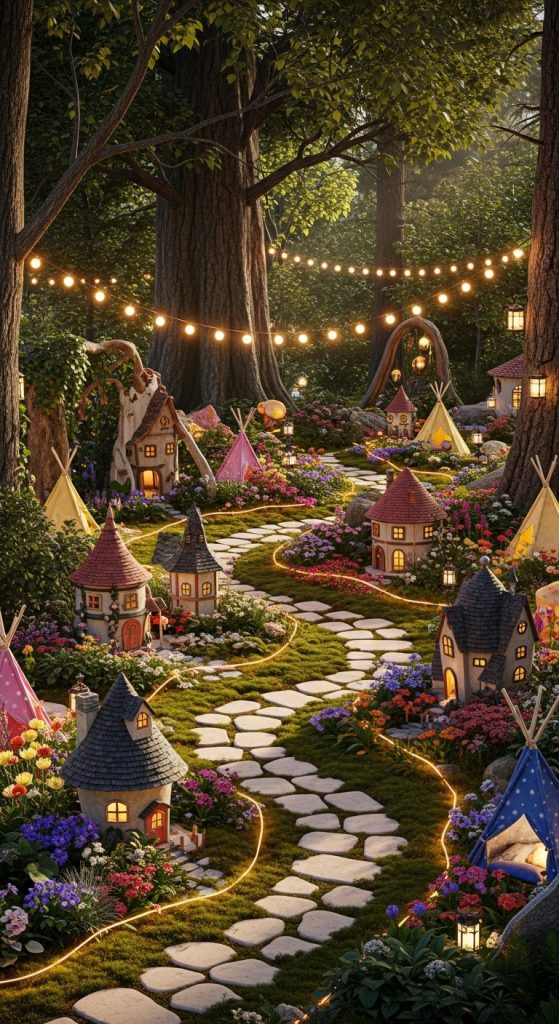
Transforming part of your garden into a fairy tale play area inspires storytelling and fantasy play. It can be themed around castles, forests, or miniature villages, making it magical for children.
Preparation and Materials:
Use natural materials like wood, stones, and plants to build miniature houses or pathways. Add fairy lights, painted rocks, and small figurines such as gnomes or animals. Create cozy hiding spots using bushes or small tents. Encourage your child to help decorate the space with crafts or garden ornaments.
This whimsical corner fosters creativity and narrative thinking while adding charm to your garden design.
8. Outdoor Music and Sound Wall
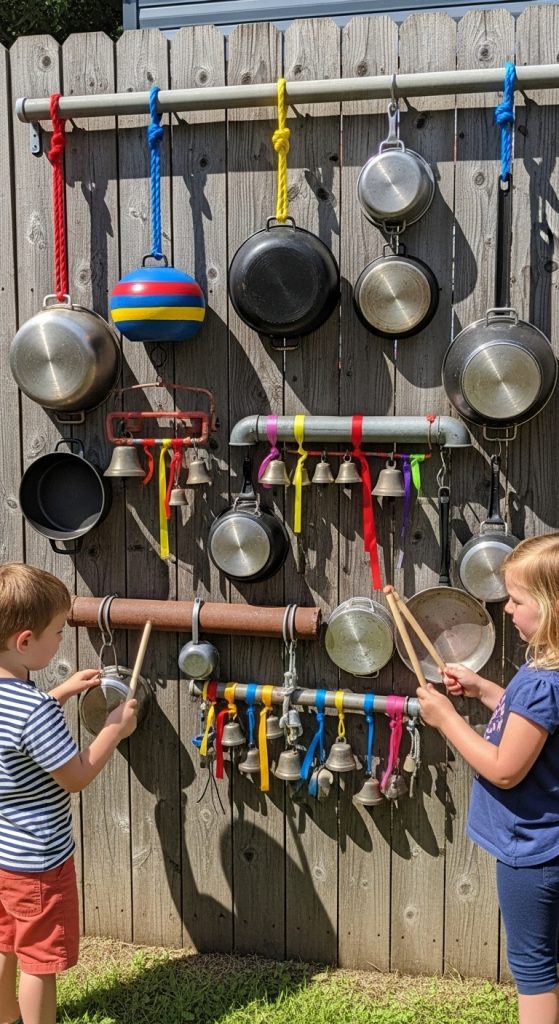
Music walls let children experiment with rhythm, sound, and movement. It is a creative and educational way to explore sensory play.
Preparation and Materials:
Attach metal pots, pans, pipes, and bells to a wooden fence or sturdy frame. Provide wooden spoons or drumsticks for children to strike the surfaces. You can also add wind chimes, xylophone bars, or recycled bottles filled with beads. Make sure everything is securely fastened and safe to touch.

This project promotes auditory learning, coordination, and joy. It also introduces children to basic musical concepts while encouraging outdoor fun.
9. Climbing and Balancing Area
A small climbing and balancing section encourages motor skill development and physical confidence. It provides an outlet for energy and promotes healthy exercise habits.
Preparation and Materials:
Install simple climbing frames, rope ladders, or balance beams made from durable, weather-resistant wood. For younger children, create stepping logs or low climbing nets. Surround the play zone with soft grass or safety mats. Use bright colors or paint to make it visually engaging.
This setup builds strength, balance, and coordination while boosting self-esteem as children master new challenges.
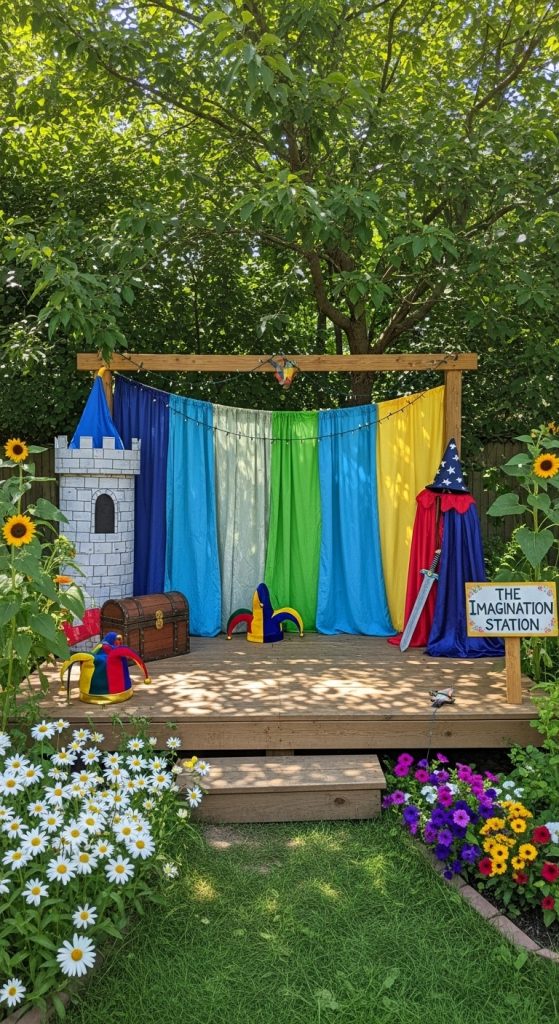
10. Mini Outdoor Theater or Stage
A small outdoor stage is perfect for performances, storytelling, and imaginative play. It encourages self-expression, confidence, and creativity.
Preparation and Materials:
Choose a flat area in the garden and build a simple wooden platform or use outdoor tiles. Add a fabric backdrop, fairy lights, and lightweight curtains for drama. Provide small props, costumes, or musical instruments. Use portable seating like cushions or benches for the audience area.
An outdoor theater offers endless possibilities for family entertainment, from puppet shows to mini concerts. It combines fun with artistic learning in a vibrant open-air setting.