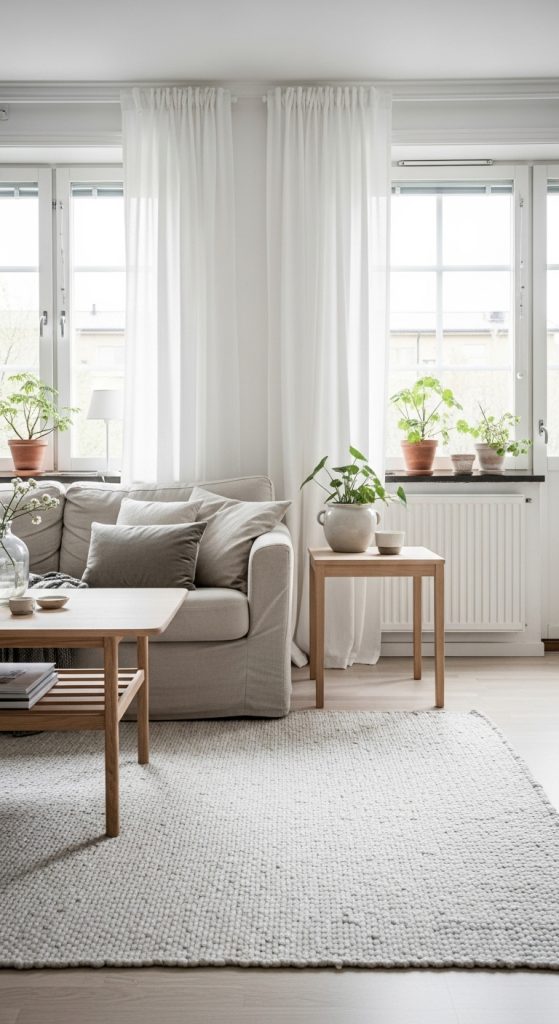


A soft color palette living room creates a sense of calm, warmth, and balance that welcomes relaxation and timeless beauty. In modern interior design, soft tones have become a signature of sophisticated minimalism and comfort. These colors include gentle neutrals, muted pastels, and natural hues that make spaces feel open, airy, and soothing. From creamy whites to light grays, blush pinks, and soft sage greens, a delicate palette can transform even the smallest living room into a tranquil retreat.
The key to achieving a soft color palette design is thoughtful coordination of tones, textures, and lighting. While these spaces may appear simple, their beauty lies in subtlety — the harmony between materials and colors. Soft palettes pair well with natural materials like linen, rattan, and wood, emphasizing comfort and authenticity.
Before starting your living room makeover, plan the dominant colors, complementary accents, and the overall theme. Consider how natural light interacts with your chosen shades, and incorporate layers through textiles, furniture finishes, and décor pieces. Whether you prefer a coastal-inspired scheme, a modern farmhouse look, or Scandinavian simplicity, soft color palettes can adapt beautifully to any design style.
The following ten ideas explore how to create elegant, soft-toned living rooms using different color combinations and styling techniques.

Preparation and Materials Needed
Before redesigning your living room, gather inspiration and materials that fit within a cohesive soft palette. Begin by selecting three core colors — a dominant base, a secondary hue, and a subtle accent. Examples include white, beige, and blush; or gray, ivory, and sage. Having a defined palette ensures that your decor feels intentional and balanced.
Materials and items to consider:
- Neutral-toned wall paint or wallpaper
- Soft furnishings such as linen curtains, cotton throws, and textured rugs
- Wooden furniture in light or natural finishes
- Metallic accents in brushed gold, silver, or matte black for contrast
- Cushions and upholstery in muted pastel or neutral shades
- Ambient lighting such as table lamps and wall sconces with warm bulbs
- Artwork or photography in minimal or soft color schemes
It is essential to prepare the space by decluttering and ensuring ample natural light. Keep windows uncovered or use sheer fabrics that allow sunlight to enhance the gentle tones. Avoid overly bright colors or heavy patterns, as they can overwhelm the room’s serene atmosphere.
Once the foundation is set, layering materials and textures will add depth, ensuring that the soft color palette feels sophisticated rather than plain.

1. Beige and Cream Serenity
A beige and cream color palette offers a timeless look that feels both cozy and elegant. These tones create a seamless backdrop that allows texture and shape to take center stage. Begin with cream-colored walls and complement them with beige or taupe sofas and armchairs. Add dimension through materials like linen cushions, jute rugs, and natural wood furniture.
For warmth, incorporate brass or gold accents in lamps or frames. Subtle greenery, such as potted ferns or eucalyptus, introduces a touch of freshness without overpowering the soft palette. Natural light enhances the overall softness of beige and cream, making the room appear open and harmonious.
This design is ideal for homes that emphasize simplicity and comfort. The muted tones adapt easily to both modern and traditional interiors. By focusing on texture — woven throws, rattan baskets, and layered drapery — you can create a soothing living room that embodies understated luxury.
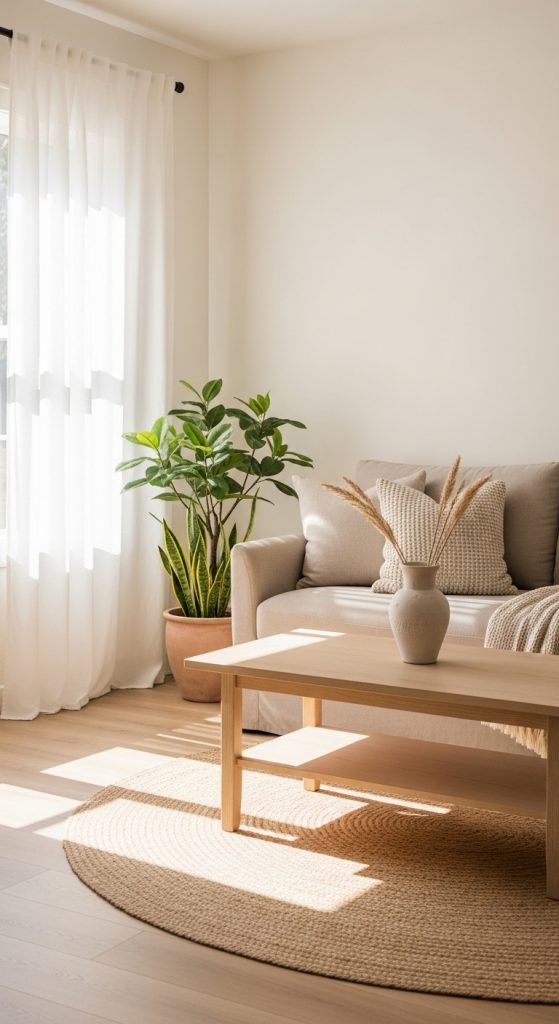
2. Gray and White Harmony
The combination of gray and white is modern, versatile, and perfectly suited for creating a soft, balanced living space. Start with a light gray base on the walls or choose white walls with gray trim for a subtle contrast. Select furniture in shades of dove gray or pearl white and add cushions in different tones to create layers.

Textures are essential to prevent the palette from feeling too sterile. Mix materials such as velvet, linen, and wool for a cozy atmosphere. Incorporate wooden or metallic elements in side tables or lamp bases to add warmth and structure.
Soft gray tones reflect natural light beautifully, especially when paired with white curtains or sheer drapes. To maintain the serene look, keep decorative elements minimal. This combination works well for both minimalist and contemporary interiors, providing a timeless aesthetic that feels effortlessly refined.
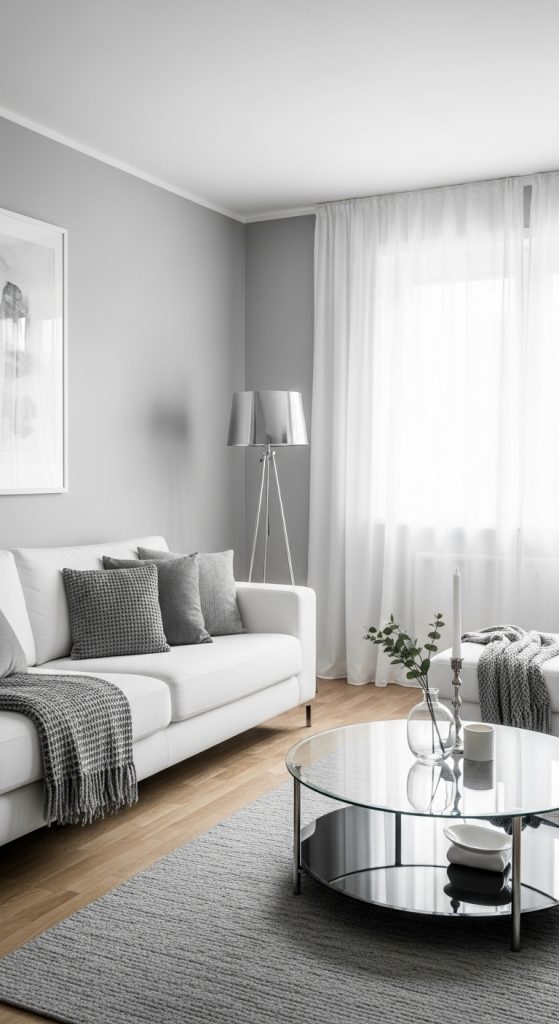
3. Blush and Ivory Romance
Blush pink paired with ivory brings subtle femininity and warmth to a living room without being overpowering. Choose an ivory wall color as the base to maintain brightness, then introduce blush through accessories like throw pillows, curtains, or area rugs. The soft pink hue adds personality and comfort while still aligning with a neutral palette.
Combine the colors with metallic accents like rose gold or brushed brass for sophistication. Natural woods or woven textures also blend beautifully with blush tones, softening the overall aesthetic.

To complete the look, consider artwork or floral arrangements that incorporate muted pinks and creams. Blush and ivory living rooms evoke tranquility and charm, perfect for creating an inviting space that feels elegant and nurturing.
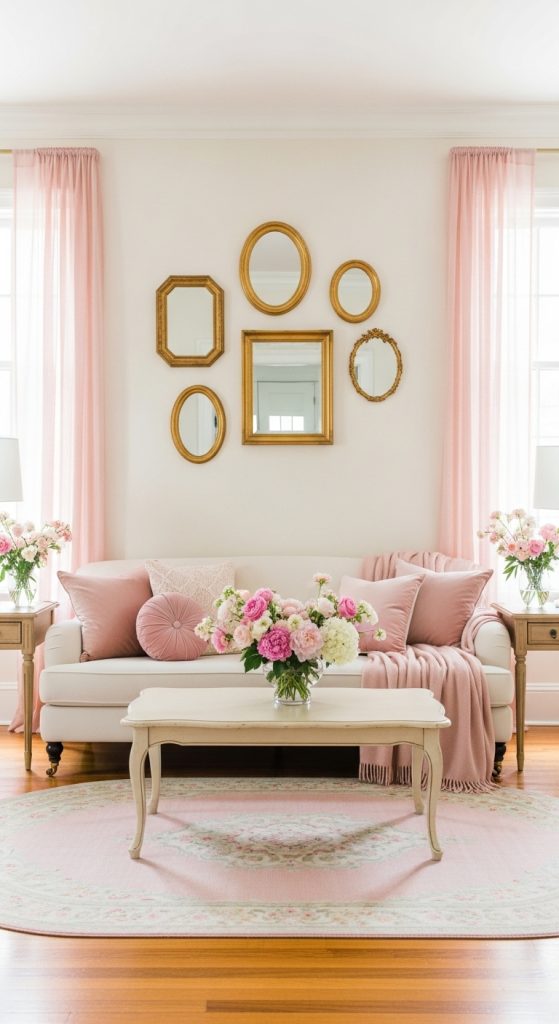
4. Sage Green and White Balance
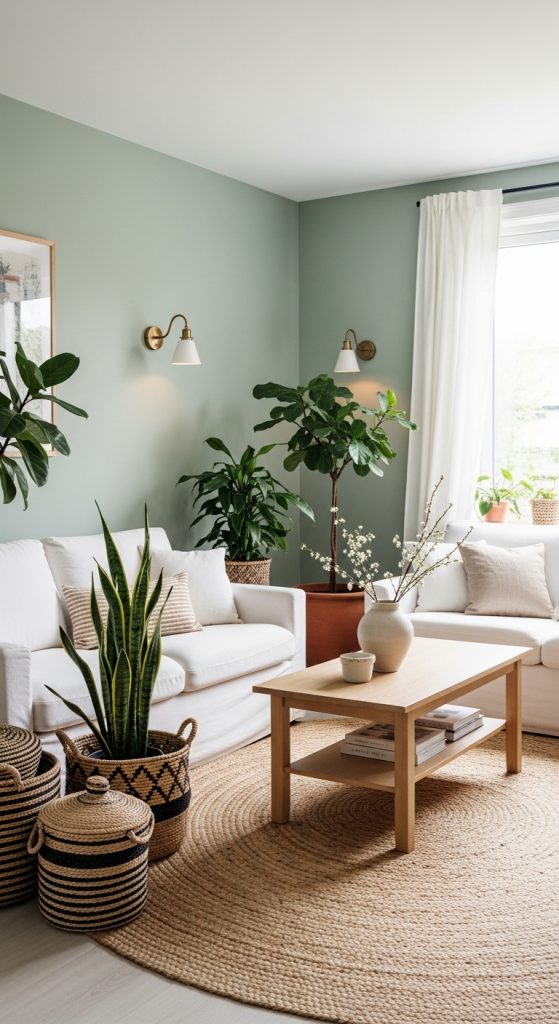
Sage green offers a fresh and calming effect, making it an excellent choice for soft color palette interiors. Pair it with white or off-white tones to enhance light and create an airy environment. Paint one accent wall in sage green or incorporate the shade through furniture upholstery or decorative pieces.
Natural wood furniture and woven elements like baskets or jute rugs add warmth and organic balance. Complement the palette with botanical decor, such as potted plants or floral prints, which harmonize perfectly with sage tones.
Soft lighting plays a crucial role in this design. Choose warm bulbs and simple fixtures to create a gentle ambiance. The sage and white combination blends nature-inspired calmness with timeless simplicity, ideal for contemporary or farmhouse-style homes.
5. Soft Blue Coastal Calm
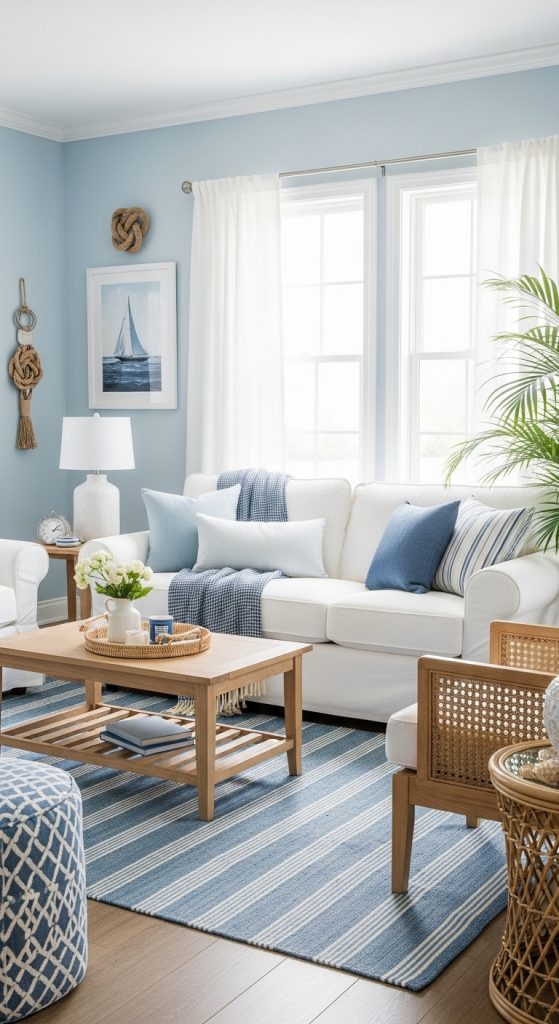
A soft blue palette brings the serenity of the coast into your living room. Choose shades like sky blue, powder blue, or pale turquoise for walls, furniture, or accessories. Balance these cool tones with off-white or sand-colored accents for a breezy, open feel.
Use natural materials such as wicker, rattan, and light oak to reinforce the coastal inspiration. Add subtle nautical details like striped cushions or ocean-themed artwork for personality without overpowering the softness.
Soft blue encourages relaxation, making it perfect for spaces designed for unwinding. Its versatility allows it to pair beautifully with white or beige, resulting in a fresh and timeless aesthetic. This palette works well in both modern apartments and beachside homes, offering a refreshing yet soothing atmosphere.
6. Warm Taupe and Linen Blend
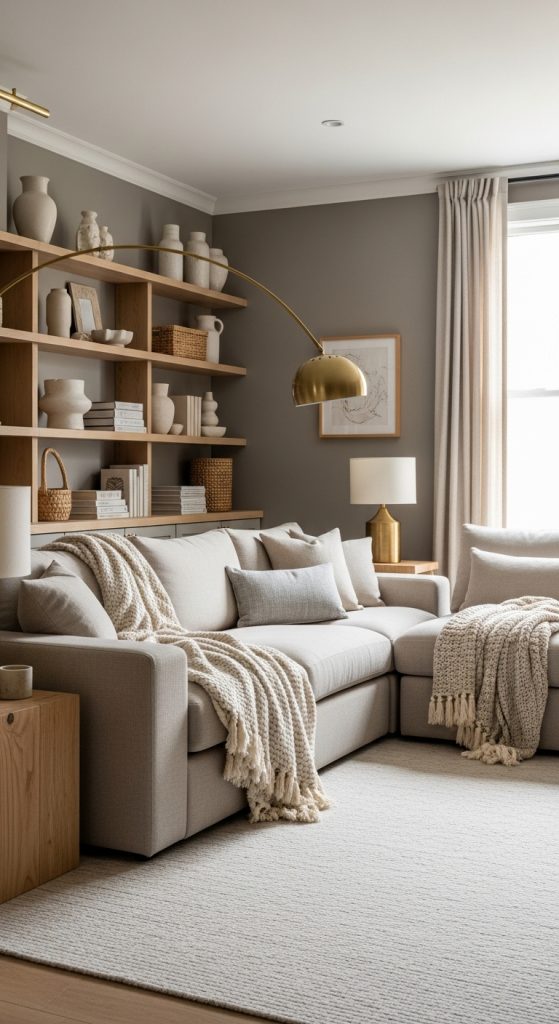
Warm taupe combined with linen tones produces a grounded and elegant living room. These earthy neutrals exude natural warmth while maintaining the softness of a muted color scheme. Start with taupe walls or upholstery and layer lighter fabrics such as cream or sand-colored throws and cushions.
To enhance the organic feel, incorporate materials like raw wood, linen curtains, and wool rugs. Brass or black metal accents can add contrast without overpowering the palette. Natural lighting complements taupe’s subtle undertones, creating an inviting, cozy mood.
This color pairing is ideal for homeowners who prefer a timeless look that feels comfortable yet sophisticated. The blend of warm tones and textured fabrics results in a versatile design suitable for all seasons.
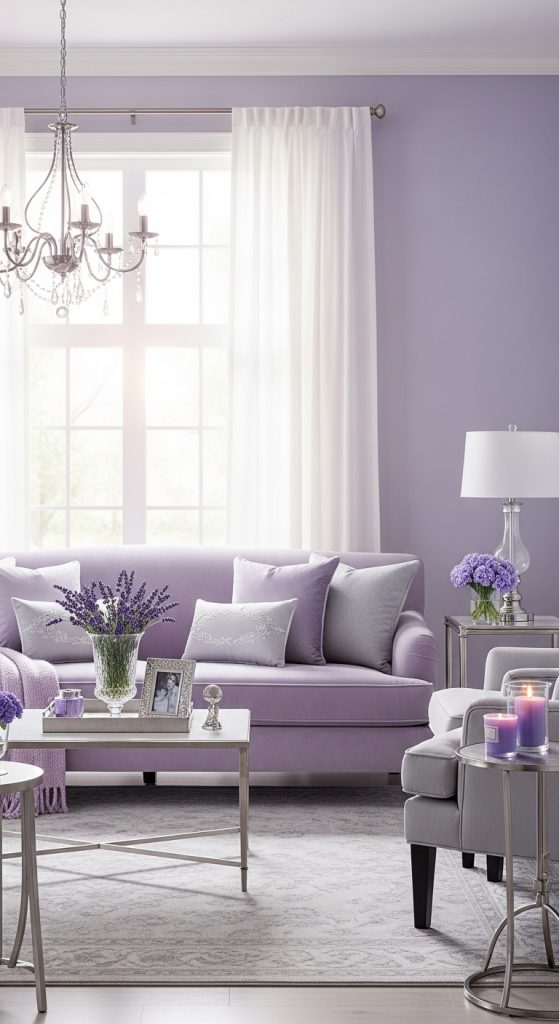
7. Misty Lavender and Gray Elegance
Misty lavender paired with gray offers a soft, elegant, and slightly romantic look. Choose a light lavender tone for walls or accent pillows and balance it with gray furniture or rugs. The cool undertones of both colors create a calm and harmonious setting.
Add depth by mixing materials like velvet cushions, linen curtains, and glass accessories. Metallic finishes in silver or brushed nickel complement lavender’s gentle hue and introduce a touch of sophistication.

Keep the lighting soft and diffused with table lamps and warm bulbs. Artwork featuring botanical or abstract motifs can tie the colors together beautifully. This palette works exceptionally well for those who want to add subtle color while maintaining a tranquil and refined atmosphere.
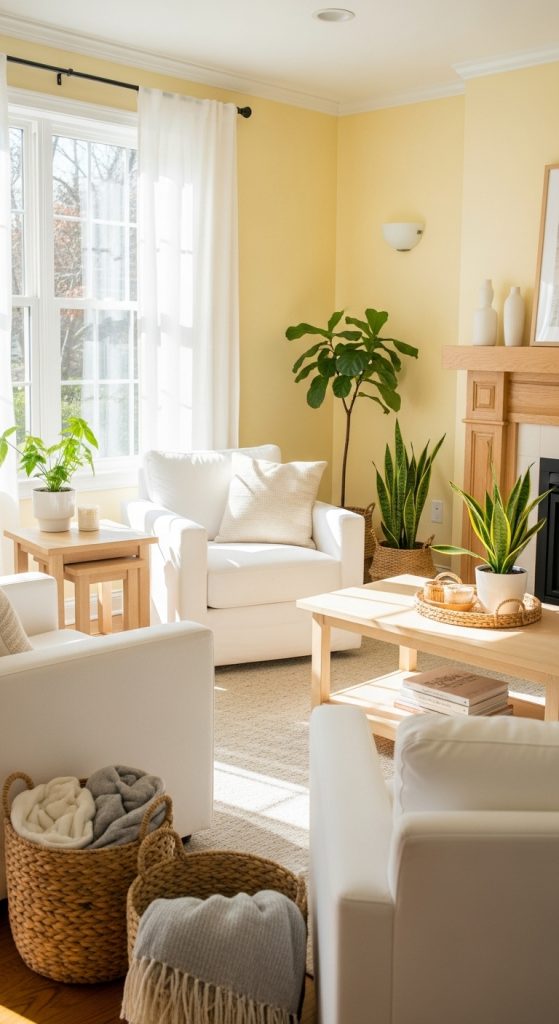
8. Pale Yellow and White Radiance
Pale yellow brings cheerful warmth to a living room while maintaining the softness of a neutral palette. Use pale yellow walls or accent pieces to create a gentle, sunny atmosphere without overwhelming brightness. Pair it with white furnishings and natural wood accents to balance the tones.
Incorporate cozy fabrics like cotton or linen in neutral shades for a light and airy effect. Add decorative elements such as wicker baskets, jute rugs, or ceramic vases for texture and visual interest.
Soft yellow tones enhance natural light, making the space feel welcoming and optimistic. This combination works particularly well in homes where you want to evoke warmth, positivity, and comfort throughout the year.

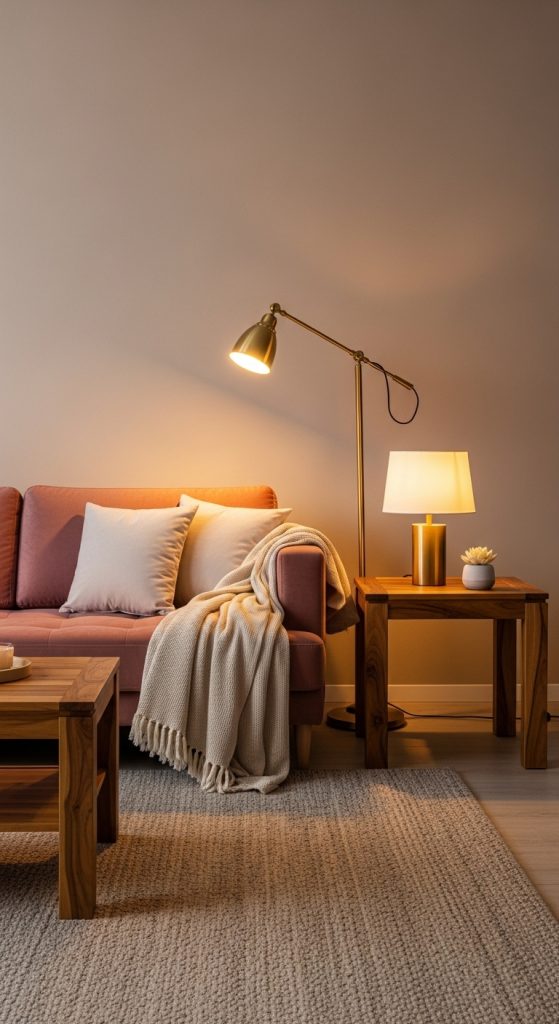
9. Dusty Rose and Beige Warmth
Dusty rose and beige combine beautifully for a sophisticated yet inviting color palette. Begin with beige as the dominant tone for walls and large furniture pieces. Introduce dusty rose through cushions, curtains, or artwork to create gentle contrast.
To keep the palette soft and cohesive, avoid overly bright pinks and choose muted shades with warm undertones. Wooden furniture, cream rugs, and brass accents complement the colors perfectly.
This combination adds warmth and personality without straying from the soft aesthetic. Dusty rose and beige evoke comfort, making them ideal for living rooms that double as both stylish and cozy spaces. The mix of neutral and subtle color ensures timeless appeal.
10. White and Natural Wood Minimalism
A classic combination of white and natural wood defines modern farmhouse and Scandinavian interiors. White walls create a clean, spacious canvas, while light wood tones in flooring, furniture, or shelving introduce natural warmth. The contrast is subtle yet visually pleasing.

Add soft textiles like linen curtains, wool throws, and cotton cushions in ivory or beige tones to enhance the coziness. Decorative accents such as ceramic vases, greenery, and simple wall art complete the look.
Lighting is essential in this palette. Choose warm, diffused lighting that highlights the natural grain of the wood. This pairing offers a serene and timeless living room aesthetic that feels both airy and grounded — a perfect balance between minimalism and comfort.