Interior decorating styles are the foundation of creating beautiful, functional, and personalized living spaces. Each style offers a unique atmosphere, color palette, furniture choices, and decorative elements. Understanding these styles allows homeowners to express their personality while achieving a harmonious environment. This guide explores ten popular interior decorating styles, along with preparation material, tips, and implementation ideas.
1. Minimalist Style
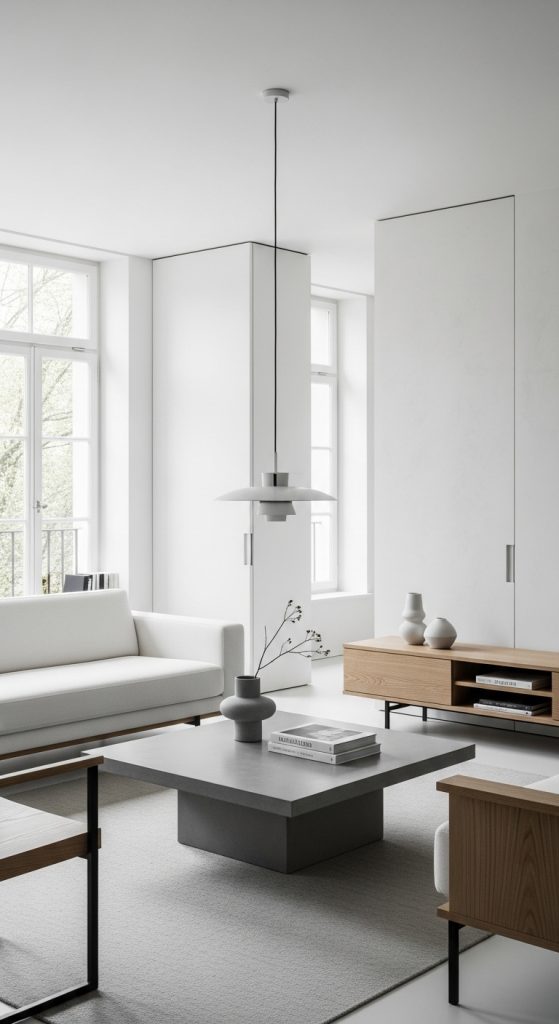
Minimalist interior design emphasizes simplicity, functionality, and clean lines. The philosophy behind minimalism is that less is more. This style prioritizes uncluttered spaces, neutral color palettes, and essential furniture with clean geometric shapes. Materials such as wood, metal, glass, and concrete are commonly used to create a sleek and modern environment. Minimalist spaces often use hidden storage solutions to reduce visual clutter while maintaining practicality. Lighting is a critical aspect, with natural light playing a prominent role in enhancing the simplicity and serenity of the space. To prepare for a minimalist makeover, decluttering your home is essential. Evaluate your belongings and prioritize only items that are functional or bring joy. Focus on furniture with multi-functional uses and avoid excessive decorative accessories. Neutral tones like white, beige, grey, and black dominate this style, with occasional accent colors to provide visual interest. Minimalism encourages thoughtful placement of furniture and decoration. Open floor plans and spacious layouts are preferred, creating a sense of calm and order. This style is ideal for those seeking a peaceful, modern environment that feels airy and organized. It is low-maintenance yet stylish, making it suitable for busy individuals.
2. Scandinavian Style
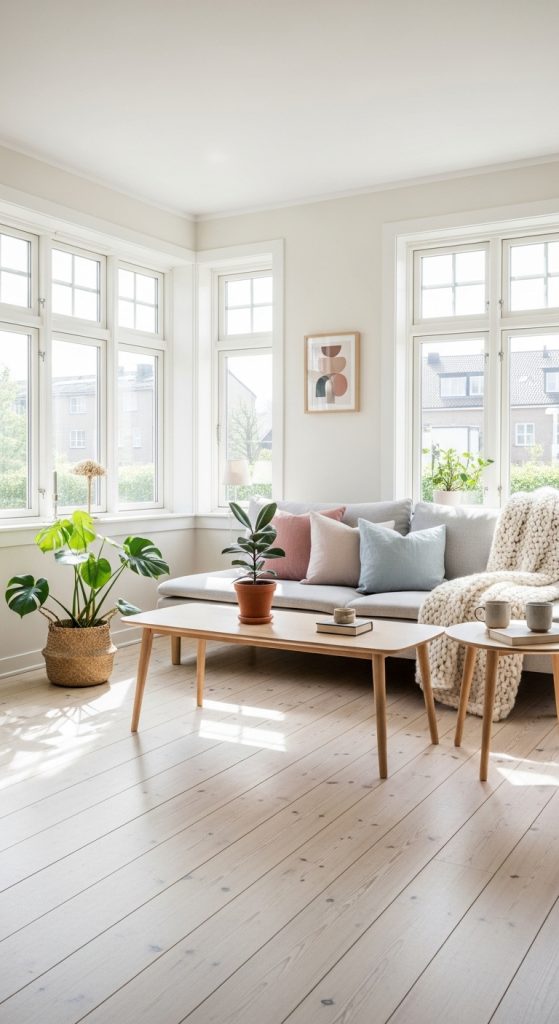
Scandinavian design is inspired by the Nordic countries and focuses on simplicity, functionality, and natural elements. It blends minimalism with warmth and comfort, creating a cozy yet modern atmosphere. Neutral colors such as white, grey, and soft pastels dominate the palette, often complemented by natural wood tones and greenery. Furniture in Scandinavian interiors is simple, functional, and well-crafted, often using light-colored wood. Soft textiles like wool, cotton, and linen are incorporated to add texture and warmth to the space. Lighting is essential in Scandinavian homes due to the long winter months, so large windows and carefully selected lamps are key features. To implement this style, start by decluttering and using only essential furnishings. Incorporate natural materials wherever possible, including wooden floors, furniture, and woven baskets. Neutral tones form the base, while soft accent colors like blush pink or light blue can be added for interest. Plants and greenery are important in creating a connection with nature and enhancing the feeling of freshness. Scandinavian style is also known for practical and smart storage solutions that maintain organization. This style suits people who want a bright, airy home with a welcoming and functional ambiance. Combining simplicity with cozy elements makes it timeless and versatile for various spaces.
3. Industrial Style
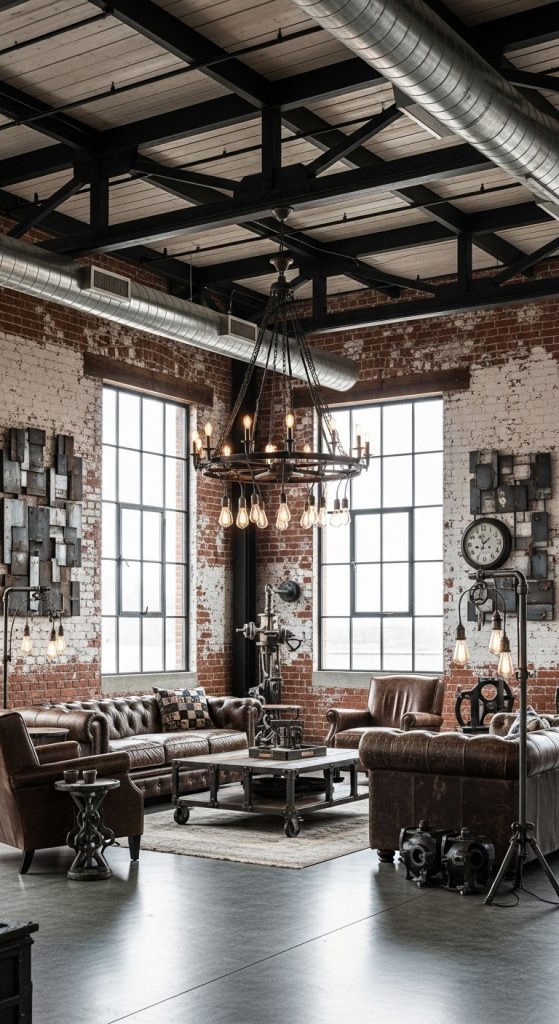
Industrial interior design is inspired by old factories and warehouses. It embraces raw materials, exposed structures, and a utilitarian aesthetic. This style often features exposed brick walls, metal beams, concrete floors, and open ceilings. Furniture is usually made of metal, wood, or leather, with designs that are sturdy and functional. Neutral tones, especially greys, browns, and blacks, dominate the color palette, creating a raw yet stylish environment. Lighting fixtures such as hanging pendants and Edison bulbs add character and reflect the industrial vibe. To prepare a home for an industrial makeover, focus on structural features and open layouts. Remove unnecessary partitions to achieve a loft-like atmosphere. Embrace unfinished surfaces such as bare walls, raw wood, and metal finishes. Industrial design also encourages repurposing old furniture, vintage items, and factory-inspired décor. Storage solutions often combine metal and wood, complementing the rugged aesthetic. The industrial style works best in spaces with high ceilings and open floor plans but can be adapted to smaller areas with careful furniture placement. Accessories should be minimal, with an emphasis on functionality over decoration. This style is ideal for those who appreciate urban, edgy, and unconventional interiors, blending modern living with historical charm.
4. Bohemian Style
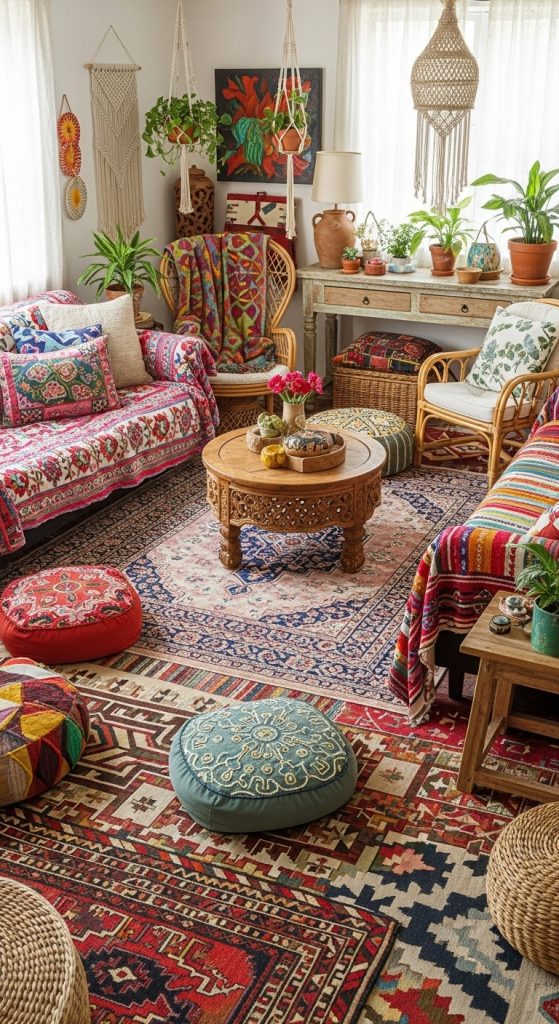
Bohemian, or boho, interior design is eclectic, vibrant, and artistic. It is characterized by a mix of patterns, textures, and colors that create a lively and relaxed environment. Bohemian spaces often incorporate vintage furniture, handmade décor, and globally inspired textiles such as Moroccan rugs, Indian prints, and African patterns. Natural materials like wood, rattan, and bamboo are frequently used. Layered rugs, cushions, and wall hangings add warmth and a personal touch. Bohemian design embraces individuality, encouraging homeowners to express their personality through diverse collections of art, souvenirs, and handcrafted items. To prepare for a boho makeover, start by collecting unique pieces that have meaning or tell a story. Mix and match colors, textures, and patterns without strict adherence to rules. Use plants to enhance the connection with nature and create a lush, inviting atmosphere. Low seating options like floor cushions and poufs are common, along with cozy throws. Lighting can be soft and ambient, using lanterns, fairy lights, or candles. This style suits creative individuals who enjoy a relaxed, casual, and artistic living environment. It is ideal for spaces that welcome personality, storytelling, and a sense of freedom in interior decoration.
5. Traditional Style
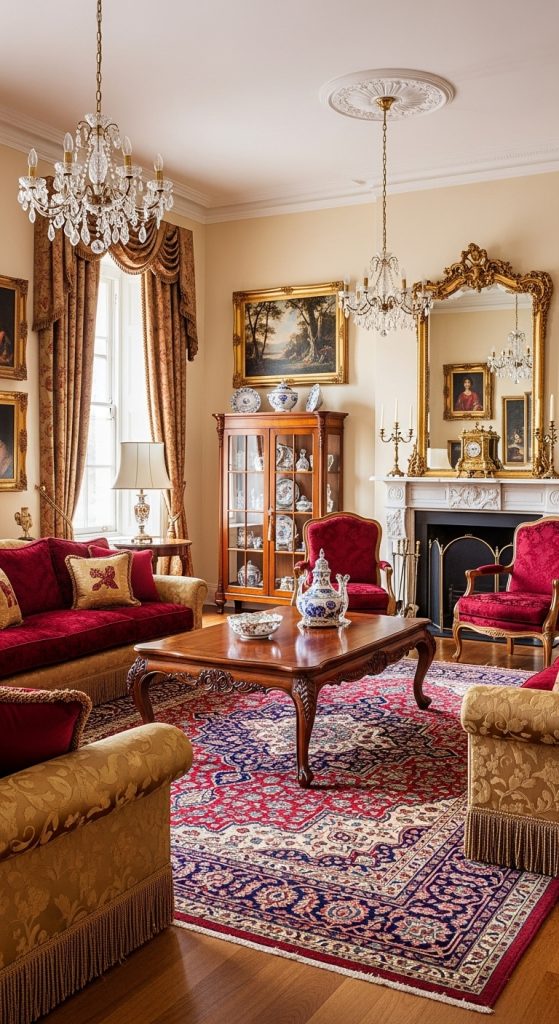
Traditional interior design draws inspiration from classical European aesthetics, emphasizing elegance, symmetry, and rich detailing. This style often features ornate furniture, luxurious fabrics, and decorative moldings. Wood, marble, and fine textiles like silk and velvet are commonly used. Traditional spaces often use warm and neutral color palettes, including deep reds, greens, and golds. Furniture is typically heavy and well-crafted, with intricate carvings or polished finishes. Accessories such as chandeliers, framed artwork, and rugs complete the sophisticated look. To prepare for a traditional interior, focus on selecting timeless, quality furniture that complements the overall theme. Use symmetry in furniture placement to create a balanced and harmonious space. Layering rugs, drapes, and upholstery adds texture and richness. Incorporate classic patterns such as florals, damask, or paisley in fabrics and wallpapers. Lighting should be elegant, with chandeliers, sconces, and lamps that provide warm illumination. This style also encourages the use of antiques or heirlooms to enhance authenticity and history. Traditional interior design is suitable for those who prefer classic elegance, luxury, and a sense of grandeur. It creates a comfortable yet refined home environment with enduring appeal.
6. Mid-Century Modern Style
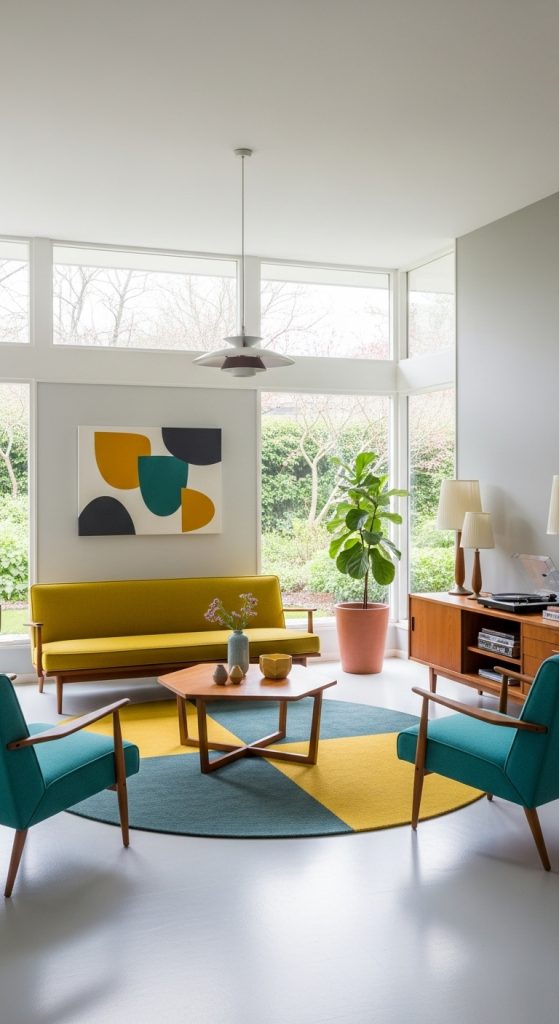
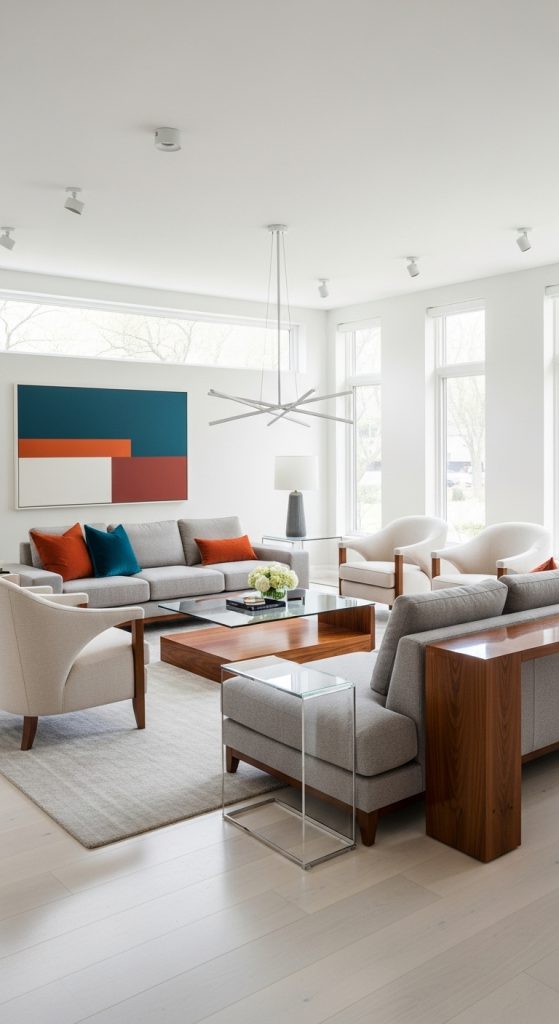
Mid-century modern interior design emerged in the mid-20th century and emphasizes simplicity, clean lines, and functional furniture. It combines organic and geometric shapes, often using natural materials like wood, leather, and metal. The style features bold colors such as mustard, teal, and olive green, alongside neutral backgrounds. Furniture in mid-century modern interiors is sleek, functional, and often low-profile, with iconic pieces such as the Eames lounge chair or minimalist wooden tables. Open floor plans, large windows, and a connection to the outdoors are key features. To implement this style, start by selecting furniture with clean lines and a retro-modern vibe. Use a combination of warm wood tones and bold accent colors to create visual interest. Minimal accessories and clutter-free surfaces maintain the style’s emphasis on simplicity. Lighting plays a vital role, with floor lamps, pendant lights, and statement fixtures highlighting the décor. Artworks with abstract or geometric designs complement the mid-century modern aesthetic. This style is ideal for individuals who appreciate vintage charm, timeless design, and functional yet stylish living spaces. It balances warmth, simplicity, and elegance for a modern lifestyle.
7. Contemporary Style
Contemporary interior design reflects the trends of the present time, emphasizing comfort, sophistication, and clean lines. Unlike modern design, contemporary interiors constantly evolve, incorporating elements from different styles while prioritizing minimalism and functionality. Neutral color palettes dominate, including shades of white, grey, and black, often accented with bold colors in décor or furniture. Materials such as glass, steel, and polished wood are commonly used. Furniture features sleek, streamlined shapes with an emphasis on comfort and practicality. To prepare a contemporary interior, start by decluttering and focusing on open, airy layouts. Choose furniture with clean lines and soft curves to enhance comfort. Incorporate modern technology seamlessly, such as smart lighting, sound systems, and appliances. Art and décor should be bold but minimal, using statement pieces rather than excessive ornamentation. Lighting is crucial, with natural light, floor lamps, and accent lights creating depth and mood. Contemporary design suits those who want a fresh, stylish, and adaptable home environment. It is versatile, allowing integration of other styles while maintaining a cohesive and sophisticated aesthetic.
8. Coastal Style
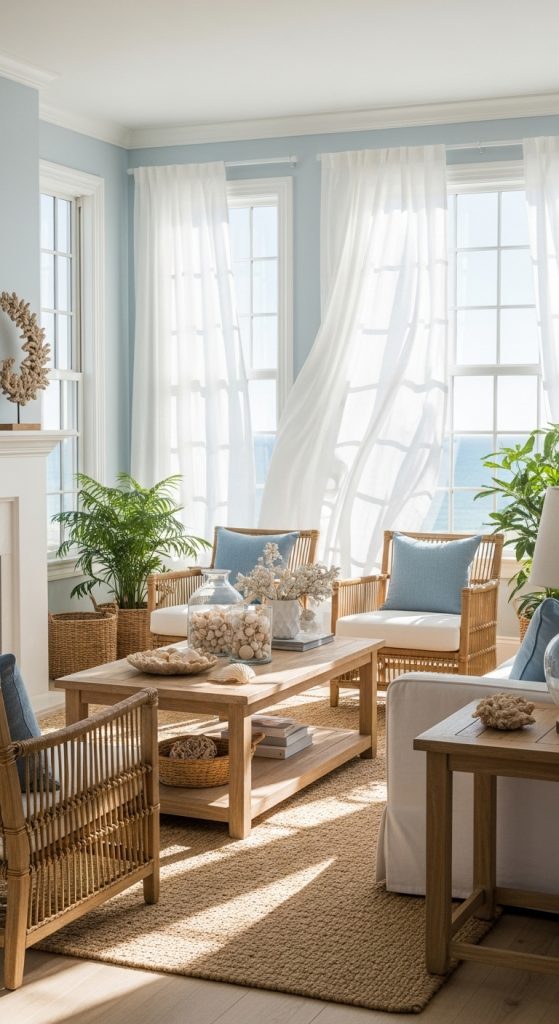
Coastal interior design is inspired by the beach, ocean, and seaside living. It emphasizes light, airy spaces, soft color palettes, and natural materials. Colors often include shades of blue, white, beige, and sandy tones, reflecting the sea and shore. Furniture is casual, comfortable, and often made of light woods or wicker. Natural fibers such as cotton, linen, and jute are commonly used in rugs, curtains, and upholstery. Décor often includes seashells, driftwood, nautical elements, and beach-inspired artwork. To prepare a home for a coastal makeover, focus on maximizing natural light and creating an open, breezy atmosphere. Use soft, flowing fabrics for curtains and cushions to enhance the relaxed vibe. Furniture should be comfortable yet functional, encouraging leisure and social gatherings. Layering textures like rugs, throws, and pillows adds depth and interest. Coastal design also emphasizes a connection with nature, including indoor plants or elements reminiscent of the sea. This style suits those seeking a tranquil, fresh, and relaxed living environment. It evokes the feeling of a permanent vacation by the sea, creating a cheerful and welcoming home.
9. Rustic Style
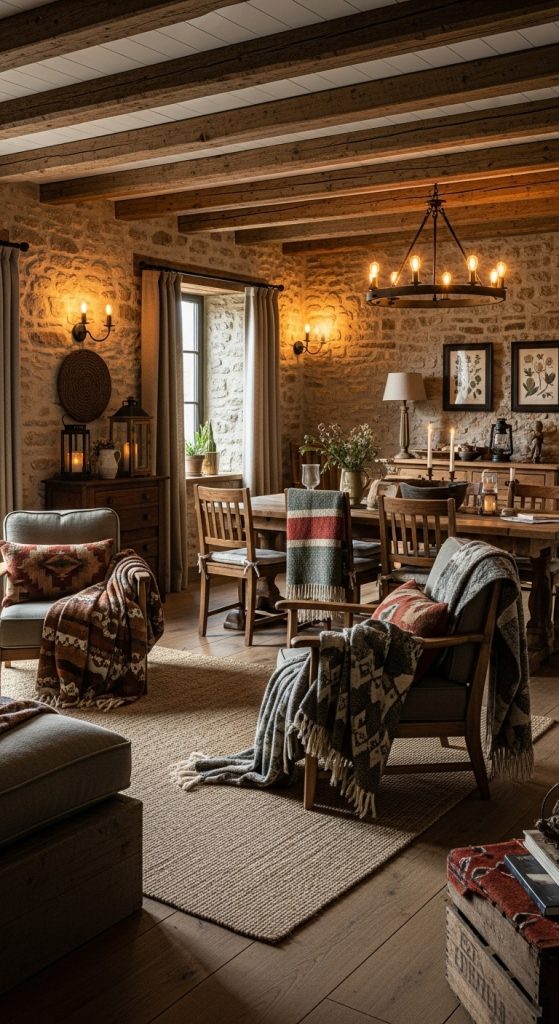
Rustic interior design emphasizes natural beauty, warmth, and a connection with the outdoors. It often incorporates raw materials such as wood, stone, leather, and metal. Furniture is sturdy, handcrafted, and functional, with a focus on comfort. The color palette includes earthy tones like browns, beiges, greens, and deep reds. Textures play an important role, with rough wood, woven fabrics, and exposed stone walls adding character and charm. Rustic design celebrates imperfection, highlighting natural materials and handmade décor. To prepare for a rustic makeover, start by selecting furniture and materials that reflect natural beauty and durability. Incorporate reclaimed wood, vintage pieces, and handmade accessories for authenticity. Use earthy colors as a base, complemented by warm accent tones. Layer textures with rugs, cushions, and throws to create cozy spaces. Lighting should be soft and warm, using lanterns, pendant lights, or wrought iron fixtures. Rustic design suits individuals who appreciate nature, craftsmanship, and a cozy, inviting home environment. It creates spaces that feel grounded, timeless, and welcoming, offering a sense of calm and comfort.
10. Glam Style
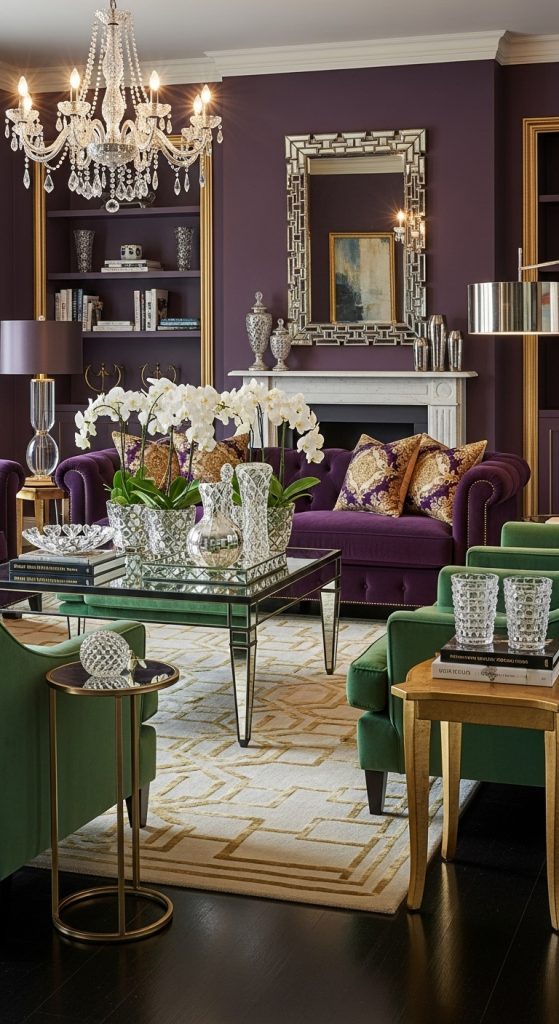
Glam interior design emphasizes luxury, elegance, and sophistication. It often incorporates bold colors, metallic accents, plush fabrics, and reflective surfaces. Furniture is stylish and often features tufted upholstery, mirrored surfaces, or metallic finishes. Rich colors like deep purple, emerald green, gold, and silver are commonly used alongside neutrals. Lighting plays a crucial role, with chandeliers, crystal lamps, and statement fixtures enhancing the luxurious ambiance. Accessories such as artwork, decorative mirrors, and opulent rugs add personality and elegance. To prepare a glam interior, focus on selecting high-quality, eye-catching furniture and décor. Layer textures with velvet cushions, silk curtains, and plush rugs. Metallic and mirrored accents should be strategically placed to reflect light and create visual impact. Incorporate statement lighting as a focal point in rooms. Glam design is ideal for those who enjoy sophistication, drama, and a touch of luxury in their homes. It transforms spaces into elegant and stylish environments that feel indulgent and inviting.