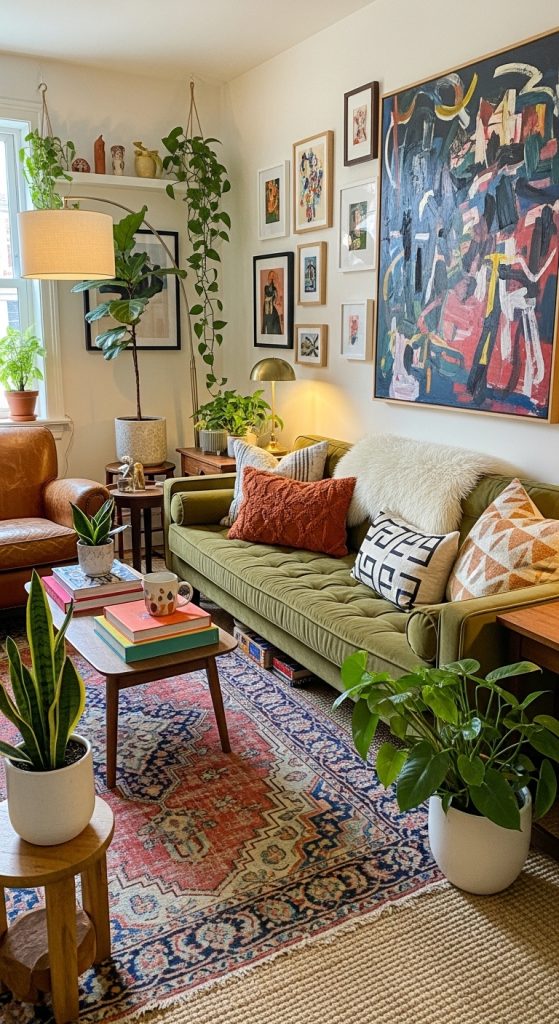
Creating a home that feels comfortable, stylish, and functional can be both exciting and challenging. Whether you are building a new house, renovating an old one, or simply looking to refresh your living space, finding inspiration is an essential first step. A well-designed home is not just about looks; it is about creating a space that reflects your personality, suits your lifestyle, and promotes wellbeing. Simple changes, thoughtful planning, and attention to detail can transform ordinary rooms into spaces that feel inviting and purposeful.
In this guide, we share ten practical and inspiring ideas for your home. Each idea focuses on a different aspect of home design, from interior layouts to color schemes, furniture choices, lighting, and outdoor spaces. You will also find preparation tips and suggestions for materials that make the implementation easier and more effective. These ideas are designed to be versatile, allowing you to adapt them according to your home size, budget, and personal taste. By the end of this article, you will have a set of actionable inspirations to make your home both beautiful and functional.
1. Open Plan Living
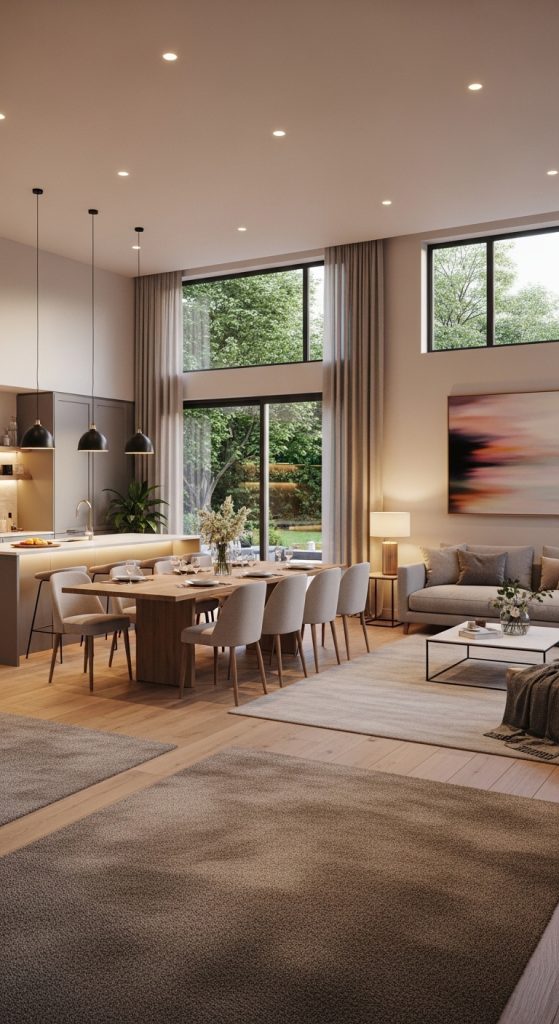
Open plan living is a popular design concept that removes unnecessary walls and divides spaces in a way that feels more connected. It combines the kitchen, dining area, and living room into a single large space. This design encourages interaction among family members and creates a feeling of spaciousness, even in smaller homes.
To prepare for an open plan layout, consider the structural changes required. Some walls may be load-bearing, so consulting a professional is essential. Think about how you will define different areas within the open space. Use furniture placement, rugs, or lighting zones to separate the living, dining, and cooking areas without enclosing them completely. Materials like hardwood or tile flooring that run continuously across the space can enhance the seamless look.
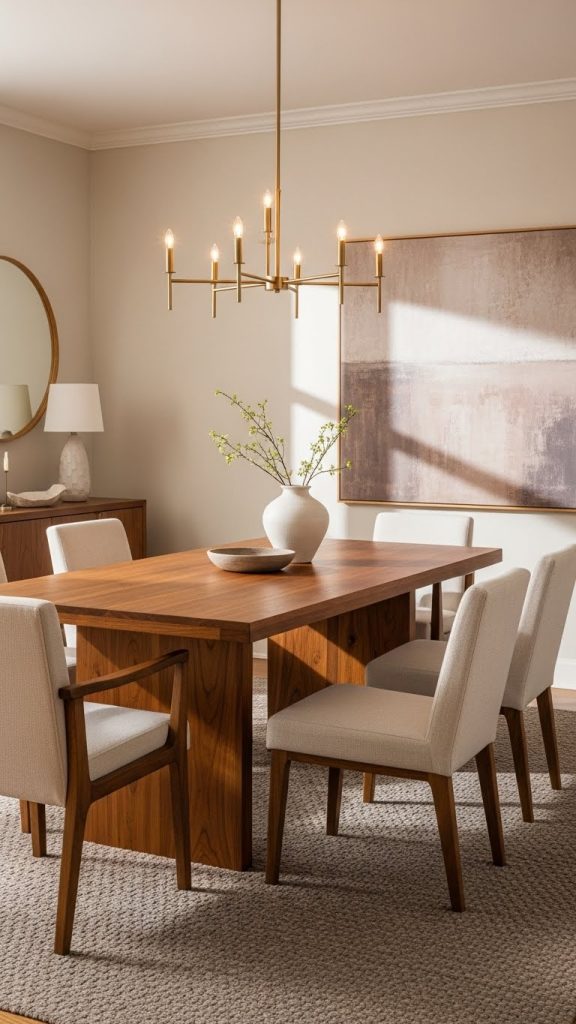
Open plan living also allows more natural light to flow through the house, improving mood and energy efficiency. Adding large windows or sliding doors can enhance this effect. Finally, keeping a consistent color palette and style throughout the area ensures a cohesive look. Open plan spaces work best with minimal clutter, so choose furniture and storage solutions that maintain order while supporting functionality.
2. Natural Light Optimization
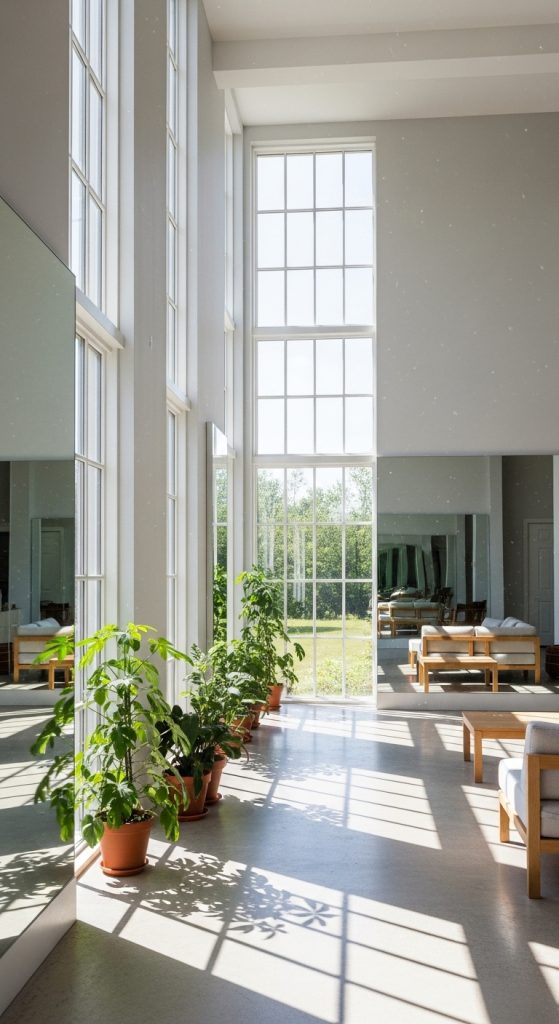
Maximizing natural light in your home can transform the atmosphere, making rooms feel larger, warmer, and more inviting. Start by evaluating the orientation of your home and the position of windows. South-facing windows generally provide the most consistent light throughout the day, while north-facing windows offer softer, cooler illumination.
Preparation for natural light optimization may involve installing larger windows or skylights, which can require professional assistance for structural safety. Consider window treatments that allow light in while maintaining privacy, such as sheer curtains or blinds. Mirrors and reflective surfaces can amplify natural light, creating a brighter and more open feeling in your rooms.
The choice of colors and materials also affects light distribution. Light-colored walls, ceilings, and flooring reflect sunlight more effectively than darker shades. Using glass furniture or acrylic elements can further help light flow through the space. Landscaping outside windows, such as low shrubs instead of tall trees, can prevent blocking sunlight. Proper planning ensures that your home benefits from natural light throughout the day, reducing reliance on artificial lighting and enhancing energy efficiency.
3. Minimalist Design
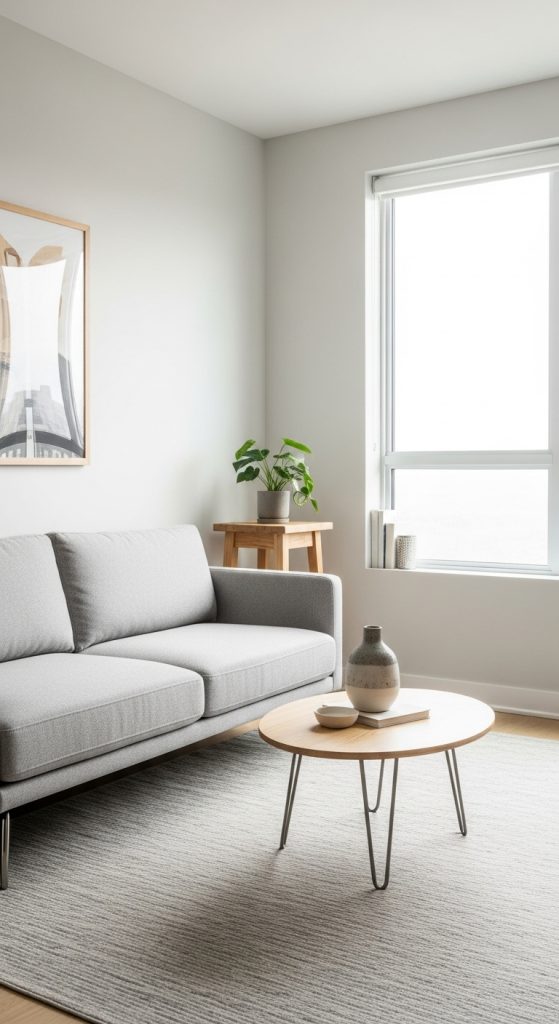
Minimalist design focuses on simplicity, functionality, and clean lines. It encourages decluttering and using only essential items, which creates a calm and organized home environment. Minimalism does not mean a lack of style; it emphasizes quality over quantity and thoughtful arrangement of furniture and decor.
Before implementing a minimalist design, start by assessing your existing items and removing unnecessary objects. Storage solutions, like built-in cabinets and hidden compartments, help maintain a neat space. Choosing neutral colors for walls and furniture enhances the feeling of simplicity and space. Materials like wood, metal, and glass work well with this aesthetic.
Lighting plays a key role in minimalist design. Soft, indirect lighting reduces visual clutter and highlights the beauty of simple elements. Keep decorations to a few statement pieces, such as artwork or a vase, rather than overloading surfaces. A minimalist approach also extends to technology; integrate appliances and electronics neatly to avoid disrupting the clean lines of your home. By embracing minimalism, your home can feel more open, peaceful, and visually appealing while maintaining practical functionality.
4. Cozy Reading Nooks
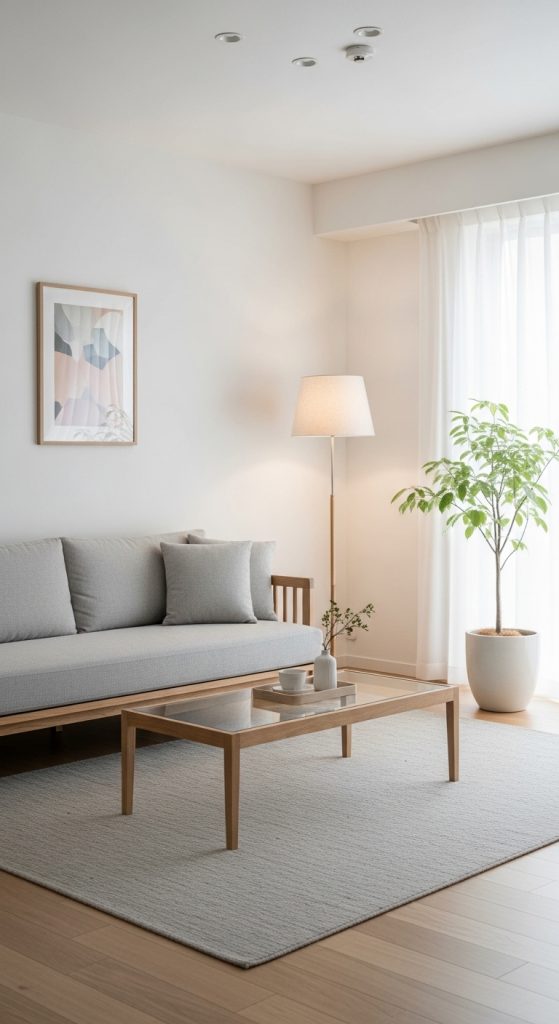
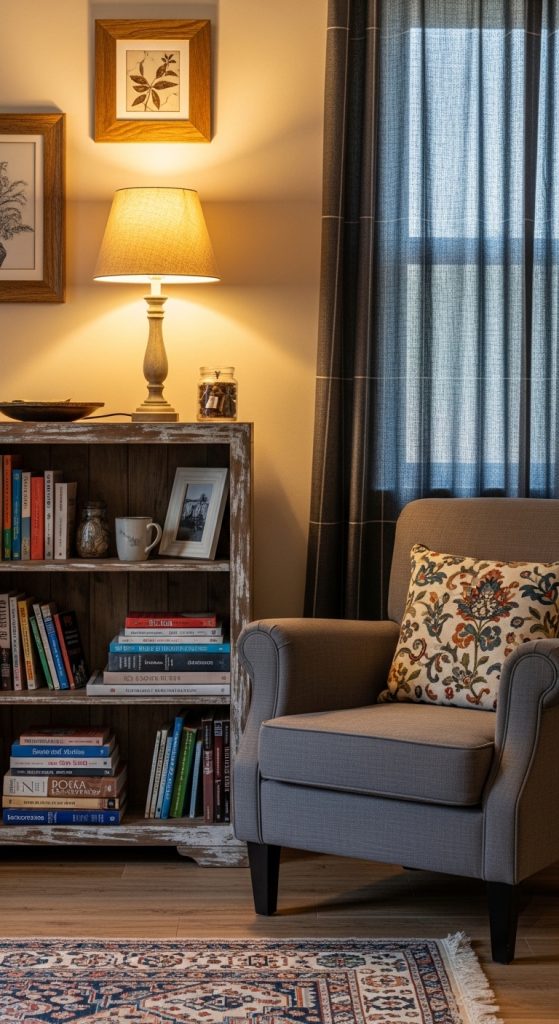
Creating a cozy reading nook is a simple way to add comfort and personality to your home. These small spaces provide a dedicated area for relaxation, reading, or quiet reflection. A well-designed nook can be placed in a corner of a living room, bedroom, or even by a window with a view of the outdoors.

Preparation involves selecting a suitable location with enough natural light and a sense of privacy. Comfortable seating is essential; consider a cushioned armchair, window seat, or small sofa. Add soft furnishings like throw blankets, pillows, and rugs to enhance coziness. Lighting is also important, so include a reading lamp with adjustable brightness.
Storage for books or magazines should be within easy reach. Small bookshelves, floating shelves, or baskets work well. Personal touches, such as artwork, plants, or decorative items, make the nook inviting. Choosing calming colors and textures contributes to the relaxing atmosphere. A reading nook does not require a large area; even a small corner can be transformed into a retreat. With careful planning, this idea adds warmth and functionality to any home.
5. Statement Walls
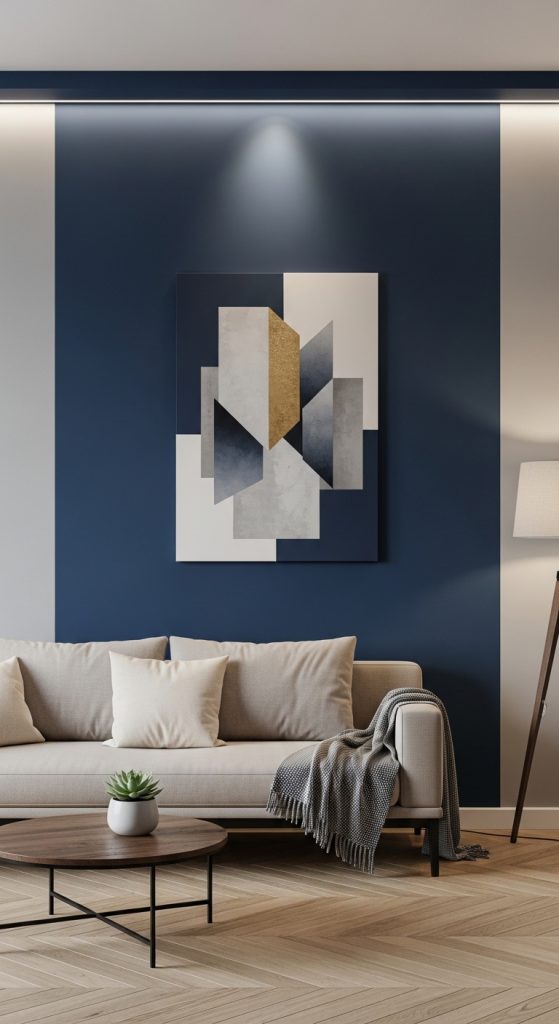
Statement walls, or accent walls, are an effective way to add personality and visual interest to a room without overwhelming the space. These walls draw attention and can highlight architectural features, artwork, or furniture. They are commonly painted in bold colors, decorated with wallpaper, or enhanced with textured materials like wood or brick.
Preparation involves selecting the right wall. Typically, the wall behind a sofa, bed, or fireplace works best. Measure the area accurately and choose materials that suit the room’s style. Paint is the simplest and most versatile option, while wallpaper or paneling can add texture and depth. Ensure proper surface preparation, including cleaning and priming, for long-lasting results.

Keep the surrounding decor neutral to allow the statement wall to stand out. Consider lighting that emphasizes the wall, such as spotlights or wall-mounted lamps. A statement wall can also define the mood of the room. For example, deep blues and greens create a calming effect, while vibrant reds or oranges energize the space. This simple addition can transform an ordinary room into a visually striking area that reflects your personal style.
6. Indoor Plants
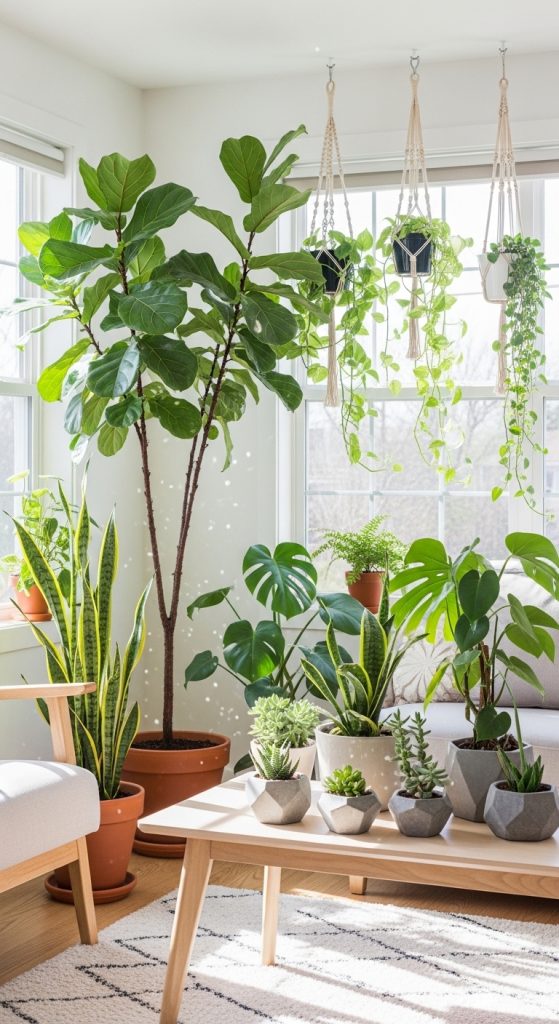
Indoor plants are a versatile and natural way to improve home aesthetics and air quality. They add life, color, and texture to any room while creating a calming environment. Popular options include pothos, snake plants, succulents, and peace lilies. Larger plants like fiddle leaf figs or rubber plants can serve as focal points.
Preparation involves selecting plants suitable for your home’s light conditions. Some plants thrive in direct sunlight, while others prefer shade or low light. Choose pots and planters that match your interior design and provide proper drainage to avoid root rot. Consider grouping plants in clusters or placing them at different heights using shelves, stands, or hanging planters for visual interest.
Indoor plants also improve air quality by reducing toxins and increasing oxygen levels. Regular care, including watering, pruning, and cleaning leaves, is necessary to maintain their health and appearance. Integrating plants into various areas, such as living rooms, kitchens, and bathrooms, enhances both aesthetics and wellbeing. Even a small plant collection can make a home feel vibrant, inviting, and connected to nature.

7. Functional Storage Solutions
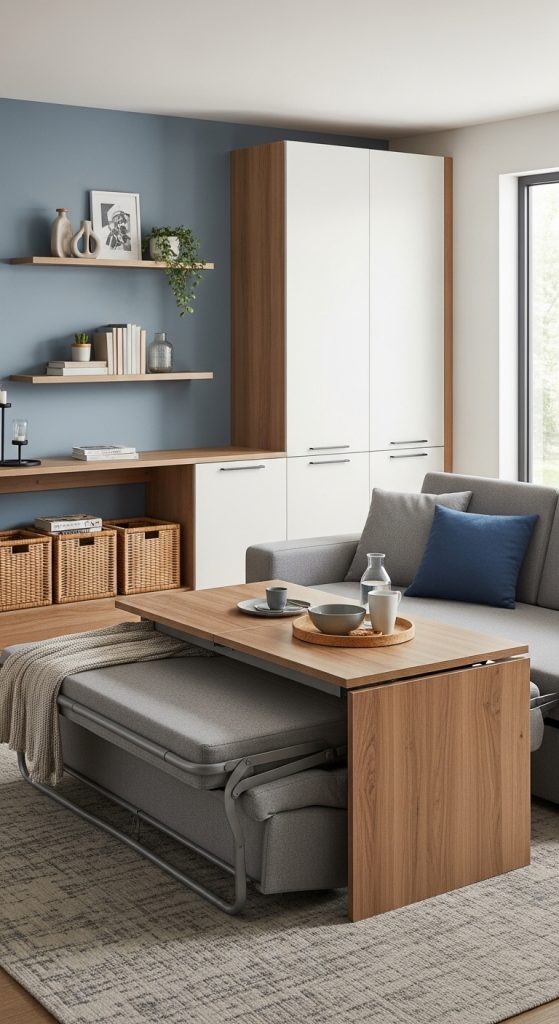
Effective storage solutions are essential for maintaining a clean and organized home. A clutter-free environment not only looks better but also improves daily efficiency and reduces stress. Functional storage includes built-in cabinets, floating shelves, under-bed drawers, and multi-purpose furniture with hidden compartments.
Preparation involves analyzing your storage needs and identifying areas prone to clutter. Measure the space carefully before purchasing or designing storage units. Choose materials and finishes that complement the room’s style while ensuring durability. Modular storage systems are flexible, allowing you to adapt them as your needs change.
Consider vertical storage options to make the most of available space. Hooks, wall-mounted shelves, and tall cabinets maximize functionality without taking up floor area. Storage solutions can also enhance aesthetics; matching baskets, decorative boxes, or color-coordinated organizers contribute to a cohesive look. Well-planned storage ensures everything has a designated place, making it easier to maintain an organized home. Functional storage allows your home to remain both practical and visually appealing.
8. Outdoor Living Spaces
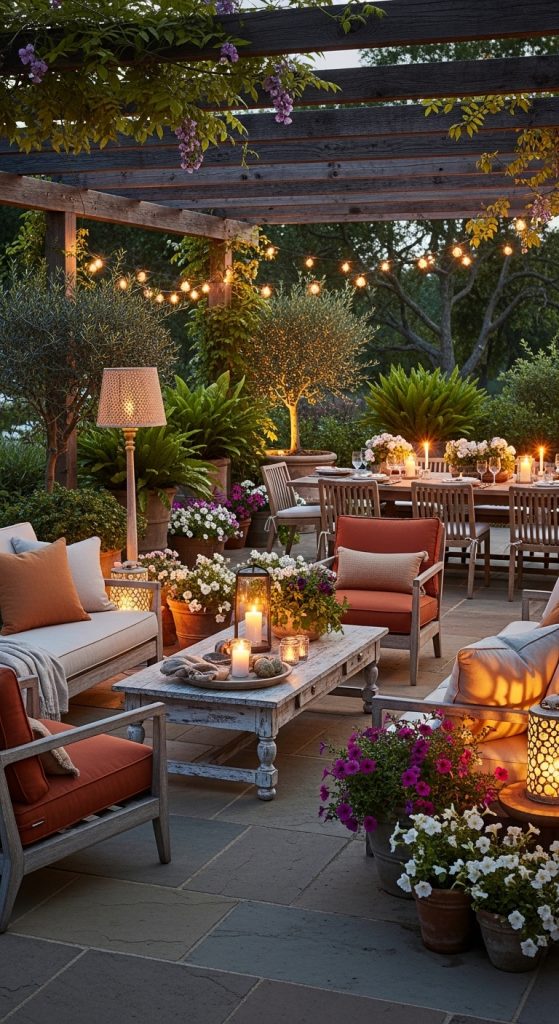
Creating outdoor living spaces extends your home’s usable area and encourages relaxation and socializing. Patios, decks, balconies, or gardens can serve as dining areas, lounges, or entertainment zones. Outdoor spaces allow you to enjoy nature while adding value to your home.

Preparation involves selecting a suitable location and considering weather conditions. Choose durable materials for flooring and furniture that can withstand sun, rain, and temperature changes. Popular options include wood, composite decking, stone, and metal furniture. Shade solutions, such as pergolas, umbrellas, or awnings, enhance comfort during sunny days.
Add greenery, potted plants, or small trees to create a welcoming environment. Outdoor lighting extends usability into the evening and adds ambiance. Accessories like cushions, rugs, and fire pits contribute to both style and function. Consider privacy screens or fences if your outdoor area is visible to neighbors. By planning carefully, your outdoor space becomes an extension of your home, providing a versatile area for work, leisure, and gatherings.
9. Smart Home Integration
Integrating smart home technology enhances convenience, security, and energy efficiency. Modern homes can include smart lighting, thermostats, security cameras, door locks, and voice-activated assistants. These systems allow you to control various functions remotely or automate them based on your routines.
Preparation requires planning your home’s electrical setup and internet connectivity. Identify the devices you want to install and ensure compatibility with each other. Consider starting with one or two systems, such as smart lighting and a thermostat, before expanding. Many smart devices are easy to install, while some may require professional assistance.
Smart home integration can save energy and reduce utility bills. Automated lighting and temperature control ensure that your home uses resources efficiently. Security devices like smart locks and cameras provide peace of mind. Additionally, these technologies can be customized to enhance comfort, such as creating automated morning routines or setting up voice commands for daily tasks. With proper planning, smart home solutions can make your home more functional, secure, and enjoyable.
10. Personal Style and Decor
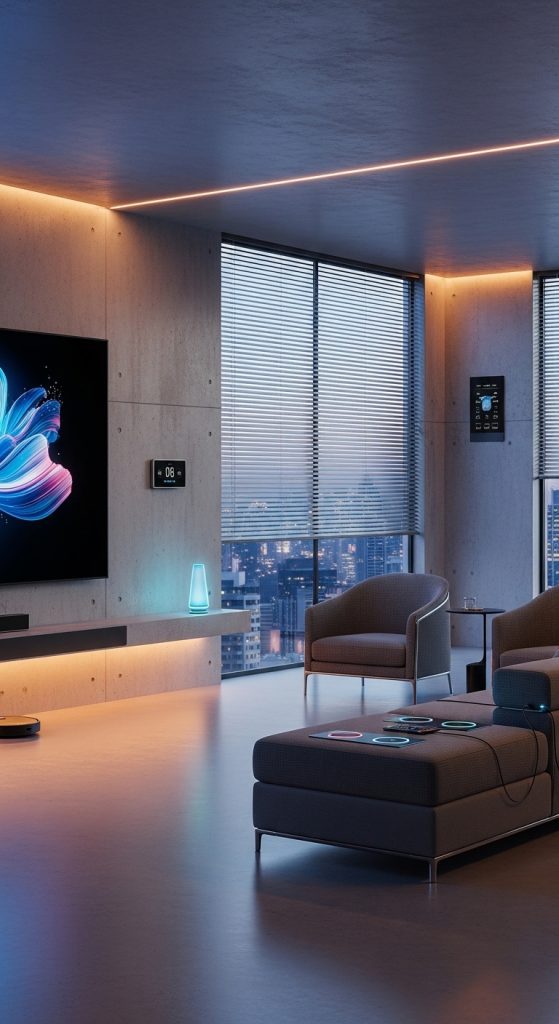
Your home should reflect your personal taste and lifestyle. Incorporating elements that resonate with you makes the space feel unique and comfortable. Personal style can include color schemes, artwork, furniture choices, and decorative items that express your personality.
Preparation involves exploring different styles, such as modern, rustic, bohemian, or Scandinavian, and identifying which elements appeal to you. Create a mood board to visualize how colors, textures, and furniture work together. Mixing patterns, materials, and finishes can add depth, but maintaining cohesion is key.
Decor items, such as cushions, rugs, paintings, or photo frames, give character to rooms. Choose pieces that have personal meaning or tell a story. Pay attention to balance; avoid overcrowding spaces with decorations, which can create a cluttered appearance. Lighting, plants, and accessories can enhance the overall effect. By thoughtfully curating your home, you create a space that is both functional and visually expressive, making it truly feel like your own.