Fashion is cyclical, and what once was old often becomes new again. The concept of vintage aesthetics celebrates styles from previous decades, blending classic pieces with modern touches to create timeless looks. Vintage outfits are not just about clothing; they capture the mood, culture, and elegance of eras gone by. From the polished silhouettes of the 1940s to the free-spirited vibes of the 1970s, vintage fashion continues to inspire those who want to express individuality with charm and authenticity.
Here are ten vintage aesthetic outfits that highlight the unique appeal of different decades and show how these styles can be worn today.
1. The 1920s Flapper Look
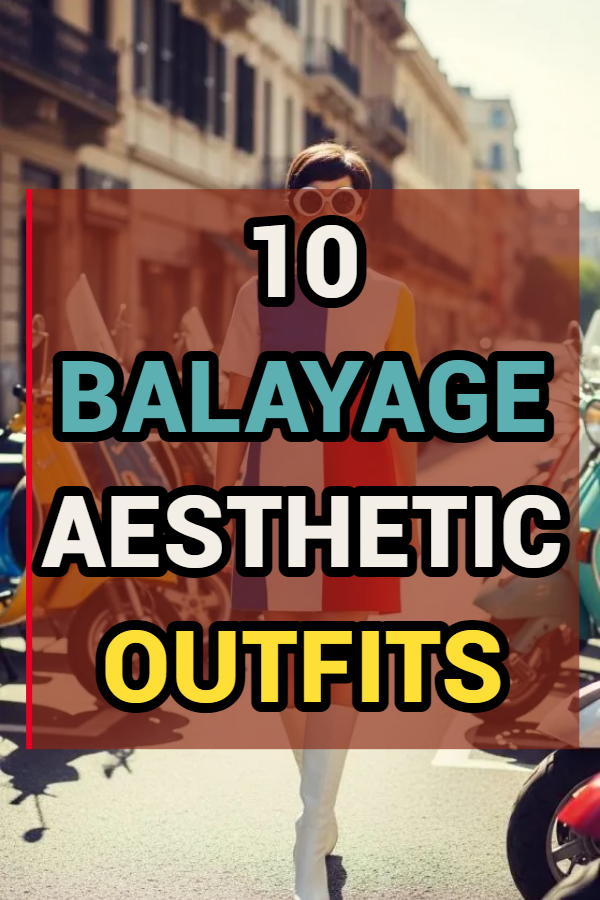
The 1920s was a decade of social change and newfound freedom, and fashion reflected this spirit. Flapper outfits became the symbol of the era. These featured knee-length dresses adorned with fringe, sequins, or beading. Dropped waists created a loose silhouette, contrasting the tightly cinched corsets of previous decades.
Accessories such as feathered headbands, long pearl necklaces, and T-strap shoes completed the look. A faux fur stole or a beaded clutch could add even more vintage charm. Modern interpretations of the flapper style may tone down the embellishments while keeping the signature silhouette, making it wearable for parties or themed events.
2. The 1930s Hollywood Glamour
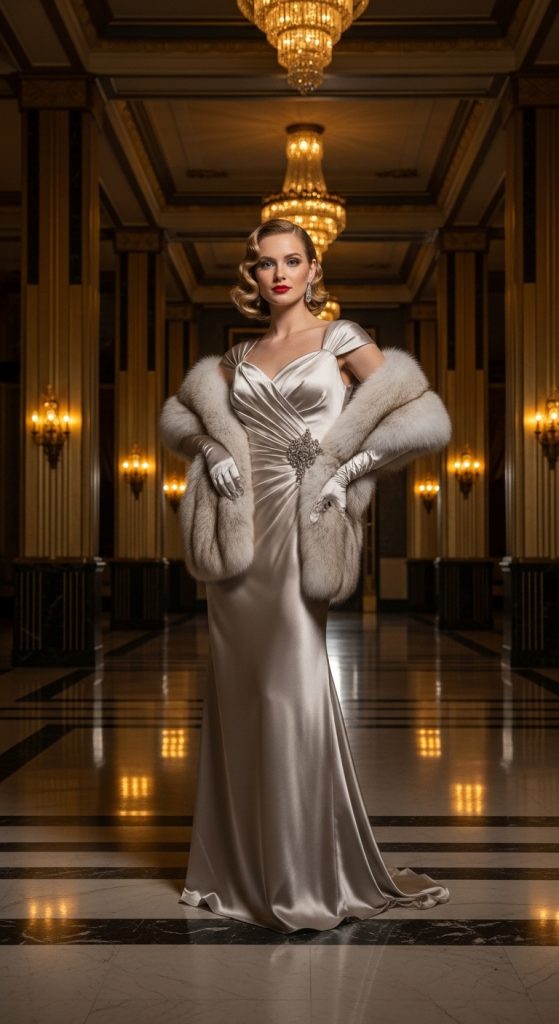
In the 1930s, Hollywood influenced fashion heavily. Women’s evening wear included elegant floor-length gowns made of satin or silk, often cut on the bias for a flowing effect. Gowns featured sweetheart necklines, cap sleeves, and figure-flattering designs.
For men, tuxedos with bow ties reflected the sophistication of the era. Adding accessories such as gloves, fur wraps, or sparkling brooches enhances the authenticity of this look. A 1930s-inspired outfit is perfect for formal occasions, offering a dramatic yet graceful aesthetic.
3. The 1940s Wartime Utility Look
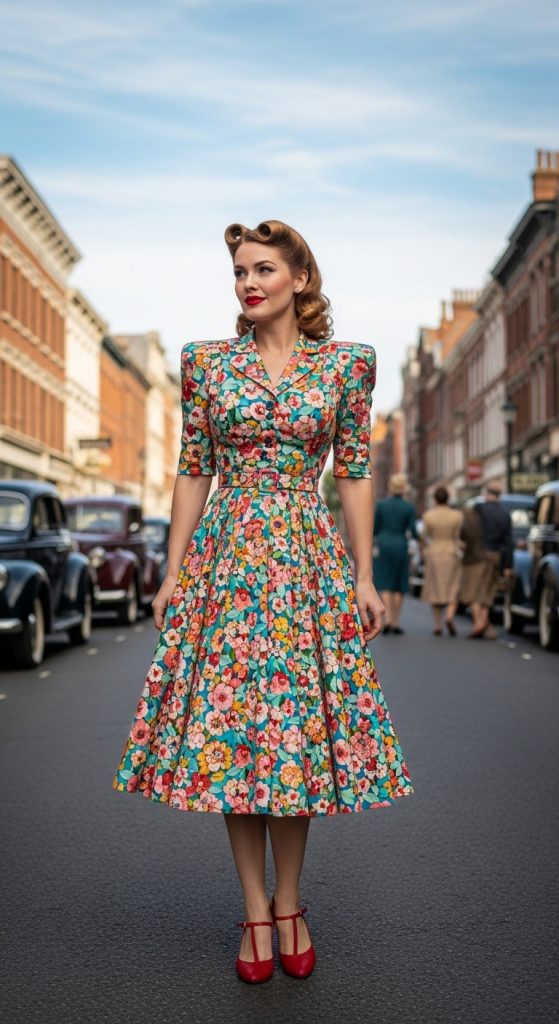
The 1940s introduced practical fashion during World War II. Utility clothing was simple, functional, and modest due to fabric rationing. Women wore A-line dresses with padded shoulders, belted waists, and knee-length skirts. Plaid and floral prints were common, while hairstyles featured victory rolls and red lipstick for a feminine touch.
Men’s fashion included military-inspired jackets, high-waisted trousers, and suspenders. For a modern vintage-inspired look, pairing a fitted A-line dress with block-heeled shoes or styling trousers with suspenders and a crisp button-up shirt captures the 1940s spirit.

4. The 1950s Rockabilly Style
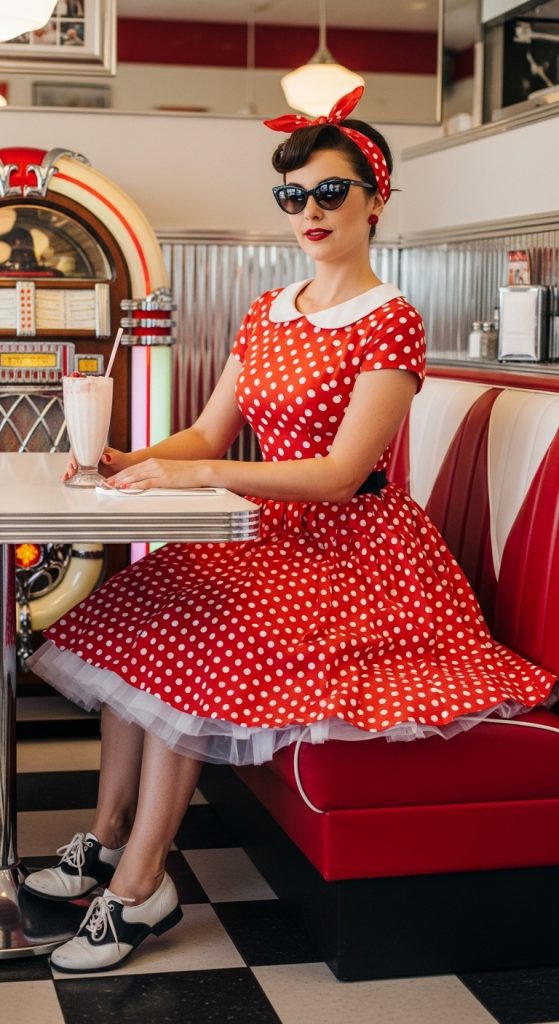
The 1950s brought optimism and bold style. Women embraced circle skirts and swing dresses with cinched waists, often paired with cardigans or petticoats for volume. Polka dots, gingham, and floral prints dominated wardrobes.
Rockabilly outfits incorporated leather jackets, rolled-up jeans, and bold hairstyles like pompadours. Accessories such as cat-eye sunglasses, headscarves, and saddle shoes highlighted the playful yet stylish aesthetic. This era’s outfits are perfect for vintage-themed parties, casual weekends, or even everyday wear with a modern twist.
5. The 1960s Mod Fashion
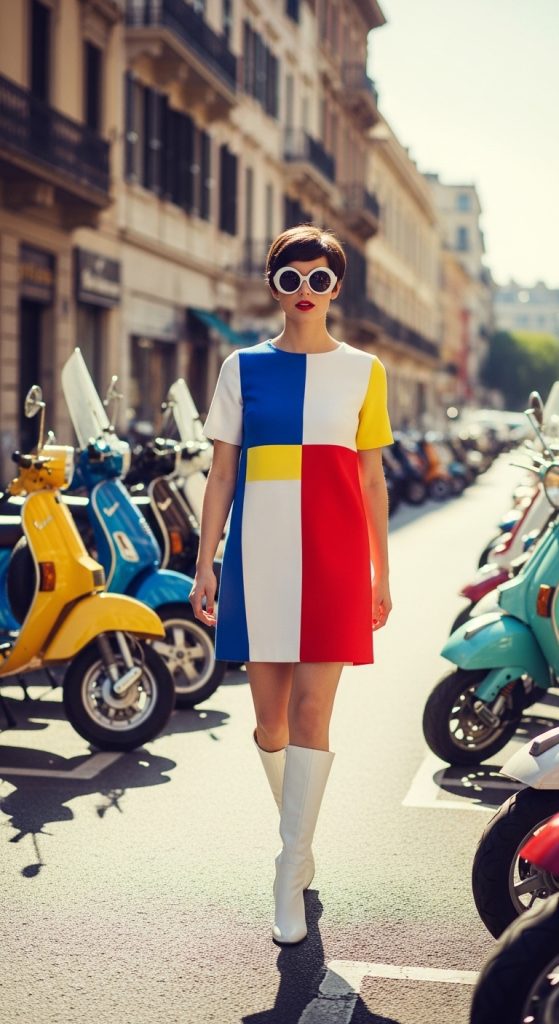
The 1960s introduced youthful energy and bold experimentation in fashion. Mod style featured shift dresses in bright colors and geometric patterns. Short hemlines became the defining feature of the decade, popularized by icons like Twiggy.
Go-go boots, oversized sunglasses, and bold eyeliner completed the look. For men, slim-cut suits in bold colors and turtlenecks became trendy. Incorporating color-blocking elements or pairing a simple shift dress with knee-high boots can recreate the 1960s mod aesthetic with ease.
6. The 1970s Bohemian Vibe
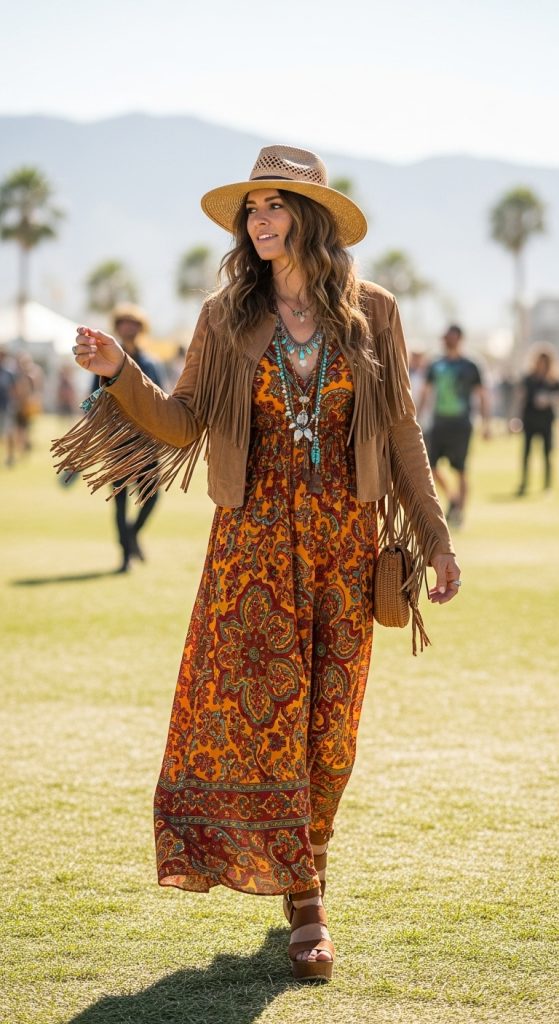
The 1970s embraced free-spirited, bohemian-inspired fashion. Flared jeans, maxi dresses, peasant blouses, and suede jackets defined the decade. Patterns included paisley, floral, and earth tones. Fringe details and patchwork designs were also popular.
Accessories played a key role, with floppy hats, layered necklaces, and platform shoes adding personality. Men embraced bell-bottoms, open-collar shirts, and denim jackets. This vintage aesthetic still resonates today, especially in festival fashion and casual weekend looks.
7. The 1980s Power Dressing
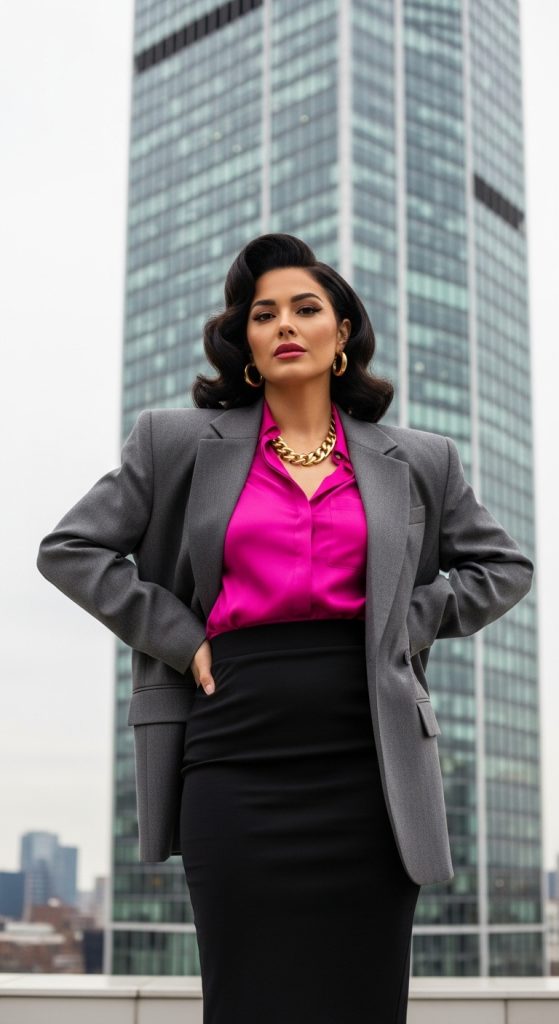
The 1980s was all about confidence and bold statements. Women’s fashion included oversized blazers with shoulder pads, pencil skirts, and bright colors. Power dressing reflected ambition and individuality.
Men’s outfits often featured bold suits, graphic T-shirts, and sneakers. Neon colors, metallic fabrics, and statement accessories like chunky jewelry defined the look. To capture this vintage aesthetic today, pair a structured blazer with tailored trousers or a pencil skirt for a modern take on the 1980s style.

8. The 1990s Grunge Aesthetic
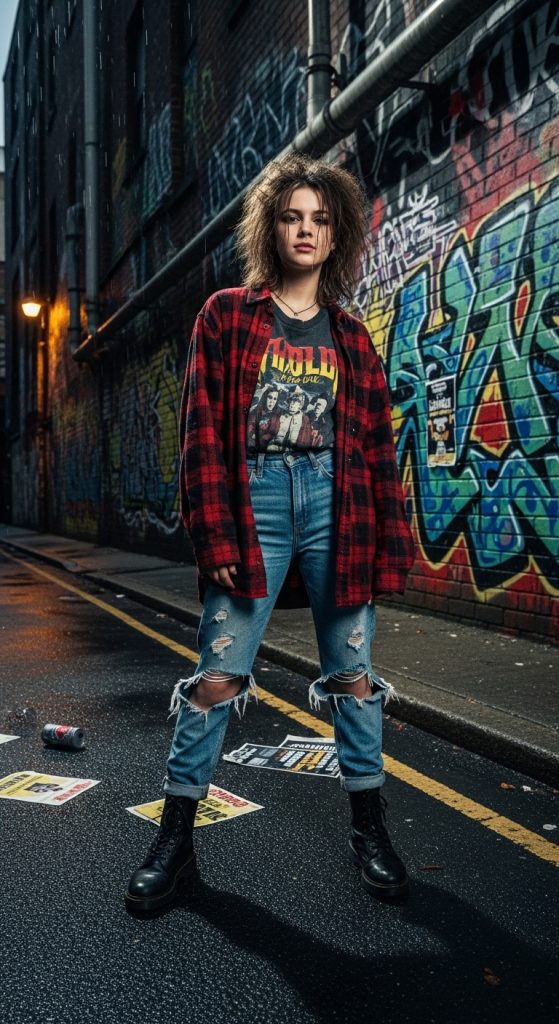
The 1990s brought a shift toward casual, rebellious fashion. Grunge outfits included oversized flannel shirts, ripped jeans, band T-shirts, and combat boots. The look was laid-back and deliberately unpolished, inspired by the music scene of the time.
Slip dresses layered over T-shirts and denim jackets were popular among women, while men leaned toward baggy jeans and leather jackets. Accessories included chokers, beanies, and backpacks. The 1990s grunge aesthetic remains popular today for its effortless and edgy appeal.
9. The Y2K Early 2000s Look
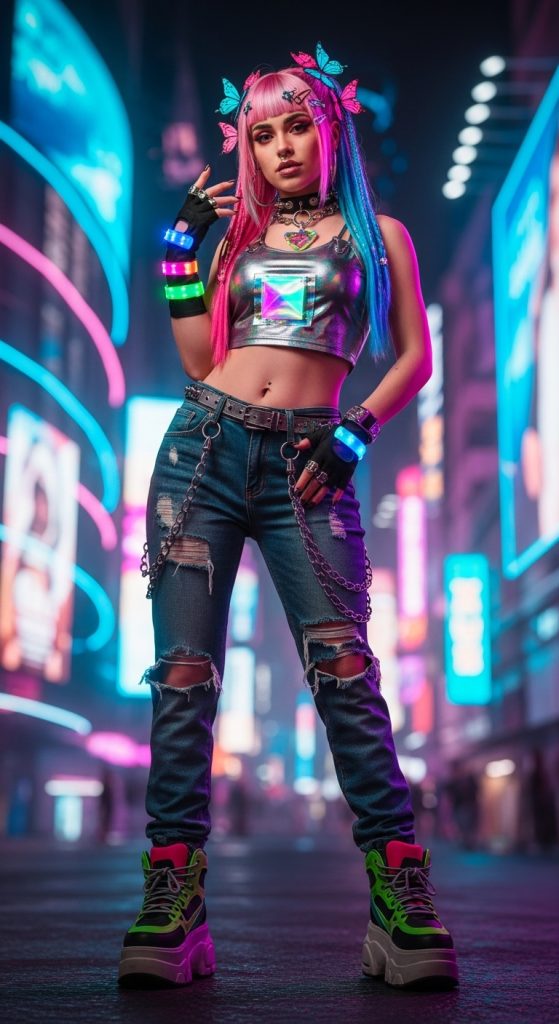
The early 2000s, often called Y2K, embraced futuristic and playful fashion. Outfits included metallic fabrics, low-rise jeans, crop tops, and colorful accessories. Tracksuits, mini skirts, and butterfly clips added to the youthful vibe.
Men’s fashion leaned toward baggy cargo pants, graphic shirts, and sporty sneakers. Shiny textures and pastel colors gave the Y2K aesthetic its signature look. Today, many Y2K styles are making a comeback, especially among younger generations embracing nostalgia.

10. Timeless Vintage-Inspired Everyday Wear
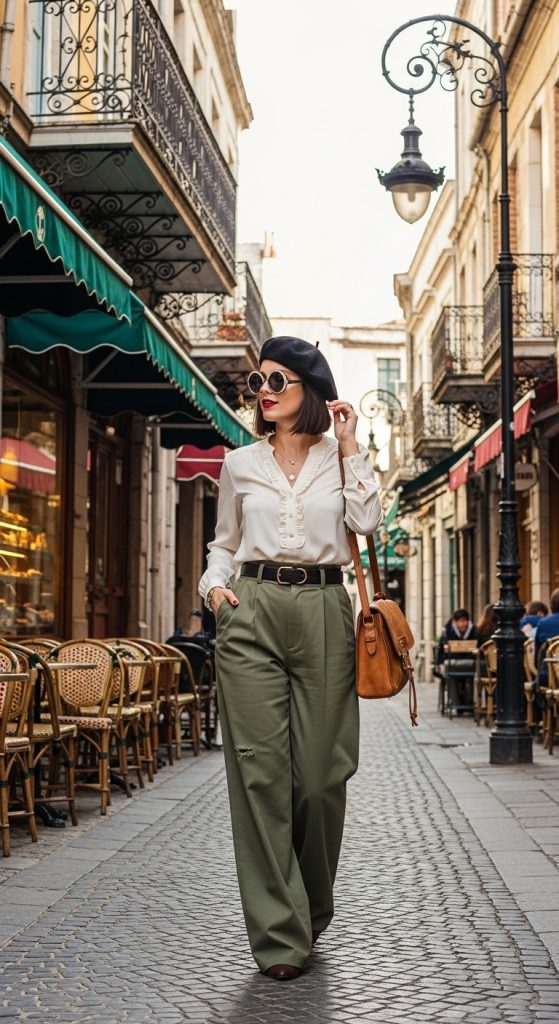
Not every vintage outfit needs to replicate a full historical look. Everyday vintage-inspired outfits combine key elements from different decades for a versatile wardrobe. Examples include pairing high-waisted trousers with a tucked-in blouse, wearing midi skirts with cardigans, or adding accessories like berets and retro sunglasses.
This flexible approach allows you to embrace vintage style without looking like you are wearing a costume. Mixing vintage finds with modern basics creates unique and authentic outfits that feel timeless.