
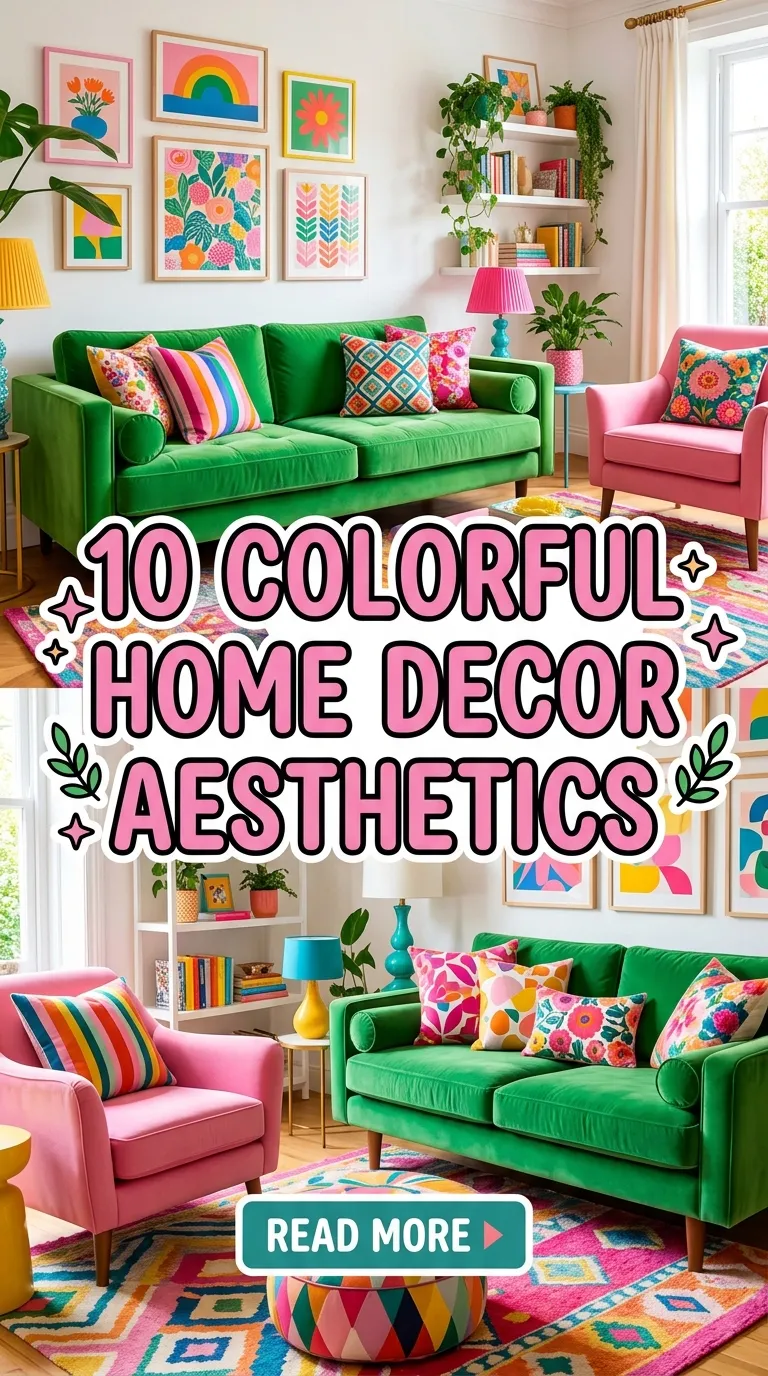

Creating a colorful home decor aesthetic can completely transform the atmosphere of your living space. A well-planned color scheme can make a room feel lively, welcoming, and full of personality. Bright and bold hues bring energy, while soft pastels add a calming, cheerful touch. Using color in home decor is not just about painting walls; it involves furniture, fabrics, accessories, and art. Every element can contribute to a harmonious or contrasting palette, depending on your style preferences.
Colorful home decor also allows self-expression, giving you the freedom to showcase your personality and creativity. Mixing different shades, patterns, and textures can be fun and rewarding, and the end result often feels personalized and unique. With thoughtful planning, color can highlight architectural features, improve lighting, and even affect mood.
In this guide, we will explore ten approaches to incorporating color into your home decor. Each method is practical, visually appealing, and accessible for beginners and experienced decorators alike. From bold walls to subtle accents, these ideas will inspire you to create a home that feels vibrant, stylish, and full of life.
1. Bold Accent Walls
One of the easiest ways to introduce color into a room is with a bold accent wall. Instead of painting all walls the same neutral color, choose one wall to stand out with a vibrant shade. This technique works well in living rooms, bedrooms, or even kitchens, and it can instantly change the mood of the space.

When choosing the color, consider the room’s purpose. Warm colors like red, orange, and yellow create energy and warmth, making them suitable for social spaces. Cooler shades like blue, green, or purple provide a calming effect, ideal for bedrooms or study areas. Matte finishes create a cozy, understated look, while glossy finishes reflect light and make a space feel lively.
Preparation is key. Clean the wall thoroughly, fill any holes or cracks, and apply painter’s tape along edges for a sharp finish. Priming the wall before painting helps the color appear more vibrant and last longer. Accent walls pair beautifully with neutral furniture and minimalistic decor, allowing the color to take center stage without overwhelming the room. This approach is budget-friendly and has a high visual impact.

2. Colorful Furniture Pieces
Furniture is not just functional; it’s a chance to add personality and color to your home. Introducing colorful chairs, sofas, or tables can instantly brighten a room and act as focal points. For instance, a deep teal couch or mustard yellow armchair can create contrast against neutral walls and floors.
When selecting furniture, consider materials and textures as well as color. Velvet, linen, and leather each reflect light differently and contribute to the overall aesthetic. Mixing patterns with solid colors can create a playful yet balanced look. Don’t be afraid to combine different hues, such as pairing a blue sofa with orange cushions, to achieve a lively contrast.

Smaller furniture items, like side tables, ottomans, or bookshelves, are easier to swap out if your taste changes. Modular furniture allows flexibility while adding color to different areas. Keep in mind the room’s scale: larger, bolder pieces work best in spacious rooms, while smaller items are better suited for compact areas. Colorful furniture adds style and function, enhancing both comfort and visual interest.

3. Vibrant Artwork
Artwork is one of the most effective ways to incorporate color into your home. Paintings, prints, and wall hangings can introduce hues that tie together different elements in a room. Unlike paint or furniture, art is easy to change, allowing you to experiment with seasonal colors or evolving tastes.
When choosing art, consider the size and placement. Large pieces create a dramatic effect and can serve as the focal point of a room. Smaller artworks can be grouped into gallery walls for a dynamic display. Colorful abstract art works well with minimalist interiors, while landscapes and figurative pieces can bring warmth and personality.
Frames also matter. Sleek black or white frames highlight the artwork without distraction, while colored frames can enhance the color palette. Balance is important: if your furniture is colorful, neutral or complementary art works best. Lighting enhances the visual appeal, so place artwork where it can catch natural or artificial light. Vibrant artwork brings energy and personality without permanent commitment, making it ideal for any colorful home aesthetic.

4. Decorative Textiles
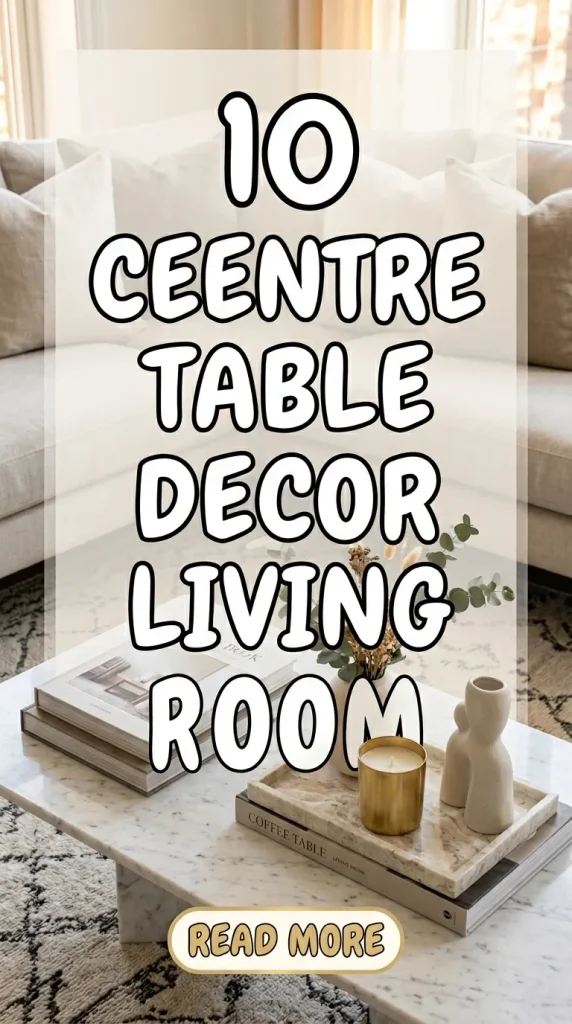
Textiles are a versatile way to introduce color into your home. Rugs, curtains, throw blankets, and cushions can all feature bold patterns or bright shades to complement your decor. Unlike paint, textiles are easy to swap, offering a flexible way to experiment with color.
Rugs are particularly effective because they anchor a room and define spaces. A bright patterned rug can unify furniture and provide a base for accent pieces. Curtains allow large swathes of color without overwhelming walls. Throw pillows and blankets are smaller, budget-friendly options that add pops of color and texture.
Layering is key. Mix patterns with solids, or combine different textures like velvet, cotton, and wool. Stick to a color scheme of three to five shades to maintain harmony. Consider seasonal changes: lighter colors in summer and darker, richer hues in winter. Decorative textiles provide a practical, comfortable way to infuse rooms with color while allowing flexibility for frequent updates.

5. Colorful Lighting Fixtures
Lighting is not just functional; it is a design element that can dramatically influence a room’s color palette. Colored lampshades, pendant lights, or LED bulbs allow subtle or bold bursts of color that enhance the overall aesthetic.
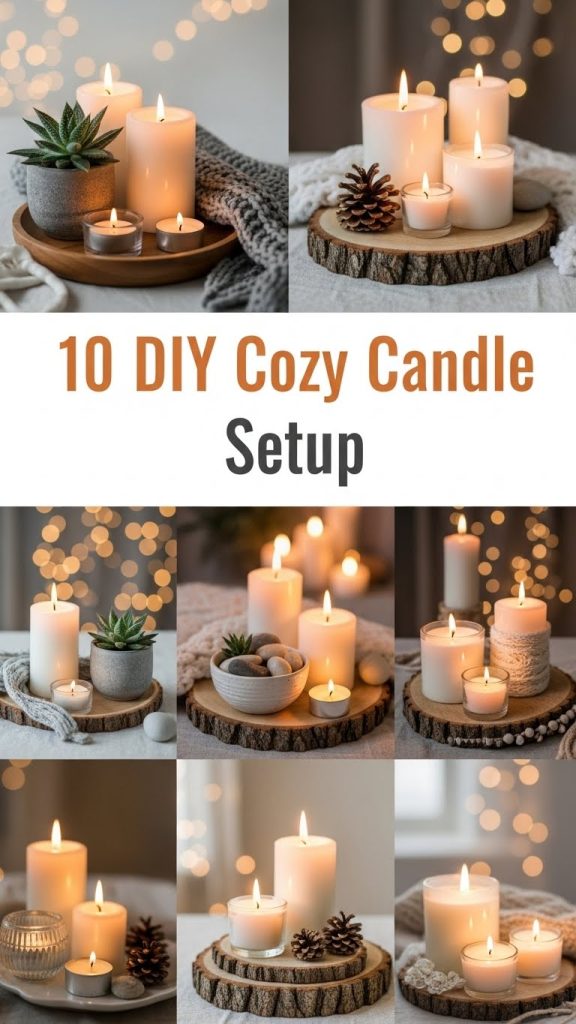
Pendant lamps in jewel tones, such as emerald green or sapphire blue, create a focal point while providing ambient lighting. Table lamps in bright reds or yellows can complement furniture and accessories. LED strips behind furniture or under cabinets allow customizable color that can change with mood or occasion.
Consider the material of the fixture. Glass, fabric, and metal reflect and diffuse light differently, affecting how the color is perceived. Position lights to highlight artwork, accent walls, or furniture, enhancing the visual impact. Even small lighting elements, like colorful candles or fairy lights, can add warmth and vibrancy. Incorporating colorful lighting enhances atmosphere and adds a playful, modern touch to your home decor.

6. Painted Cabinets and Shelves
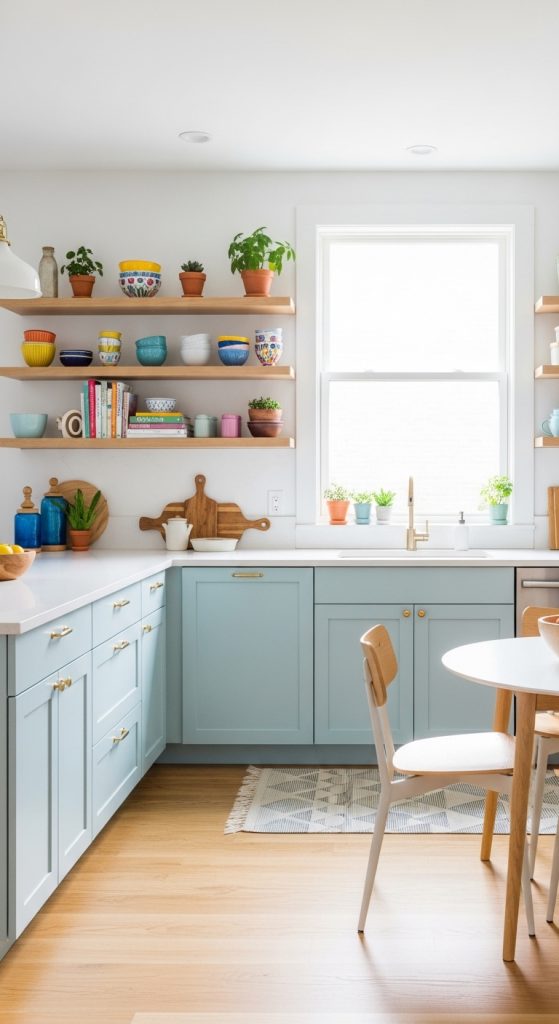
Adding color to cabinets and shelves is a bold way to revamp functional spaces like kitchens, bathrooms, and living rooms. A colorful kitchen island, a teal bathroom vanity, or a pastel bookshelf can make ordinary spaces visually exciting.
Preparation is essential. Clean surfaces thoroughly, sand rough areas, and apply primer for durability. Choose high-quality paint suitable for the material—wood, metal, or laminate. Glossy finishes are easier to clean and reflect light, while matte finishes create a sophisticated, soft appearance.
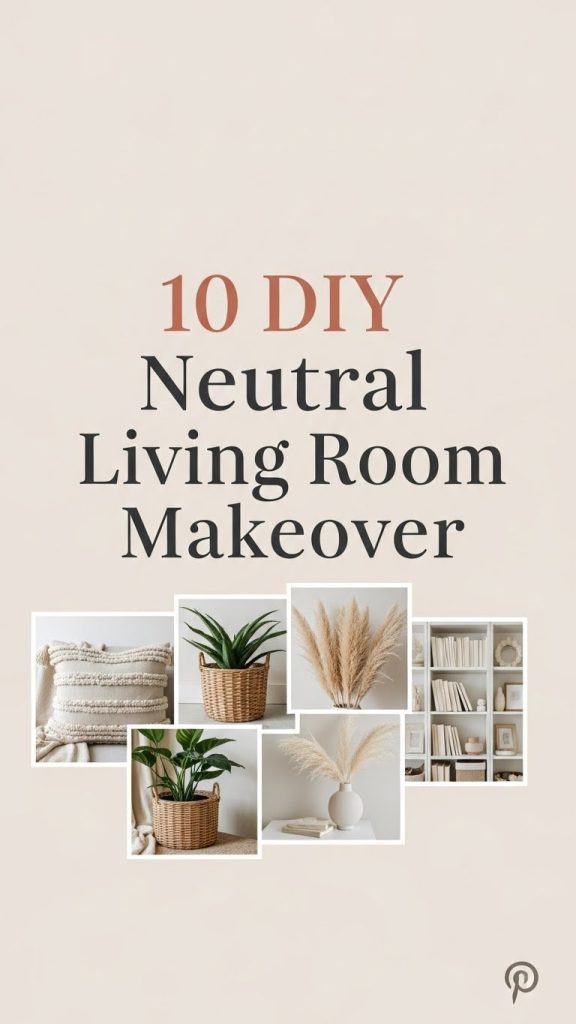
Pair colored cabinets with neutral walls or floors to prevent the space from feeling overwhelming. Open shelving painted in bold shades allows decorative items to pop, while closed cabinets provide color without clutter. This technique balances practicality with aesthetics, adding vibrancy to spaces that often lack visual interest. Painted cabinets and shelves are a long-lasting yet flexible way to incorporate color into your home.
7. Patterned Wallpapers
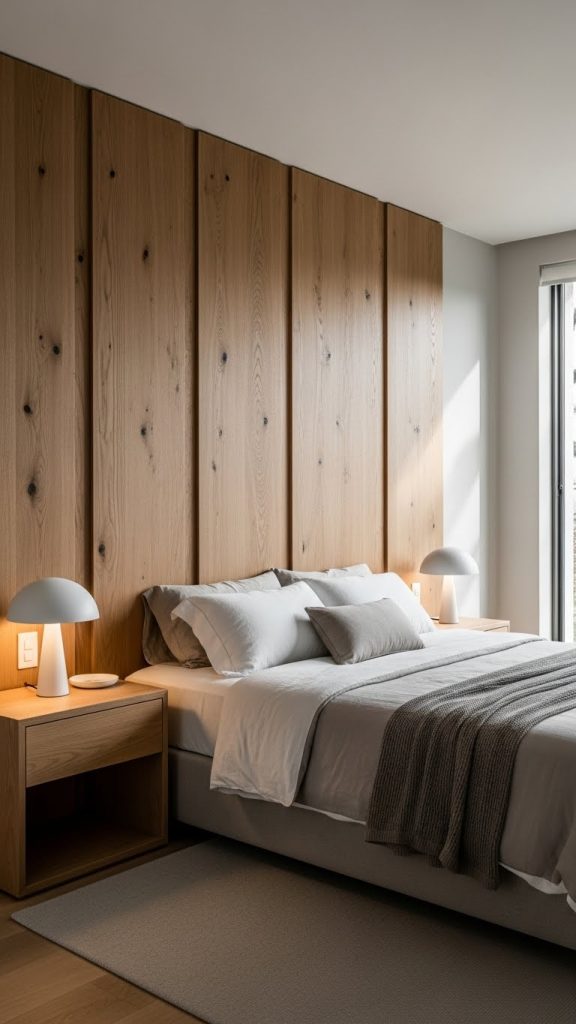
Wallpaper is an excellent way to add color, texture, and pattern to any room. Modern wallpapers come in countless designs, from bold geometric prints to soft floral patterns, allowing you to express creativity while enhancing the space’s mood.
Choose a pattern that complements the room’s size. Large-scale patterns work well in spacious rooms, while smaller, subtle patterns suit compact areas. Color intensity also matters—vivid wallpapers energize a space, while pastel or muted tones create a soothing environment. Consider accent walls for a focused effect, especially if the pattern is very busy.
Preparation ensures longevity. Clean walls, remove old wallpaper, and use primer if necessary. Apply adhesive carefully and smooth air bubbles for a clean finish. Pair patterned walls with simple furniture and accessories to prevent visual clutter. Patterned wallpapers offer a striking way to bring color, style, and personality into your home without permanent commitment.

8. Colorful Accessories
Accessories allow you to experiment with color without making permanent changes. Vases, bowls, picture frames, clocks, and decorative objects can all contribute to a vibrant aesthetic. These items are versatile and easy to update with seasonal trends or personal taste.
Placement matters. Group items in odd numbers, such as threes or fives, for a visually pleasing arrangement. Mix textures, such as glass, ceramic, or metal, to add depth. Use color strategically: contrasting shades catch the eye, while complementary tones create a harmonious feel.
Small accessories can tie together larger elements, like matching throw pillows with vases or lamps. Rotating accessories according to the season or occasion keeps the home fresh and engaging. Colorful accessories are an accessible and flexible way to experiment with bold decor choices, making them a valuable tool for anyone looking to enhance their home aesthetic.

9. Indoor Plants with Colorful Pots
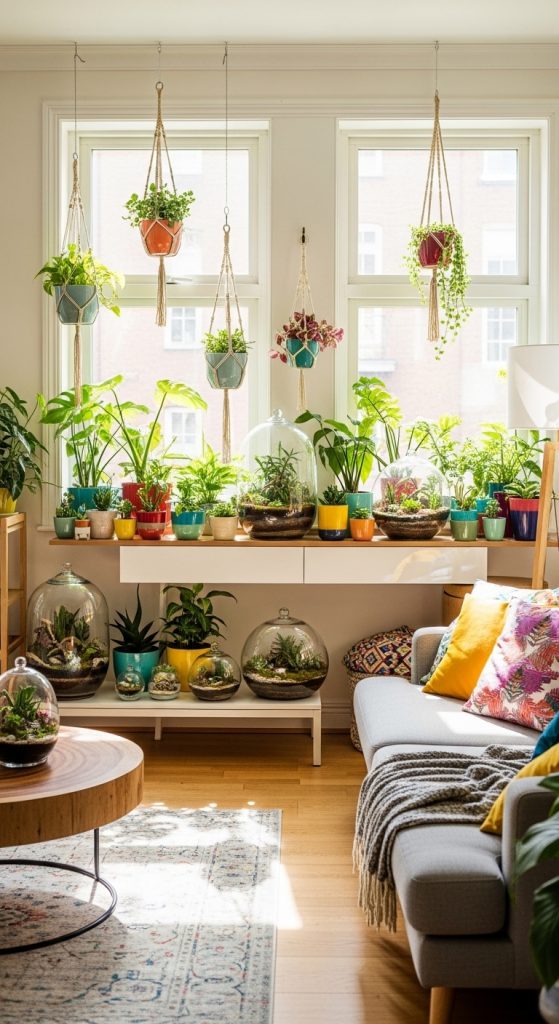
Indoor plants not only improve air quality but also bring life and color into your home. The greenery of plants contrasts beautifully with colorful pots, planters, and stands, creating a natural yet vibrant decor element.

Choose pots in bright shades or patterns that complement your interior. Group plants with pots of varying heights and colors for a dynamic display. Hanging planters, terrariums, and plant shelves can introduce color at different levels of the room.
Select plants according to lighting and maintenance needs. Low-light tolerant plants like snake plants or pothos are ideal for dim rooms, while succulents and cacti thrive in sunny spaces. Colorful pots can be changed seasonally or according to trends, making this approach flexible and budget-friendly. Indoor plants with colorful containers add freshness, warmth, and personality, enhancing any home decor style.
10. Layered Textures and Mixed Materials
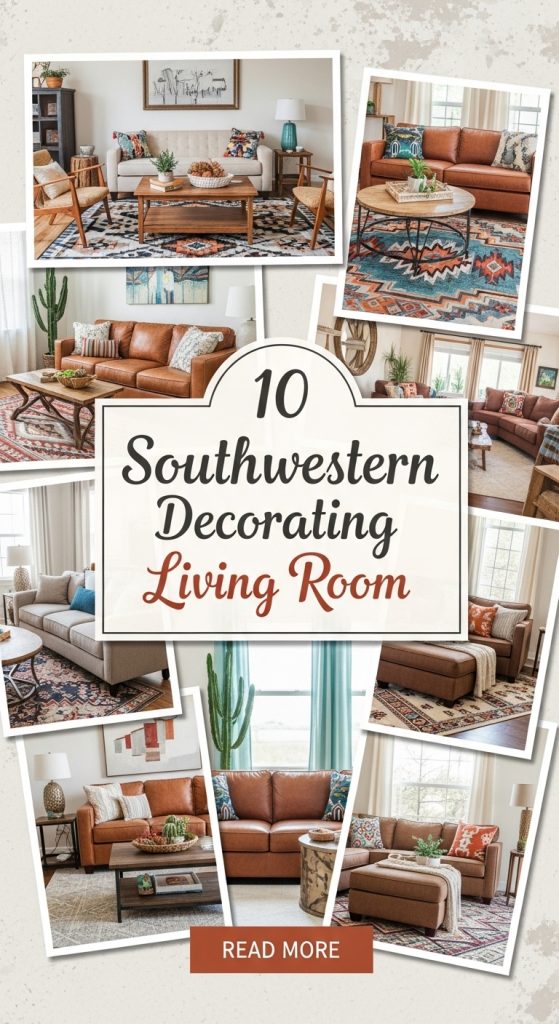
Using layered textures and mixed materials is a subtle yet effective way to incorporate color into home decor. Combining fabrics, woods, metals, and ceramics creates visual interest while highlighting different shades.
For example, a velvet sofa paired with a wool rug, linen cushions, and a wooden coffee table introduces multiple textures and complementary colors. Metallic accents like gold or copper lamps add warmth, while glass or acrylic pieces reflect light and enhance vibrancy.
Layering also applies to walls, furniture, and accessories. Combine matte and glossy finishes or mix patterned and solid-colored fabrics. Stick to a cohesive color palette to maintain harmony. Layered textures provide depth and dimension, making the room feel more inviting and thoughtfully designed. This approach allows you to experiment with color while maintaining balance and sophistication in your home decor.
