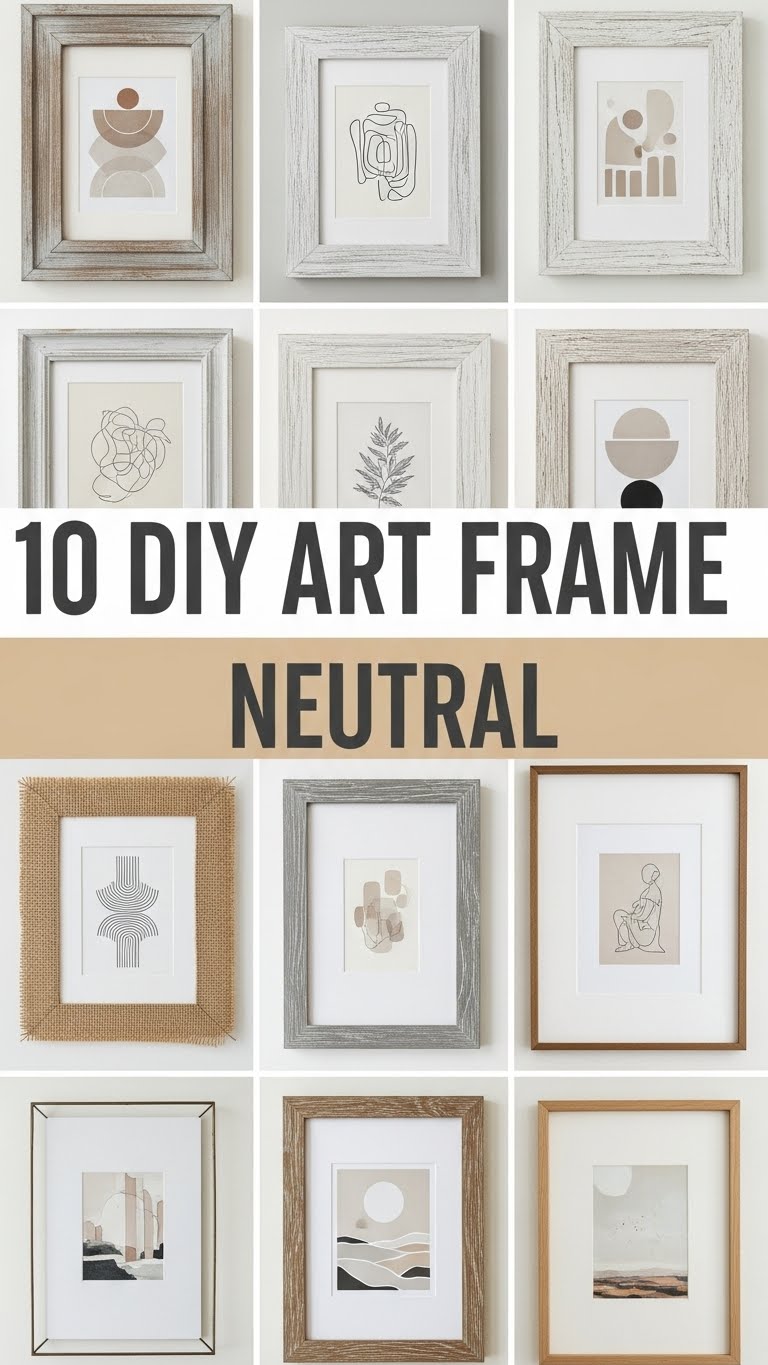
Neutral art frames bring a calm and timeless aura to any room. They blend easily with minimal, coastal, Scandinavian, and modern interiors while giving your artwork and wall displays a polished look. Whether you want to refresh old frames or create new ones from scratch, neutral toned designs can transform your space. These DIY neutral frame ideas are budget friendly, easy to execute, and perfect for any home. Below you will find preparation steps, materials, and detailed descriptions for each project.
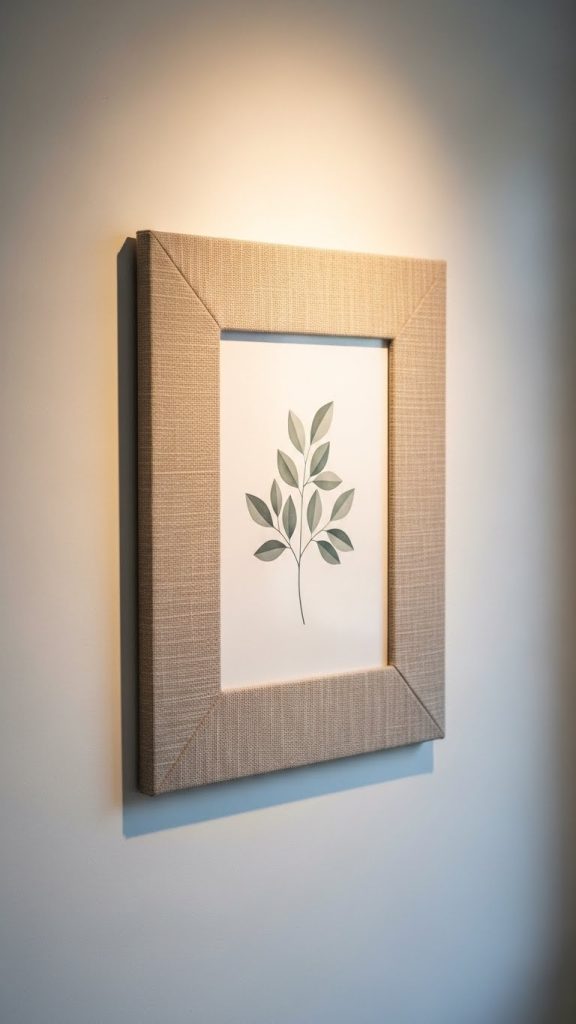
1. Linen Wrapped Neutral Art Frame
Linen wrapped frames are ideal for adding texture and warmth to your wall art. Neutral colored linen such as beige, cream, taupe, or light brown blends well with most interiors. To begin, gather a simple wooden frame, a piece of linen fabric, fabric glue, scissors, and a craft brush. Cut the linen, leaving extra allowance around all edges. Apply a thin coat of fabric glue onto the frame and press the linen evenly across the surface. Smooth out any creases and trim excess fabric. Once dry, you can coat the top layer with a light fabric stiffener to keep the texture clean and protected. This type of frame works beautifully with minimalist prints, botanical sketches, and black and white photography. The subtle woven texture adds richness without overwhelming the art piece. The project requires only basic skills, making it perfect for beginners. This style also pairs well with soft earthy palettes and natural decor such as jute rugs, pampas grass, and wooden accessories. A linen wrapped frame instantly makes ordinary art look elevated and handcrafted.
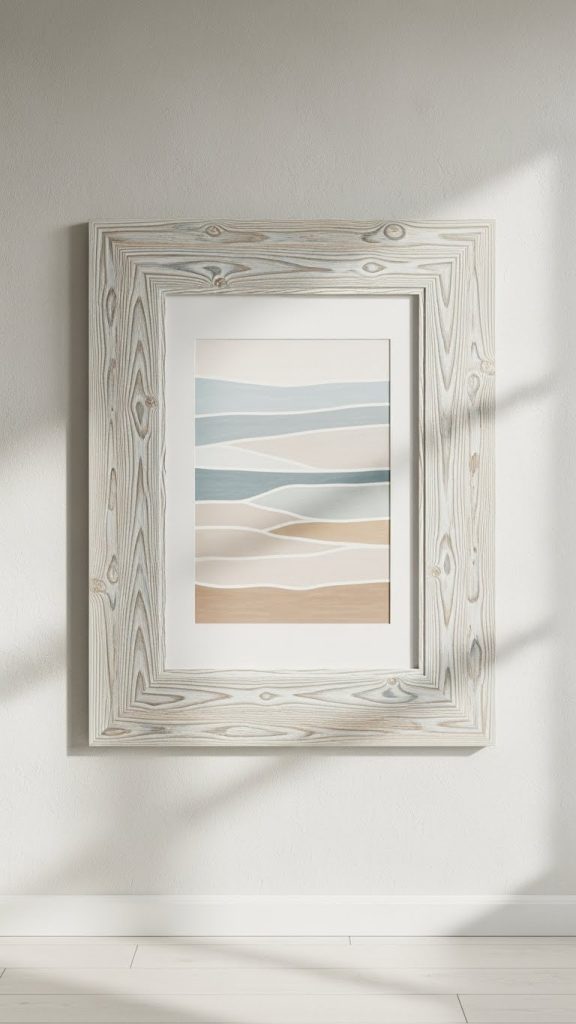
2. White Washed Wooden Frame
A white washed frame adds coastal charm and a soft rustic touch to your walls. Begin with an unfinished wood frame or sand down an old frame to remove any varnish. Prepare white acrylic paint, water, a cloth, and a foam brush. Mix the paint with water to create a thin wash. Brush the wash onto the wood, following the grain for a natural finish. Wipe lightly with a cloth to soften the color and reveal the wood texture underneath. You can apply multiple layers if you want a more opaque finish, but the goal is to maintain a pale, airy appearance. Allow the frame to dry completely before inserting your art. This type of frame looks best with neutral abstract prints, soft landscapes, or typography designs. It works beautifully in living rooms, bedrooms, and entryways. The light color blends with white walls as well as darker ones, creating gentle contrast. The project is low cost and ideal for repurposing old wood frames. A white washed frame adds brightness and character without the heaviness of a fully painted frame. It keeps your decor light, refreshing, and effortlessly stylish.
3. Kraft Paper Wrapped Frame
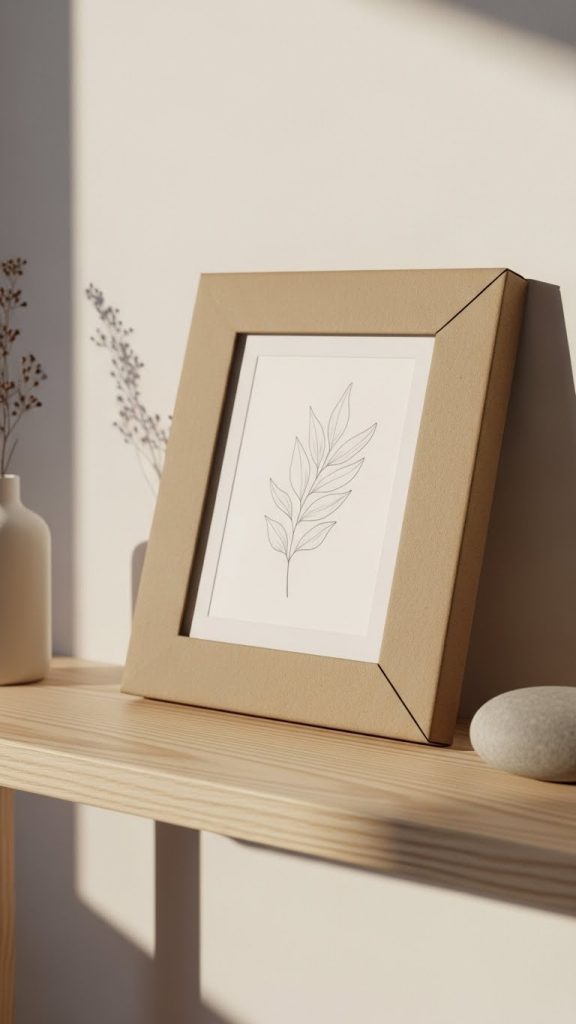
Kraft paper is a wonderful neutral material for creating simple yet striking art frames. It is affordable, easy to work with, and gives a raw organic feel that suits modern, rustic, and eco inspired homes. Start with a basic frame or even a piece of cardboard cut to shape. Cut a sheet of kraft paper slightly larger than your frame. Wrap the frame carefully, securing the paper with double sided tape or craft glue. Press down along the edges to create clean folds. You can leave the frame plain or finish it with twine accents for added texture. This frame pairs perfectly with line drawings, dried botanical art, or monochromatic prints. The muted brown tone of kraft paper is warm but subtle, adding depth to the wall while still keeping the overall look minimal. Since kraft paper is lightweight, this project is safe for large wall displays. You can also create oversized frames for gallery walls without spending much. Kraft paper frames have a simple handmade charm and offer a balanced blend of casual and refined decor.
4. Neutral Clay Frame
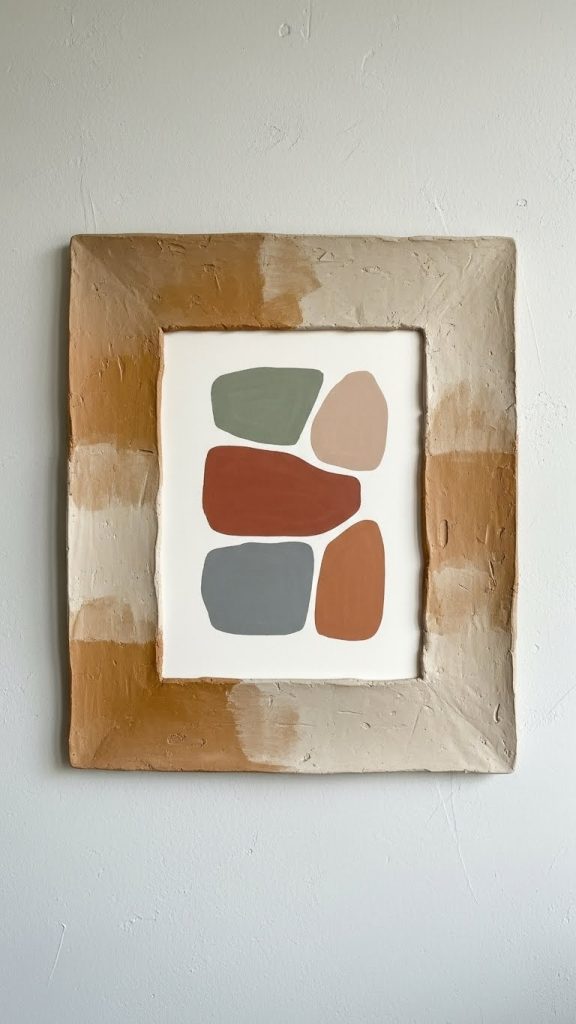
A clay frame is ideal for those who enjoy sculptural and tactile decor elements. Air dry clay works best for this project because it is easy to mold and does not require a kiln. Begin by rolling the clay into even slabs and shaping them around a simple cardboard base. Smooth the edges with a little water and create gentle curves or subtle textures. Keep the design minimal to maintain a neutral aesthetic. Once dry, sand lightly to remove imperfections. You can leave the clay in its natural beige tone or paint it with soft neutral hues such as ivory, sandstone, or dove gray. Seal with a matte varnish for protection. Clay frames work beautifully in bohemian, Mediterranean, and organic modern interiors. They pair well with earthy artwork, minimalist abstracts, and sepia toned photographs. The handmade irregularities add character while still keeping the overall look understated. This project requires a little patience but the result is a one of a kind frame that looks artisanal and elegant.
5. Burlap Texture Frame
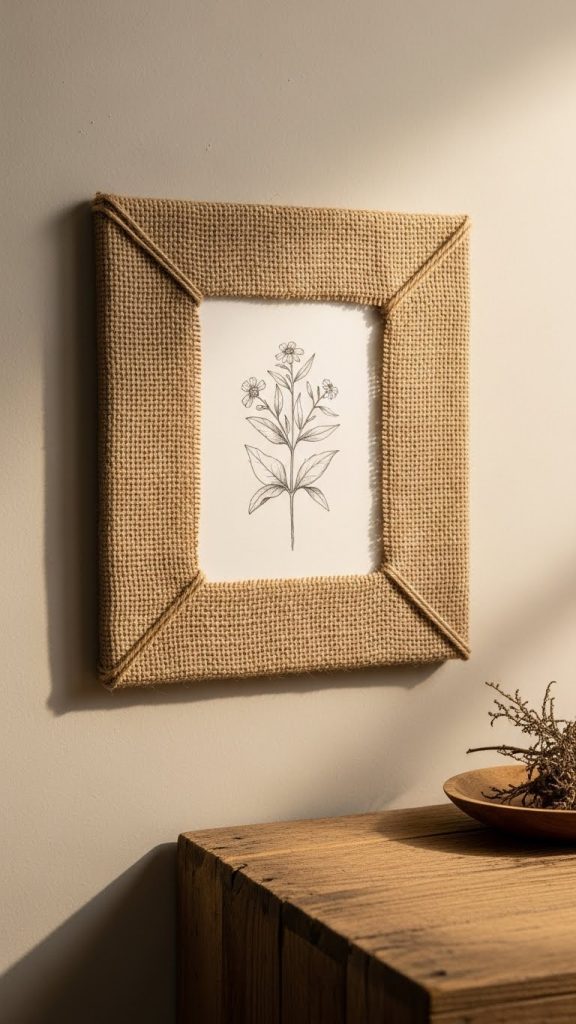
A burlap frame offers rustic simplicity with a warm neutral palette. Begin with a standard frame and a piece of burlap fabric. Cut the fabric slightly larger than the frame and stretch it across the surface, securing the back with glue or staples. The coarse texture of burlap adds depth and interest to otherwise plain artwork. Choose light or natural burlap shades to maintain a soft neutral tone. You can enhance the design by adding wooden accents along the corners or tying jute twine around the edges. This frame style is perfect for farmhouse decor, country style interiors, or any setting that embraces natural textures. Burlap contrasts beautifully with smooth prints or delicate illustrations, creating a balanced and harmonious display. The materials are inexpensive and easy to source, making the project ideal for budget conscious decorators. A burlap frame adds handcrafted warmth to any room without drawing too much attention away from the artwork itself.
6. Chalk Painted Matte Frame
Chalk paint is perfect for creating ultra matte neutral frames. The soft powdery finish adds sophistication and blends seamlessly into minimalist or Scandinavian inspired spaces. Choose chalk paint in colors like cream, beige, stone, or soft gray. Start by sanding the frame lightly to help the paint adhere. Apply two coats of chalk paint with a smooth flat brush. The paint dries quickly, allowing you to layer easily. Once dry, you can leave the frame as is or seal it with a clear matte wax for durability. Chalk painted frames pair beautifully with black and white photography, abstract line art, and botanical prints. The matte surface eliminates shine and creates a calm grounded appearance. This project is simple but offers a high end look, especially when used for gallery walls. The neutral tones allow the artwork to stand out while the frame provides subtle structure. Chalk paint is also forgiving and hides imperfections, making old frames look new again.
7. Natural Wood Strip Frame
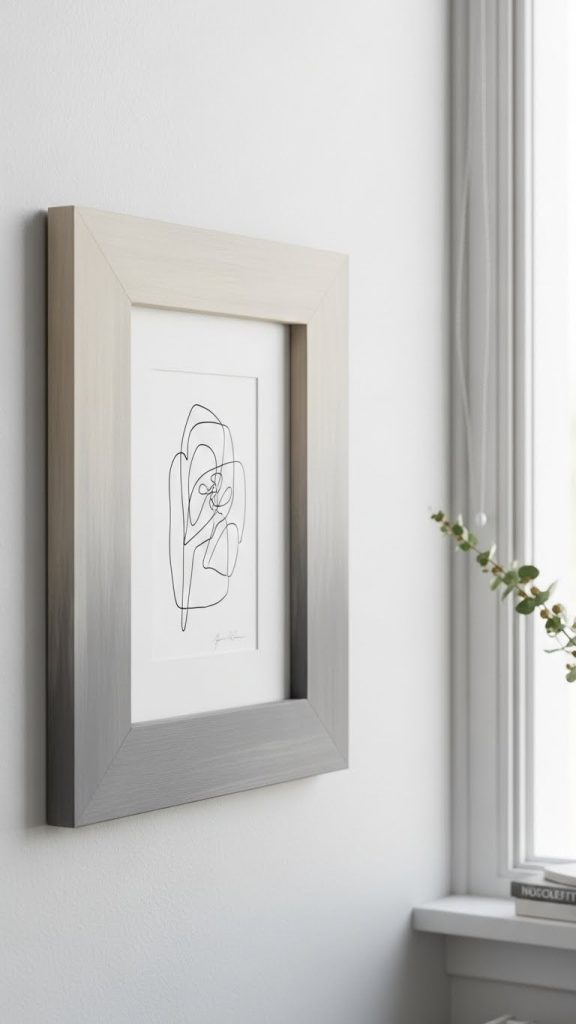
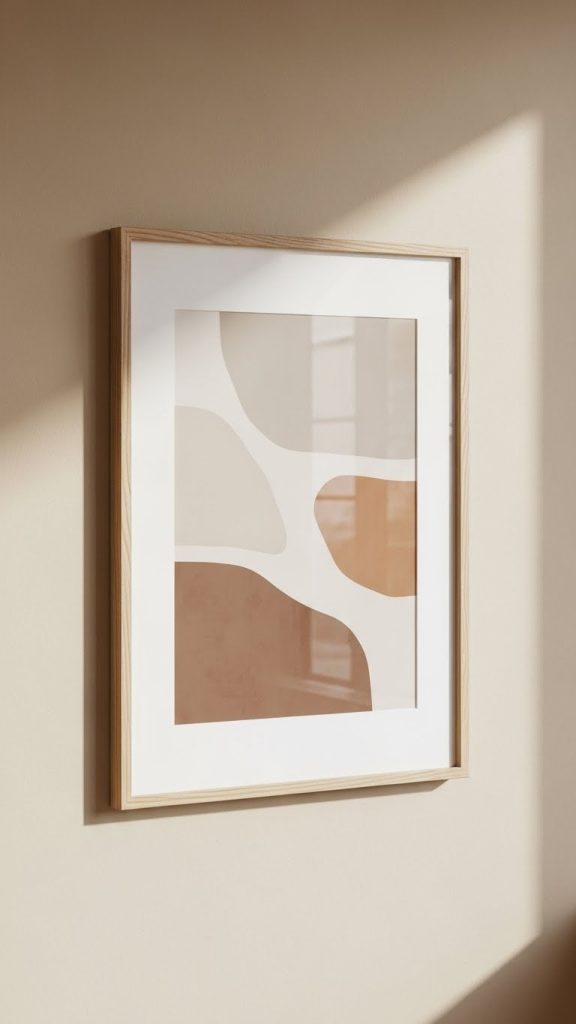
A natural wood strip frame offers a sleek and clean design using thin wooden slats or strips. This frame style is modern and neutral, suitable for almost any decor. To begin, gather wooden strips, wood glue, a craft knife or small saw, sandpaper, and clear varnish. Measure your artwork and cut the strips accordingly. Assemble the frame by gluing the strips directly onto cardboard backing or onto an existing frame for reinforcement. Sand the edges for smoothness and apply a coat of clear matte varnish to protect the wood while preserving its raw color. This design is ideal for posters, prints, and lightweight artwork. Natural wood tones such as birch, pine, and poplar provide a subtle neutral palette that adds warmth without overwhelming the display. The slim frame style looks clean and minimal, making it excellent for modern or Scandinavian spaces. It is an affordable way to build custom sized frames while keeping your decor cohesive and elegant.
8. Fabric Mat Frame in Neutral Tones
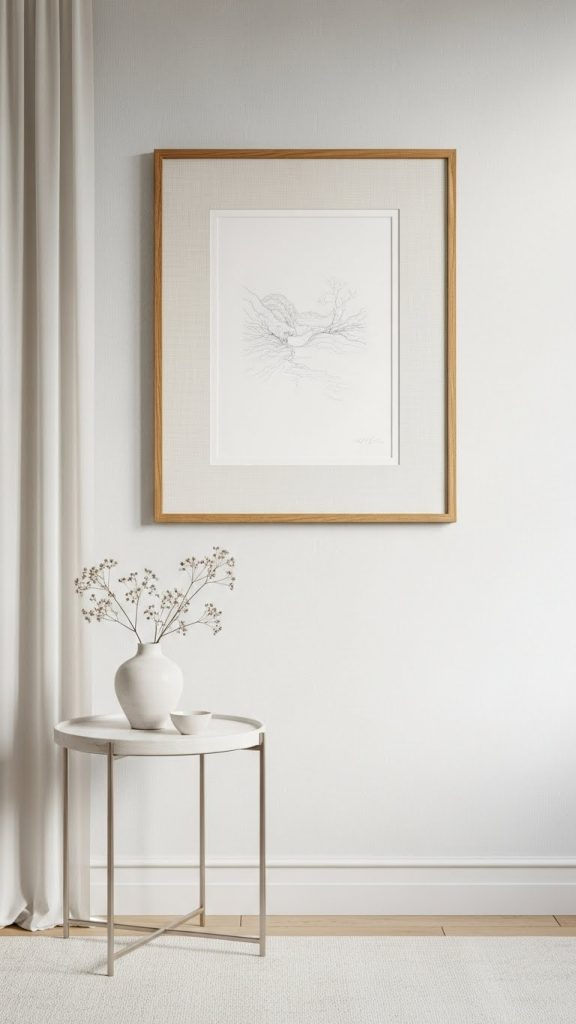
A fabric mat frame elevates your artwork by adding a soft layer of texture between the art and the frame. Choose neutral fabrics such as cotton, muslin, linen blends, or canvas in tones like ivory, sand, oatmeal, or gray. Begin by cutting a piece of cardboard into a mat board shape and cutting an inner window for the artwork. Wrap the cardboard with fabric, securing the edges tightly at the back. Insert the finished mat into a simple frame. The neutral fabric gives a refined and cozy appearance, softening the entire composition. This project is ideal for delicate prints, typography art, and family photographs. The fabric mat adds luxury without needing an expensive frame. You can create multiple mats in different tones to build layered gallery walls. This technique is simple yet impactful, providing depth and texture while staying true to a neutral aesthetic. It is a great way to elevate simple frames or customize inexpensive ones.
9. Minimal Plaster Frame
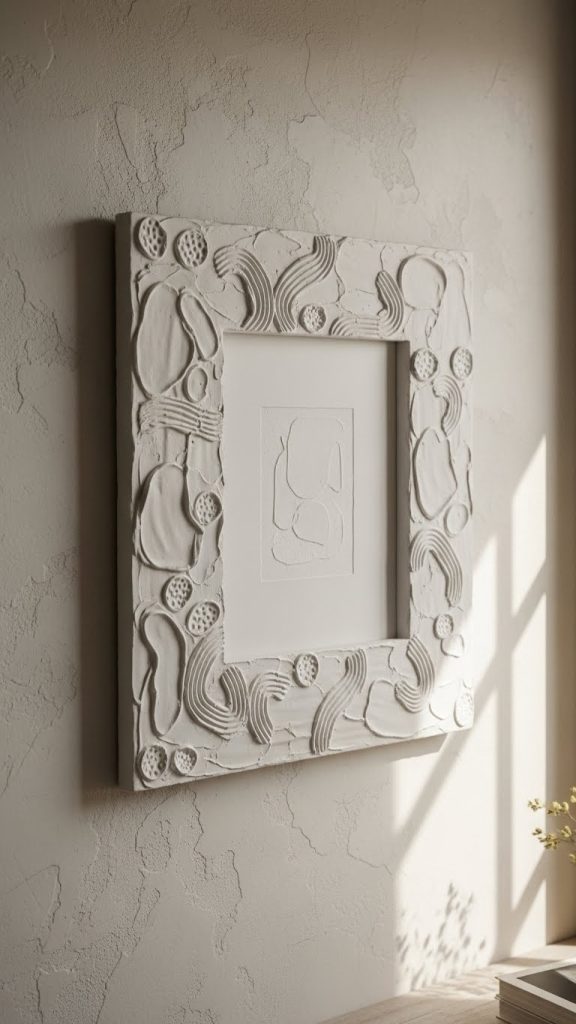
A plaster frame creates a textured and artistic look with a soft neutral finish. Begin by mixing plaster or joint compound to a smooth consistency. Apply the plaster onto the frame using a palette knife or an old credit card. You can create smooth surfaces, gentle waves, or rough artisanal textures depending on your preference. Allow the frame to dry completely, then sand lightly to refine the edges. Paint with a matte neutral color such as cream, beige, or off white. The plaster texture adds handcrafted charm and dimension, making it perfect for modern organic and Mediterranean interiors. This frame pairs beautifully with minimalist prints or monochrome artwork. While the project requires drying time, the steps are simple enough for beginners. The finished frame has a sculptural quality that makes it look like a boutique decor piece. It adds quiet elegance and soft visual interest without overwhelming your wall decor. Plaster frames create a balance of texture and neutrality.
10. Twine Wrapped Neutral Frame
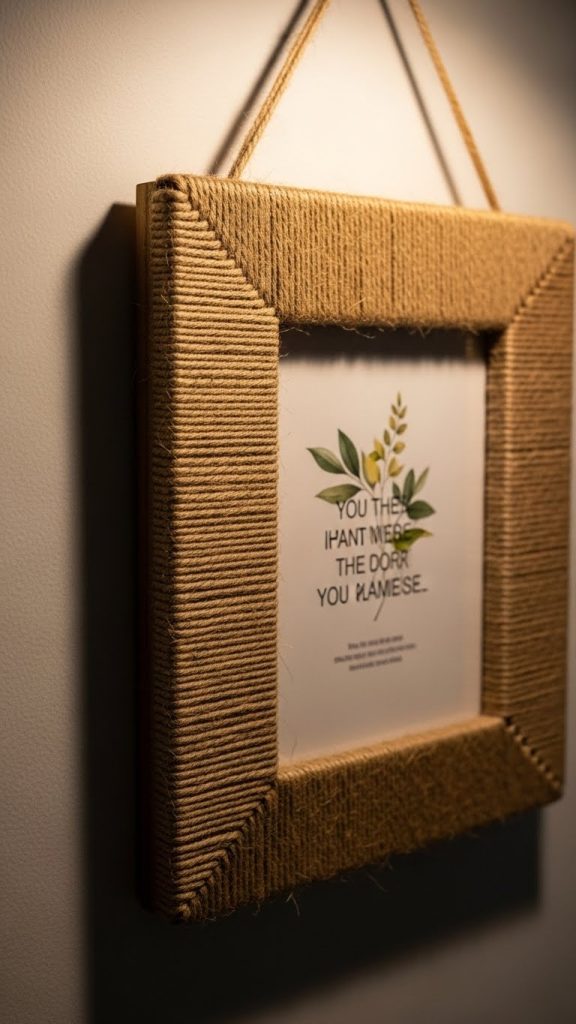
A twine wrapped frame brings natural simplicity to your space. Begin with a basic frame and natural jute twine. Add a thin layer of craft glue along the surface and wrap the twine tightly around the frame, keeping the lines straight and consistent. Continue wrapping until the entire surface is covered. Trim the ends neatly and secure with additional glue. The warm natural tone of twine creates an earthy and neutral aesthetic that pairs well with botanical illustrations, monochrome sketches, or inspirational quotes. Twine wrapped frames complement rustic, coastal, and natural inspired spaces. The texture adds depth while the simplicity keeps the overall look calm and balanced. This project is extremely budget friendly and excellent for transforming old frames into stylish decor. Twine frames also work beautifully in sets, making them ideal for small gallery walls or grouped artwork.



Leave a Reply