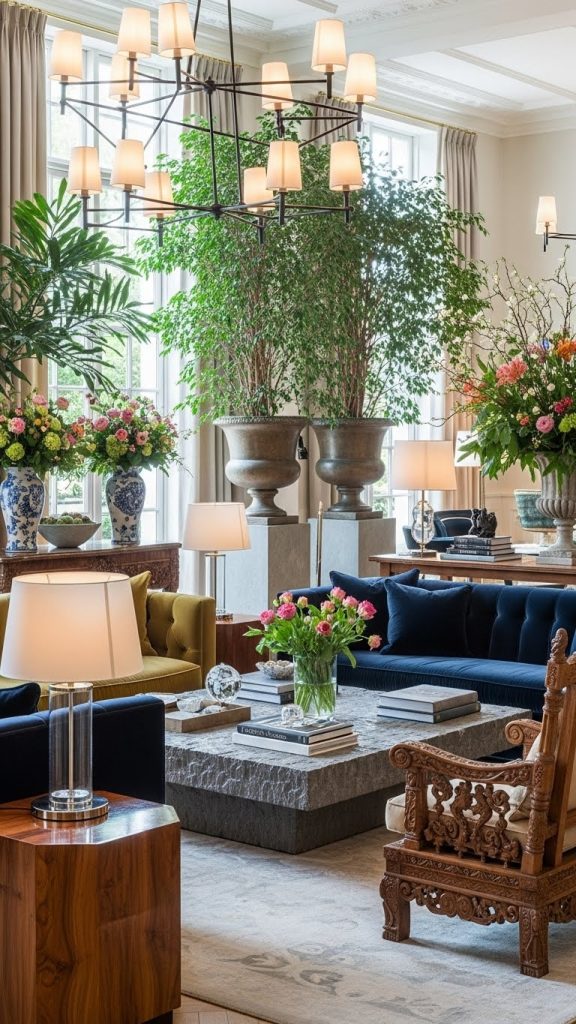
A luxury living room is more than just a space to relax; it is a statement of style, comfort, and sophistication. Creating a luxurious environment requires careful planning, attention to detail, and a harmonious balance of materials, colors, and design elements. In this article, we explore ten stunning ideas to elevate your living room into a luxurious haven, complete with preparation tips, materials, and practical implementation strategies.
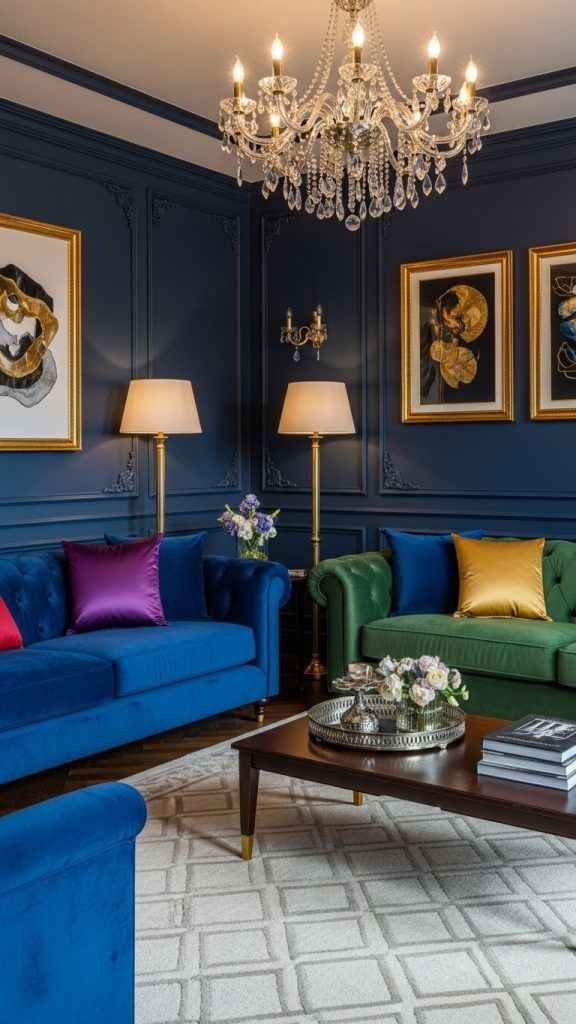
1. Opulent Color Schemes
Choosing the right color palette is essential for creating a luxurious living room. Opulent colors such as deep navy, rich emerald, and classic charcoal add a sense of elegance and sophistication. Metallic accents like gold, brass, or silver can enhance the richness of these hues, creating visual depth and a feeling of grandeur.
Preparation and Materials: Start by selecting a base color for the walls and complementary shades for furniture, rugs, and decorative elements. Use high-quality paint with a matte or satin finish for a refined look. Incorporate metallic accessories such as picture frames, lamp bases, or decorative trays. For added texture, consider wallpaper with subtle patterns or fabric panels that match the chosen palette.
Design Considerations: Balance darker colors with lighter accents to prevent the room from feeling too heavy. For instance, pair a dark wall color with neutral furniture and bright artwork. Lighting plays a key role in luxury, so invest in layered lighting including chandeliers, sconces, and floor lamps to highlight your color choices. Integrating luxurious fabrics like silk curtains, velvet cushions, or wool rugs will further enhance the elegant atmosphere.

2. Statement Furniture Pieces
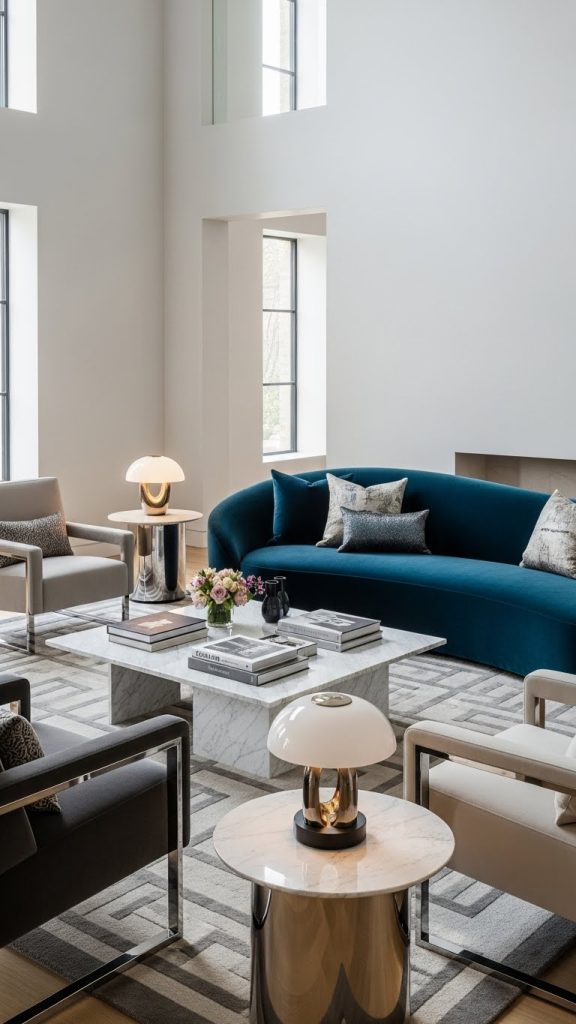
Luxury living rooms are defined by their furniture. Incorporating statement pieces such as a sculptural sofa, an intricately carved coffee table, or a designer armchair can serve as the focal point of the room. Furniture should be both aesthetically pleasing and comfortable, providing a balance between form and function.
Preparation and Materials: Measure the living room carefully to ensure that large furniture pieces do not overwhelm the space. Opt for high-quality materials like solid wood, marble, leather, or premium fabrics. Custom or bespoke furniture allows for unique designs tailored to your space and style. Upholstered pieces in velvet or leather can create an immediate sense of luxury.
Design Considerations: Place statement furniture strategically to draw attention and create conversation areas. A central sofa paired with elegant side tables and a bold coffee table can anchor the room. Ensure that pieces are proportionate to the room’s size, avoiding overcrowding. Accessories like decorative cushions, throws, and designer rugs can complement the furniture, adding layers of sophistication without cluttering the space.
3. Elegant Lighting Fixtures
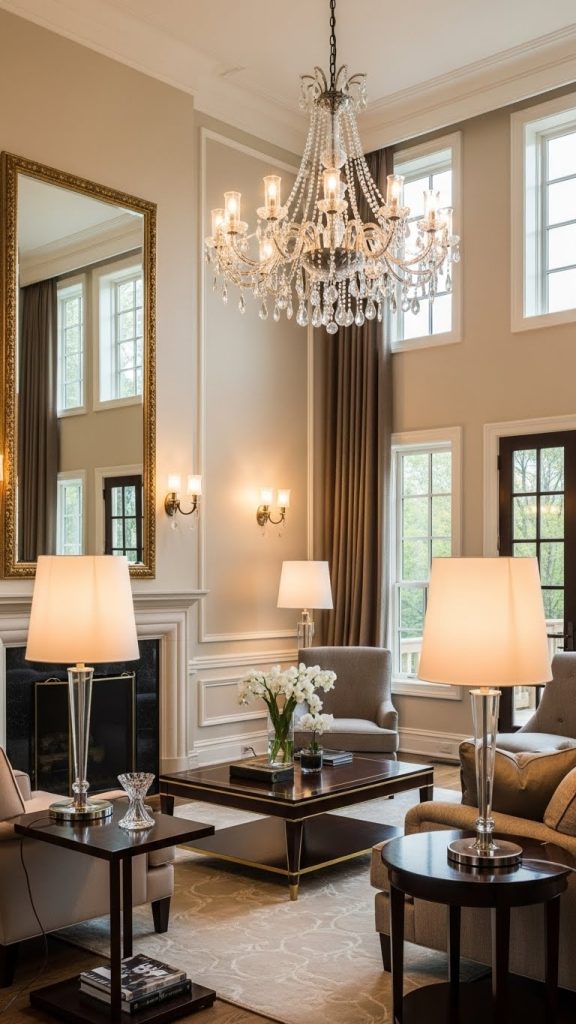
Lighting is one of the most impactful elements in a luxury living room. Layered lighting, combining ambient, task, and accent light, can create a warm and inviting atmosphere while highlighting architectural features and artwork. Statement chandeliers, pendant lights, and wall sconces can double as decor elements.

Preparation and Materials: Start by assessing natural light sources in your living room and plan artificial lighting accordingly. Select materials like crystal, brushed metal, or glass for a luxurious appearance. For task lighting, use table lamps or floor lamps with elegant shades. Accent lighting can include LED strips under shelves or behind furniture for subtle highlights.
Design Considerations: Install dimmers to control light intensity, creating the perfect ambiance for different times of the day. Consider layering a chandelier with wall sconces and floor lamps to balance light throughout the space. Matching the finish of lighting fixtures with other metallic accents in the room ensures a cohesive and polished look. Attention to detail, such as choosing lampshades with subtle patterns or textures, can elevate the overall aesthetic.
4. Luxurious Textiles and Upholstery
The choice of textiles and upholstery defines the tactile experience of a luxury living room. Plush rugs, velvet sofas, silk cushions, and wool throws add layers of comfort and visual richness. High-quality fabrics not only look elegant but also improve durability and longevity.
Preparation and Materials: Identify key areas where textiles will have the most impact, such as seating, floors, and window treatments. Use natural materials like wool, silk, linen, and high-thread-count cotton. Consider layering different textures to add depth, such as pairing a velvet sofa with a wool rug and silk cushions.

Design Considerations: Pay attention to color coordination and pattern mixing. Neutral base colors can be enhanced with bold patterns or jewel-toned accents. Ensure that the textiles harmonize with other elements such as furniture and wall colors. Investing in professional upholstery and high-quality fabric cleaners will maintain the luxury feel over time. Luxurious drapery can frame windows elegantly, adding height and grandeur to the space.
5. Artistic Wall Treatments
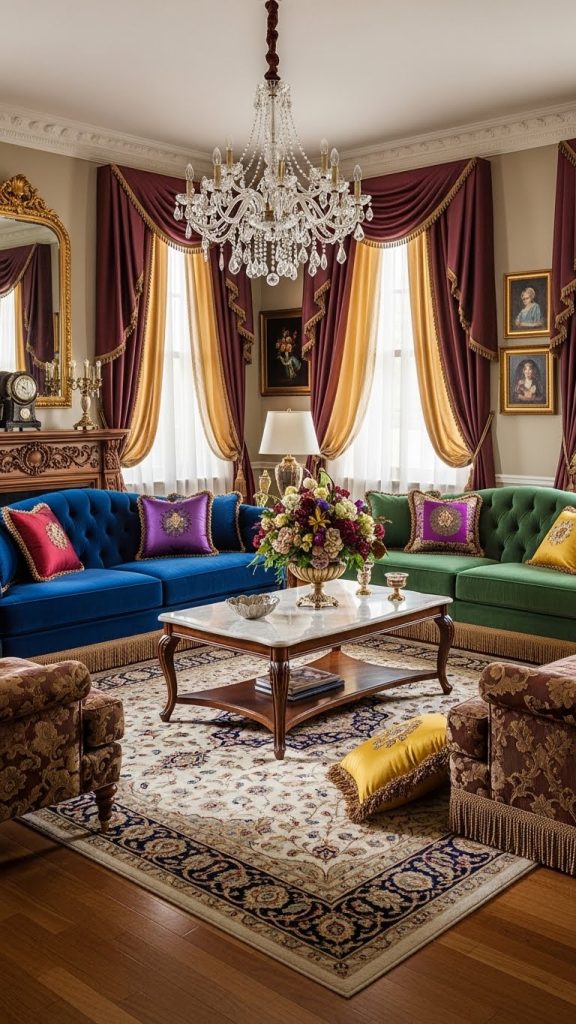
Walls in luxury living rooms should be treated as canvases for design expression. Beyond paint, consider textured panels, custom wallpaper, or decorative moldings. Large-scale artwork or sculptures can also transform walls into statement pieces, creating visual interest and sophistication.
Preparation and Materials: Prepare walls by repairing any imperfections and applying primer before paint or wallpaper. Choose materials such as textured plaster, wood panels, or grasscloth wallpaper for added dimension. For artwork, select pieces that complement the room’s color scheme and furniture style.
Design Considerations: Focus on balance by placing art at eye level and considering the scale relative to the wall space. Use wall-mounted lighting to highlight key pieces. Moldings, such as wainscoting or crown molding, can add architectural detail, while neutral backgrounds allow artwork to stand out. Integrating mirrors with elegant frames can also enhance light and create the illusion of a larger space.
6. Sophisticated Flooring Options
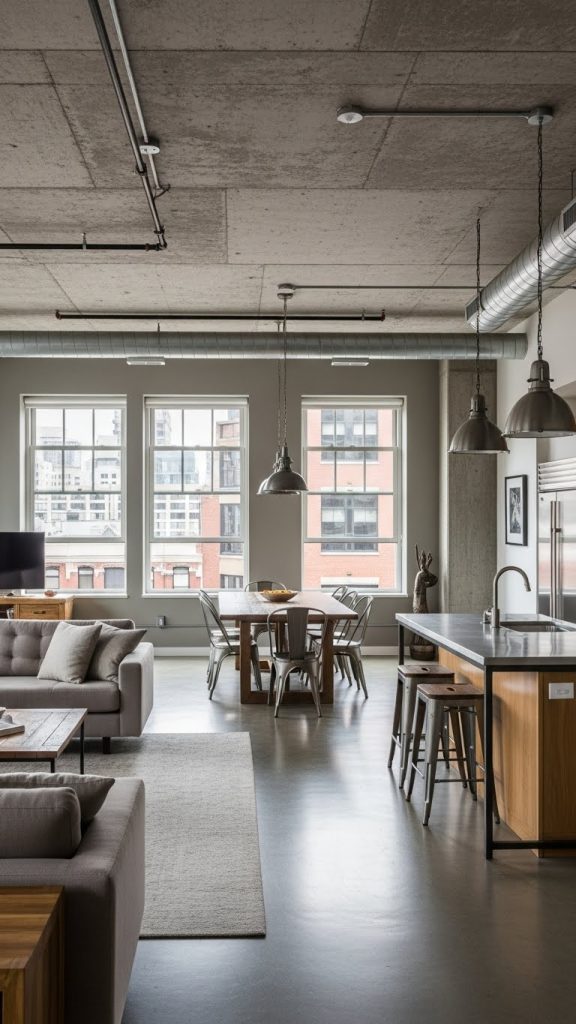
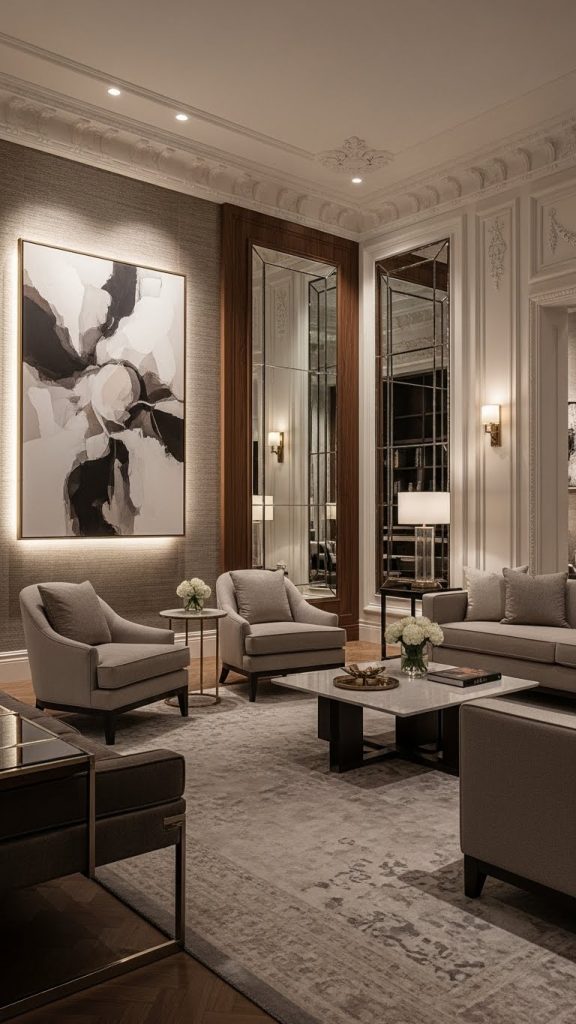
Flooring plays a significant role in defining the elegance of a living room. Materials such as hardwood, marble, or high-end tiles create a luxurious foundation. Area rugs can further define spaces while adding warmth and texture.
Preparation and Materials: Evaluate the room’s traffic flow and choose durable materials that match your design style. Hardwood offers timeless appeal, while marble provides a polished, sophisticated look. Layering rugs in natural fibers such as wool or silk can add softness and style. Ensure proper installation and sealing for durability.
Design Considerations: Flooring color and texture should harmonize with walls and furniture. Large rugs can anchor seating areas, while patterned or textured rugs can add visual interest. Consider radiant floor heating for comfort, particularly in colder climates. Regular maintenance and professional cleaning will keep flooring pristine, preserving the luxurious feel of the room.
7. Statement Ceilings
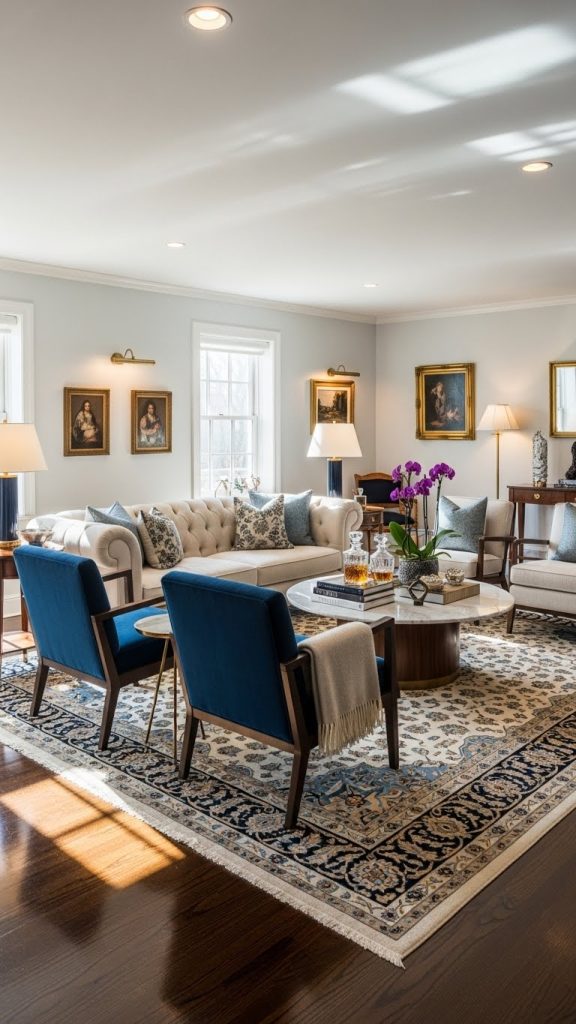
A luxurious living room extends beyond walls and floors to the ceiling. Coffered ceilings, tray ceilings, and decorative plasterwork can dramatically enhance the sense of space and sophistication. Even a painted ceiling in a complementary color can elevate the room’s elegance.

Preparation and Materials: Assess ceiling height and structural possibilities before planning modifications. Materials such as wood beams, plaster, or decorative molding are ideal for creating statement ceilings. Paint with matte or satin finishes can enhance texture and depth.
Design Considerations: Incorporate lighting within ceiling designs to highlight architectural details. A central chandelier in a coffered ceiling draws the eye upward, adding grandeur. Consider subtle colors or metallic accents to complement the overall room palette. Ceiling treatments should harmonize with other design elements, maintaining balance without overwhelming the space.

8. Curated Accessories and Decor
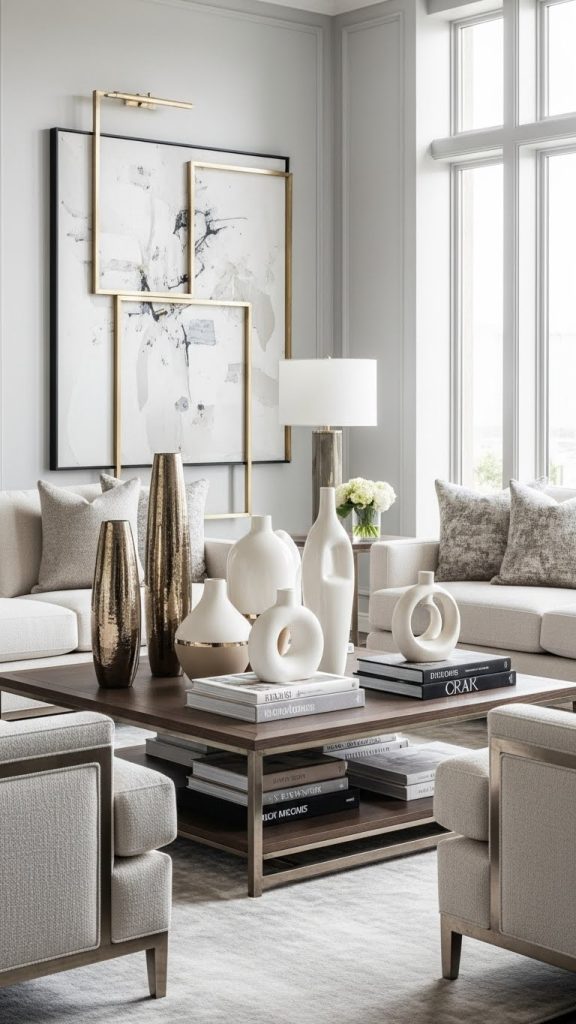
Luxury living rooms feature carefully selected accessories that enhance style without cluttering the space. Decorative objects, vases, sculptures, and designer books can serve as focal points and conversation starters.
Preparation and Materials: Identify surfaces that benefit from decorative accents, such as coffee tables, sideboards, and shelves. Choose materials like glass, crystal, marble, or fine ceramics. Select a limited number of high-quality pieces to maintain a sense of refinement.
Design Considerations: Display items in odd numbers for visual appeal. Ensure that accessories complement the room’s color scheme and overall style. Rotate seasonal decor to refresh the space periodically. Minimalist arrangements with impactful pieces often convey more luxury than overcrowding. Consider incorporating personal items with sentimental value to add a unique, curated feel.
9. Integrated Technology
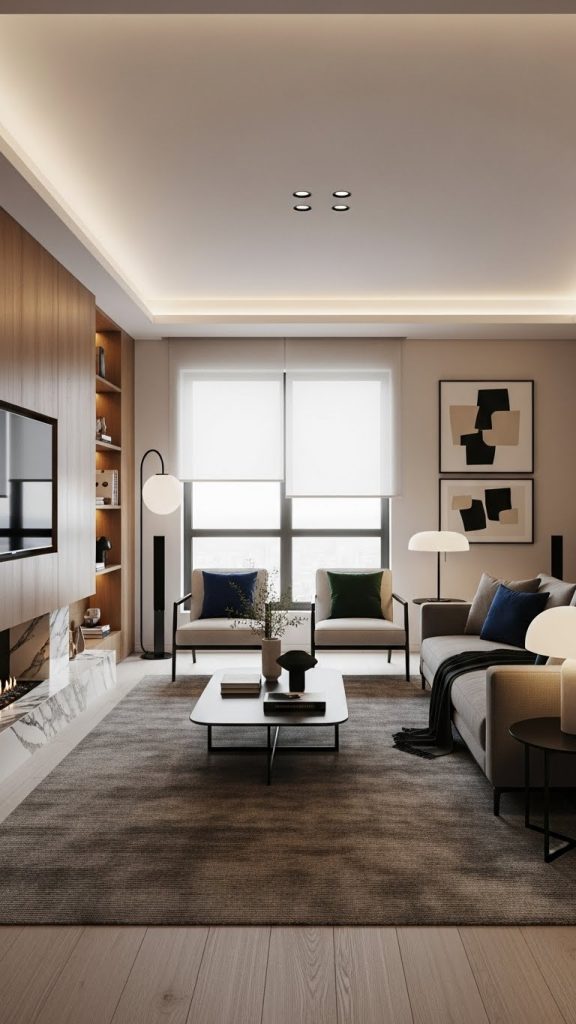
Modern luxury living rooms often blend aesthetics with advanced technology. Built-in sound systems, hidden television units, automated lighting, and climate control systems enhance convenience while maintaining an elegant appearance.
Preparation and Materials: Plan technology integration during the design phase to conceal wiring and equipment. Choose high-quality devices compatible with the room’s layout. Consider custom cabinetry to hide electronics and maintain clean lines.
Design Considerations: Ensure technology complements the design without drawing attention away from aesthetic elements. Remote-controlled systems or smart home integration can enhance comfort. Acoustic panels or rugs can improve sound quality without sacrificing style. Strategically placed lighting can highlight the technology subtly, creating a seamless blend of innovation and luxury.

10. Indoor Greenery and Natural Elements
Incorporating plants and natural elements adds freshness and life to a luxury living room. Large indoor plants, floral arrangements, or small bonsai trees can enhance the space with color, texture, and a sense of tranquility.
Preparation and Materials: Select plants suited for indoor conditions, considering light levels and humidity. Use elegant planters in ceramic, stone, or metal to complement the room’s decor. Include floral arrangements with seasonal blooms for variety.
Design Considerations: Position plants to create visual balance and enhance architectural features. Combine different plant heights and textures to add depth. Ensure maintenance is manageable to keep the room looking pristine. Integrating natural wood accents or stone surfaces with greenery reinforces a luxurious, organic feel.