A beautifully lit garden path not only enhances the aesthetics of your outdoor space but also improves safety and usability at night. Lighting can transform a simple walkway into a magical journey, guiding visitors and creating a warm, inviting atmosphere. Whether you have a small backyard or a large garden, carefully planned lighting can highlight your landscaping, plants, and architectural features. Modern garden lighting solutions are versatile, energy-efficient, and easy to install. They range from subtle solar-powered lights to elegant lanterns and innovative LED strips. When choosing garden path lighting, it is important to consider factors like brightness, placement, energy source, and durability. Materials such as metal, glass, and weather-resistant plastics ensure your lights last through all seasons. Planning your lighting layout in advance will help you achieve balance, avoid glare, and accentuate the most beautiful parts of your garden. In this article, we share ten creative garden path lighting ideas that will help you elevate your outdoor space while keeping functionality and style in mind.
1. Solar-Powered Path Lights
Solar-powered path lights are an eco-friendly and low-maintenance option. They capture sunlight during the day and automatically illuminate your walkway at night. These lights are ideal for long paths or areas where running electrical wiring is difficult.
Materials and preparation: You will need solar path lights, a soft mallet, and a garden rake for leveling the soil. Choose lights with high-efficiency solar panels and weatherproof designs. Install them 6–8 feet apart for uniform lighting. Clear debris or uneven soil from the path before placing the lights to ensure stability. Solar lights may need occasional cleaning to maintain brightness.
Advantages: Solar lights save electricity and are easy to move if you change your garden layout. They provide a gentle glow that enhances the ambiance without overpowering the garden’s natural beauty. They are particularly effective along curved or meandering paths.
2. LED Bollard Lights
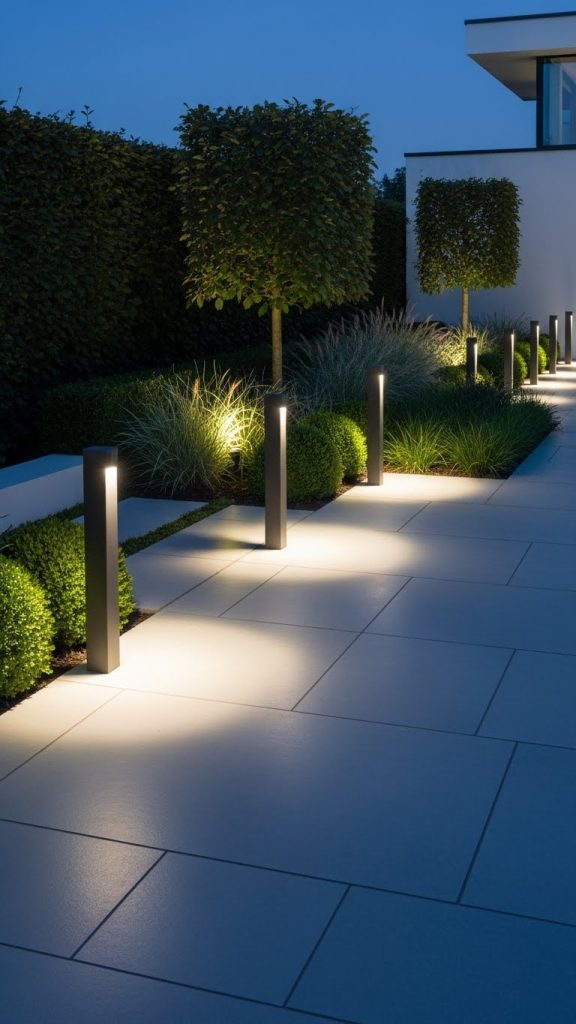
LED bollard lights are short, upright fixtures that provide bright illumination while adding a modern touch to garden paths. They are often used in contemporary or minimalist landscapes.
Materials and preparation: You need LED bollard lights, low-voltage wiring (if not solar), concrete for stable installation, and a screwdriver. Begin by marking the path and spacing the bollards 8–12 feet apart. For hard surfaces, you may need to drill holes and secure the bollards with concrete. Ensure wiring is safely insulated to prevent water damage.
Advantages: LED bollard lights offer long-lasting illumination, energy efficiency, and consistent brightness. Their stylish design can complement modern landscaping while clearly defining pathways. These lights also add height and structure to otherwise flat garden areas.
3. Lantern-Style Lights
Lantern-style lights create a classic, charming look for garden paths. They come in hanging or post-mounted designs and can feature glass panels or decorative metalwork.
Materials and preparation: Materials include lantern lights, posts or hooks for mounting, low-voltage wiring, and a level tool. Choose lanterns made of rust-resistant metal and shatterproof glass. Prepare the installation site by digging small holes or leveling the soil. For hanging lanterns, ensure the supports are strong enough to hold the weight.
Advantages: Lanterns add a warm, welcoming glow to garden paths. They work well in traditional or cottage-style gardens and can be paired with scented plants to create a magical evening atmosphere. The soft illumination also reduces harsh shadows and improves safety.

4. Recessed Ground Lights
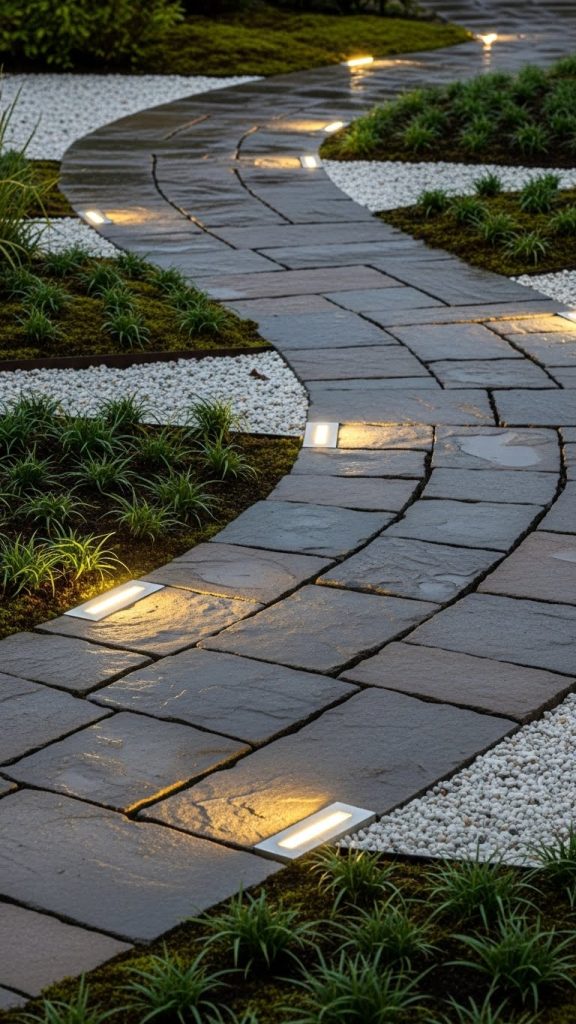
Recessed ground lights are installed directly into the pathway surface, providing subtle and elegant illumination. They are perfect for highlighting edges or specific areas of the path.
Materials and preparation: You will need recessed LED lights, a power source, a drill with hole saw attachments, and sand or concrete for stabilization. Mark the spots evenly along the path and cut openings for the fixtures. Make sure the wiring is waterproof and buried safely beneath the surface.
Advantages: Recessed ground lights are unobtrusive and do not obstruct walking areas. They create a smooth, modern look and can be used to highlight garden borders or textured paving. Their low-profile design is excellent for pathways with limited space.
5. String Lights Along the Path
String lights offer a whimsical touch, perfect for festive occasions or casual garden strolls. They can be draped along fences, trees, or posts lining the path.
Materials and preparation: You need waterproof outdoor string lights, hooks or stakes, and extension cords if required. Plan the route and secure the string lights evenly. Ensure the lights are rated for outdoor use and consider LED options for energy efficiency.
Advantages: String lights create a magical and inviting atmosphere. They are easy to install, versatile, and can be changed seasonally. These lights also allow creative arrangements, such as zig-zag patterns or archways over the path.

6. Step Lights for Path Elevation
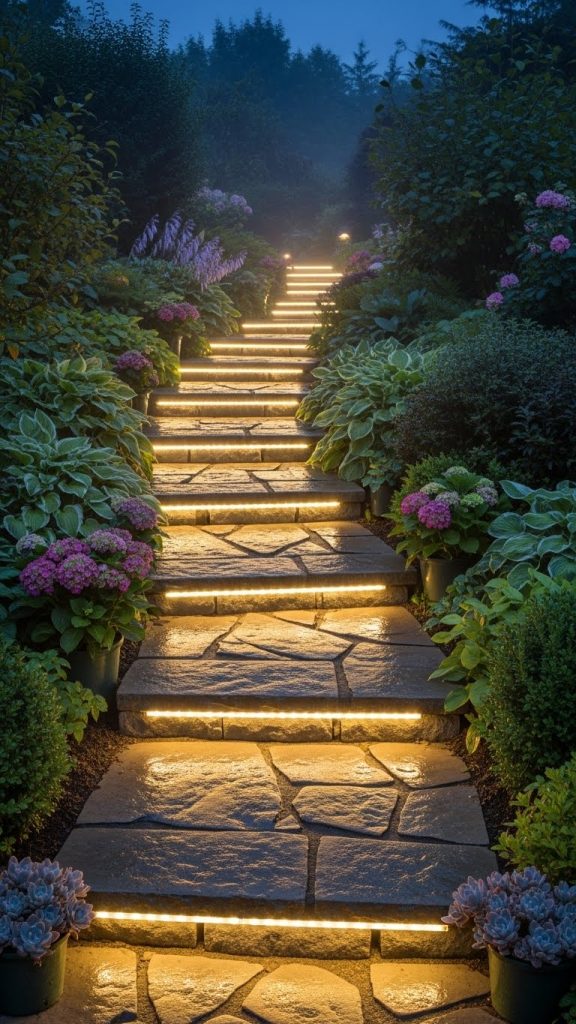
For paths with steps or uneven terrain, step lights ensure safety while adding style. They are small lights installed on vertical risers or along retaining walls.
Materials and preparation: You will need LED step lights, low-voltage wiring, and a drill or masonry tools if mounting on stone or concrete. Measure the height of each step to place lights at an optimal level for visibility. Ensure wiring is concealed and waterproofed.
Advantages: Step lights prevent accidents by clearly defining edges. They are subtle yet highly functional and can be combined with other lighting types for a layered effect. These lights are ideal for hilly gardens or terraced landscapes.
7. Motion Sensor Path Lights
Motion sensor path lights turn on only when someone approaches, adding security and energy savings. They are perfect for secluded gardens or long driveways.
Materials and preparation: Motion sensor lights, mounting stakes or wall brackets, batteries or wiring, and screwdrivers are needed. Install the lights along the path where movement is expected, adjusting sensor angles to cover the entire walkway. Test the sensitivity and range to ensure reliable operation.
Advantages: These lights are energy-efficient and provide an added layer of security. They illuminate paths only when needed, reducing light pollution and operating costs. Motion sensor lights also create a modern, high-tech appeal for outdoor spaces.
8. Colored LED Path Lights
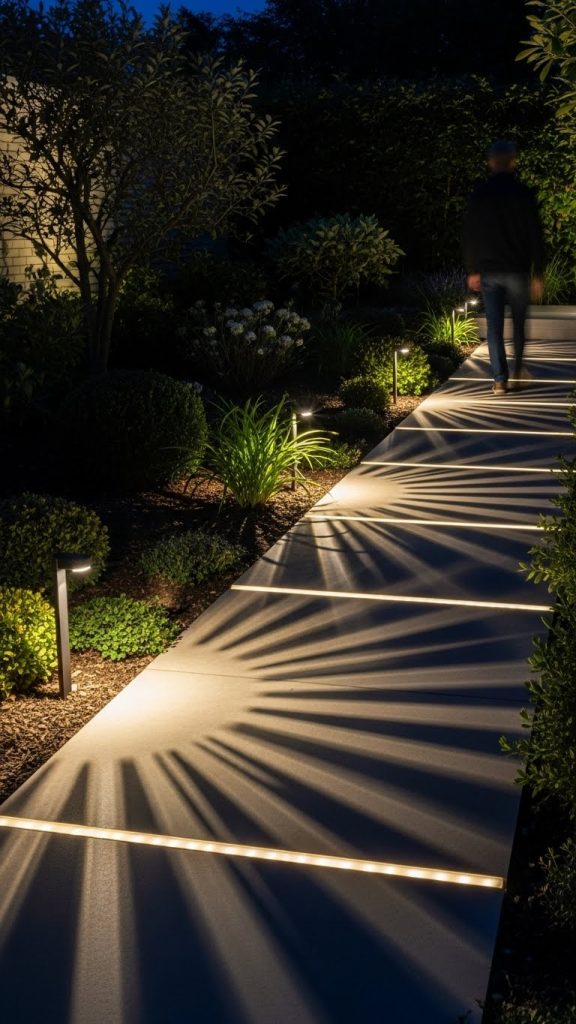
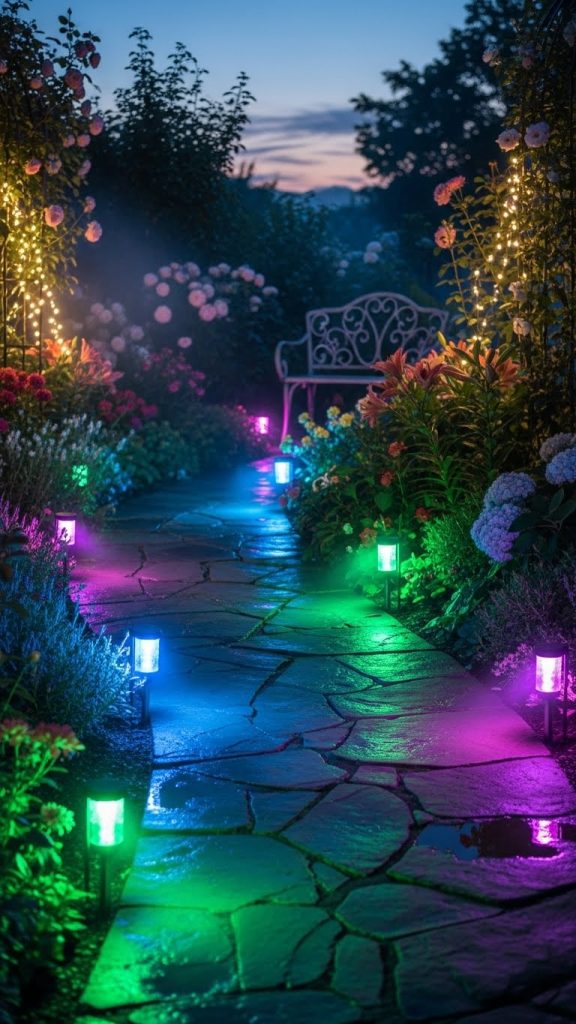
Colored LED lights can create a playful or dramatic effect. They are ideal for themed gardens, parties, or highlighting special areas along the path.
Materials and preparation: Colored LED path lights, low-voltage wiring, controllers for color adjustment, and stakes for installation. Decide on a color scheme and pattern before installation. Space the lights evenly and hide wiring beneath mulch or gravel.
Advantages: Colored LEDs add creativity and personality to your garden. They can be used for seasonal decorations or permanent installations, allowing flexibility with remote-controlled color changes. The soft glow also enhances nighttime photography opportunities.
9. Floating or Water-Feature Lights
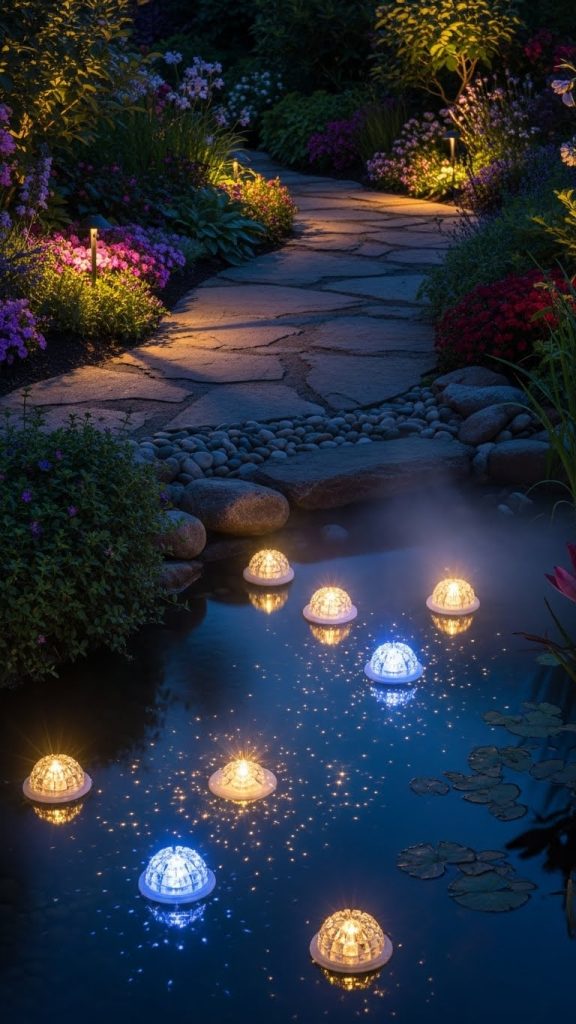
For garden paths near ponds, streams, or water features, floating or underwater lights create a mesmerizing reflection. These lights are waterproof and designed for aquatic environments.
Materials and preparation: Floating LED lights, waterproof batteries or low-voltage wiring, and anchors to prevent drifting. Place lights in the water, ensuring they float freely or are securely mounted. Check water depth and clarity to maximize the glow effect.
Advantages: Water-feature lights add a unique ambiance, reflecting shimmering colors on water surfaces. They can highlight ponds or fountains and create a serene, spa-like atmosphere. Floating lights are especially effective for evening garden parties or romantic settings.
10. Solar-Powered Rock or Pebble Lights
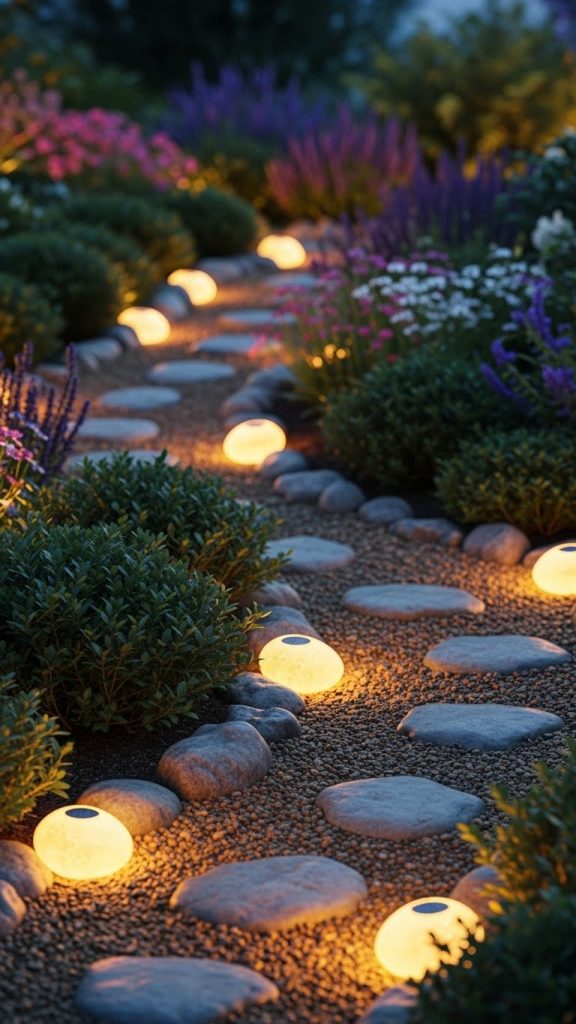
Blending lighting with natural elements, solar-powered rock lights resemble stones or pebbles. They illuminate paths subtly while adding a natural aesthetic.
Materials and preparation: Solar pebble lights, a soft mallet, and flat path surfaces. Place them in gaps or along edges of pathways. Ensure the lights receive adequate sunlight for charging and are positioned to avoid tripping hazards.
Advantages: Pebble lights integrate seamlessly with garden landscapes. They are low-maintenance, durable, and create a whimsical, natural look. These lights are excellent for informal paths, rock gardens, or spaces with minimal decorative lighting.




Leave a Reply