Easter is a time of celebration, creativity, and tradition. One of the most enjoyable activities for families and craft enthusiasts alike is decorating Easter eggs. Painting eggs is not only a fun way to express creativity, but it also allows you to personalize your holiday decorations and even create keepsakes that can last for years. Whether you are decorating eggs with your children, hosting a crafting party, or simply looking to try something new, there are countless techniques and designs you can explore. From simple, minimalist patterns to intricate designs that look professionally done, the possibilities are endless.
Creating beautiful Easter eggs starts with understanding your materials and preparation methods. Using the right type of egg—real, blown-out, or artificial—can make a significant difference in your results. Similarly, choosing the correct paints, brushes, and protective materials ensures that your designs will turn out beautifully without frustration. In this blog post, we will explore 10 DIY Easter egg painting ideas, each accompanied by detailed instructions, materials lists, and preparation tips. These ideas are perfect for beginners and experienced crafters alike, and they will help make your Easter celebration truly special.
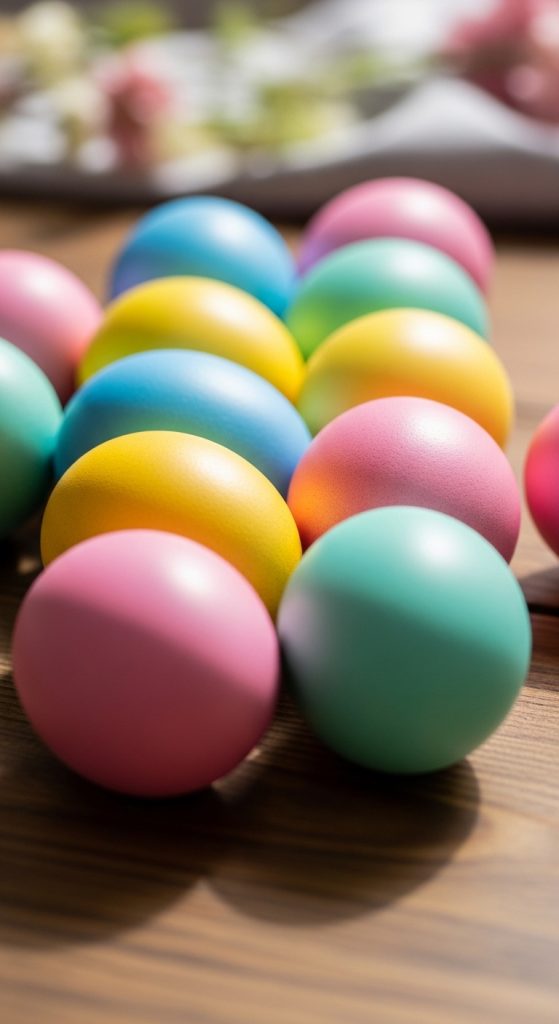
1. Classic Solid Color Eggs
Painting eggs in solid, vibrant colors is a timeless Easter tradition. This simple technique allows you to create a clean, uniform look and serves as a great base for more complex designs later.
Materials Needed:
- White or brown eggs
- Food coloring or acrylic paints
- Paintbrushes or sponges
- Cups or small bowls
- Vinegar (for food coloring)
Preparation:
If using real eggs, boil them for 10 minutes and let them cool completely. For better color absorption, mix 1 tablespoon of vinegar into ½ cup of warm water and then add your chosen food coloring.
Instructions:
- Dip the egg in the colored solution or paint it directly with a brush.
- Let the first coat dry completely before applying a second coat for more vibrant colors.
- Place the finished eggs on a drying rack or paper towels to avoid smudging.
Tips:
For a glossy finish, brush the egg lightly with a bit of vegetable oil after the paint dries. You can also experiment with pastel shades or bold, bright tones depending on your preference.