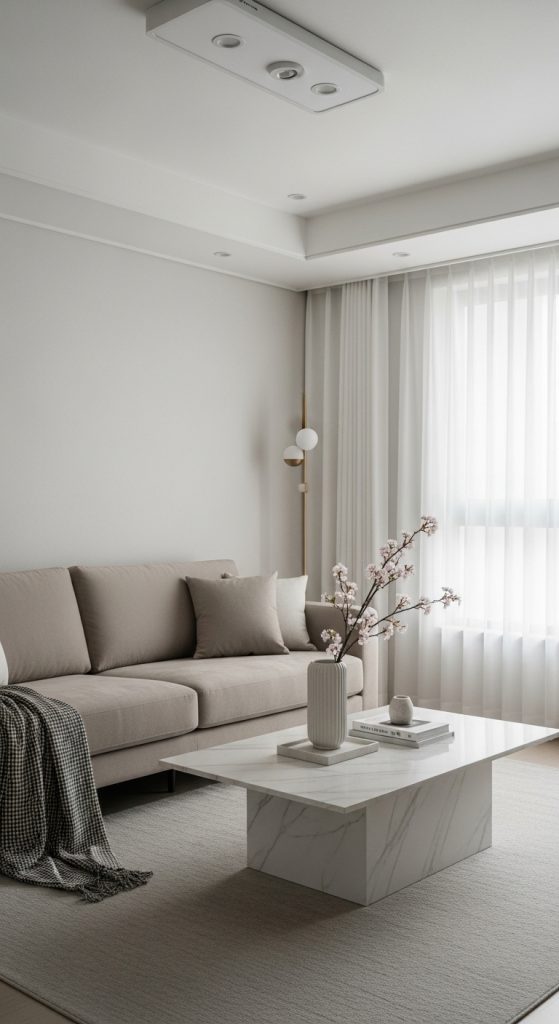
A neutral living space offers more than just visual serenity—it creates a timeless, welcoming atmosphere where comfort meets sophistication. By using soft colors, natural materials, and thoughtful layering, you can design a living area that feels both elegant and cozy. Neutral interiors have the power to calm the mind and make your home feel like a retreat from the chaos of everyday life. In this detailed guide, we will explore ten ways to create a neutral and cozy living space that balances warmth, style, and comfort.
1. Start with a Warm Neutral Color Palette
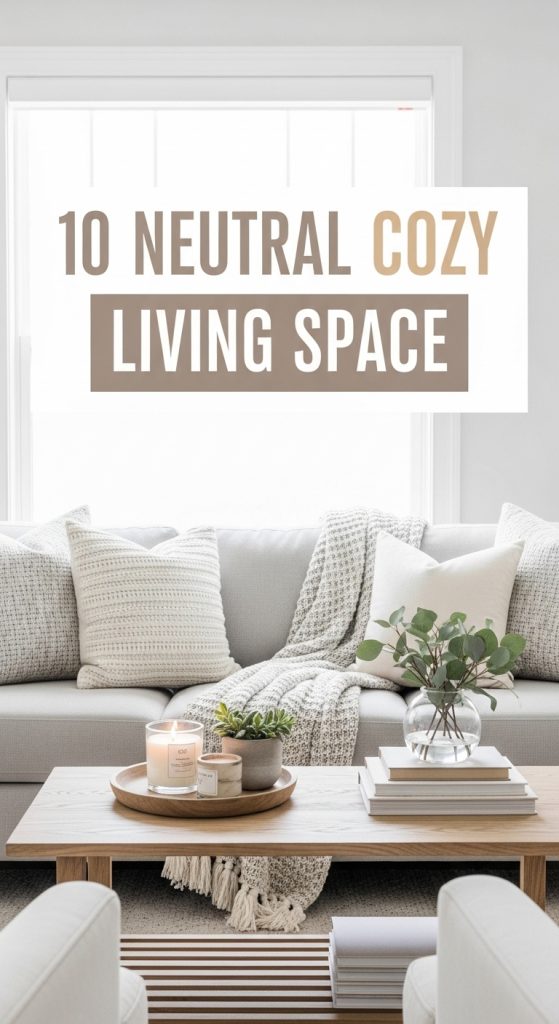
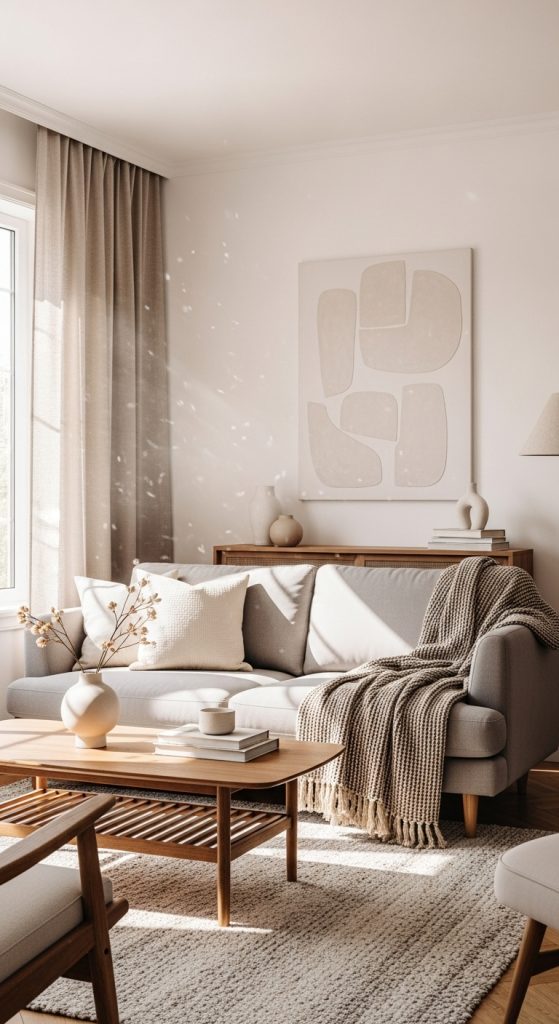
The foundation of any neutral living space begins with the right color scheme. Choose hues that promote calmness and balance, such as beige, ivory, taupe, warm gray, and soft white. These shades form the backdrop that allows textures and accents to shine.
To prevent the room from feeling too plain, blend warm and cool tones for depth. For instance, pair creamy walls with a soft gray sofa and warm wooden furniture. Layering different shades of the same color creates dimension while maintaining cohesion.
Accent walls in a subtle tone—like greige or sand—can add personality without disrupting the neutral aesthetic. The goal is to evoke a sense of calm and continuity throughout the space.
2. Layer Textures for Depth and Warmth
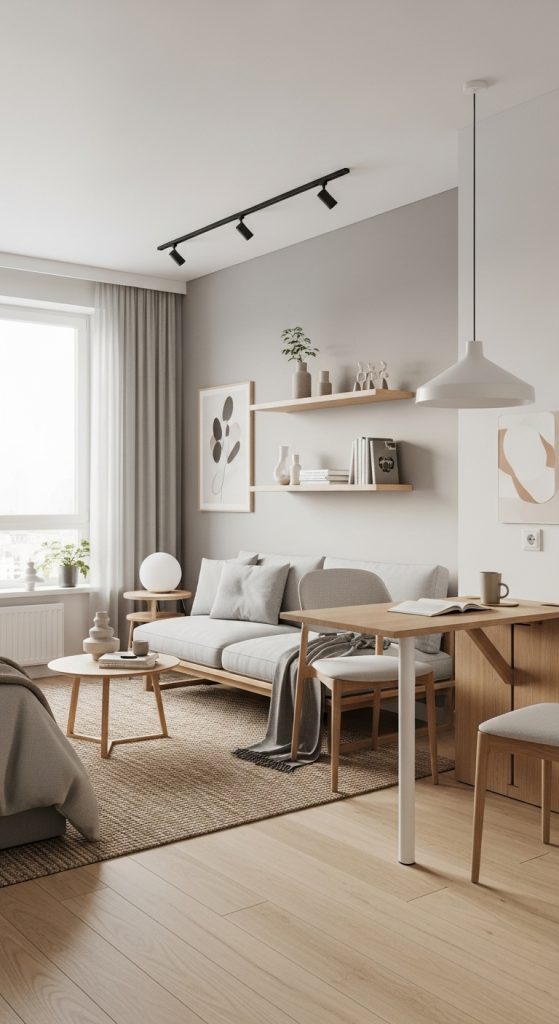
Texture is what transforms a neutral living room from flat to inviting. Mixing different materials adds visual interest and tactile comfort. Think of soft wool throws, linen curtains, jute rugs, and velvet cushions working together to create balance.
For the seating area, combine plush fabrics with natural fibers. A linen sofa adorned with chunky knit pillows instantly feels cozy. Add a textured rug or woven pouf for grounding warmth. Wood, leather, stone, and metal can be layered to introduce contrast and personality.
Texture brings life to a neutral space, making it feel comfortable and lived-in rather than stark or overly minimalist.
3. Incorporate Natural Materials
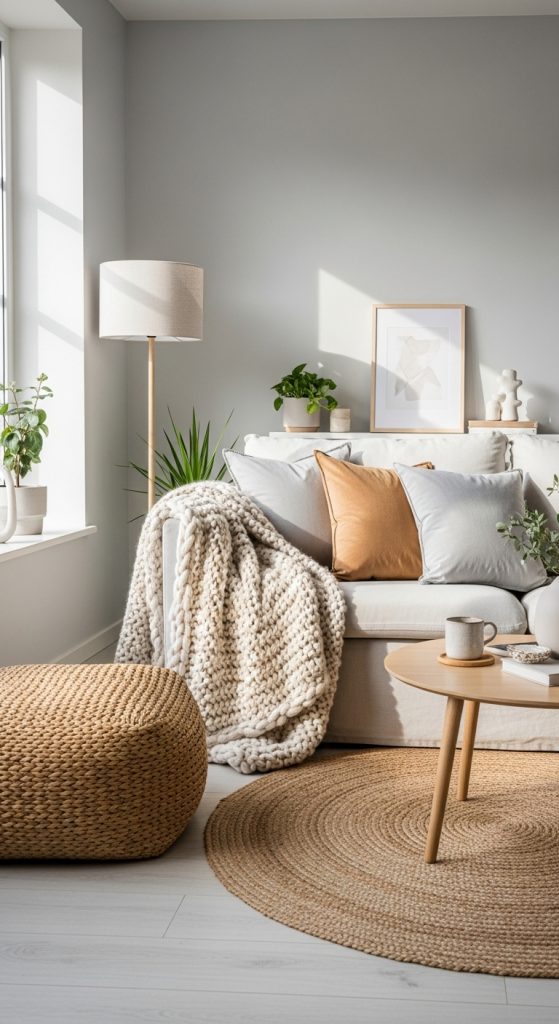
Bringing nature indoors is one of the best ways to make a neutral living space feel warm and authentic. Wood, stone, cotton, rattan, and linen infuse the room with an organic charm that never goes out of style.

A reclaimed wood coffee table, wicker baskets, or a jute rug can add rustic warmth. Stone accents—like a fireplace surround or ceramic vases—enhance the room’s tactile richness. Natural fabrics such as linen or cotton drapery allow soft light to filter in, creating an airy and tranquil mood.
When choosing furniture, prioritize pieces with visible wood grain or natural imperfections. These subtle details make the space feel grounded and welcoming.
4. Choose Comfortable and Inviting Furniture
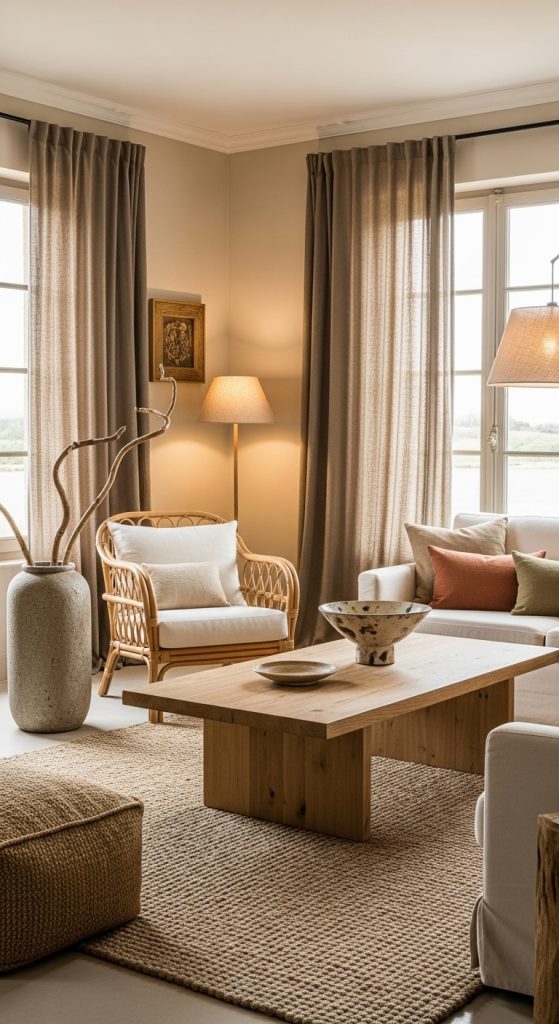
Comfort should always be the heart of a cozy living space. Select furniture that encourages relaxation—oversized sofas, plush armchairs, and cushioned ottomans create an inviting environment.
Opt for pieces upholstered in neutral fabrics like cream, beige, or light gray. Modular sofas or sectional seating work well in larger rooms, while smaller spaces benefit from streamlined silhouettes that still offer softness.

Balance aesthetics with functionality by choosing furniture that feels as good as it looks. Incorporate throw pillows and blankets in various fabrics to create a sense of layered comfort.
5. Use Lighting to Enhance Ambiance
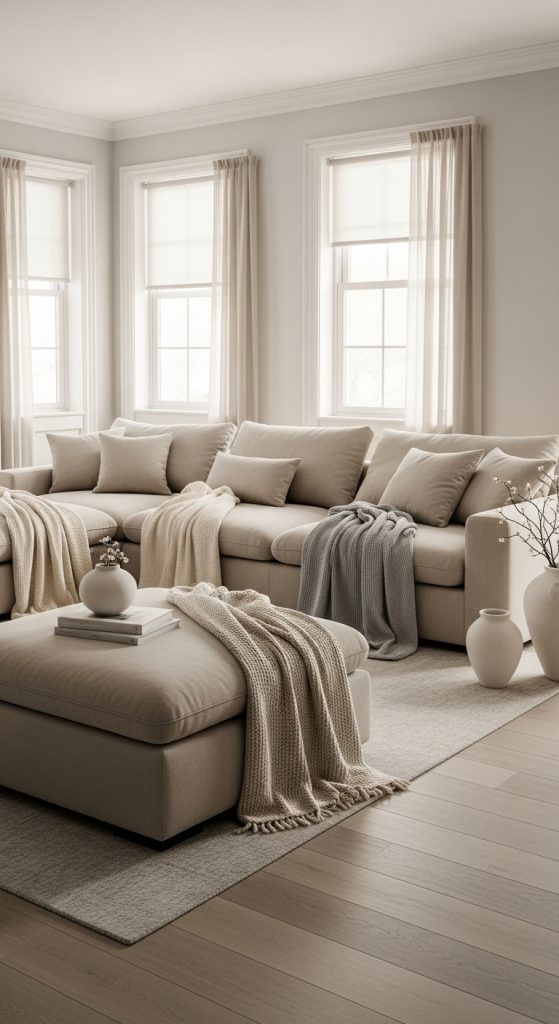
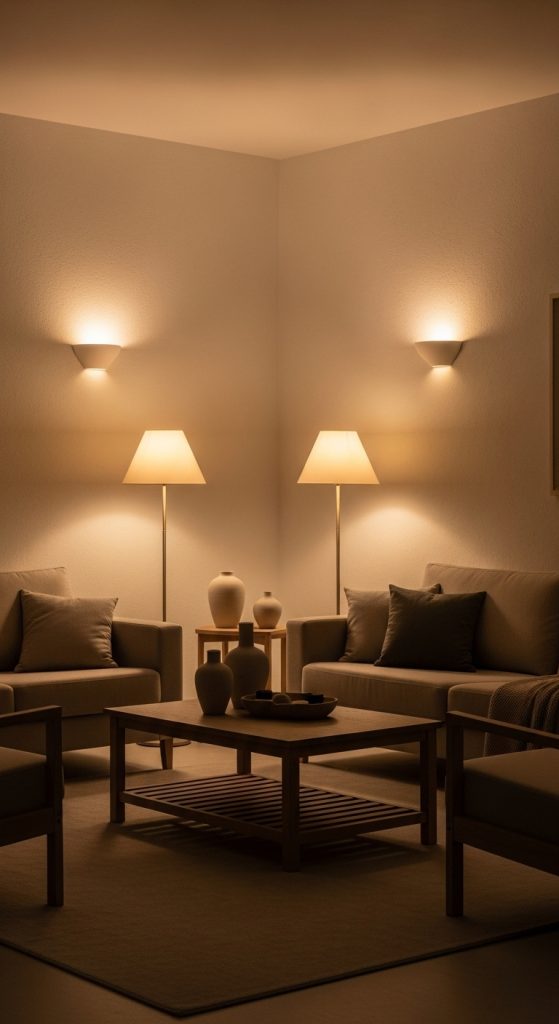
Lighting plays a major role in creating a cozy and welcoming atmosphere. In a neutral space, layered lighting ensures that the room feels warm and dynamic rather than flat.
Combine ambient, task, and accent lighting. Ceiling fixtures provide general illumination, while table lamps and floor lamps create soft pools of light for reading or relaxation. Wall sconces or pendant lights can add elegance and depth.
Warm white bulbs are ideal for neutral interiors, as they enhance beige and cream tones while avoiding harsh glare. For a touch of romance, candles or dimmable lights can make evenings feel intimate and peaceful.

6. Add Cozy Textiles and Layers
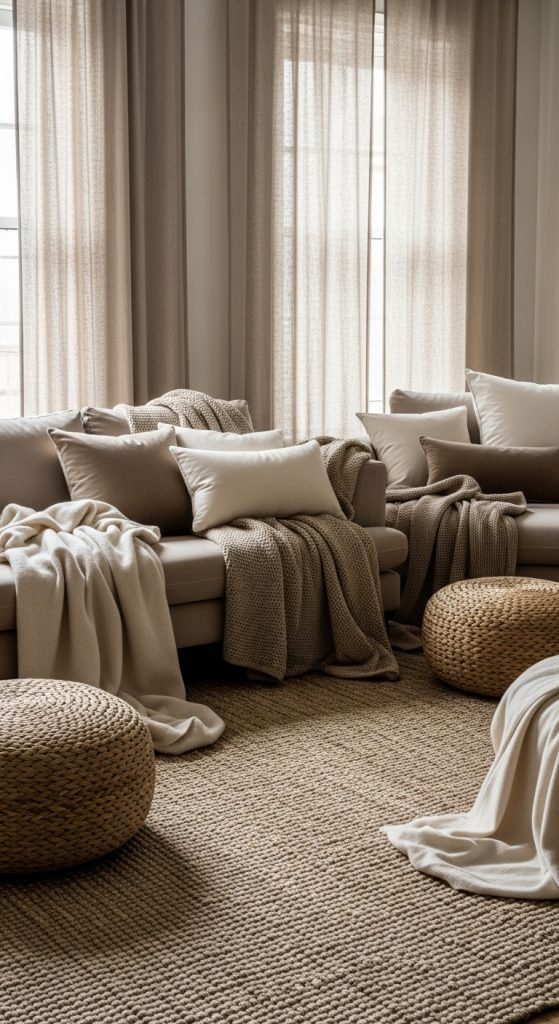
Textiles are the essence of coziness. Pile on soft fabrics that invite touch and warmth. Use throw blankets made of wool, cashmere, or cotton draped over sofas or armchairs. Mix cushions of various textures—velvet, linen, faux fur—to create a dynamic and plush look.
Area rugs are another key element. In a neutral space, rugs define zones and add softness underfoot. Choose designs with subtle patterns or tonal variations that maintain harmony while adding depth.
Even window treatments contribute to coziness. Linen or cotton curtains in warm neutrals filter light beautifully and add an extra layer of texture to the space.
7. Introduce Subtle Patterns and Accents
A neutral living space does not need to be plain. Patterns—when used sparingly—can add charm and visual rhythm. Consider soft geometric prints, stripes, or nature-inspired motifs in muted colors.
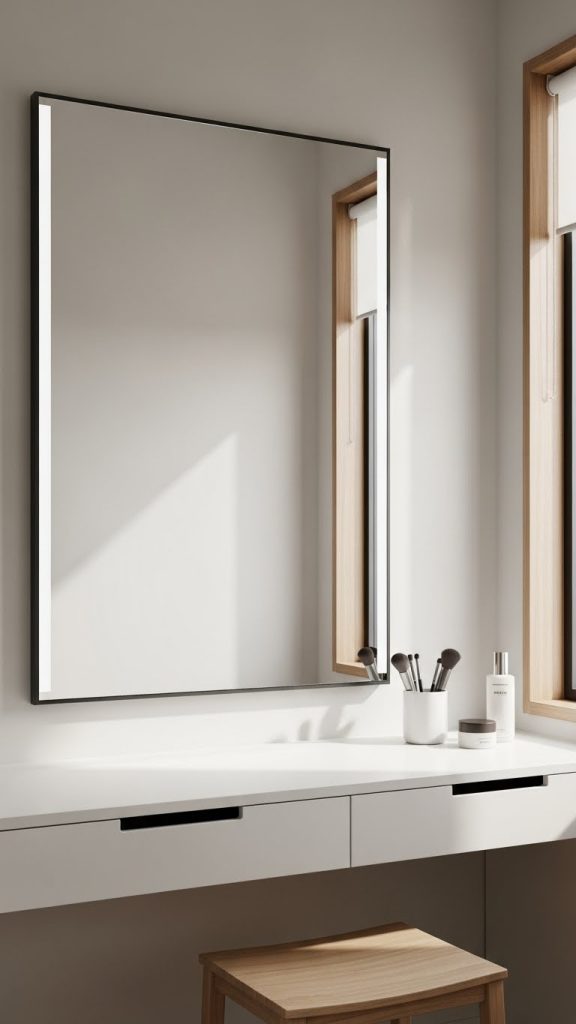
For instance, a patterned rug in beige and ivory can ground the room while adding movement. Cushions or throws with subtle prints introduce contrast without overpowering the simplicity of the design.
Incorporate accent pieces such as vases, ceramics, or art with organic shapes and gentle curves. These details add personality while preserving the room’s calm ambiance.
8. Incorporate Greenery for Freshness
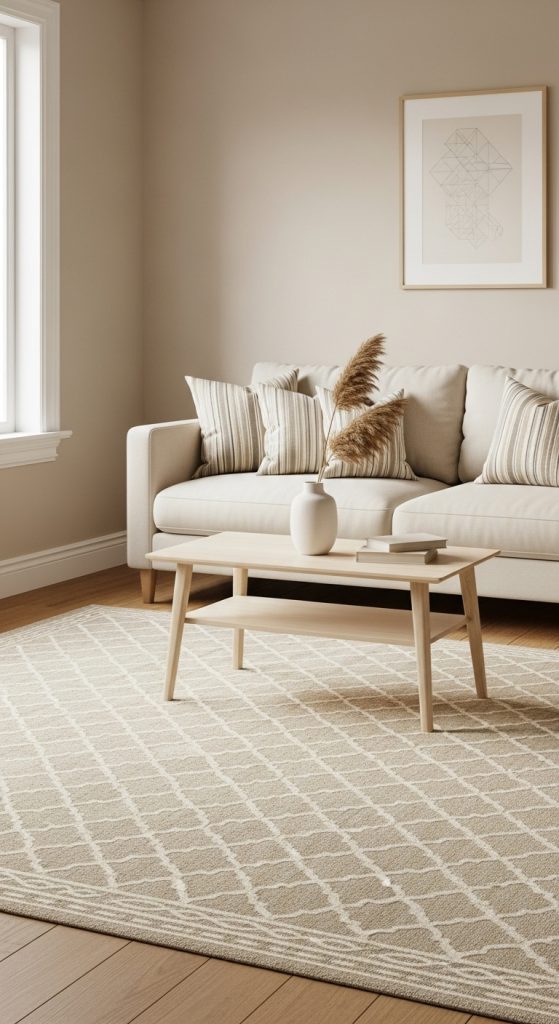
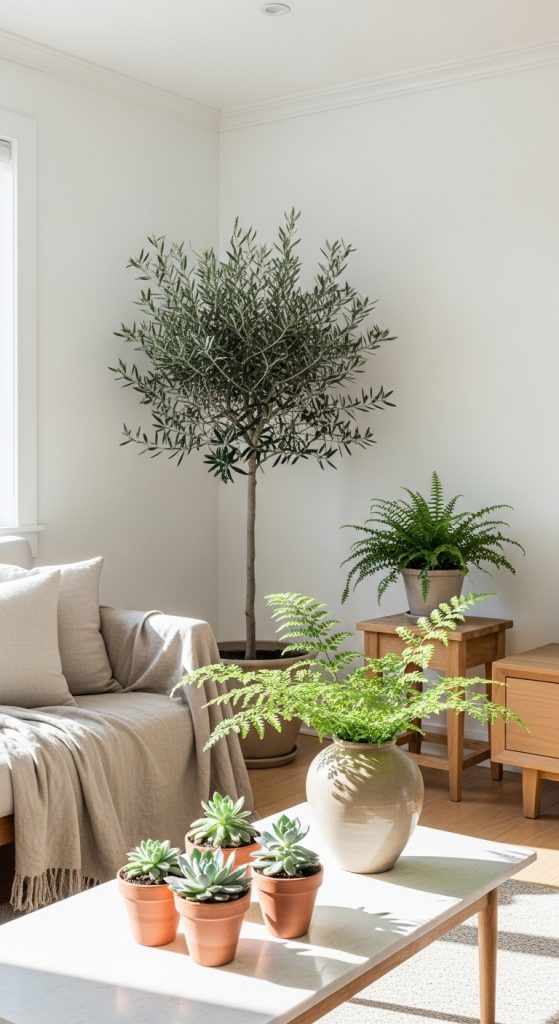
Plants breathe life into neutral interiors. The natural green tones add freshness, breaking the monotony of beige and gray palettes. Even a few well-placed plants can transform a space from static to lively.
Choose low-maintenance indoor plants like ferns, snake plants, or olive trees. Display them in ceramic, woven, or concrete pots that blend seamlessly with the neutral aesthetic.

If you have open shelving or a coffee table, add smaller plants or trailing vines to create organic movement. The greenery not only enhances visual appeal but also purifies the air and promotes relaxation.
9. Style with Personal and Natural Decor
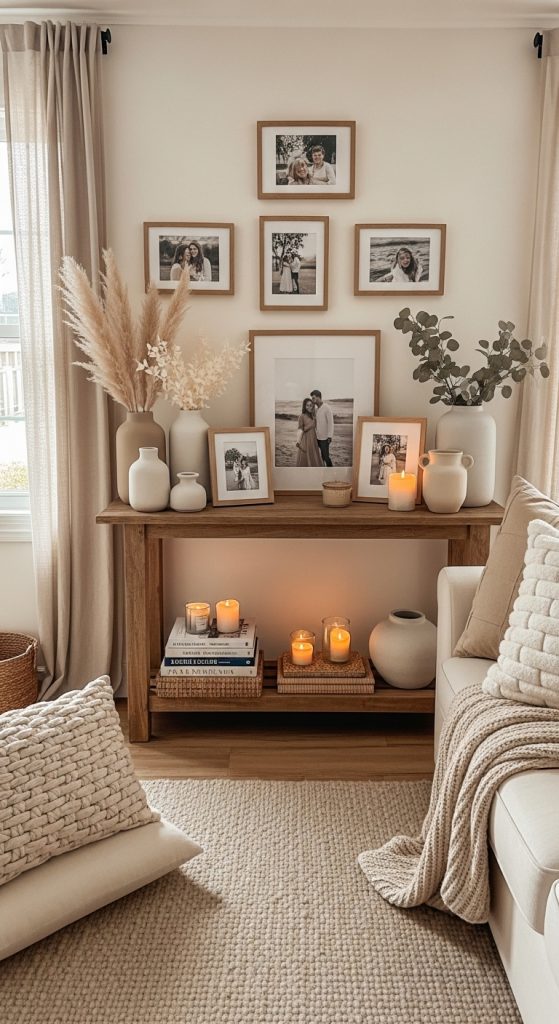
A cozy living space should feel personal, not staged. Incorporate decor that reflects your lifestyle and memories. Items like framed family photos, travel souvenirs, or handmade pottery add warmth and authenticity.
Keep the styling minimal—display a few meaningful objects rather than crowding every surface. Decorative trays, books, or candles arranged neatly on a coffee table or console can create curated yet relaxed vignettes.
Mix in natural elements like driftwood, pebbles, or dried flowers to keep the space feeling grounded and serene. Personal touches make a neutral home feel alive and emotionally connected.

10. Keep It Balanced and Clutter-Free
The beauty of a neutral cozy living space lies in simplicity. Too many elements can disrupt the calm atmosphere, so focus on balance and intentional design.
Start by decluttering surfaces and only keeping items that serve a purpose or add joy. Maintain clean lines and open space for visual breathing room. Each piece should contribute to the harmony of the room.
Furniture placement also affects balance. Arrange seating to encourage conversation and comfort while allowing flow through the space. The result is an environment that feels open, peaceful, and effortlessly inviting.