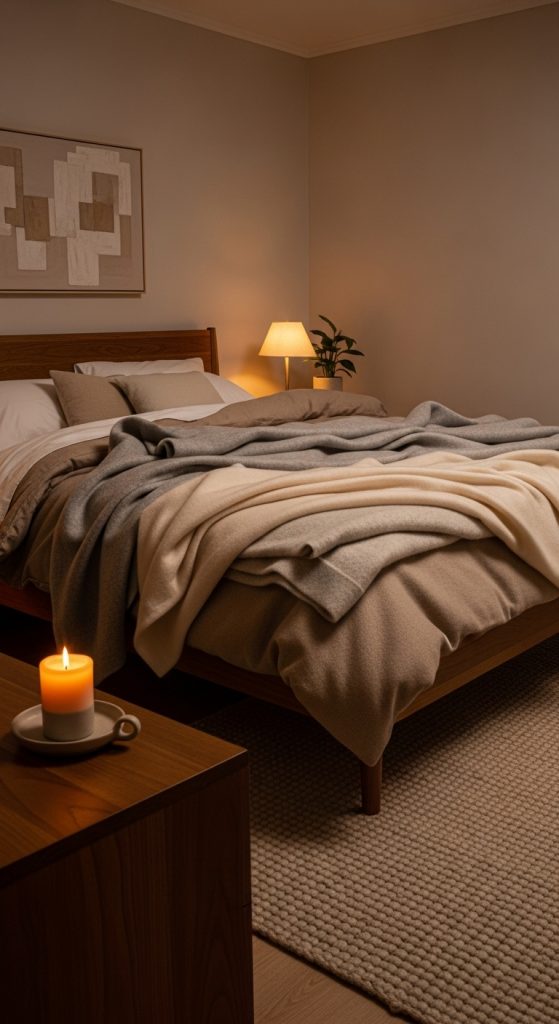
Minimalism in bedroom design is about creating calm, clarity, and comfort through simplicity. A minimalist bedroom is not bare or cold but rather thoughtfully designed to highlight what truly matters. By reducing clutter, using clean lines, and focusing on quality materials, you can create a relaxing and peaceful environment that enhances rest and well-being. Below are ten minimalist bedroom ideas that combine functionality, beauty, and serenity.
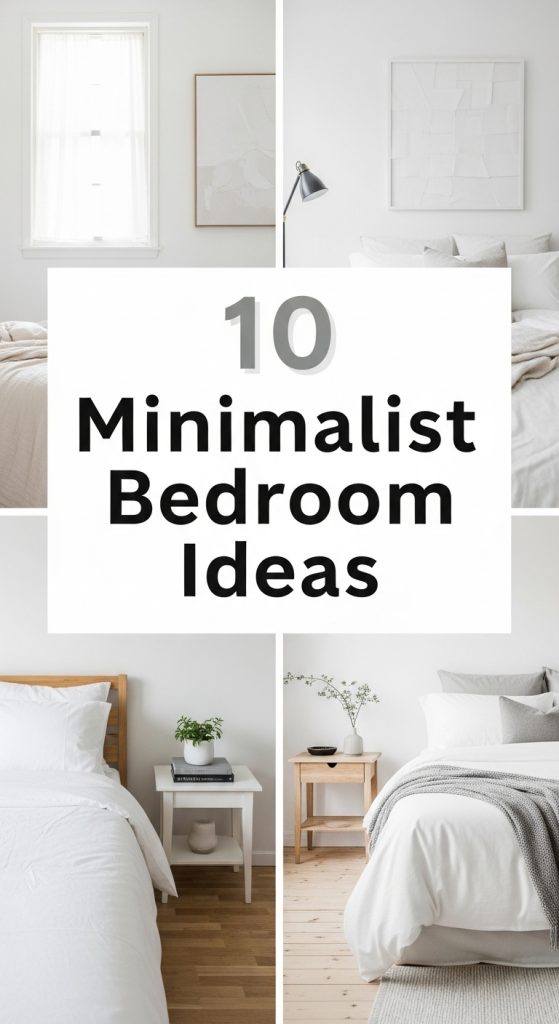
1. Neutral Color Palette
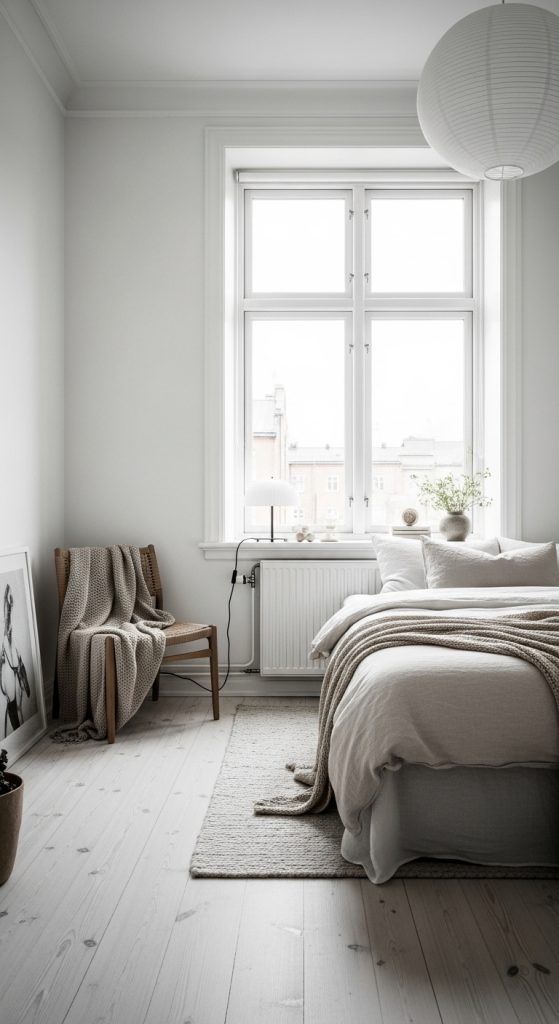
A neutral color palette is the foundation of minimalist design. Shades like white, beige, taupe, gray, and soft earth tones help create a tranquil atmosphere. These colors make the space feel open and airy, reflecting light beautifully throughout the room.
When designing with neutral tones, focus on layering textures to prevent the space from looking flat. A combination of matte walls, linen bedding, and a wool rug can add depth while maintaining simplicity. You can also add a touch of warmth with wooden furniture or small accents like a beige throw blanket.
Keep accent colors minimal. For instance, soft blush, muted green, or charcoal gray can complement the neutral foundation without overwhelming the aesthetic.
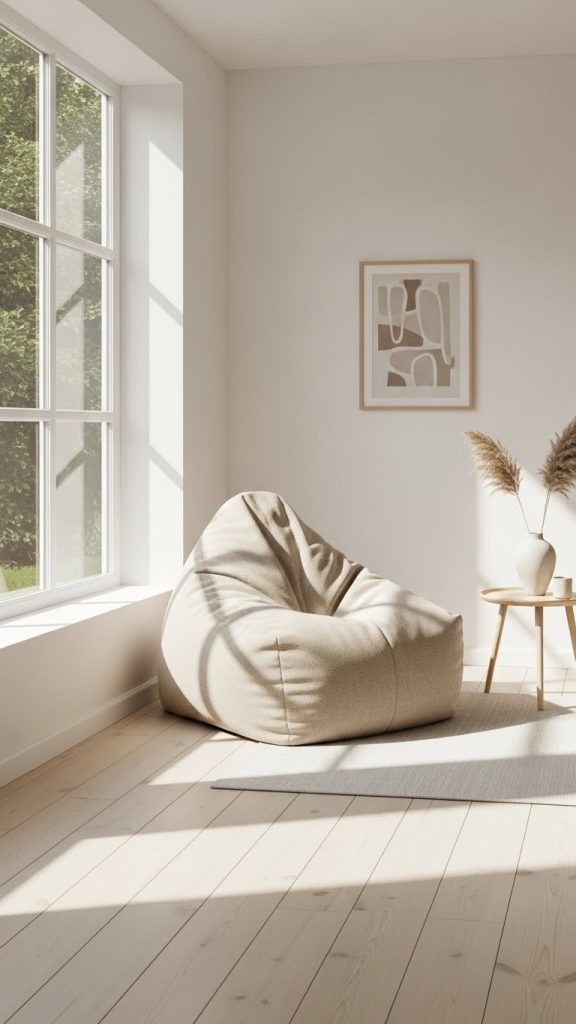
2. Simplified Furniture Design
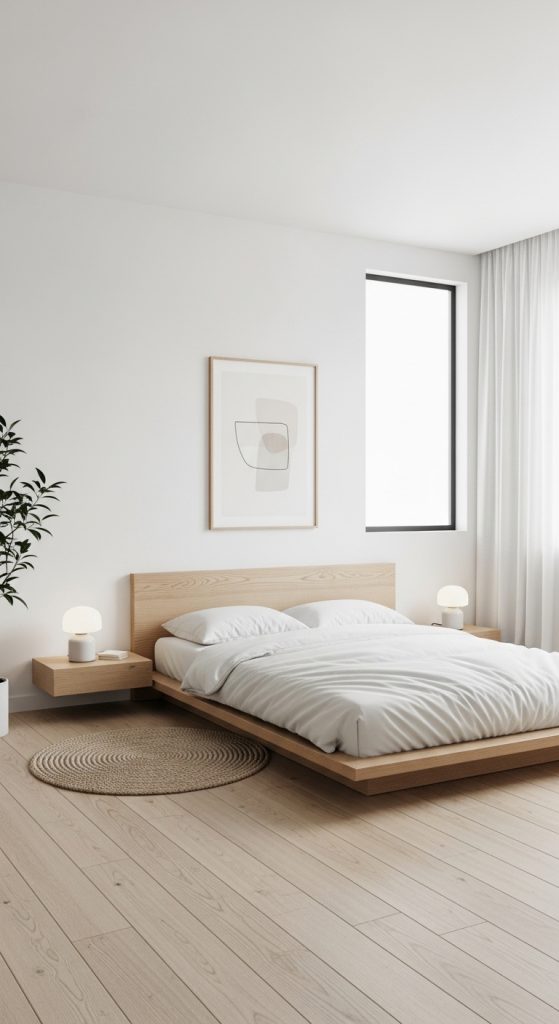
In a minimalist bedroom, furniture should serve a purpose and maintain a clean visual line. Opt for simple, well-crafted pieces with sleek forms and minimal ornamentation. Avoid heavy furniture that clutters the space or disrupts flow.
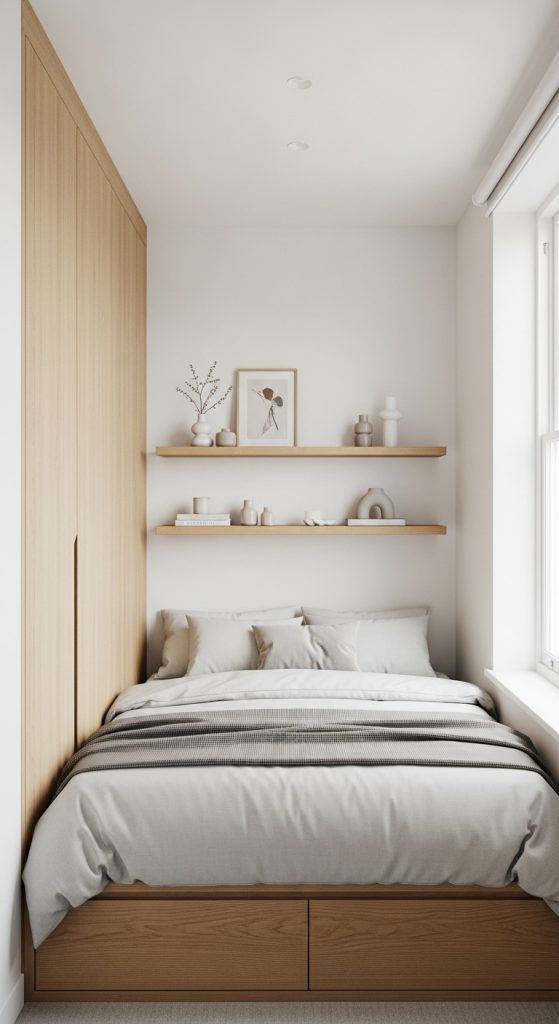
A low-profile platform bed with hidden storage, a small nightstand, and a streamlined dresser are enough to meet daily needs while preserving an open, airy feel. Choose furniture made from natural materials like oak, walnut, or pine for warmth and longevity.
Remember that negative space is part of minimalist design. Resist the urge to fill every corner; instead, allow breathing room around each furniture piece.
3. Clutter Free Surfaces
A hallmark of minimalism is keeping surfaces clear and organized. Every item should have a designated place, ensuring the room remains calm and orderly. Avoid stacking books, displaying unnecessary decor, or overloading dressers and nightstands.

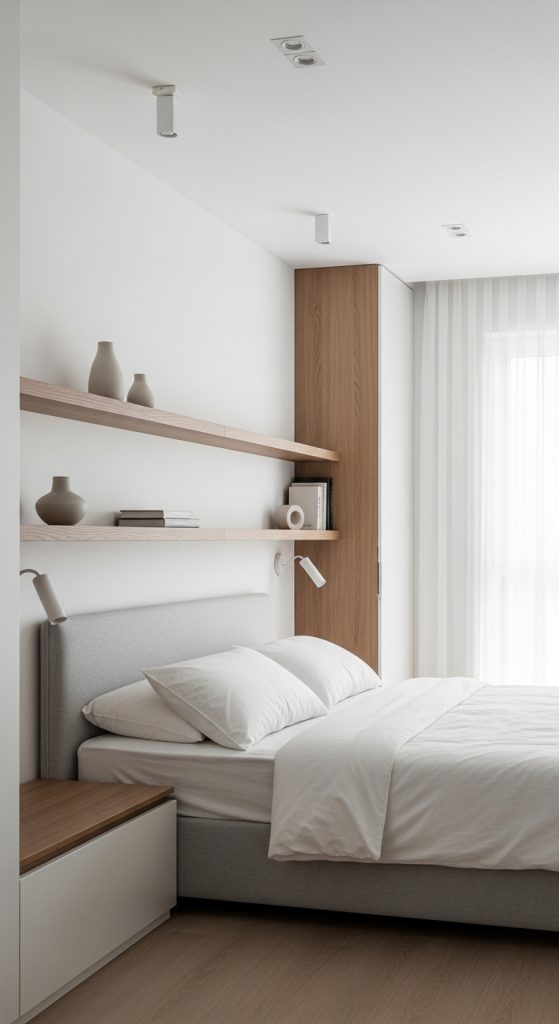
To maintain cleanliness, use hidden storage solutions such as drawers under the bed or built-in shelves that blend seamlessly with the walls. Minimalist spaces thrive on visual balance, so keeping clutter out of sight enhances the sense of tranquility.
Additionally, consider practicing mindful ownership. Keep only those items that serve a function or hold emotional value.
4. Statement Lighting
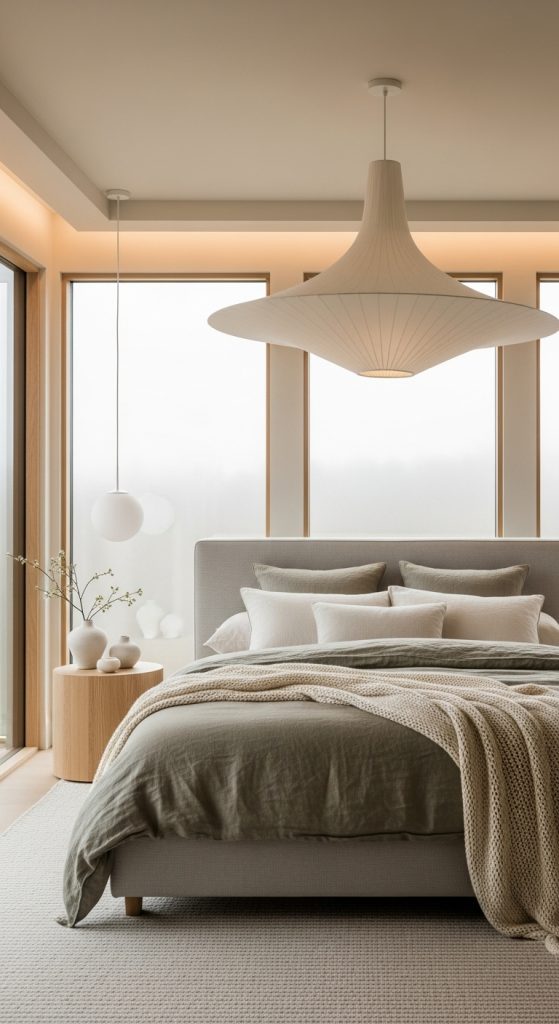
Lighting plays a vital role in minimalist design, shaping both mood and functionality. Rather than relying solely on overhead lighting, create layers using floor lamps, wall sconces, or pendant lights. Each fixture should complement the simplicity of the space with clean lines and understated finishes.
Soft, warm lighting enhances comfort and adds depth to neutral tones. Pendant lamps made of metal, paper, or rattan can introduce subtle texture. Recessed lights or LED strips under floating shelves can offer soft illumination while maintaining an uncluttered look.

Natural light is equally important. Keep windows uncovered or use sheer curtains to allow daylight to flow freely into the space.
5. Functional Storage Solutions
Smart storage is the backbone of minimalist living. A clutter-free bedroom requires solutions that are practical, aesthetic, and discreet. Consider built-in wardrobes that blend into the wall with no visible handles. Floating shelves or concealed drawers under the bed maximize storage without crowding the room.
Opt for furniture that doubles as storage, such as ottomans or benches with hidden compartments. This approach ensures that all belongings have a place, maintaining visual harmony.
Remember to periodically edit your possessions. The goal is to prevent excess accumulation and sustain the simplicity that defines minimalism.

6. Organic Materials and Textures
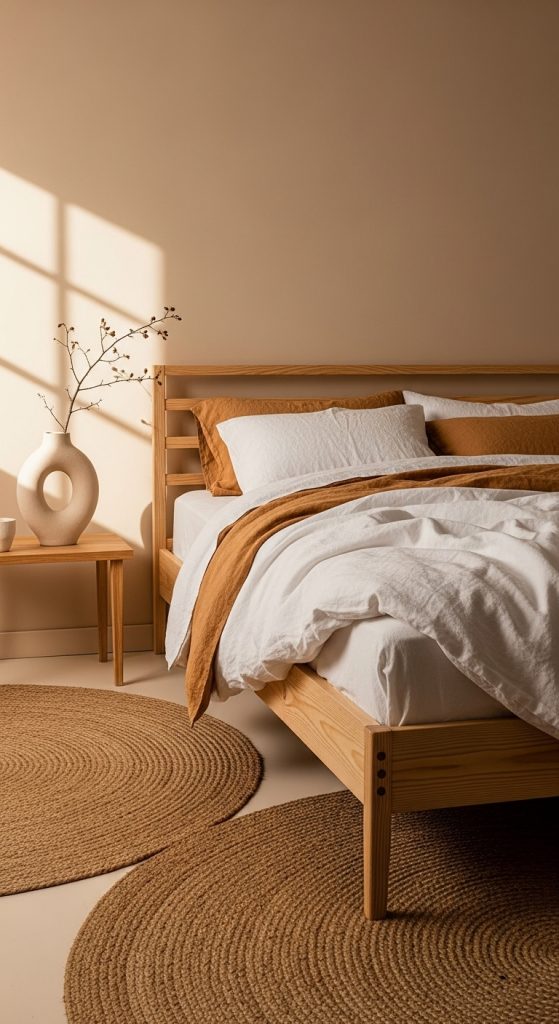
Minimalist bedrooms benefit from the inclusion of natural materials. They add warmth and texture, making the space feel inviting rather than sterile. Use wood, linen, cotton, wool, and stone to create tactile contrast within a restrained palette.
For instance, a linen duvet cover paired with a jute rug and a solid wood bed frame creates an organic, grounded look. Small details such as clay vases or woven baskets can introduce subtle visual interest while staying true to the minimalist style.
Avoid glossy or synthetic finishes, which can detract from the calm and natural essence of the space.
7. Artwork with Purpose
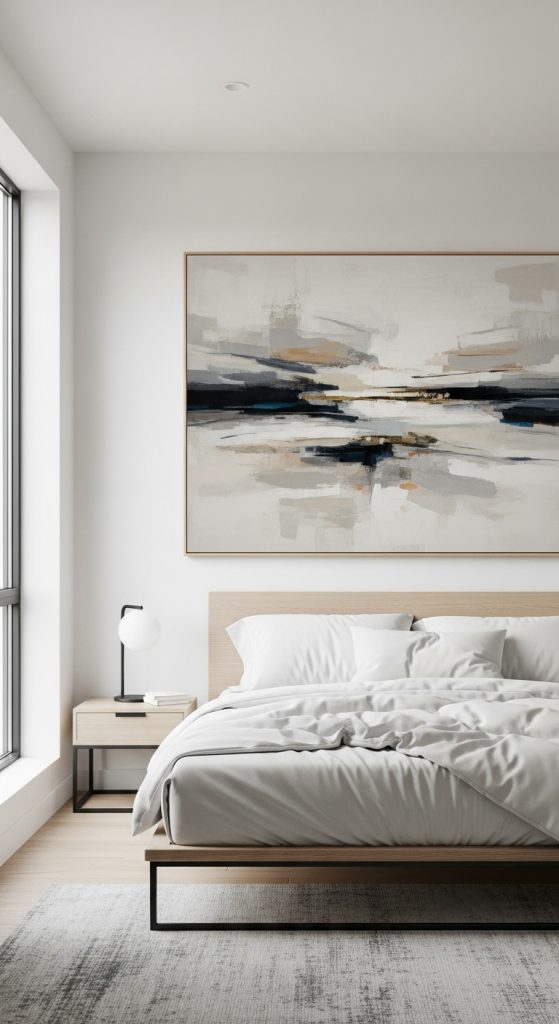
Minimalist art can serve as a focal point without overwhelming the room. Choose a single large piece or a small curated collection that complements the color scheme and mood. Abstract line drawings, black and white photography, or monochrome prints often work well.

Keep frames simple and avoid over-decorating walls. The artwork should feel integrated rather than competing with other design elements. Empty wall space is equally valuable and contributes to balance and breathing room.
This selective approach ensures that every visual element has meaning and purpose.
8. Balanced Layout and Flow
A minimalist bedroom layout emphasizes comfort, proportion, and ease of movement. The arrangement should allow natural light to flow freely and maintain symmetry.
Position the bed as the central element, often aligned with the longest wall. Keep essential furniture within easy reach but avoid crowding the space. For example, matching nightstands on either side of the bed create harmony and visual balance.

Open space plays a psychological role in minimalism. A well-planned layout encourages relaxation, helping the mind feel as uncluttered as the surroundings.
9. Greenery and Natural Elements
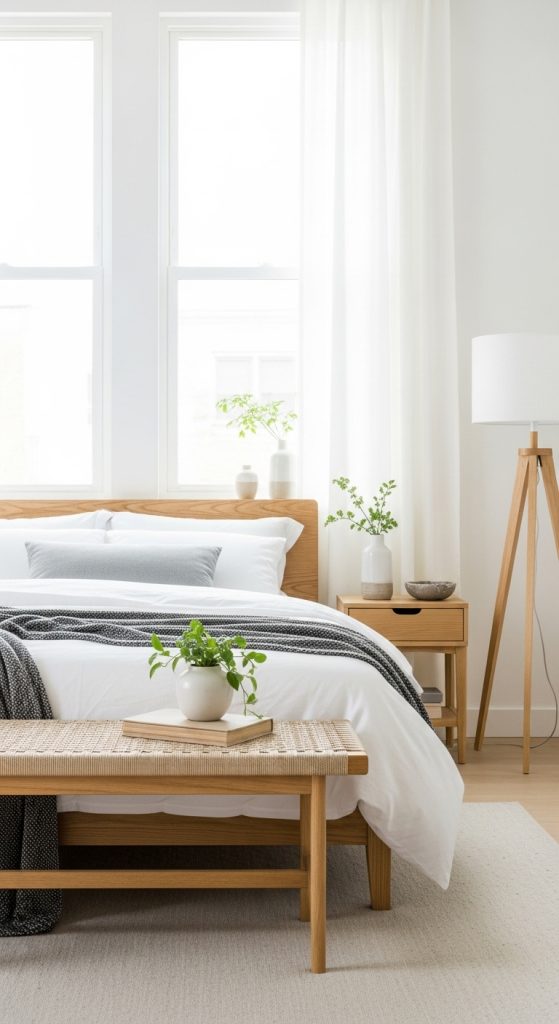
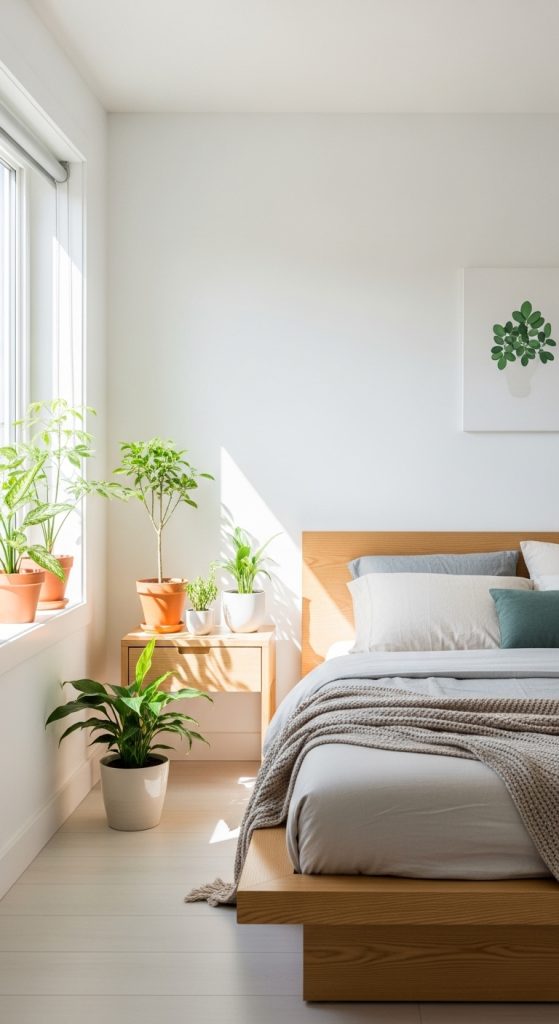
While minimalism avoids excess, introducing a touch of greenery can enliven the space. Plants bring life, color, and improved air quality. Choose simple, easy-to-care-for varieties like snake plants, peace lilies, or succulents.
A single large potted plant or a small arrangement on a bedside table can provide the right amount of freshness without disrupting the minimalist aesthetic. Complement plants with natural materials like wood and stone to strengthen the connection to nature.
Avoid over-decorating with too many plants, as this can lead to visual clutter.

10. Cozy Minimalism
Modern minimalist design has evolved to include a more inviting version known as cozy minimalism. This approach balances simplicity with warmth and comfort. It allows for soft layers and personal touches while maintaining a clutter-free environment.
To achieve this style, incorporate plush textures through wool throws, layered bedding, or a soft area rug. Choose warm lighting instead of stark white bulbs, and add elements like candles or a favorite book for personality.
The key is to maintain restraint. Every piece should contribute to comfort and calm, avoiding excess or unnecessary detail.