
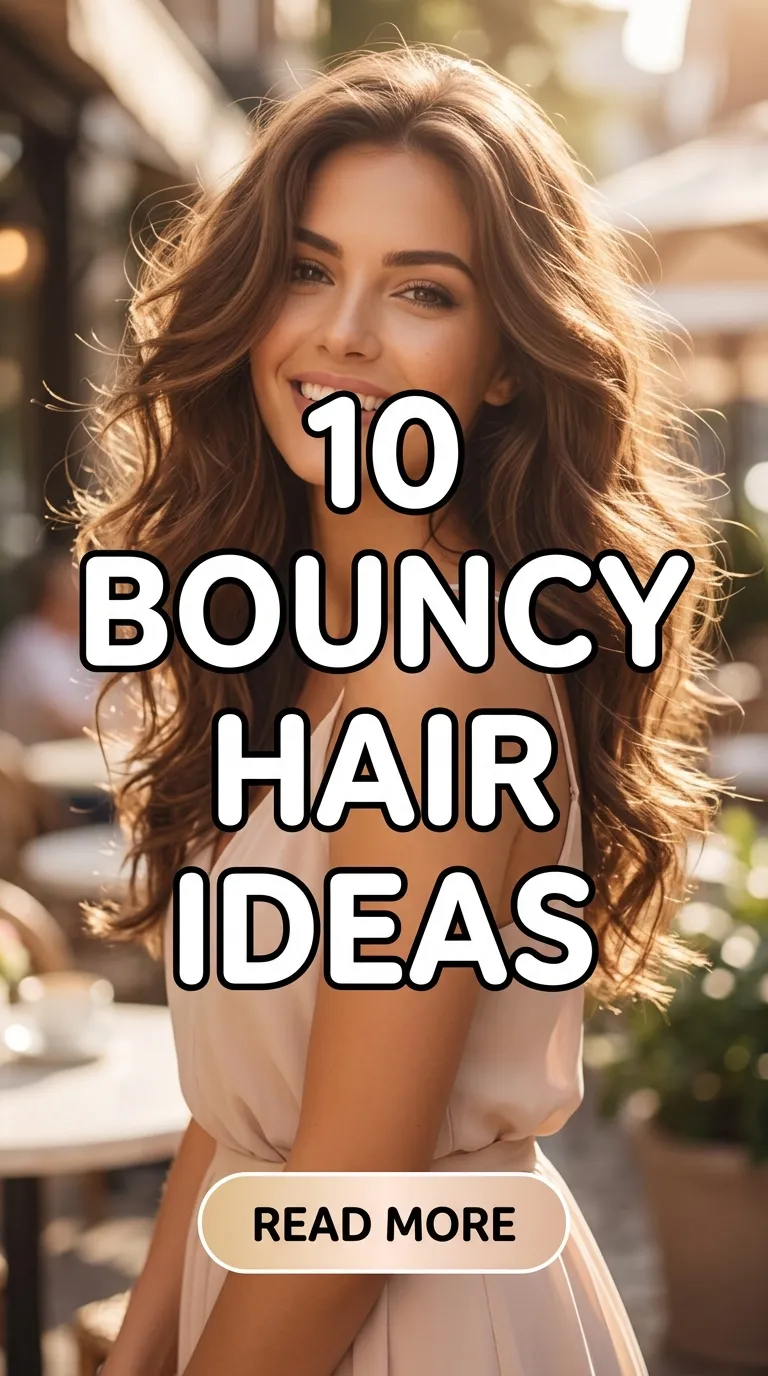

Bouncy hair is one of the most searched beauty and Pinterest ideas because it represents volume, movement, and a naturally healthy appearance. It is a styling approach focused on creating lift from the roots, soft body through the lengths, and a light, airy finish that moves easily with motion. Many people look for bouncy hair ideas because flat or weighed-down hair can make styling feel limited, while volume instantly changes the overall look. This topic is widely used in DIY hair styling, salon inspiration, and everyday grooming routines because it works across different hair lengths and textures when adapted correctly.
This guide explores detailed, practical methods for achieving bouncy hairstyles using simple techniques, preparation steps, and styling approaches. It focuses on real execution rather than abstract inspiration, making it suitable for beginners as well as those refining their styling routine. Each section is designed to help build understanding of how bounce is created through structure, layering, drying techniques, and styling direction. By the end, readers will understand how to transform everyday hair into a fuller, more dynamic shape using accessible methods and consistent practice.
Why This Idea Is Trending or Useful
Bouncy hair continues to trend across Pinterest ideas because it aligns with modern beauty preferences that emphasize natural volume, effortless styling, and soft movement rather than rigid structure. In current fashion and beauty culture, hair that appears light, lifted, and full of life is considered more versatile for both casual and formal looks. This makes bouncy hairstyles highly adaptable for daily wear, photography, events, and creative styling inspiration.
Another reason this topic remains popular is its accessibility. Most bouncy hair techniques do not require advanced tools or complex salon processes. Instead, they rely on practical methods such as blow-drying direction, layering techniques, heat styling control, and basic hair preparation. This makes it a strong DIY category for beginners who want noticeable results without professional intervention. It also fits well within minimalist style and modern design aesthetics, where simplicity and texture are valued over heavy styling. As a result, bouncy hair ideas remain a consistent source of inspiration for anyone exploring creative hair transformation methods.

Materials and Preparation
Creating bouncy hair begins with proper preparation, as the foundation of volume depends on how the hair is treated before styling. Basic materials include a wide-tooth comb, round brush, blow dryer, and sectioning clips. These tools help control direction and structure during the styling process. Lightweight styling products are often used to support lift without weighing the hair down, ensuring the final result maintains movement and softness. Choosing the right combination of tools is important because bounce is achieved through controlled shaping rather than heavy product use.
Preparation steps involve washing the hair with a focus on cleanliness and light conditioning to avoid buildup. Hair should be slightly damp before styling, as this allows better control during drying and shaping. Sectioning the hair is also essential, as it ensures even distribution of heat and consistent volume from root to tip. Planning the direction of curls or blow-dry flow helps maintain symmetry and prevents uneven flattening. Proper preparation creates a stable base, making all following styling steps more effective and longer lasting.
MAIN IDEAS SECTION
Idea 1: Root Lift Blow-Dry Volume
How to Create
Root lift blow-dry volume is a foundational technique in achieving naturally bouncy hair. The concept focuses on lifting the hair at the scalp while directing airflow upward and away from the roots. This creates a structural base that supports fullness throughout the entire hairstyle. The visual effect is soft height at the crown with smooth movement through the lengths, making it suitable for everyday wear and more polished looks. This method works across most hair types and is especially effective for hair that naturally lies flat. It is widely used in Pinterest ideas because it creates noticeable transformation with minimal effort.
Step-by-Step Guide
To execute this method, start with damp hair and section it into manageable parts. Using a round brush, lift each section from the root while directing heat from a blow dryer toward the scalp. Focus on maintaining upward tension while drying to lock in volume. Continue this process across the entire head, ensuring consistency in direction. Once dry, allow the hair to cool while still lifted to set the shape. Light finger styling at the end helps separate strands and enhance natural bounce. The final result is a lifted, airy look that holds structure without stiffness, making it an essential beginner friendly technique.

Idea 2: Soft Curl Bounce Layers
How to Create
Soft curl bounce layers rely on creating gentle curves throughout the hair rather than tight curls. This method enhances natural movement and adds dimension, making the hair appear fuller and more dynamic. The layered structure allows each section to fall differently, contributing to a soft and flowing aesthetic. It is commonly used in modern design-inspired hairstyles because it avoids uniformity and instead focuses on natural variation. This approach is ideal for those looking for creative ideas that feel effortless yet styled.
Step-by-Step Guide
Begin by dividing the hair into medium sections. Use a curling method that wraps hair loosely around a heat tool or roller, ensuring the ends remain slightly relaxed. After curling, allow the hair to cool completely before gently separating the strands using fingers or a wide comb. Avoid over-brushing, as this reduces definition and bounce. Layering is key, so ensure curls are not uniform in direction. This creates a natural cascade effect. Light finishing techniques help maintain softness while keeping volume intact. The result is a balanced combination of structure and movement suitable for everyday styling.

Idea 3: Volumized Flip Ends Style
How to Create
The volumized flip ends style focuses on creating outward movement at the ends of the hair while maintaining smooth volume through the top and mid-lengths. This design creates a playful yet controlled silhouette that enhances bounce visually. It is often used in aesthetic Pinterest ideas because it adds personality without requiring full curls. The flipped ends give the illusion of thicker, more dynamic hair while maintaining a clean overall structure.
Step-by-Step Guide
To create this look, start by blow-drying the hair straight while maintaining lift at the roots. Once the hair is mostly dry, use a round brush or straightener to gently curve the ends outward. The direction should remain consistent across all sections for a polished finish. Cooling the hair in position helps set the flip. Light separation with fingers adds softness and reduces stiffness. This method works especially well for medium to long hair and can be adjusted for subtle or dramatic flips depending on preference.

Idea 4: Layered Air Dry Bounce Technique
How to Create
The layered air dry bounce technique is a heat-free method designed to enhance natural texture and volume. It relies on strategic layering of damp hair so that it dries in a structured yet soft formation. This approach is ideal for DIY routines because it minimizes heat damage while still producing noticeable lift and movement. It aligns with modern minimalist style principles by focusing on natural shaping rather than heavy styling.
Step-by-Step Guide
After washing, divide the hair into sections and gently scrunch or twist each part depending on natural texture. Apply lightweight styling support if needed, then allow the hair to air dry in sections rather than fully loose. Periodically lifting roots while drying enhances volume. Once dry, gently separate strands to increase bounce. The key is controlled drying direction, which determines final shape. This method requires patience but produces a natural, soft bounce suitable for everyday wear.

Idea 5: Roller Set Volume Waves
How to Create
Roller set volume waves use structured rollers to create uniform lift and soft waves throughout the hair. This method is widely used in classic and modern styling because it creates consistent bounce without requiring heat styling tools. It is particularly effective for achieving long-lasting volume and smooth curves that hold shape throughout the day.
Step-by-Step Guide
Begin with slightly damp hair and divide it into even sections. Wrap each section around rollers, ensuring tension is consistent. Allow the hair to dry completely before removing the rollers. Once removed, gently separate the curls using fingers to create soft waves. Avoid aggressive brushing to maintain structure. The result is a controlled yet natural bounce that enhances fullness and movement across the entire hairstyle.


Idea 6: High Crown Volume Teasing Style
How to Create
High crown volume teasing focuses on building height at the top of the head while maintaining smooth lengths. This creates a structured bounce effect that enhances facial framing and adds dimension. It is commonly used in creative hair styling ideas because it offers dramatic lift without changing overall length or curl pattern.
Step-by-Step Guide
Section the crown area and gently backcomb small portions near the roots. Smooth the outer layer to maintain a polished surface. Use light styling control to secure volume without stiffness. The rest of the hair should remain smooth or softly styled to contrast the lifted crown. This combination creates a balanced bounce effect that emphasizes height and structure.

Idea 7: Twist Dry Bounce Method
How to Create
The twist dry bounce method enhances natural wave patterns by twisting sections of hair before drying. This creates soft bends and natural movement that result in a relaxed bounce effect. It is especially effective for medium to textured hair types and fits well within DIY styling routines.
Step-by-Step Guide
Divide damp hair into multiple sections and twist each one tightly or loosely depending on desired wave intensity. Allow hair to dry fully before releasing twists. Once released, gently separate strands to enhance volume. The direction of twists influences final shape, so alternating directions creates more natural movement. This method produces soft, irregular bounce that looks effortless.

Idea 8: S-Curve Styling Flow
How to Create
S-curve styling focuses on shaping hair into soft alternating curves that mimic an “S” pattern. This creates continuous movement and layered bounce throughout the hair. It is widely used in modern creative styling because it produces fluidity without rigid curls.
Step-by-Step Guide
Using a straightener or styling tool, gently bend sections of hair in alternating directions. Maintain smooth transitions between curves. Avoid sharp angles to preserve softness. After styling, allow the hair to cool before lightly separating sections. This enhances natural flow and increases bounce across the lengths.

Idea 9: Feathered Layer Bounce Cut Styling
How to Create
Feathered layer bounce relies on haircut structure combined with styling techniques that emphasize lightness and movement. Layers are shaped to fall softly, creating a feather-like effect that enhances volume and bounce. This approach is widely used in professional styling inspiration.
Step-by-Step Guide
Style layered hair using blow-drying techniques that lift each section outward. Focus on separating layers visually rather than blending them completely. Light styling enhances definition between layers. This creates a natural cascading bounce effect that moves fluidly.

Idea 10: Airy Curtain Volume Frame Style
How to Create
Airy curtain volume frame style emphasizes face-framing sections that create soft bounce around the front of the hair. This technique enhances facial structure while maintaining overall lightness and movement. It is popular in Pinterest ideas due to its soft, aesthetic appearance.
Step-by-Step Guide
Section the front hair and style it outward using gentle heat or rollers. Allow the sections to frame the face naturally while maintaining lift at the roots. Combine with soft movement in the remaining hair to maintain balance. The result is a light, airy bounce that enhances facial framing.

Common Beginner Mistakes and How to Avoid Them
One common mistake when creating bouncy hair is using excessive product, which weighs the hair down and reduces movement. Another mistake is applying too much heat without proper sectioning, leading to uneven texture and flat areas. Many beginners also skip root lifting, which is essential for achieving visible bounce. Proper preparation and controlled styling are necessary to avoid these issues. Maintaining consistent direction and avoiding over-styling helps preserve natural volume and movement.
Practical Tips for Better Results
Better results come from focusing on small adjustments such as drying direction, section size, and controlled heat application. Allowing hair to cool before styling further helps lock in volume. Using lightweight techniques rather than heavy layering of products ensures the bounce remains natural. Consistency in routine also improves long-term results, making styling easier over time.

Styling, Presentation, or Organization Ideas
Bouncy hair can be styled in multiple ways depending on occasion. Loose styles emphasize natural movement, while pinned sections create structured volume. Half-up arrangements enhance crown lift while maintaining flow. Organizing layers and direction helps maintain a polished yet soft appearance suitable for both casual and formal looks.
Budget or Time Planning
Most bouncy hair ideas can be completed within a short daily routine if properly organized. Simple techniques like blow-drying and air-drying methods require minimal time investment. Budget considerations are low since most methods rely on basic tools and preparation. Efficient planning involves sectioning hair properly and choosing one method per styling session to avoid unnecessary repetition.
Creative Expansion and Advanced Inspiration
Advanced variations of bouncy hair include combining multiple techniques such as layering blow-dry volume with soft curl shaping. Experimenting with alternating directions and mixed textures creates more dynamic results. Over time, personalized styling patterns can be developed to suit individual hair types, enhancing creativity and originality in everyday hair design.