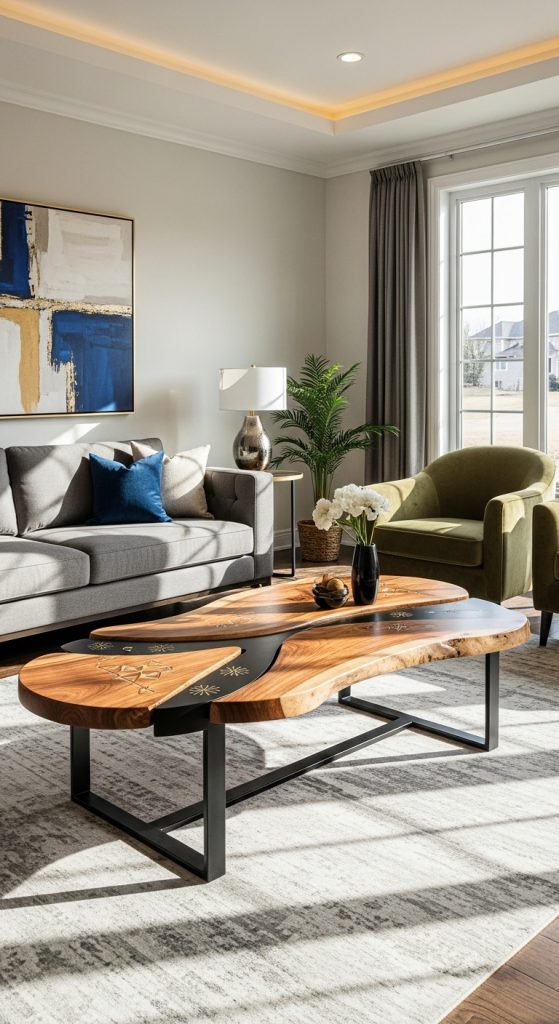

A table is one of the most important furniture pieces in a living room. It is not just a surface to place items on, but a central element that connects the seating, supports daily activities, and adds character to the space. From serving tea to guests to holding books, décor, or even laptops, a living room table must be both practical and visually pleasing. Choosing the right table design involves more than selecting a shape or color. You need to think about materials, size, durability, maintenance, and how the table fits with the overall style of your living room.

In modern homes, living room tables come in many forms such as center tables, coffee tables, nesting tables, and side tables. Each design serves a different purpose and suits different room layouts. Preparation before buying or designing a table is very important. Measuring space, understanding usage needs, and selecting the right materials can help avoid common mistakes. This detailed guide explains ten popular table designs for living rooms. Each design includes information about materials, preparation, usage, and styling tips. The language is simple so that anyone can understand and make a confident choice for their home.
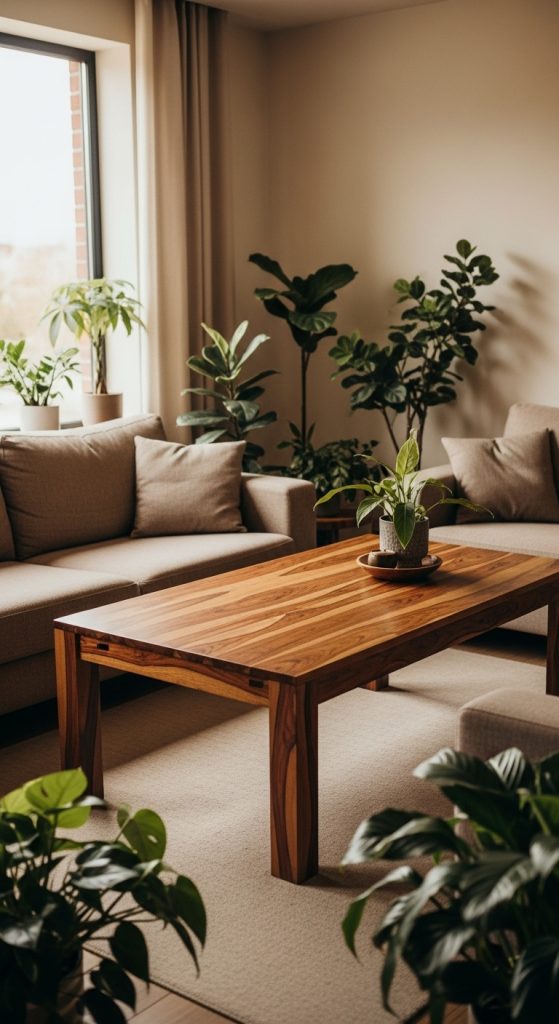
1. Wooden Center Table Design
A wooden center table is a timeless choice for any living room. Wood brings warmth, comfort, and a natural feel to the space. Before choosing a wooden table, preparation starts with selecting the right type of wood. Common options include teak, oak, sheesham, pine, and engineered wood. Solid wood tables are strong and long-lasting, while engineered wood is more affordable and lighter in weight.
The design can range from simple rectangular shapes to round or oval styles. A wooden center table works well in both traditional and modern living rooms, depending on the finish. Dark finishes create a bold look, while light or natural finishes make the room feel open and airy. Usage is very flexible. These tables can hold décor items, trays, books, and daily-use items.

Maintenance is also important. Wooden tables need regular dusting and occasional polishing to keep their shine. Coasters should be used to avoid water marks. With proper care, a wooden center table can last for many years and remain a strong focal point in the living room.
2. Glass Top Table Design
Glass top tables are popular for modern and small living rooms. The main advantage of glass is that it makes the room look larger and more open. Preparation includes choosing tempered glass, which is strong and safe for home use. Tempered glass is less likely to break and, if it does, it shatters into small, less harmful pieces.
These tables often come with metal or wooden frames. The combination of glass and metal gives a sleek, contemporary look, while glass and wood offer a balanced style. Glass top tables are ideal for displaying decorative items because they do not visually block the view of the room.
In terms of use, glass tables are best for light to medium use. They are perfect for holding magazines, remote controls, or decorative bowls. Cleaning is easy but frequent, as fingerprints and dust are visible. A simple glass cleaner and soft cloth are enough. This design suits people who prefer a clean and modern living room look.


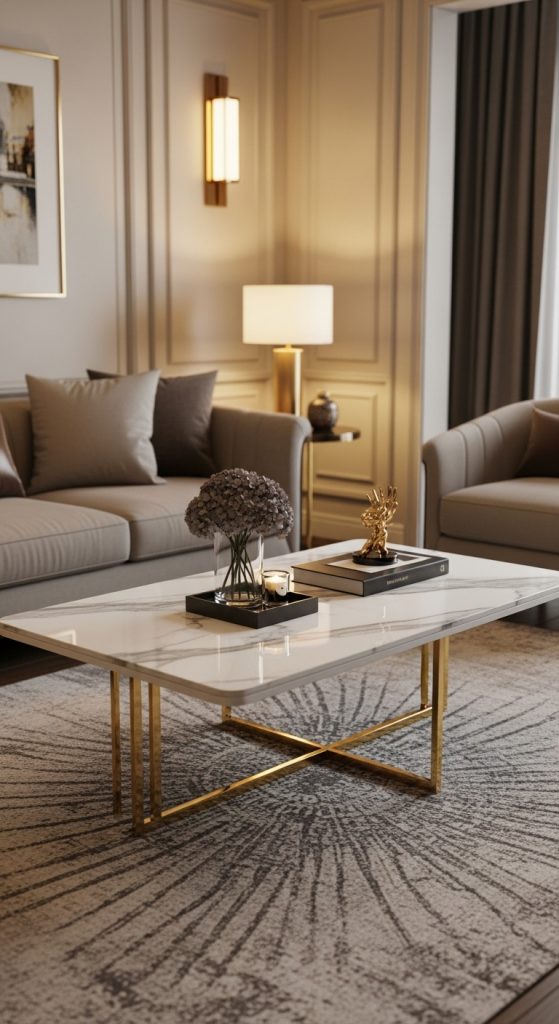
3. Marble Top Table Design
Marble top tables add elegance and luxury to a living room. Preparation involves selecting the right type of marble, such as white, black, or patterned marble. Natural marble has unique veins, making each table one of a kind. These tables usually have strong bases made of metal or wood to support the heavy marble top.
Marble tables are durable and heat-resistant, making them suitable for daily use. They are often used as center tables or coffee tables in formal living rooms. The smooth surface is ideal for serving drinks or displaying decorative pieces like vases and sculptures.
However, marble requires proper care. Spills should be cleaned quickly to avoid stains, and acidic substances should be avoided. Sealing the marble surface helps protect it over time. With careful use, a marble top table becomes a statement piece that enhances the overall living room design.
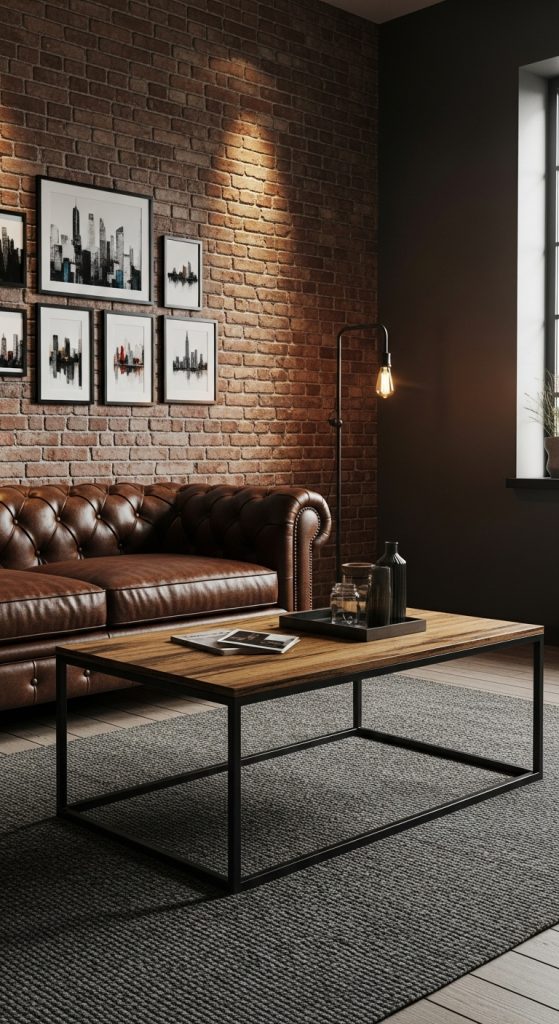
4. Metal Frame Table Design
Metal frame tables are known for their strength and modern appeal. Preparation includes choosing the right type of metal, such as steel, iron, or aluminum. Powder-coated or painted finishes help prevent rust and scratches. These tables often feature simple lines and minimal designs.

Metal tables can be paired with glass, wood, or even stone tops. They are perfect for industrial, modern, or urban-style living rooms. The lightweight nature of some metal designs makes them easy to move and rearrange.
In daily use, metal frame tables are sturdy and reliable. They can handle weight well and require little maintenance. Regular dusting and occasional wiping with a damp cloth are enough. This design is ideal for people who want a durable table with a clean and modern look.
5. Nesting Table Design
Nesting tables are a smart solution for small living rooms. Preparation includes measuring the available space and selecting a set that fits neatly together. Nesting tables usually come in sets of two or three tables of different sizes.
These tables can be separated when needed and stacked together to save space. Materials vary and include wood, metal, and glass combinations. Their flexible use makes them suitable for serving guests, holding drinks, or acting as side tables.

Maintenance depends on the material used, but overall, nesting tables are easy to manage. Their compact design and practical use make them a popular choice for modern apartments and compact homes.
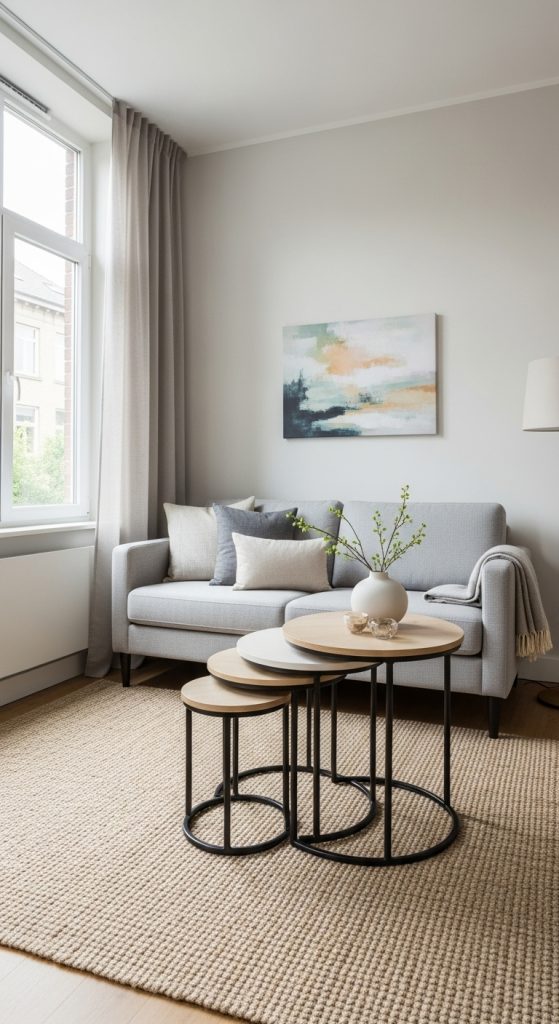
6. Round Coffee Table Design
Round coffee tables are ideal for creating a soft and balanced look in the living room. Preparation involves choosing the right diameter so that the table does not block movement. Round tables are especially suitable for families with children because they have no sharp corners.
Materials include wood, glass, marble, and metal. A round coffee table works well with curved sofas or sectionals, creating visual harmony. It encourages easy movement and conversation around the seating area.
In terms of use, these tables are great for daily activities such as tea time, reading, or casual dining. Maintenance depends on the surface material. Overall, a round coffee table adds comfort and style while improving safety and flow in the living room.

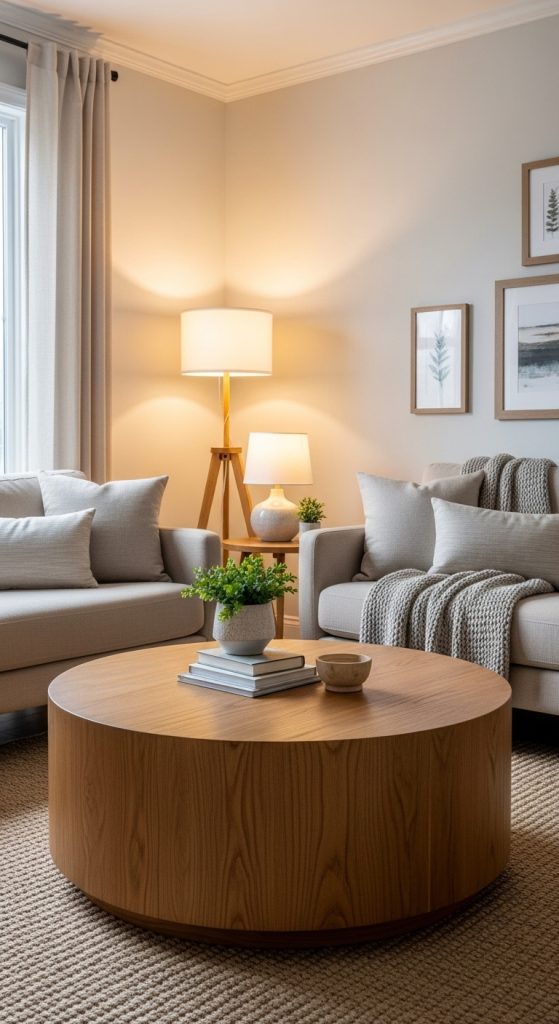
7. Storage Table Design
Storage tables combine function and design. Preparation includes identifying storage needs, such as drawers, shelves, or hidden compartments. These tables are ideal for keeping the living room organized by storing remote controls, magazines, or small items.
Materials commonly used include wood and engineered wood. The design can be modern or traditional, depending on the finish and hardware. Storage tables are often used as center tables or coffee tables.
Daily use is very practical, especially in homes where space is limited. Maintenance involves regular cleaning and checking hinges or drawer mechanisms. A storage table is a smart choice for those who want a clean and clutter-free living room.

8. Minimalist Table Design
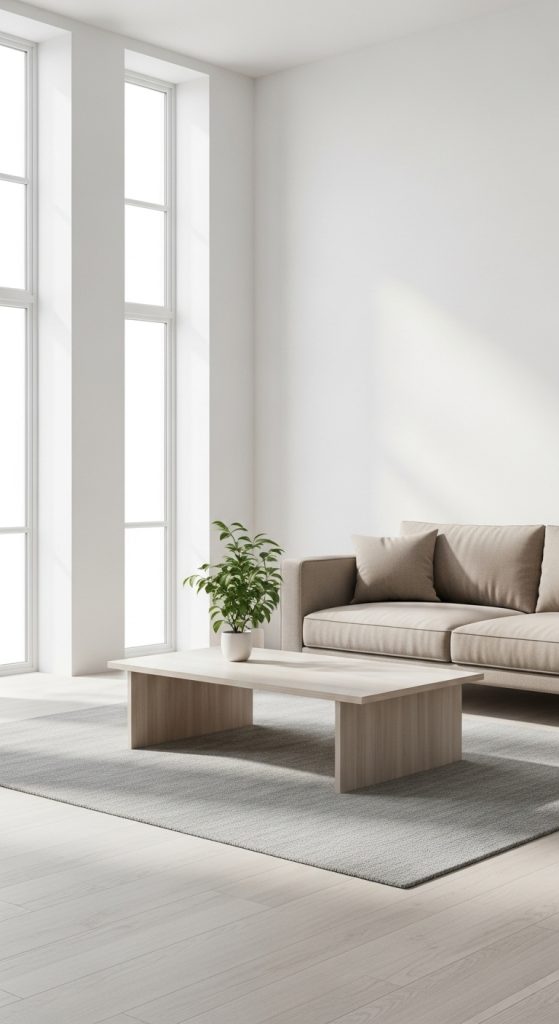
Minimalist table designs focus on simplicity and function. Preparation includes selecting clean shapes, neutral colors, and smooth finishes. These tables often use materials like wood, metal, or glass in simple forms.
The main purpose of a minimalist table is to support essential use without overpowering the room. It suits modern living rooms that follow a simple and calm design approach. These tables are easy to style and maintain.
In daily use, minimalist tables are reliable and easy to clean. They blend well with different furniture styles and allow other elements in the room to stand out. This design is perfect for people who prefer a neat and uncluttered living space.
9. Rustic Table Design
Rustic tables bring a natural and earthy feel to the living room. Preparation includes choosing raw or reclaimed wood with visible grain and texture. These tables often have a handcrafted appearance and solid construction.
Rustic designs work well in homes that value warmth and character. They are usually heavy and strong, making them suitable for long-term use. The natural imperfections add charm and uniqueness.
Maintenance includes regular dusting and occasional oiling to protect the wood. Rustic tables are ideal for creating a cozy and welcoming living room atmosphere.

10. Custom Made Table Design
Custom made tables offer complete freedom in design. Preparation is the most important step and includes measuring space, selecting materials, and deciding on shape and finish. Working with a skilled carpenter or designer ensures the table meets specific needs.
Materials can range from wood and metal to glass and stone. Custom tables are ideal for unique living room layouts or specific style requirements. They allow personalization in height, size, and storage features.
Maintenance depends on the chosen materials. A custom table reflects personal taste and adds a unique touch to the living room. It is a long-term investment that combines function, comfort, and design in one piece.