A soft color palette living room creates a sense of calm, warmth, and balance that welcomes relaxation and timeless beauty. In modern interior design, soft tones have become a signature of sophisticated minimalism and comfort. These colors include gentle neutrals, muted pastels, and natural hues that make spaces feel open, airy, and soothing. From creamy whites to light grays, blush pinks, and soft sage greens, a delicate palette can transform even the smallest living room into a tranquil retreat.
The key to achieving a soft color palette design is thoughtful coordination of tones, textures, and lighting. While these spaces may appear simple, their beauty lies in subtlety — the harmony between materials and colors. Soft palettes pair well with natural materials like linen, rattan, and wood, emphasizing comfort and authenticity.
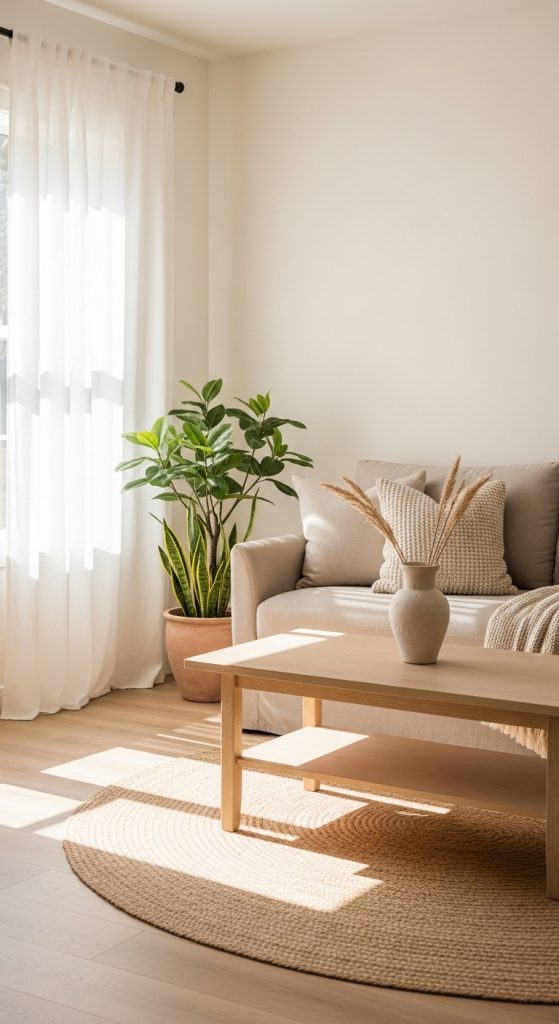
Before starting your living room makeover, plan the dominant colors, complementary accents, and the overall theme. Consider how natural light interacts with your chosen shades, and incorporate layers through textiles, furniture finishes, and décor pieces. Whether you prefer a coastal-inspired scheme, a modern farmhouse look, or Scandinavian simplicity, soft color palettes can adapt beautifully to any design style.
The following ten ideas explore how to create elegant, soft-toned living rooms using different color combinations and styling techniques.
Preparation and Materials Needed
Before redesigning your living room, gather inspiration and materials that fit within a cohesive soft palette. Begin by selecting three core colors — a dominant base, a secondary hue, and a subtle accent. Examples include white, beige, and blush; or gray, ivory, and sage. Having a defined palette ensures that your decor feels intentional and balanced.
Materials and items to consider:
- Neutral-toned wall paint or wallpaper
- Soft furnishings such as linen curtains, cotton throws, and textured rugs
- Wooden furniture in light or natural finishes
- Metallic accents in brushed gold, silver, or matte black for contrast
- Cushions and upholstery in muted pastel or neutral shades
- Ambient lighting such as table lamps and wall sconces with warm bulbs
- Artwork or photography in minimal or soft color schemes
It is essential to prepare the space by decluttering and ensuring ample natural light. Keep windows uncovered or use sheer fabrics that allow sunlight to enhance the gentle tones. Avoid overly bright colors or heavy patterns, as they can overwhelm the room’s serene atmosphere.
Once the foundation is set, layering materials and textures will add depth, ensuring that the soft color palette feels sophisticated rather than plain.
1. Beige and Cream Serenity
A beige and cream color palette offers a timeless look that feels both cozy and elegant. These tones create a seamless backdrop that allows texture and shape to take center stage. Begin with cream-colored walls and complement them with beige or taupe sofas and armchairs. Add dimension through materials like linen cushions, jute rugs, and natural wood furniture.
For warmth, incorporate brass or gold accents in lamps or frames. Subtle greenery, such as potted ferns or eucalyptus, introduces a touch of freshness without overpowering the soft palette. Natural light enhances the overall softness of beige and cream, making the room appear open and harmonious.
This design is ideal for homes that emphasize simplicity and comfort. The muted tones adapt easily to both modern and traditional interiors. By focusing on texture — woven throws, rattan baskets, and layered drapery — you can create a soothing living room that embodies understated luxury.