Short pixie hairstyles have become one of the most practical and expressive choices in modern hair design. They are widely featured across Pinterest ideas because they combine simplicity, structure, and versatility in a way that suits many face shapes and lifestyles. A pixie cut is defined by short-length hair that is usually cropped around the sides and back while leaving slightly more length on top for styling flexibility. This foundation allows endless variations, from soft and feminine looks to sharp and edgy interpretations. The appeal lies in how easily it adapts to both casual and formal settings without requiring complex maintenance routines.
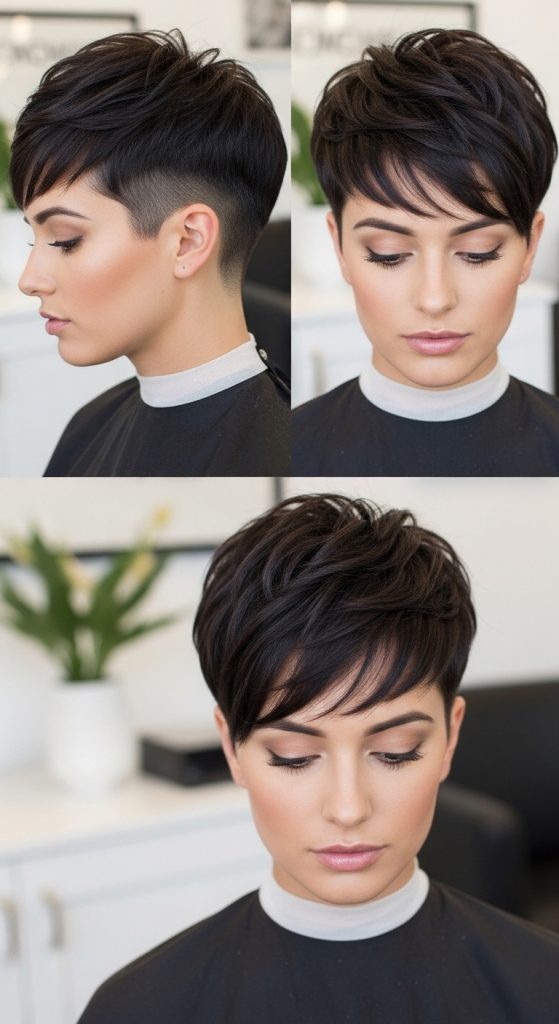
This article explores 10 short pixie hairstyles ideas that are structured, wearable, and adaptable for different preferences. Each idea focuses on practical styling approaches that can be recreated at home or discussed with a stylist. You will learn how different textures, layering methods, and shaping techniques influence the final look. The goal is to provide clear inspiration supported by step-by-step thinking rather than abstract concepts. Whether you prefer a polished finish or a slightly tousled appearance, pixie hairstyles offer a creative project that blends fashion with functionality in a way that remains timeless and accessible.
Why This Idea Is Trending or Useful
Short pixie hairstyles are trending strongly in modern beauty culture because they reflect a shift toward practicality and confidence-driven styling. Many people are choosing low-maintenance hair routines that still allow for strong personal expression. A pixie cut supports this demand by reducing daily styling time while maintaining a structured, fashionable appearance. On Pinterest, these styles are frequently saved under boards focused on modern design, minimalist style, and easy project inspiration because they offer both visual impact and functional simplicity.
Another reason for their popularity is accessibility. Pixie hairstyles do not require advanced tools or complex techniques to maintain. They can be adapted for straight, wavy, or curly textures, making them suitable for a wide audience. The cut also grows out gracefully when properly shaped, allowing flexibility between salon visits. In addition, pixie styles highlight facial features, which makes them a strong choice for individuals seeking a refreshed aesthetic without heavy styling effort. This combination of creative freedom, ease of maintenance, and modern appeal keeps pixie hairstyles consistently relevant in contemporary Pinterest inspiration and DIY beauty planning.
Materials and Preparation
Before creating or maintaining short pixie hairstyles, proper preparation ensures better control and styling results. The essential materials include sharp hair-cutting scissors, thinning shears for texture control, a fine-tooth comb for sectioning, and a spray bottle for moisture management during cutting or styling. Depending on the desired finish, styling tools such as a blow dryer, small round brush, or flat iron may also be used. Lightweight styling products like texturizing spray, mousse, or smoothing cream help define shape without weighing the hair down. These materials are commonly used in both salon and at-home environments for beginner friendly approaches.
Preparation also involves analyzing hair type, face shape, and desired maintenance level. Pixie cuts rely heavily on structure, so planning the length distribution between the crown, sides, and back is important. Hair should be clean and detangled before styling to ensure precision. Sectioning the hair properly into manageable parts improves control and consistency. It is also helpful to collect reference Pinterest ideas to identify preferred textures such as layered, tapered, or asymmetrical finishes. Proper planning reduces styling errors and ensures the final result aligns with the intended creative direction while supporting a smooth execution process.
Idea 1: Classic Tapered Pixie Shape
How to Create
The classic tapered pixie is a foundational hairstyle that emphasizes clean structure and gradual length transition. It is characterized by closely cropped sides and back with slightly longer layers on the top. This design creates a balanced silhouette that frames the face naturally. The tapering effect allows the hairstyle to look neat without appearing overly rigid, making it suitable for both professional and casual settings. One of the strongest aspects of this style is its adaptability, as it works well with straight or slightly wavy hair textures. The simplicity of the cut makes it a popular choice in Pinterest ideas focused on minimalist style and easy maintenance. It also highlights facial features such as cheekbones and jawline, which adds definition without requiring heavy styling.
To create this look, the hair is first divided into sections to ensure controlled cutting. The back and sides are trimmed shorter using gradual layering techniques, while the top is left longer for styling flexibility. Thinning shears can be used to soften transitions and remove bulk. The top section is shaped to blend naturally with the tapered sides. After cutting, the hair can be blow-dried using a small brush to direct volume upward. Lightweight styling cream helps maintain shape without stiffness. Regular trimming every few weeks keeps the taper clean and balanced. This setup method ensures the hairstyle remains structured while offering a polished yet effortless finish suitable for everyday wear.
Execution Process
The execution of a classic tapered pixie requires attention to proportion and balance. The key step is maintaining a smooth gradient from the shortest areas near the nape to the longer crown section. This gradual transition is what defines the tapered effect. During styling, the focus is on enhancing natural volume at the top while keeping the sides controlled. A slight lift at the crown can be achieved using blow-drying techniques that direct airflow upward. This helps create a subtle height that prevents the style from appearing flat. The haircut should always be evaluated from multiple angles to ensure symmetry and consistency.
To maintain the style, minimal daily effort is required. A small amount of styling product is enough to shape the top section, while the sides naturally stay in place due to their shorter length. This makes it an ideal choice for those seeking a low maintenance routine. Regular upkeep is important to preserve the clean taper, as hair growth can quickly alter the shape. The style can also be slightly adjusted over time to include softer edges or sharper lines depending on preference. Overall, the execution process focuses on precision cutting combined with simple styling methods that support long-term wearability and modern aesthetic appeal.