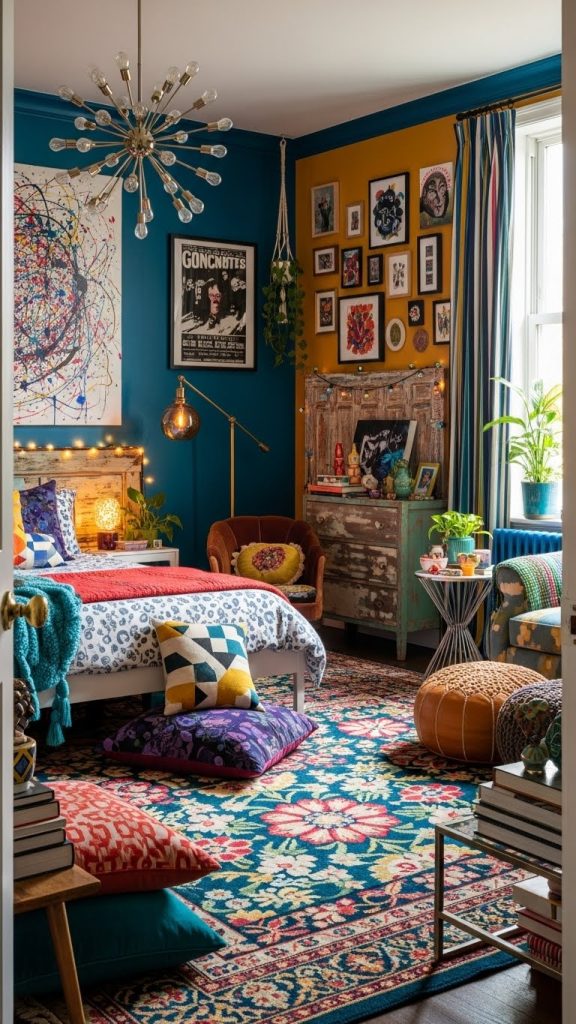

The bedroom is one of the most important spaces in any home. It is where you rest, relax, and recharge after a long day. A well-decorated bedroom does more than look good; it supports comfort, peace of mind, and better sleep. Many people think bedroom decor must be expensive or complicated, but this is not true. With thoughtful planning, the right materials, and smart design choices, you can transform your bedroom into a beautiful and functional space without stress.
Before starting any bedroom decor project, preparation is key. Measure your room carefully, decide on a budget, and think about how you use the space daily. Consider lighting, storage needs, color preferences, and furniture placement. Materials such as paint, wood, fabric, lighting fixtures, and wall decor should be selected based on durability, comfort, and style. This blog post shares ten practical and stylish bedroom decor ideas that work for different room sizes and budgets. Each idea focuses on comfort, beauty, and usability, helping you create a bedroom that feels personal, calm, and welcoming.
1. Soft and Balanced Color Palette
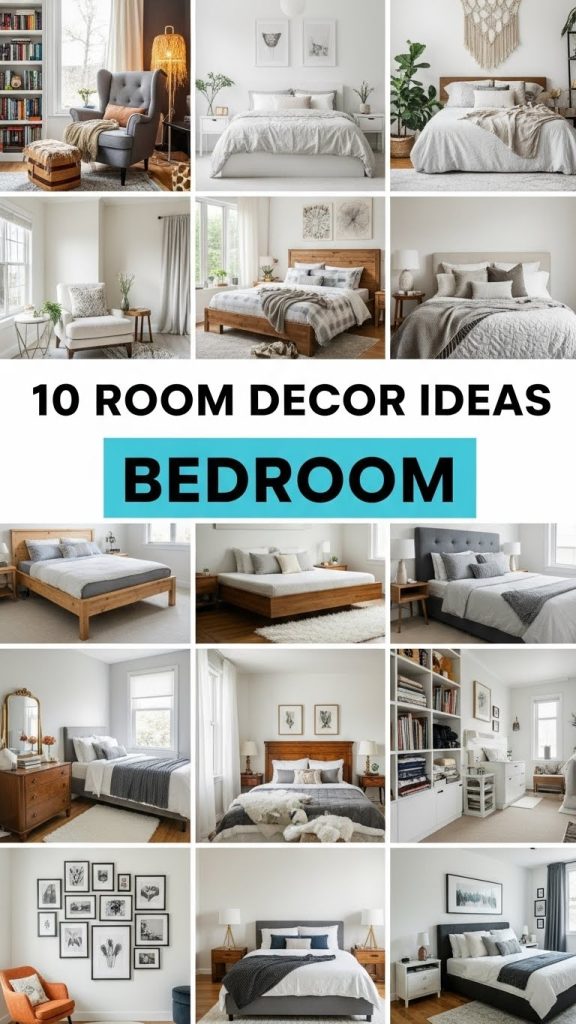
Choosing the right color palette is the foundation of bedroom decor. Soft and balanced colors help create a calm and relaxing atmosphere, which is ideal for rest. Neutral shades like beige, cream, light gray, and soft white are popular because they make the room feel open and peaceful. You can also use gentle pastels such as light blue, pale green, or dusty pink for a warm and soothing effect.
Preparation starts with selecting quality wall paint or wallpaper. Matte or eggshell finishes work well in bedrooms because they reduce glare. Use paint samples on the wall to see how colors look in different lighting throughout the day. Materials needed include paint, rollers, brushes, drop cloths, and painter’s tape.

To add depth, combine wall colors with matching bedding, curtains, and rugs. Avoid using too many bold colors, as this can make the room feel busy. Instead, stick to two or three complementary shades. Accent colors can be added through cushions, throws, or artwork. A soft color palette helps improve mood, enhances relaxation, and creates a timeless bedroom design that is easy to update in the future.
2. Comfortable and Stylish Bed Design
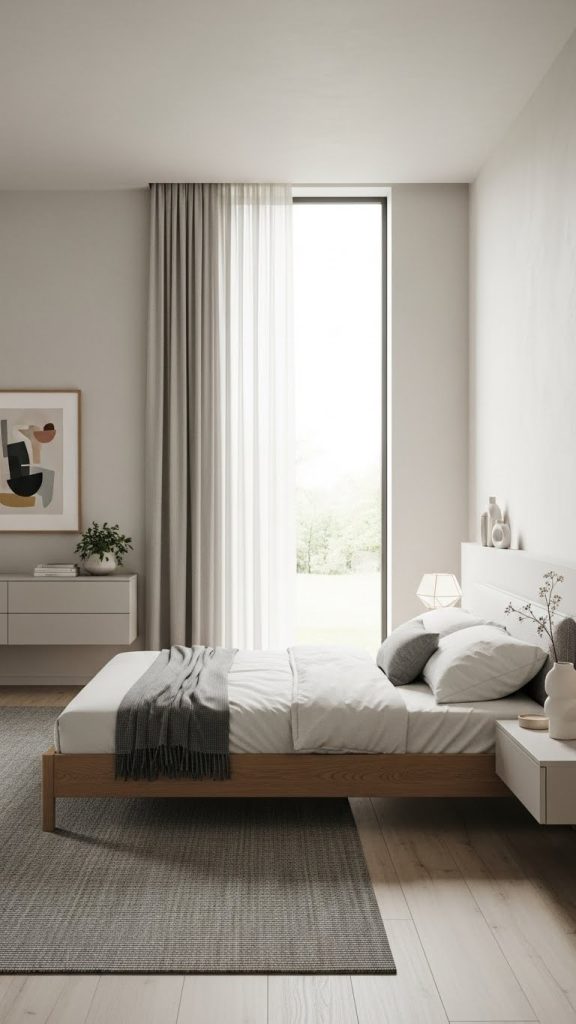
The bed is the main focus of any bedroom, so its design matters greatly. A comfortable and stylish bed can instantly improve the look and feel of the space. Choose a bed frame that matches your room size and decor style. Wooden frames offer warmth and durability, while upholstered beds add softness and luxury.
Preparation involves measuring the room to ensure the bed fits well without blocking movement. Materials include a bed frame, mattress, headboard, and quality bedding. Investing in a good mattress is essential for comfort and health. Choose breathable fabrics like cotton or linen for bedsheets to improve sleep quality.
A headboard can act as a decorative element. Padded headboards provide comfort for reading, while wooden or panel headboards add structure. Keep bedding layers simple but cozy, using a fitted sheet, flat sheet, comforter, and pillows. Neutral or lightly patterned bedding works best. A well-designed bed anchors the room and creates a sense of order and comfort.

3. Layered Lighting for a Cozy Mood
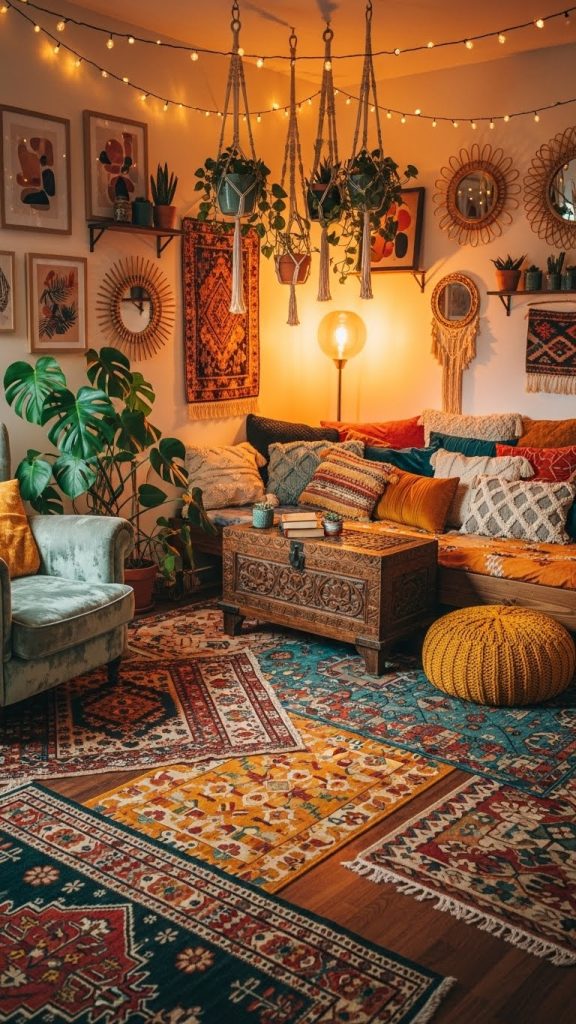
Lighting plays a major role in bedroom decor and functionality. A single overhead light is not enough. Layered lighting creates a warm and inviting atmosphere while serving different needs. Use a combination of ambient, task, and accent lighting.
Preparation includes planning electrical points and choosing fixtures that suit the room size. Materials may include ceiling lights, bedside lamps, wall sconces, and LED strips. Warm white bulbs are recommended for bedrooms because they are gentle on the eyes.
Bedside lamps are useful for reading and add symmetry to the room. Wall-mounted lights save space and look modern. Accent lighting, such as LED strips behind the headboard or under shelves, adds depth and softness. Avoid harsh, bright lights before sleep. Proper lighting improves comfort, highlights decor features, and makes the bedroom feel calm and welcoming.
4. Functional and Attractive Storage Solutions
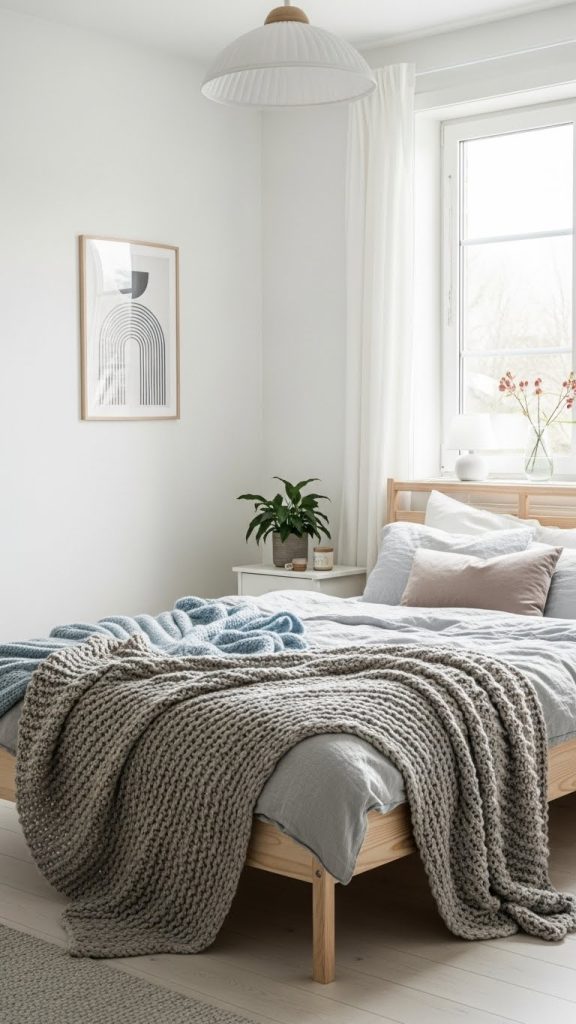
Good storage keeps the bedroom organized and clutter-free. When items are stored properly, the room feels larger and more relaxing. Choose storage solutions that are both functional and visually appealing.
Preparation involves identifying storage needs, such as clothing, books, or personal items. Materials may include wardrobes, drawers, shelves, storage beds, and baskets. Built-in storage works well in small bedrooms, while freestanding furniture offers flexibility.
Under-bed storage is ideal for extra bedding or seasonal items. Floating shelves provide space for decor and essentials without taking up floor space. Use matching storage boxes or baskets for a clean look. Avoid overcrowding the room with large furniture. Smart storage solutions help maintain order, improve daily routines, and enhance the overall bedroom decor.
5. Wall Decor That Adds Personality
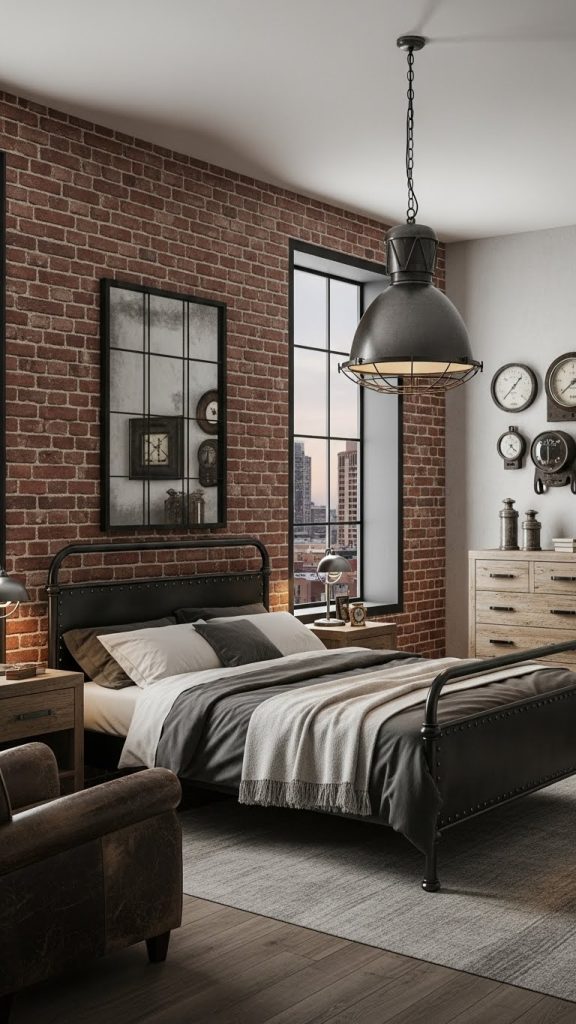
Wall decor brings life and character to a bedroom. Blank walls can feel empty, while thoughtful decoration makes the space feel personal. Choose wall decor that reflects your style without overwhelming the room.
Preparation includes deciding which walls to decorate and selecting themes or colors. Materials can include framed art, mirrors, wall shelves, decals, or fabric hangings. Mirrors are especially useful as they reflect light and make the room appear larger.

Create a gallery wall with simple frames and coordinated artwork. Avoid overcrowding by leaving enough space between pieces. One large artwork above the bed can act as a focal point. Wall decor adds visual interest, expresses personality, and completes the bedroom’s overall look.
6. Cozy Textiles and Soft Furnishings
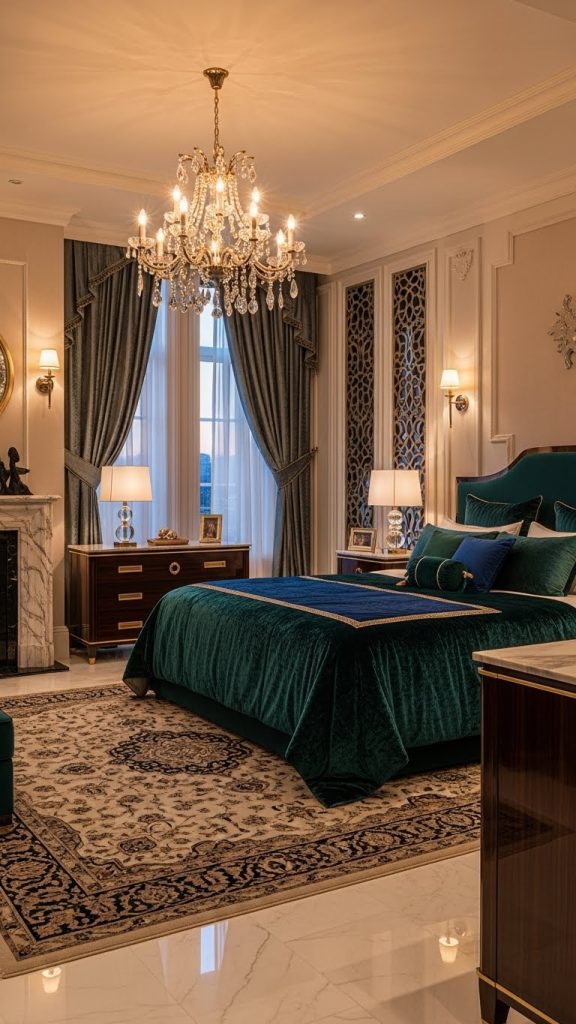
Textiles play a big role in making a bedroom feel warm and comfortable. Soft furnishings such as curtains, rugs, cushions, and throws add layers and texture to the space.
Preparation includes selecting fabrics that are easy to clean and suitable for the climate. Materials like cotton, wool, and linen are breathable and comfortable. Choose curtains that provide privacy and control light, such as blackout or layered curtains.
Area rugs add warmth underfoot and define the space, especially in large rooms. Cushions and throws allow you to add color and texture without permanent changes. Stick to a consistent color palette for harmony. Cozy textiles make the bedroom feel inviting and comfortable while enhancing visual appeal.

7. Natural Elements for a Calm Feel
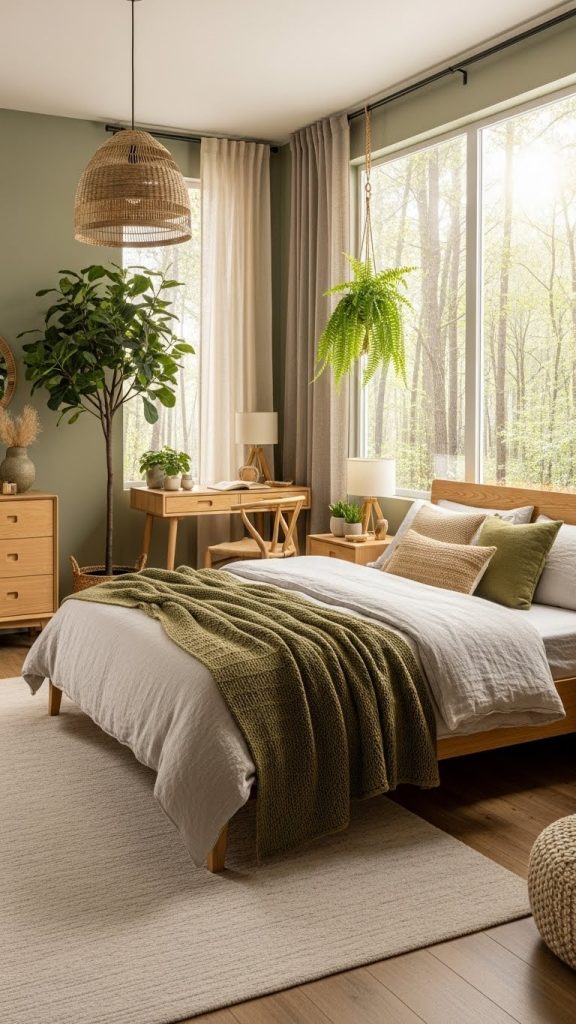
Bringing natural elements into the bedroom creates a peaceful and refreshing environment. Nature-inspired decor helps reduce stress and promotes relaxation.
Preparation involves choosing natural materials that suit your space. Materials may include wooden furniture, indoor plants, stone accents, or natural fiber decor. Plants improve air quality and add life to the room.
Choose low-maintenance plants like snake plants or peace lilies. Wooden furniture adds warmth and texture. Natural tones and materials blend well with neutral color palettes. Avoid overusing artificial materials. Natural elements create balance, improve well-being, and give the bedroom a timeless look.
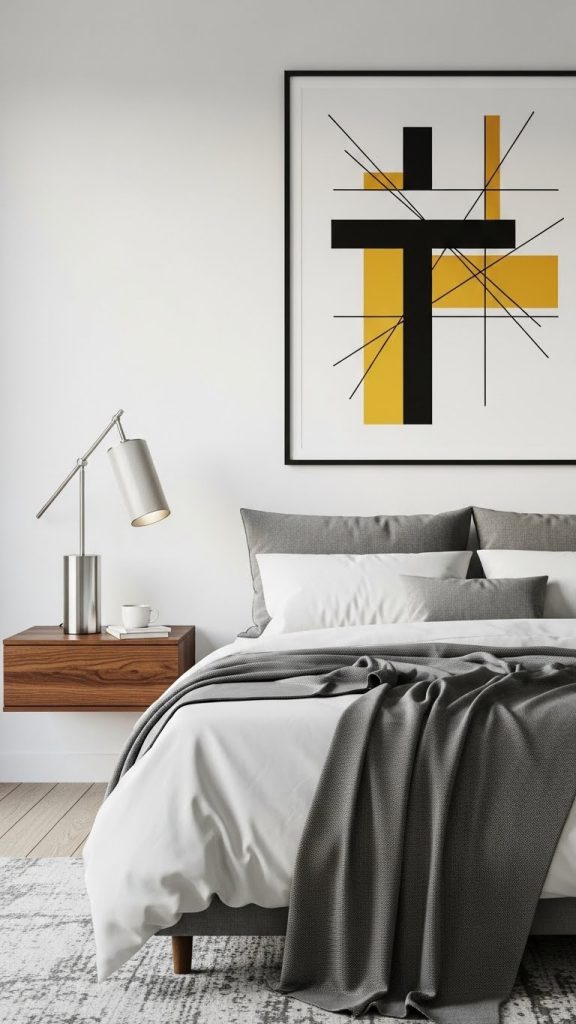
8. Thoughtful Furniture Placement
Furniture placement affects both comfort and movement in the bedroom. A well-arranged layout makes the room feel open and functional.

Preparation starts with measuring the room and planning pathways. Materials include furniture pieces such as beds, side tables, dressers, and chairs. Place the bed in a central position, ideally against a solid wall.
Ensure there is enough space to move around the bed easily. Keep frequently used items within reach. Avoid blocking windows or natural light sources. Proper furniture placement improves flow, enhances comfort, and makes the bedroom feel balanced and organized.
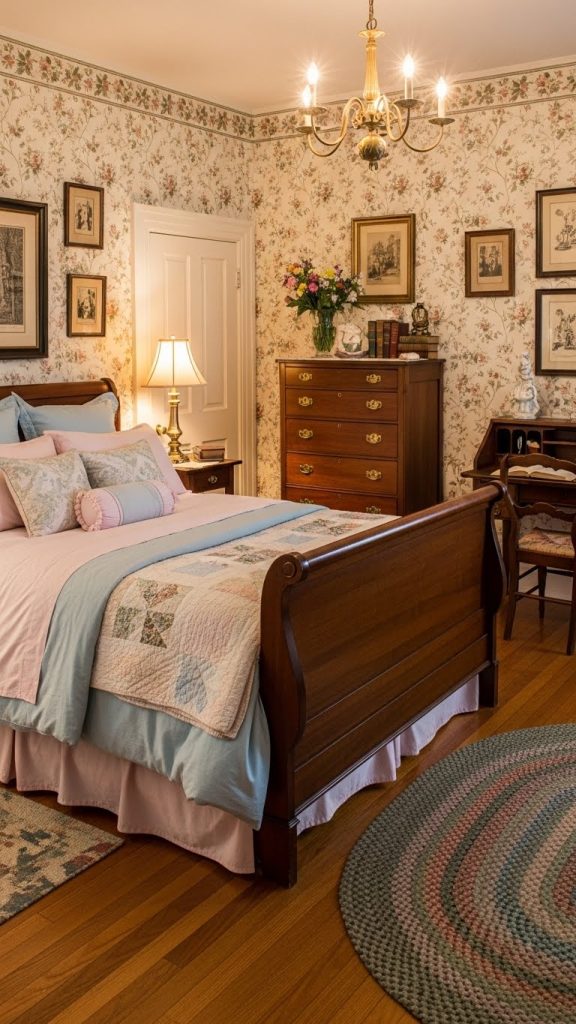
9. Personal Touches and Meaningful Decor
Personal touches make a bedroom feel truly yours. These elements add warmth and emotional value to the space.
Preparation includes selecting items that have personal meaning. Materials may include photos, books, souvenirs, or handmade decor. Display these items in a neat and intentional way.

Use bedside tables or shelves to showcase a few meaningful objects. Avoid clutter by limiting the number of items on display. Personal decor tells your story and adds comfort without overwhelming the room. It helps create a space where you feel relaxed and connected.
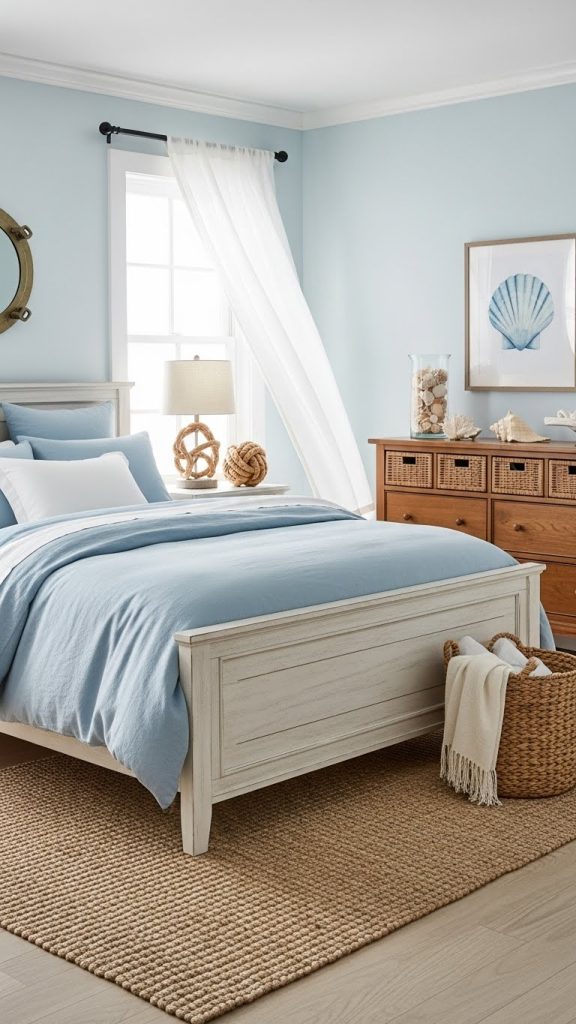
10. Clean and Minimal Styling
A clean and minimal approach keeps the bedroom peaceful and easy to maintain. Minimal styling focuses on quality over quantity.
Preparation involves decluttering and removing unnecessary items. Materials include simple furniture, neutral decor, and practical storage solutions. Choose items that serve a purpose and fit the overall design.
Keep surfaces clear and use hidden storage where possible. Stick to a limited color palette and simple shapes. Minimal styling reduces stress, improves focus, and creates a calm sleeping environment. A clean bedroom supports better rest and long-term comfort.