
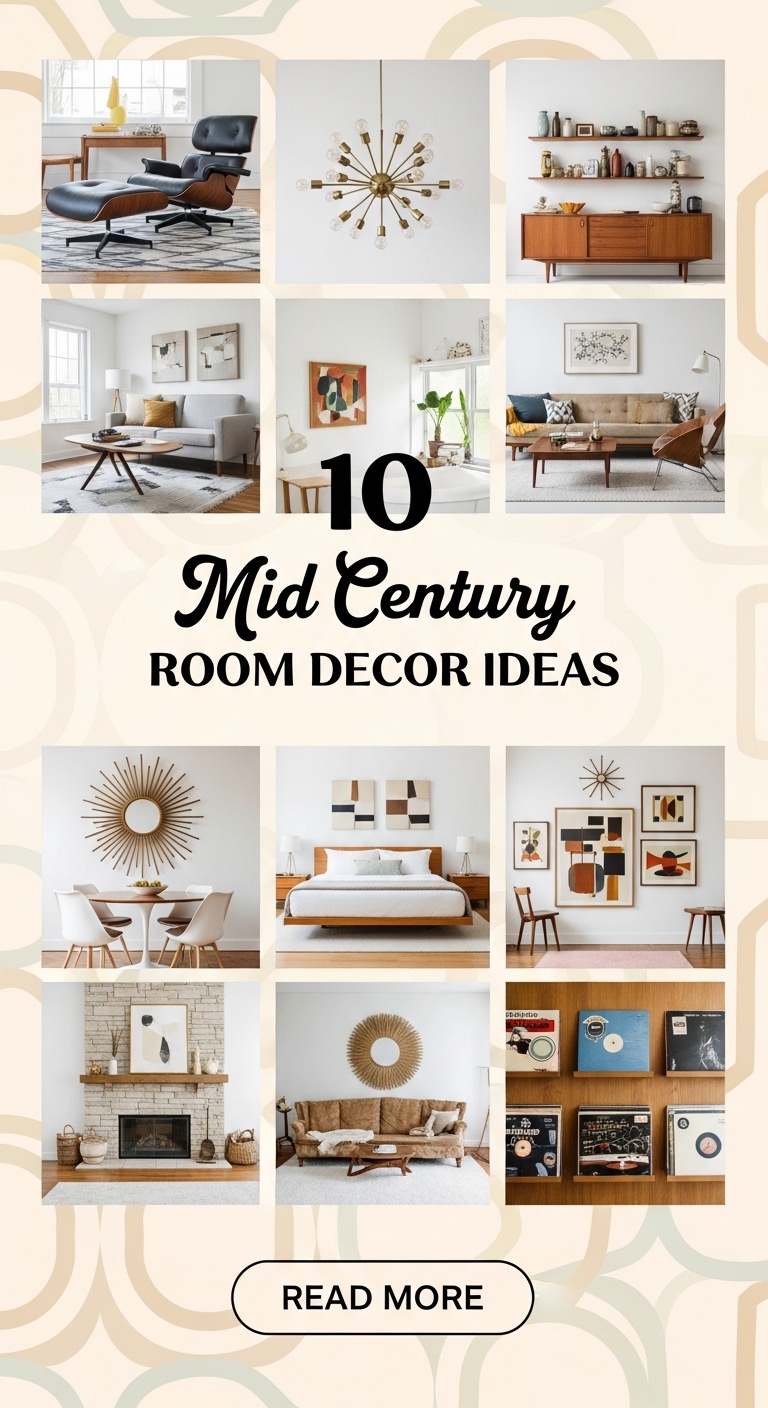
Mid century room decor remains one of the most loved interior design styles in the world. Inspired by design trends from the 1940s to the 1960s, this style focuses on clean lines, natural materials, simple forms, and functional beauty. It blends comfort with elegance and creates spaces that feel open, airy, and welcoming. Many homeowners love mid century decor because it is timeless. It does not feel outdated, even decades later. The style works well in both small apartments and large homes.

Mid century design emphasizes practicality. Furniture is often low profile with tapered legs. Materials such as wood, leather, metal, and glass are commonly used. Colors range from warm earth tones to bold accents like mustard yellow, teal, and burnt orange. Lighting is also an important feature, often using statement lamps and sculptural fixtures. When decorating in mid century style, balance is key. The space should feel uncluttered but not empty. Each item should have purpose and beauty.
In this detailed guide, you will discover 10 mid century room decor ideas. Each idea includes preparation steps, materials needed, and practical tips to help you achieve the perfect mid century look in your home.
1. Choose Low Profile Wooden Furniture with Tapered Legs
The foundation of any mid century room is furniture. Start by selecting low profile sofas, chairs, and tables. Look for clean lines and simple shapes. Avoid overly ornate designs. The most recognizable feature is tapered legs, usually made of solid wood. Walnut, teak, and oak are popular choices.
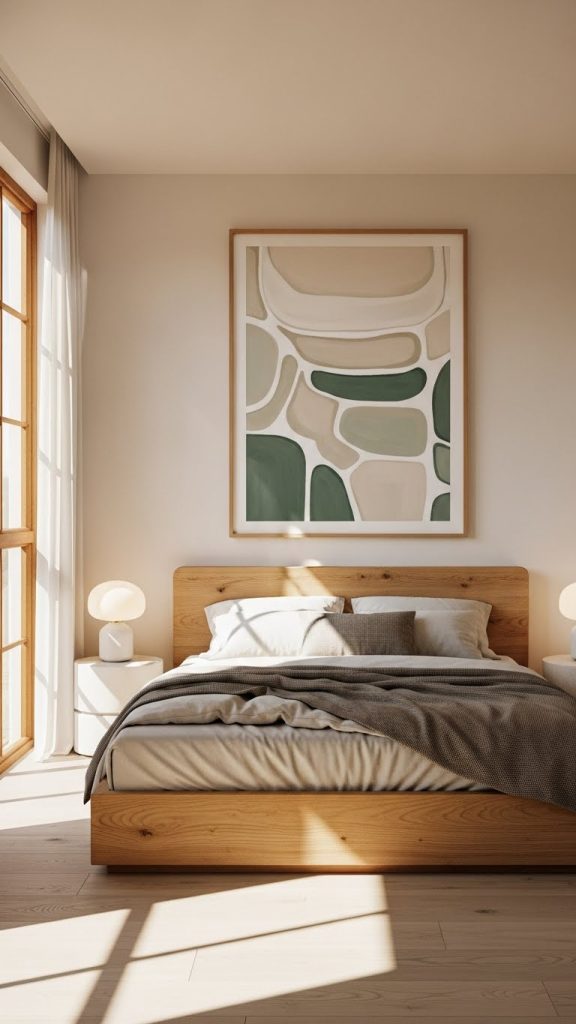
Preparation begins by measuring your room carefully. Mid century spaces should feel open, so avoid oversized furniture. Choose a sofa with slim arms and a streamlined shape. Add an accent chair with wooden arms and angled legs. A coffee table with a simple rectangular or oval shape works best.
Materials commonly used include solid wood, leather, cotton upholstery, and sometimes metal accents. If buying new furniture is not possible, you can update existing pieces by replacing bulky legs with tapered wooden legs. This small change can transform the entire look.
Keep the arrangement simple. Leave enough space between furniture pieces to allow movement. The goal is comfort and functionality. When done correctly, your furniture will set the tone for the entire mid century room.

2. Incorporate Warm Wood Tones Throughout the Space
Wood plays a central role in mid century decor. Unlike modern minimal designs that may use white or gray heavily, mid century interiors celebrate warm wood tones. Cabinets, sideboards, shelving, and even wall panels often feature natural wood finishes.

Before adding wood elements, examine the size and lighting of your room. Dark wood works well in bright spaces with large windows. In smaller rooms, choose medium tones like walnut or teak to keep the area from feeling heavy.
You can add a wooden credenza against one wall. Floating wooden shelves are also a great option. These provide storage without making the room feel crowded. Use natural wood finishes rather than glossy or painted surfaces.
Materials include solid wood furniture, wood veneer panels, and plywood with natural finish. Avoid mixing too many different wood tones. Choose one main tone and one accent tone for balance.
Wood adds warmth and depth to the room. It creates a cozy atmosphere while still maintaining the clean, structured look that defines mid century style.

3. Use Bold Accent Colors with Neutral Backgrounds
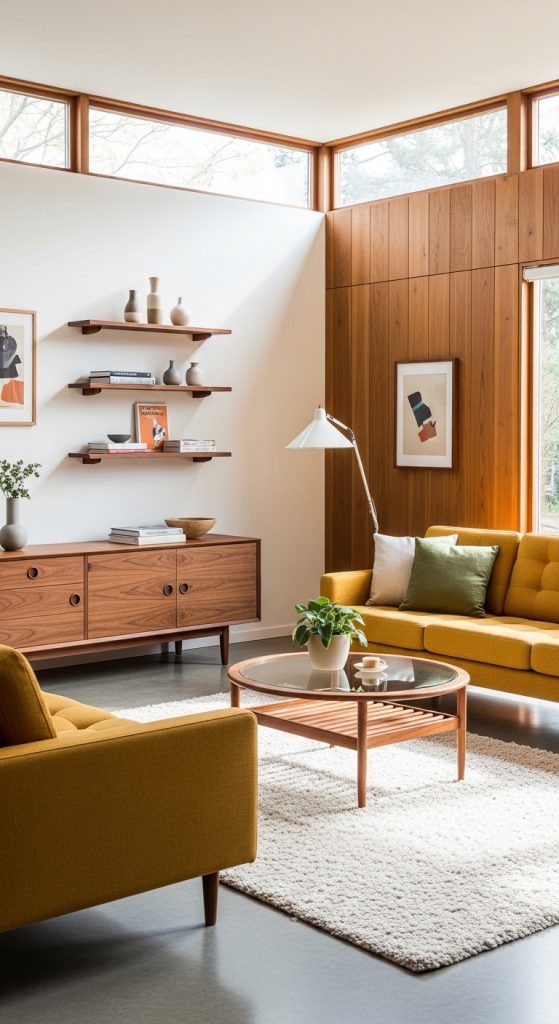
Mid century decor combines neutral backgrounds with bold pops of color. Start with a base of white, cream, or light gray walls. These neutral shades allow furniture and accessories to stand out.
After painting the walls, introduce bold colors through cushions, rugs, artwork, or accent chairs. Mustard yellow, olive green, burnt orange, and teal blue are classic mid century shades. Use these colors sparingly. Too much can overwhelm the space.
Preparation involves selecting a color palette before purchasing decor items. Choose two or three accent colors and repeat them throughout the room for consistency. For example, if you choose mustard and teal, add cushions in mustard, a rug with teal details, and artwork that combines both.
Materials needed include paint, throw pillows, rugs, curtains, and decorative items. Choose fabrics like cotton, wool, or linen for authenticity.
The contrast between neutral backgrounds and bold accents creates visual interest while maintaining balance. This technique keeps the room lively without appearing chaotic.

4. Add Geometric Patterns in Rugs and Textiles
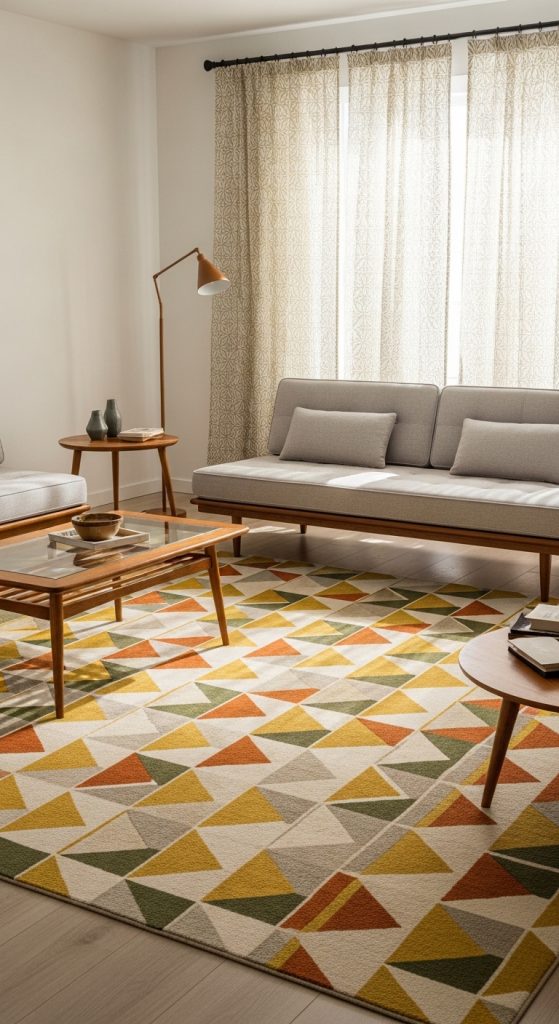
Geometric patterns are a signature element of mid century decor. They add movement and personality to the room. Look for rugs, cushions, or curtains with simple geometric shapes such as diamonds, triangles, or abstract lines.
Begin by choosing a large area rug as the main patterned piece. Make sure the rug fits the seating area properly. Ideally, the front legs of the sofa and chairs should rest on the rug. This anchors the furniture visually.
Keep other patterns minimal. If the rug has a strong design, choose simpler cushions. Balance is important to avoid overwhelming the space.

Materials include wool rugs, cotton pillow covers, and linen curtains. Choose durable fabrics that can handle daily use.
Geometric designs enhance the retro feeling of the room. They bring character while staying true to the clean and structured look of mid century interiors.
5. Install Statement Lighting Fixtures
Lighting is not just functional in mid century decor; it is also decorative. Statement lighting fixtures are often sculptural and eye catching. Popular choices include sputnik chandeliers, arc floor lamps, and globe pendant lights.
Start by evaluating your current lighting. Replace basic ceiling fixtures with a bold chandelier. Position a floor lamp beside the sofa to create a cozy reading corner.

Materials often include brass, black metal, glass globes, and chrome finishes. Choose warm light bulbs instead of cool white. Warm light enhances the wood tones and creates a comfortable atmosphere.
Preparation involves planning the placement of each light source. Layer your lighting with overhead lights, floor lamps, and table lamps. This creates depth and flexibility.
Well chosen lighting instantly transforms a simple room into a mid century inspired space. It adds drama and elegance without clutter.

6. Incorporate Functional Built In Storage
Mid century design values functionality. Built in storage keeps rooms organized and clutter free. Consider adding floating cabinets, wall mounted shelves, or a low profile media console.
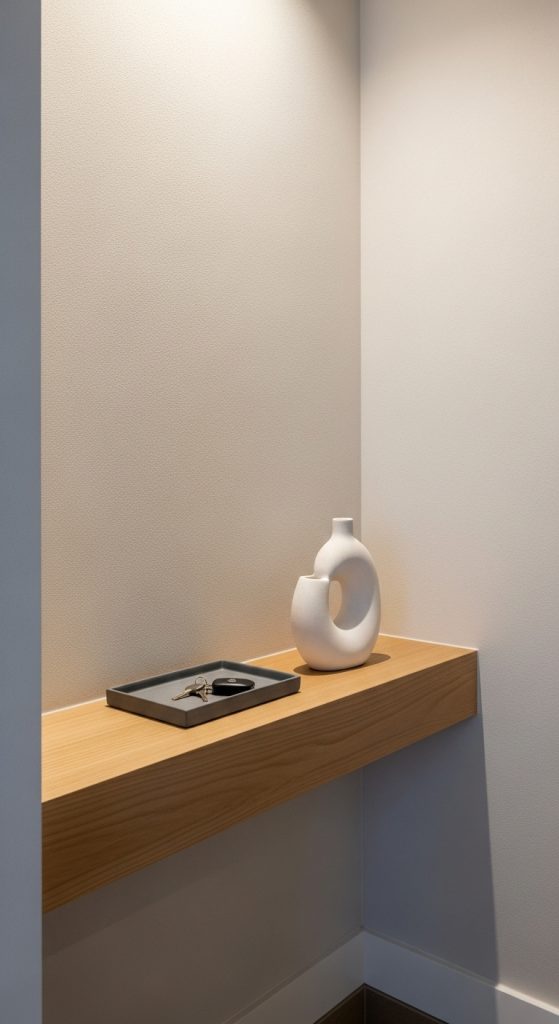
Measure your space carefully before installation. Built in units should align with the room’s proportions. Avoid overly large storage pieces.
Materials include wood panels, plywood, and metal brackets for support. Keep the design simple with flat cabinet doors and minimal hardware.
Use storage to display carefully selected decor items such as books, ceramics, and small plants. Avoid overcrowding shelves. Leave some empty space for a clean look.
Functional storage improves both appearance and usability. It supports the mid century principle that design should serve a purpose.


7. Bring Nature Indoors with Plants
Plants are essential in mid century decor. They soften the structured lines of furniture and add freshness to the room. Choose plants with sculptural shapes such as fiddle leaf fig, snake plant, or rubber plant.
Before purchasing plants, consider the amount of natural light in your room. Place larger plants near windows and smaller plants on shelves or side tables.
Use simple planters made of ceramic or wood. Avoid overly decorative pots. Neutral or earthy tones work best.
Preparation includes selecting the right soil and ensuring proper drainage. Healthy plants enhance the overall aesthetic.

Greenery brings life to the space. It balances the wooden elements and adds a natural touch that complements mid century design.

8. Decorate with Minimal Yet Artistic Wall Art
Wall art in mid century rooms is simple but bold. Abstract paintings, line art, and vintage prints are excellent choices. Avoid overly complex or crowded gallery walls.
Start by choosing one or two large pieces rather than many small ones. Hang artwork at eye level for best effect. Use simple wooden or black frames.
Materials include canvas prints, framed posters, and wall hooks. Make sure the artwork matches your chosen color palette.
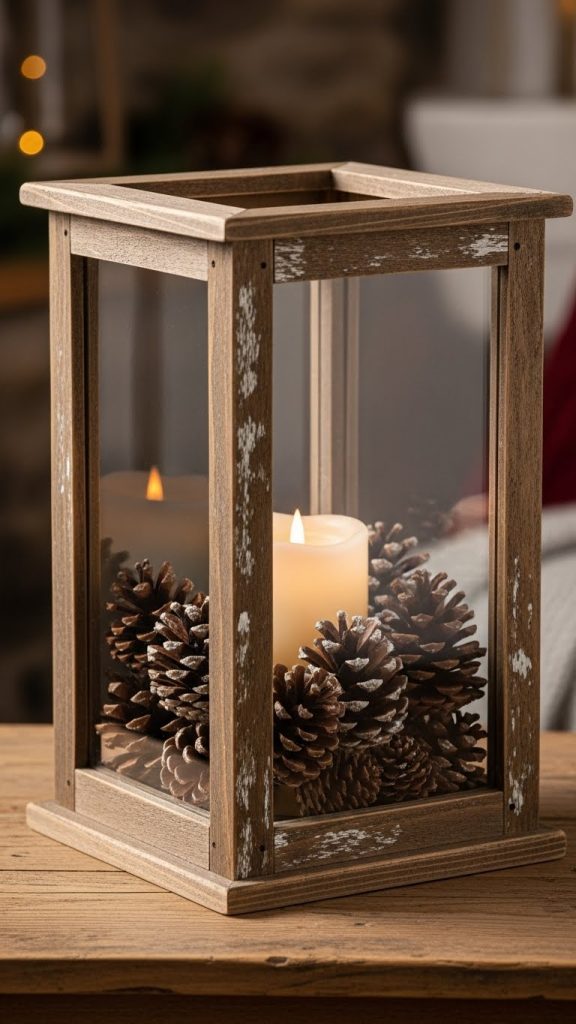
Art should complement the furniture without overpowering it. The goal is subtle elegance.
Minimal artistic decor keeps the room sophisticated and cohesive. It adds personality while maintaining simplicity.

9. Use Mid Century Inspired Accessories
Accessories complete the look of a mid century room. Choose decorative items carefully. Popular choices include ceramic vases, vintage clocks, record players, and sculptural objects.
Before buying accessories, declutter the room. Remove unnecessary items to maintain a clean appearance. Select only a few meaningful pieces.

Materials often include ceramic, glass, brass, and wood. Arrange accessories in small groups of three for visual balance.
Avoid overcrowding surfaces. Leave negative space around decorative items.
Thoughtful accessories add charm and authenticity. They highlight the retro inspiration without making the room feel outdated.

10. Maintain Open Layout and Clean Lines
The final and most important idea is maintaining an open layout. Mid century rooms feel spacious and uncluttered. Avoid heavy curtains or large room dividers.
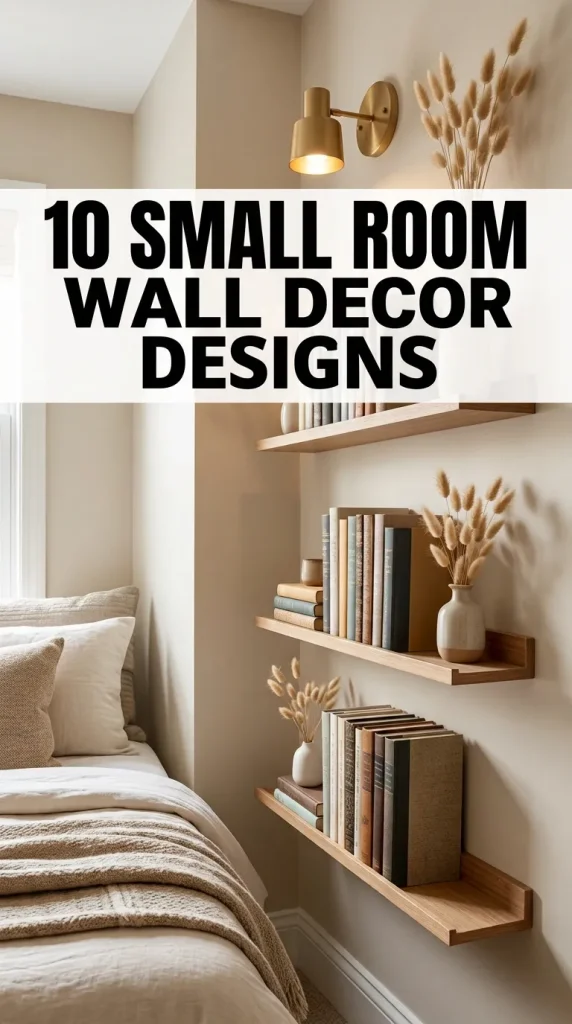
Arrange furniture to allow easy movement. Keep pathways clear. Choose furniture with exposed legs to create visual lightness.
Materials include lightweight fabrics for curtains and minimal decorative pieces. Choose sheer curtains to allow natural light inside.
Preparation involves removing unnecessary furniture. Simplify the room to focus on key elements.
An open layout enhances comfort and functionality. Clean lines and simple arrangements define true mid century style.

By following these 10 detailed ideas, you can successfully transform any room into a beautiful mid century inspired space. Focus on quality materials, balanced colors, and functional design. With careful planning and thoughtful choices, your room will reflect timeless elegance and comfort.
