The master bedroom is more than just a place to sleep. It is a personal sanctuary, a retreat from daily stress, and a reflection of your style and personality. Decorating a master bedroom requires balancing aesthetics with comfort. The right design can create a calming atmosphere while adding luxury and sophistication. From selecting the perfect color palette to arranging furniture for optimal flow, every detail matters. Lighting, textures, and accessories also play a vital role in creating a cohesive look. Modern master bedrooms often combine style and functionality, offering a relaxing environment while showcasing your taste. This guide explores ten master bedroom decor ideas to inspire your next redesign. Each idea focuses on practical steps, materials, and finishing touches, allowing you to transform your space into a beautiful, comfortable haven. Whether you prefer minimalist elegance, cozy warmth, or a bold statement, these tips provide actionable inspiration. By incorporating these concepts, you can elevate your master bedroom into a space that reflects your personality, enhances relaxation, and improves overall well-being.
1. Neutral Color Palette with Soft Accents
A neutral color palette provides a timeless and calming foundation for any master bedroom. Shades like beige, cream, gray, and soft taupe create a soothing backdrop while making the room feel spacious and bright. To avoid a flat look, add subtle accent colors through bedding, cushions, rugs, and curtains. Soft blues, greens, or blush tones can introduce gentle pops of color without overwhelming the senses. Paint or wallpaper with subtle textures can also add depth. Natural materials such as linen, cotton, and wool complement neutral shades and provide warmth. Furniture in light woods or white finishes enhances the airy atmosphere. Consider layering different textures for visual interest, such as a soft throw over a smooth bedspread or a textured rug underfoot. Minimalist artwork or framed prints in muted colors will maintain harmony. This approach is particularly effective in creating a relaxing retreat, as neutral tones reduce mental clutter and promote a sense of peace. With careful placement of accents, a neutral palette can suit both modern and classic styles.
2. Statement Headboards
The headboard is the focal point of any master bedroom. A statement headboard can instantly elevate the room’s style. Options include tufted fabric, carved wood, leather, or even upholstered panels that extend to the ceiling. Bold colors, patterns, or textures create visual impact, making the bed the centerpiece. For a more luxurious feel, consider velvet or high-quality leather with detailed stitching. DIY options like reclaimed wood or painted designs can add character and a personal touch. Pairing the headboard with coordinating bedding, bedside tables, and lighting ensures a cohesive look. Wall-mounted headboards or custom-built designs can optimize space and provide additional storage or shelf space. Lighting above or around the headboard, such as sconces or LED strips, highlights its design while adding functionality for reading. A well-chosen headboard complements the overall color scheme and bedroom style, whether modern, rustic, or traditional. Investing in a statement headboard transforms the bedroom from ordinary to stylish, enhancing both comfort and visual appeal.
3. Layered Bedding
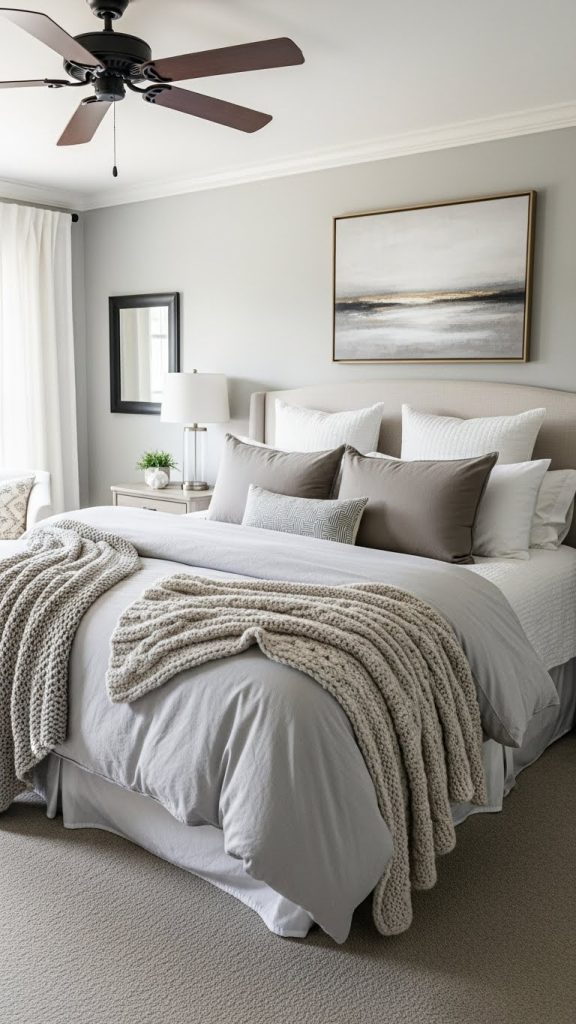
Layered bedding adds both comfort and visual richness to a master bedroom. Start with high-quality sheets in soft, breathable fabrics such as cotton or linen. Add a plush duvet or comforter, and then layer with decorative blankets or throws for texture. Incorporate multiple pillows in varying sizes, shapes, and textures to create a cozy, inviting bed. Mixing patterns and colors subtly enhances the design without creating chaos. Neutral beds can be brightened with colored throws, while bold bedding can be balanced with simple sheets. Seasonal changes can also be reflected through layering, with heavier quilts for winter and lighter throws for summer. Paying attention to the bed’s layering makes it a central design element. This technique works well with all decor styles, from minimalist to luxurious. Additionally, quality bedding enhances sleep comfort, making layering both an aesthetic and functional choice. The combination of textures, fabrics, and colors elevates the room’s style and ensures the bed remains the centerpiece.

4. Ambient and Layered Lighting
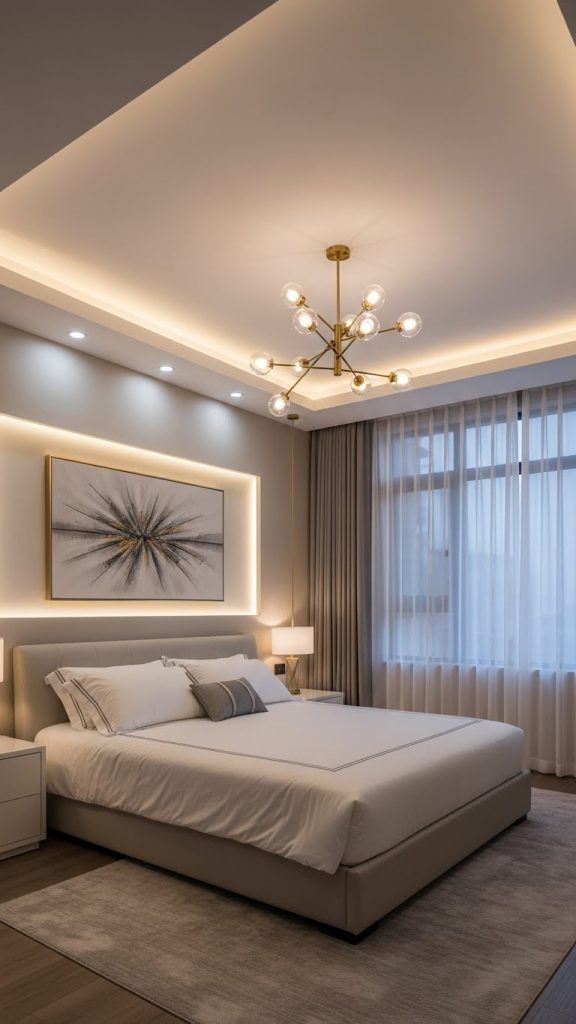
Lighting plays a crucial role in master bedroom decor. Layered lighting combines ambient, task, and accent lights to create a flexible and inviting environment. Ambient lighting, such as recessed ceiling lights or chandeliers, illuminates the entire room evenly. Task lighting, like bedside lamps or adjustable wall sconces, is practical for reading or working in bed. Accent lighting highlights design features such as artwork, textured walls, or decorative headboards. Consider using dimmers to control the intensity and create a cozy atmosphere at night. Natural light should also be maximized through large windows or sheer curtains. Warm lighting tones add comfort, while cooler tones are better for functional areas like reading nooks or dressing corners. Statement light fixtures, such as a modern chandelier or pendant lamp, can double as decorative elements. Proper lighting enhances the room’s mood, functionality, and aesthetics, making it essential for a well-designed master bedroom.
5. Functional Furniture and Storage
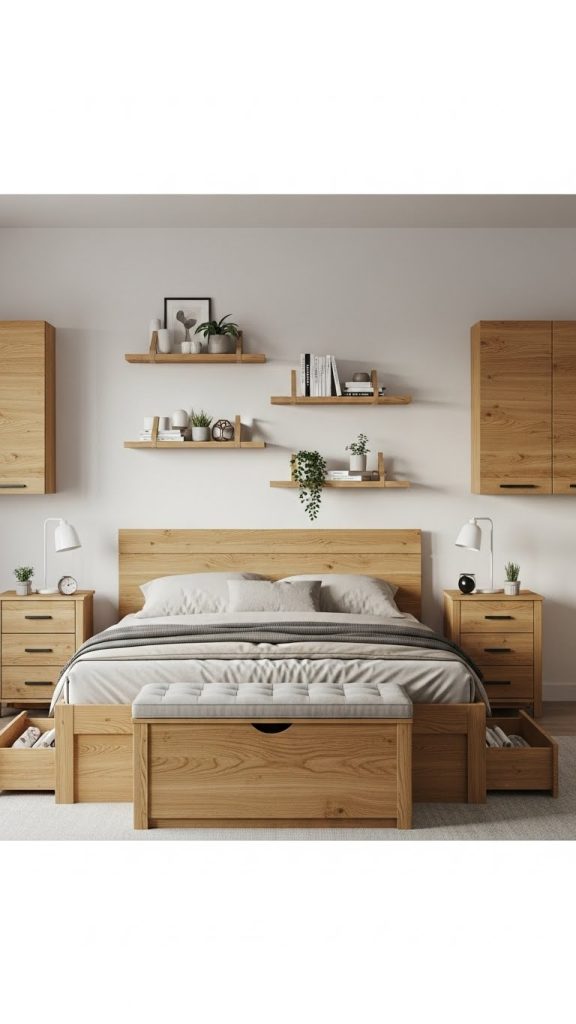
Efficient furniture and storage solutions are essential in a master bedroom. The room should look stylish while maintaining order and functionality. Choose beds with built-in storage drawers or a storage bench at the foot of the bed for extra linens. Floating shelves or wall-mounted cabinets save floor space while keeping essentials within reach. Nightstands with multiple drawers help organize personal items. A well-organized closet with shelves, drawers, and hanging space prevents clutter. Furniture materials should complement the overall decor, such as wood for warmth or metal for modern elegance. Multi-purpose furniture, like a dressing table that doubles as a workspace, maximizes room utility. The arrangement should allow easy movement and maintain visual balance. Thoughtful furniture placement and storage solutions not only keep the space tidy but also enhance the bedroom’s comfort, functionality, and overall aesthetic appeal.
6. Natural Elements and Greenery
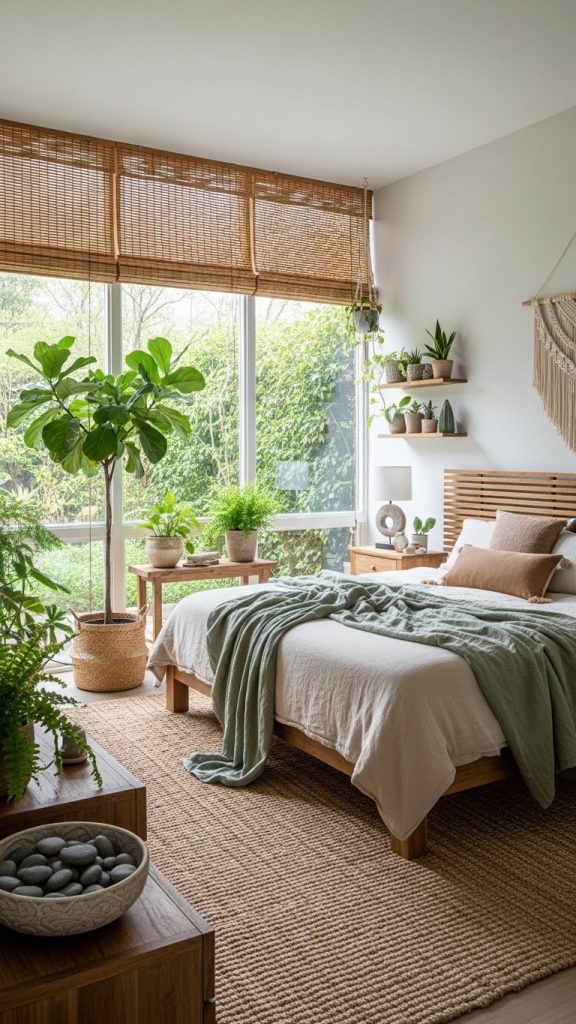
Incorporating natural elements brings freshness and tranquility to a master bedroom. Plants improve air quality while adding a lively, organic touch to the decor. Choose low-maintenance indoor plants like snake plants, pothos, or peace lilies for easy care. Wooden furniture, bamboo blinds, and woven textures enhance a natural look. Stone or ceramic decor items add variety and texture. Large windows with views of greenery can strengthen the connection with nature. Bedding and accessories in earthy tones complement natural elements. For a calming atmosphere, consider incorporating water features or natural light reflective surfaces like mirrors. Nature-inspired wall art or botanical prints can further reinforce the theme. Natural elements create a serene environment, reduce stress, and contribute to a more relaxed, peaceful bedroom ambiance, making your master bedroom a true sanctuary.
7. Minimalist Approach
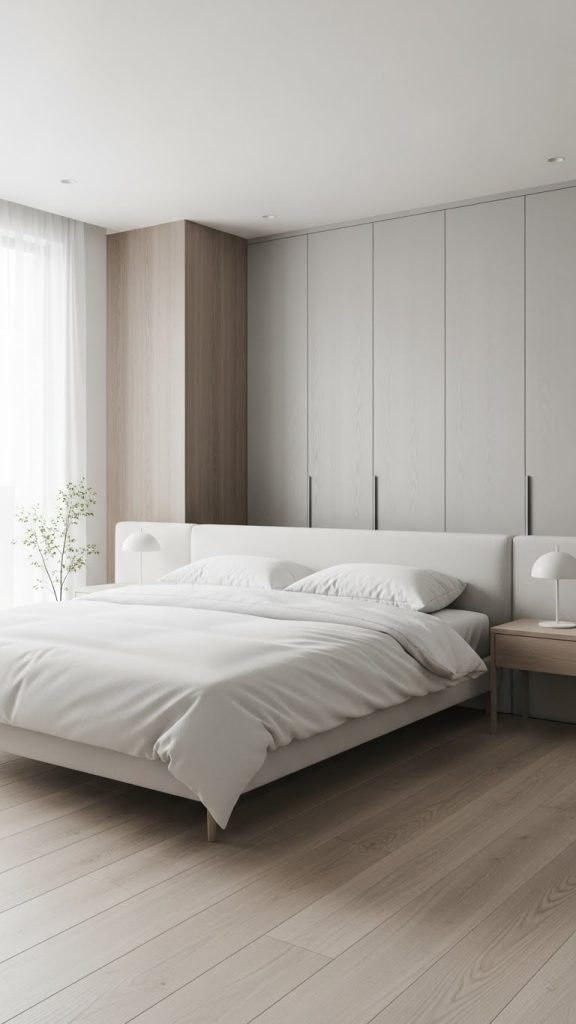
A minimalist master bedroom focuses on simplicity, clean lines, and functional design. Reduce clutter by keeping furniture and decorative items to a minimum. Neutral colors, simple bedding, and streamlined furniture create a calm, organized space. Built-in storage and multi-purpose furniture help maintain a clutter-free environment. Avoid overly ornate accessories, and instead choose a few statement pieces that enhance the room’s style. Minimalist bedrooms often feel larger and more open, promoting relaxation and mental clarity. Natural light and strategically placed mirrors amplify the sense of space. Textures such as wood, linen, or soft rugs prevent the room from feeling sterile. Minimalism works well in modern and contemporary bedrooms, offering timeless appeal. This approach encourages intentional design choices, focusing on quality over quantity. A minimalist master bedroom promotes tranquility, elegance, and functional beauty.

8. Artwork and Personal Touches
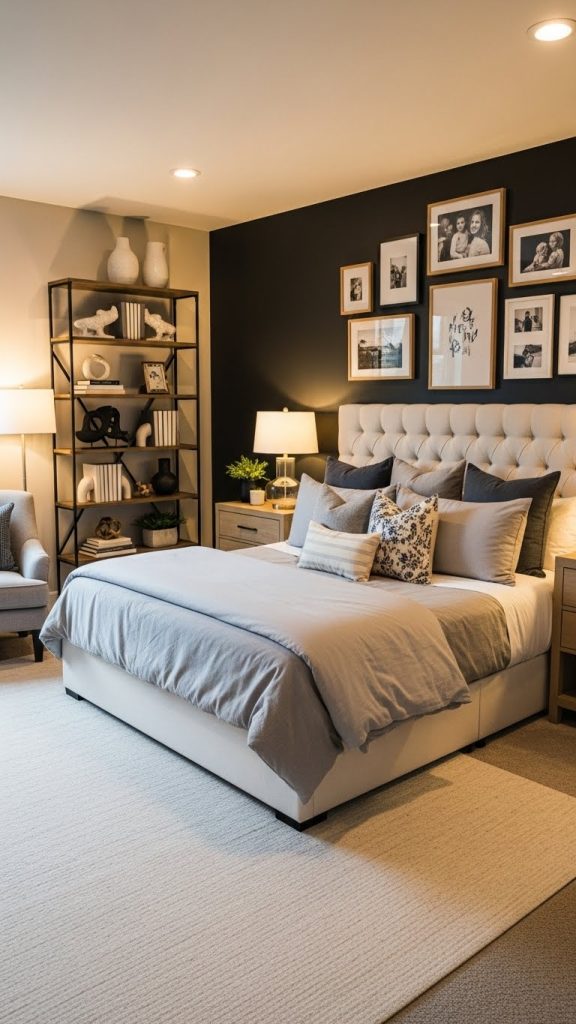
Artwork and personal touches give character and personality to a master bedroom. Large wall art, framed prints, or abstract paintings can serve as a focal point above the bed or on empty walls. Family photos, travel mementos, or handmade items personalize the space. Choosing artwork that complements the room’s color palette ensures cohesion. Shelves can display small sculptures, candles, or collectibles to add dimension. Avoid overcrowding walls; instead, curate pieces thoughtfully. Personal touches create emotional connection, making the bedroom feel welcoming and uniquely yours. Consider incorporating a gallery wall or rotating pieces seasonally for variety. Even subtle details, such as unique vases, decorative trays, or books, contribute to a lived-in and stylish look. Well-chosen artwork and personalized decor transform a master bedroom into a space that reflects your taste and enhances comfort.
9. Accent Walls and Textured Surfaces
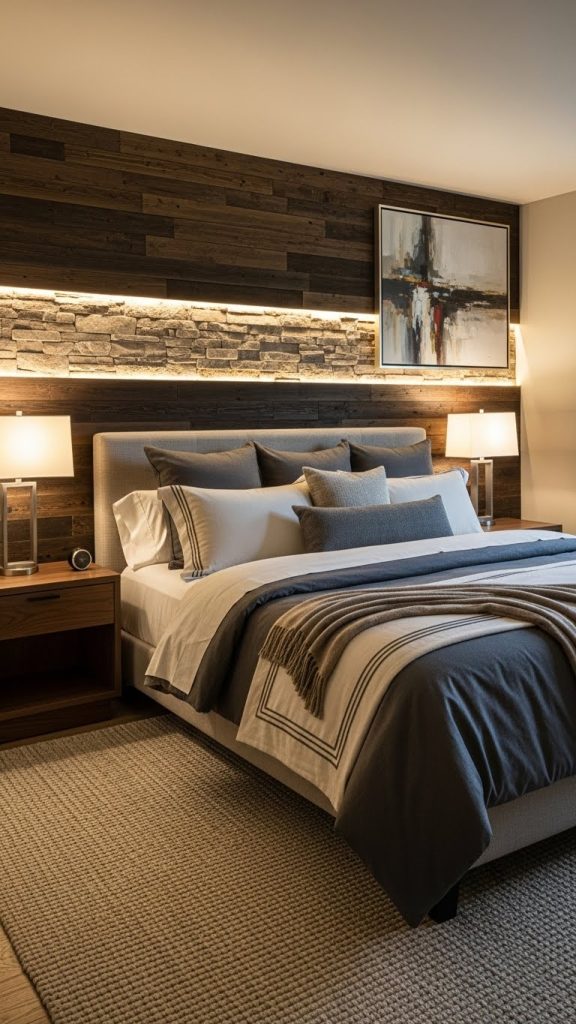
Accent walls add depth and visual interest to a master bedroom. Consider painting one wall in a bold color, using wallpaper, wood paneling, or textured materials like brick or stone. The accent wall often works best behind the bed as a focal point. Textured surfaces, such as 3D panels or fabric wall coverings, add sophistication and dimension. Complement the accent wall with subtle decor on surrounding walls to prevent visual overload. Lighting can enhance texture, creating shadows and highlighting details. Materials such as reclaimed wood or metallic finishes create unique looks. Accent walls allow for experimentation without overwhelming the entire room. Coordinating bedding, furniture, and accessories with the wall ensures a balanced design. This approach can transform a simple bedroom into a stylish and dynamic space while emphasizing personality and style.
10. Smart Technology Integration
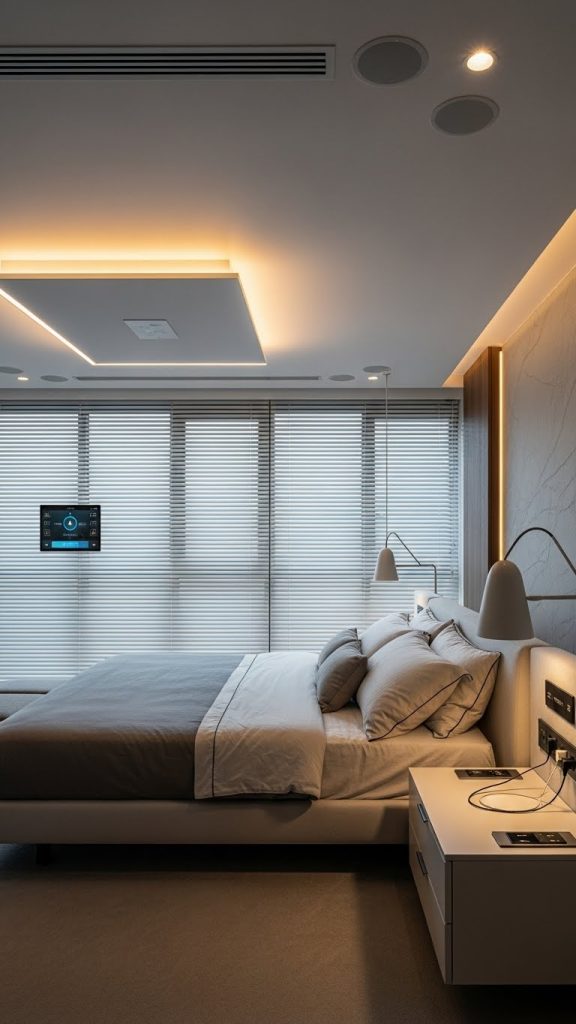
Modern master bedrooms benefit from smart technology for convenience and comfort. Smart lighting systems allow control of brightness and color from your smartphone or voice assistant. Automated blinds or curtains adjust to natural light for improved sleep cycles. Climate control, such as smart thermostats, maintains a comfortable temperature. Integrated speakers or sound systems provide music or ambient sounds, enhancing relaxation. Bedside outlets with USB ports ensure easy device charging. Even smart mattresses or sleep trackers contribute to health and comfort. Technology should be integrated subtly, maintaining the bedroom’s aesthetic while offering functionality. Choosing devices with sleek designs ensures they complement the decor. Smart technology elevates the master bedroom, making it a modern, luxurious, and efficient space without sacrificing style.