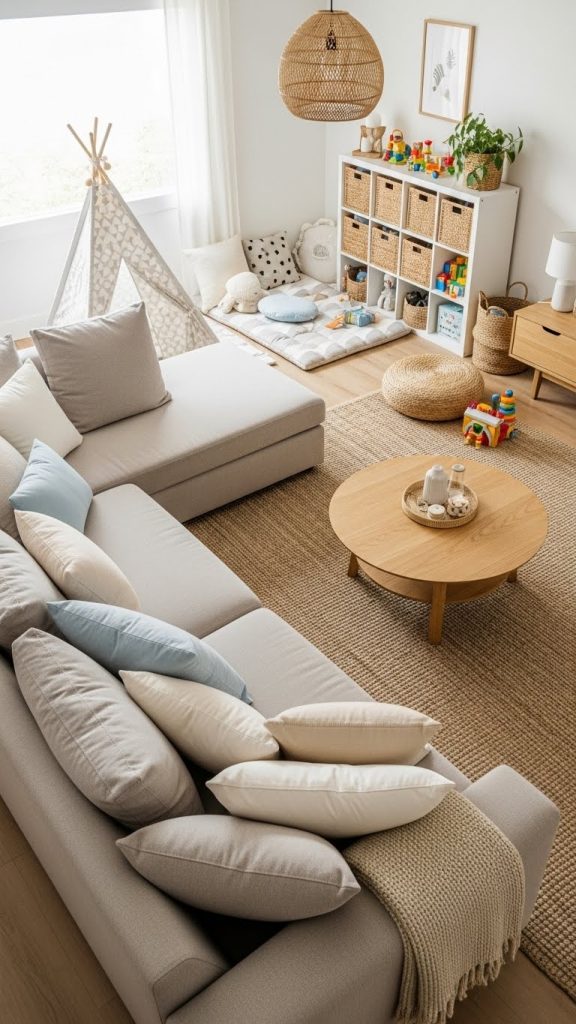

A living room seating area is the heart of the home. It is the place where family members relax after a long day, guests are welcomed, conversations happen, and memories are made. A well-designed seating area improves comfort, supports daily activities, and enhances the overall look of the living room. Many people focus only on furniture appearance, but a successful seating area depends on careful planning, proper material selection, space management, and thoughtful arrangement.
Before creating a seating area, it is important to understand how the living room will be used. Some families need space for watching television, others need a formal sitting space for guests, and some want a mix of both. Room size, lighting, ventilation, and movement paths also play an important role. Choosing the right seating materials ensures durability and easy maintenance, especially in homes with children or pets. Preparation includes measuring the space, setting a budget, and selecting a style that matches the rest of the house.
This blog explains ten different living room seating area ideas in detail. Each point focuses on design purpose, preparationnd materials, preparation steps, comfort factors, and practical usage. These ideas can be adapted to small, medium, or large living rooms and are suitable for modern as well as traditional homes.
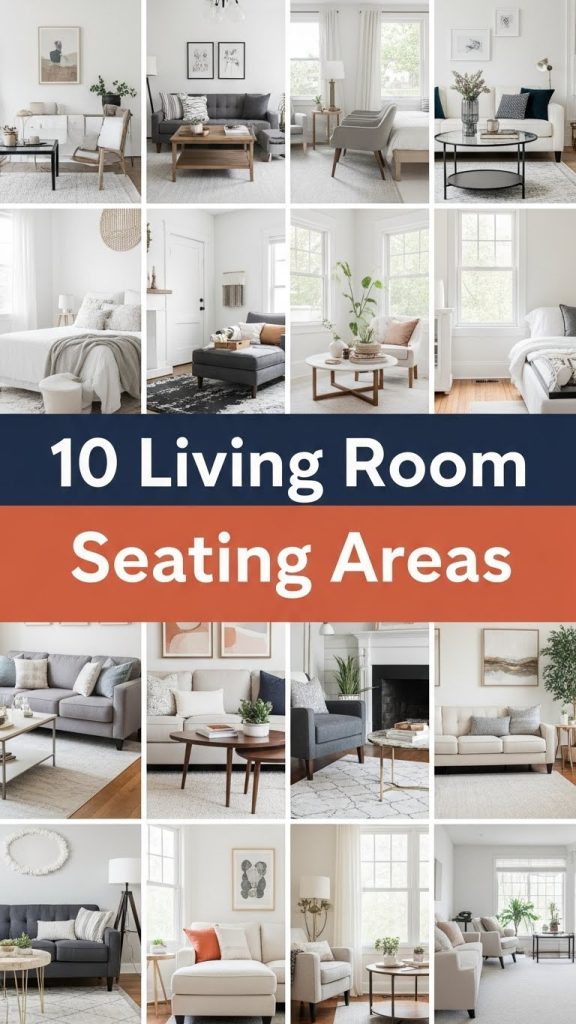
1. Sofa-Centered Living Room Seating Area
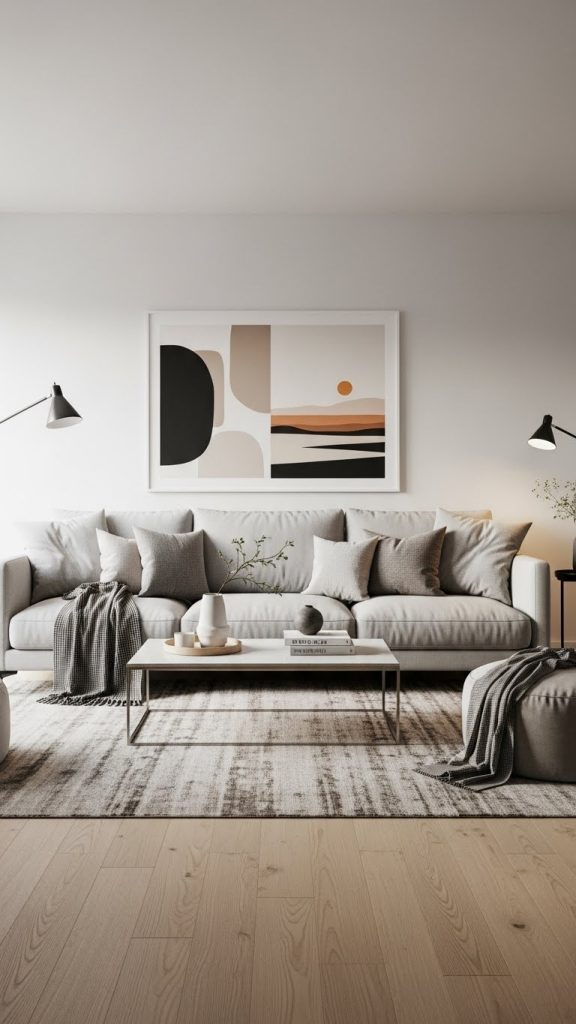
A sofa-centered seating area is one of the most common and practical choices for living rooms. This setup focuses on one main sofa, usually placed against a wall or facing a television or coffee table. Preparation starts with measuring the available wall space and deciding the sofa size. A three-seater sofa works well for medium to large rooms, while a two-seater is better for small spaces.

Materials used for sofas include fabric, leather, and synthetic blends. Fabric sofas offer comfort and a wide color range, while leather sofas provide durability and easy cleaning. The internal frame is usually made of solid wood or metal for strength. High-density foam cushions provide better support and long-term comfort.
This seating area is ideal for daily use, family gatherings, and casual entertaining. Side tables, floor lamps, and cushions enhance usability. The sofa-centered layout keeps the room organized and leaves space for movement. It is easy to maintain and can be updated with new covers or cushions without replacing the entire furniture. This setup suits both modern and traditional living rooms.
2. Sectional Seating Area for Large Living Rooms
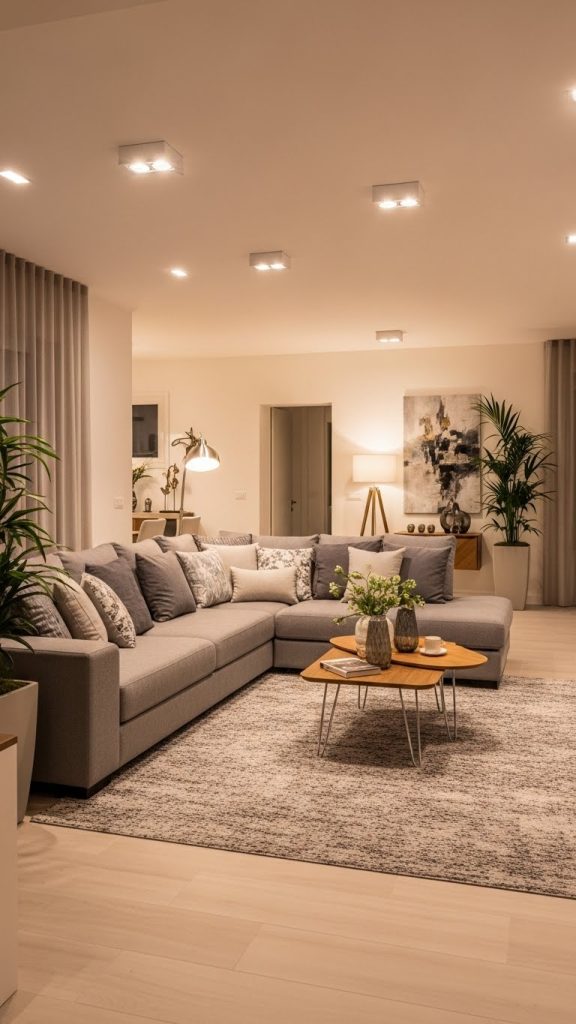
Sectional seating areas are perfect for large living rooms that need maximum seating without clutter. Sectional sofas are made up of multiple connected pieces that form an L-shape or U-shape. Preparation involves planning the layout carefully to avoid blocking doors or walkways.
Materials used in sectional seating are similar to regular sofas but require stronger frames due to their size. Solid wood frames, reinforced joints, and durable upholstery are essential. Foam density should be medium to firm to prevent sagging over time. Removable cushion covers are useful for easy cleaning.
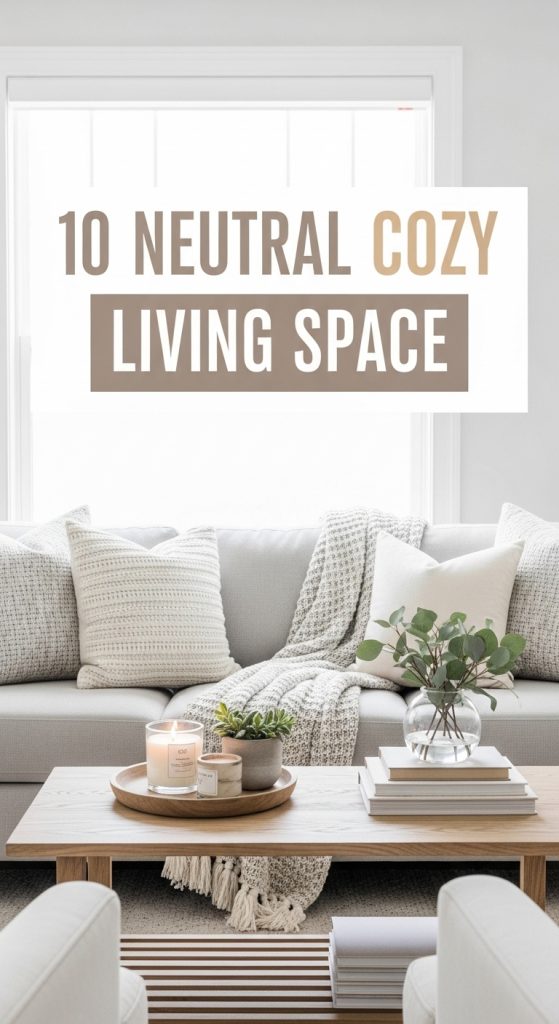
This seating area encourages conversation and is ideal for families who spend a lot of time together in the living room. It works well for movie nights, guests, and relaxing. Sectional seating also helps define the seating zone in open-plan homes. Adding a large rug beneath the sectional helps balance the space and improves comfort.
3. Chair-Based Seating Area for Flexible Use
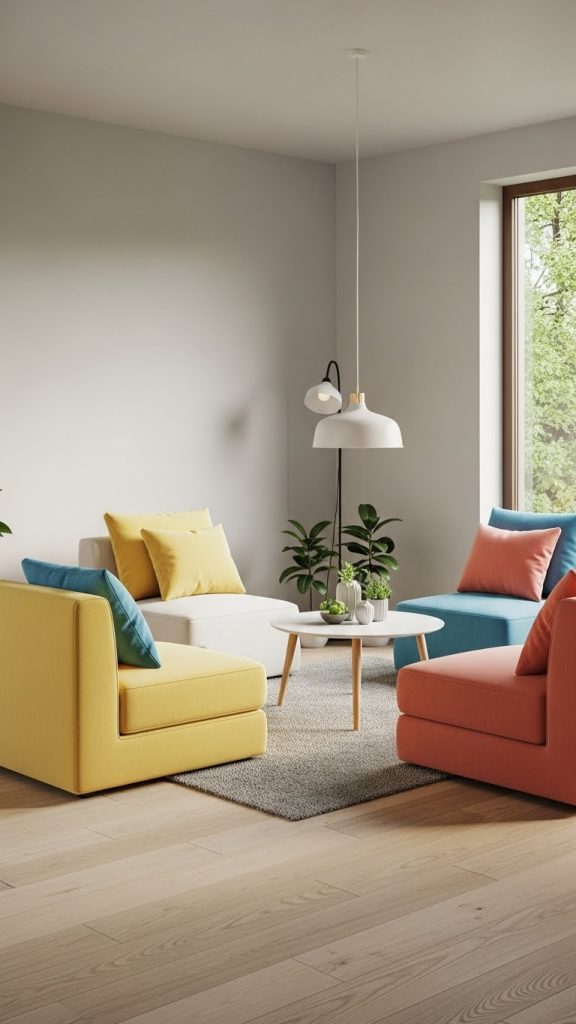
A chair-based seating area focuses on individual seating rather than a large sofa. This setup usually includes two to four armchairs arranged around a coffee table. Preparation starts with identifying how many people typically use the living room and how much space is available.
Materials for chairs include wood, metal, and upholstered frames. Wooden frames offer a classic look, while metal frames suit modern interiors. Upholstery options include fabric, leather, and microfiber. Cushion padding should be comfortable but supportive.
This seating area is ideal for flexible use. Chairs can be moved easily, making it suitable for small rooms or homes that frequently rearrange furniture. It supports conversation and reading activities. This setup also works well in formal living rooms where space needs to look open and organized.

4. Window-Focused Seating Area
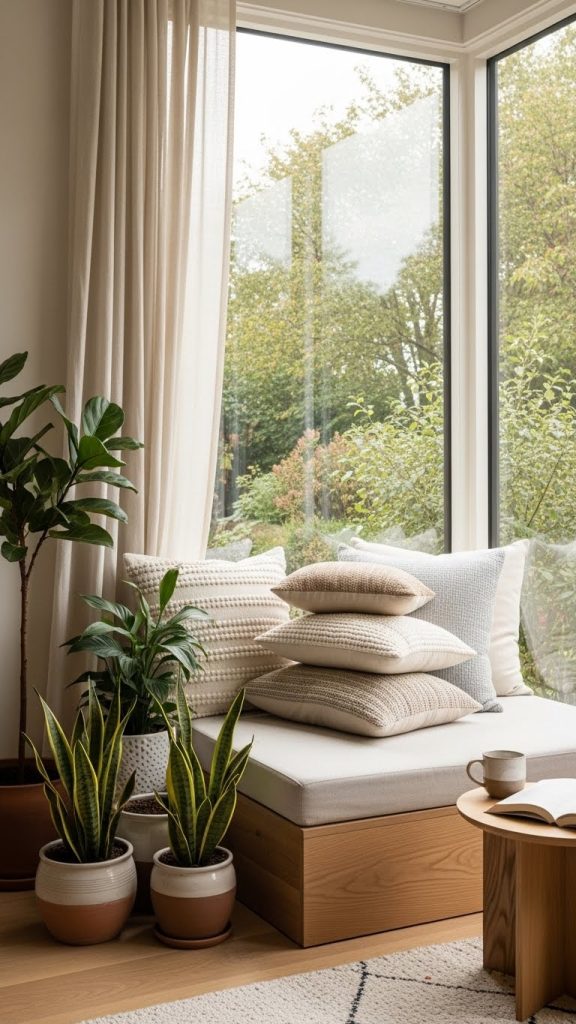
A window-focused seating area is designed to make use of natural light and outdoor views. This setup places seating near large windows or glass doors. Preparation includes checking sunlight direction, window height, and ventilation.
Materials should be resistant to sunlight exposure. Fabrics that do not fade easily and wood treated with protective coatings are recommended. Cushions should be firm enough to support long sitting periods.
This seating area is perfect for reading, relaxing, or enjoying morning tea. It creates a calm and welcoming atmosphere. Adding light curtains or blinds helps control glare. Window-focused seating enhances the brightness of the living room and makes the space feel larger and more open.
5. TV-Oriented Living Room Seating Area
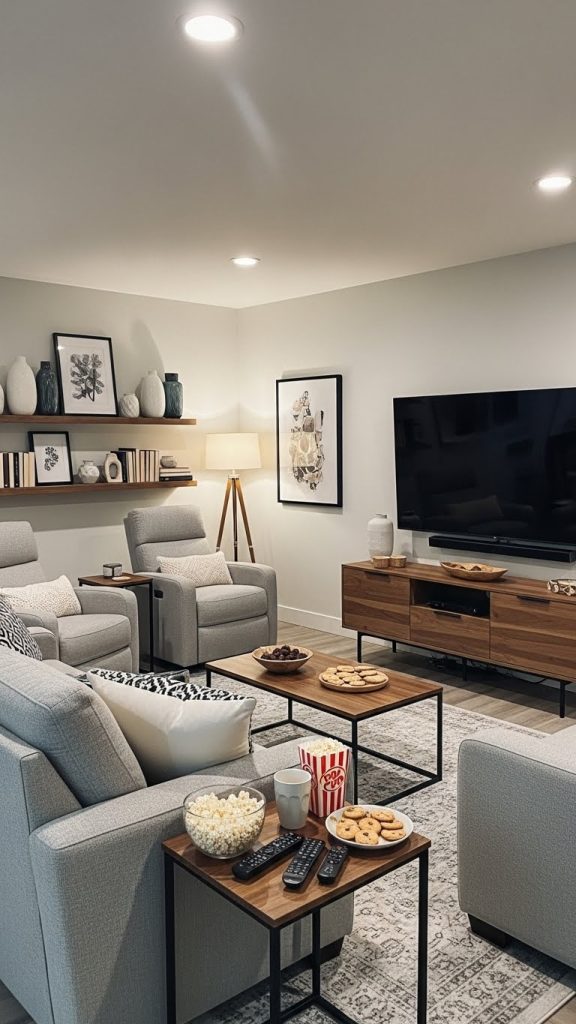
A TV-oriented seating area is designed mainly for entertainment. Seating is arranged to face the television directly for comfortable viewing. Preparation involves measuring viewing distance and mounting height of the TV.

Materials used should support long sitting hours. Sofas with reclining features, padded armrests, and neck support are ideal. Frames must be sturdy, and upholstery should be breathable to prevent discomfort.
This setup is ideal for families who enjoy movies, sports, and gaming. Side tables for snacks and storage units for electronics improve functionality. Proper lighting, such as wall-mounted lights or dim lamps, enhances the viewing experience while reducing eye strain.
6. Minimalist Seating Area for Small Living Rooms
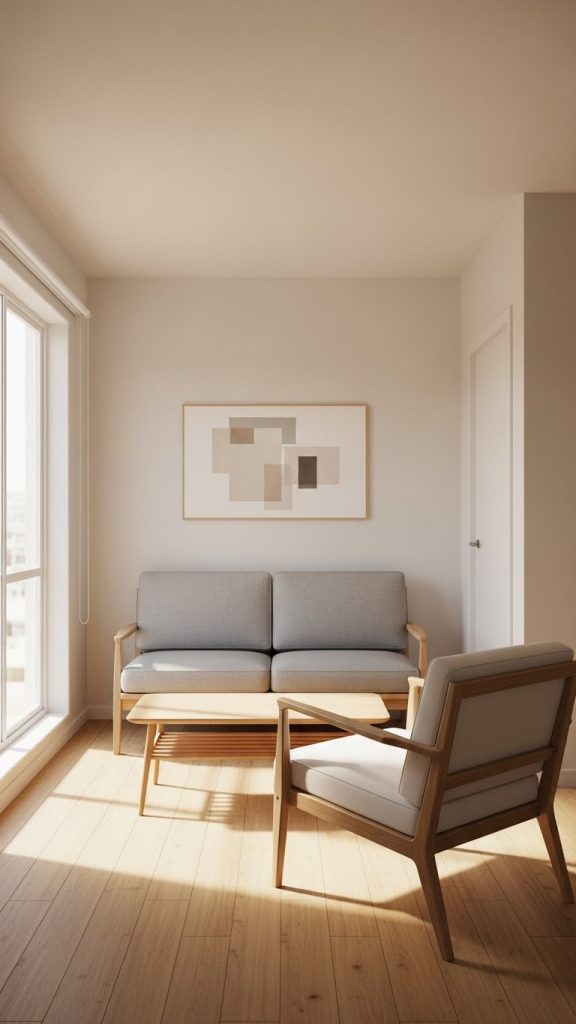
Minimalist seating areas are designed for small living rooms where space is limited. Preparation starts with removing unnecessary furniture and focusing on essential seating. A compact sofa or two simple chairs are usually enough.
Materials should be lightweight but durable. Metal frames, slim wooden legs, and low-profile cushions work best. Neutral colors help create a sense of openness.
This seating area emphasizes clean lines and uncluttered space. It is easy to maintain and visually calming. Storage ottomans or nesting tables add functionality without crowding the room. Minimalist seating is ideal for apartments and modern homes.
7. Traditional Living Room Seating Area
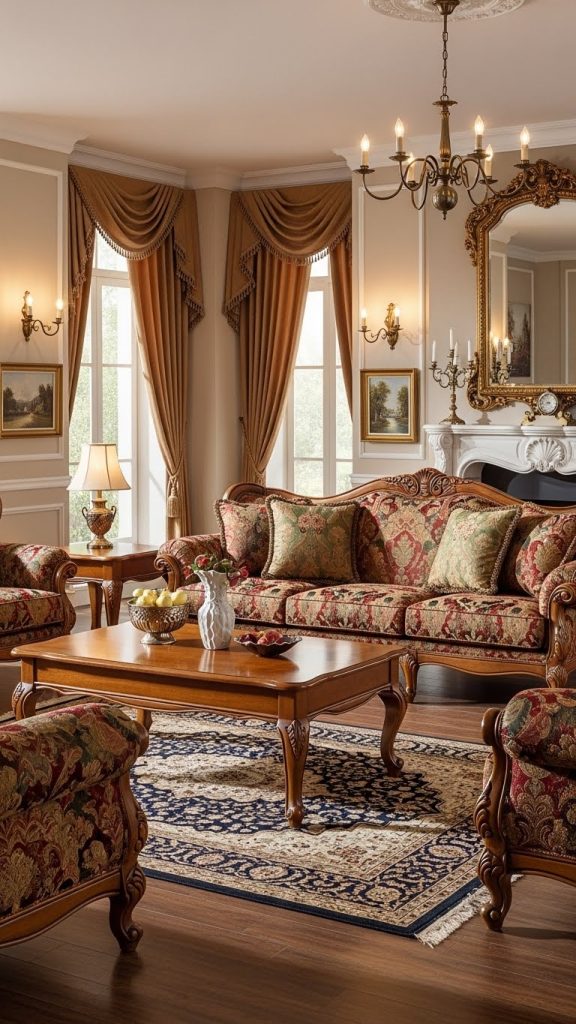
Traditional seating areas focus on comfort, symmetry, and classic design. Preparation includes selecting matching furniture pieces and planning balanced placement.
Materials include solid wood frames, carved details, and rich fabrics. Cushions are usually thick and soft. Upholstery often features patterns or textured fabrics.
This seating area is suitable for formal living rooms and guest spaces. It reflects elegance and warmth. Side tables, lamps, and decorative cushions complete the look. Traditional seating areas are durable and timeless when maintained properly.

8. Open-Plan Seating Area for Modern Homes
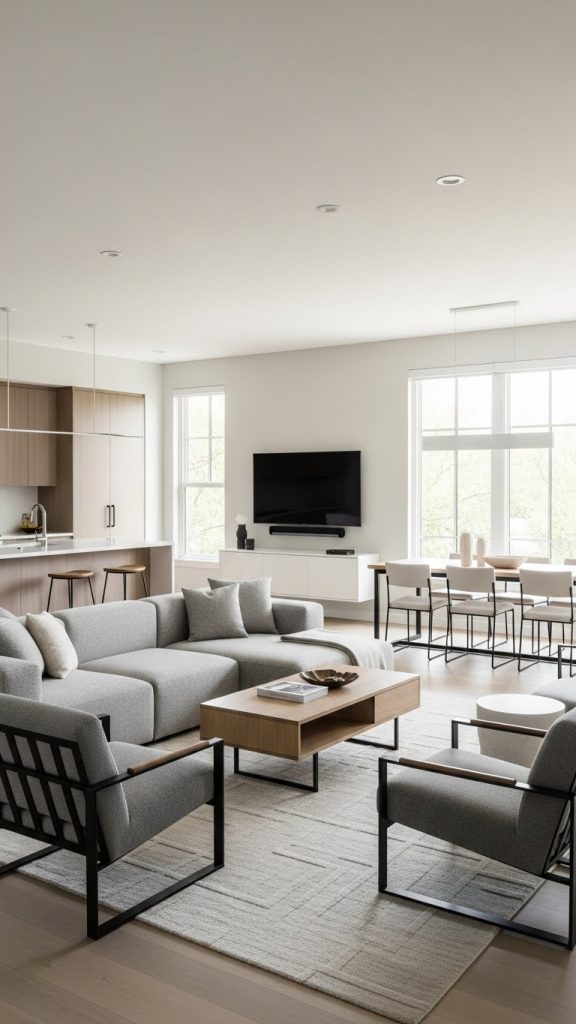
Open-plan seating areas are common in modern homes where the living room connects with dining or kitchen spaces. Preparation involves defining the seating zone using rugs or furniture placement.
Materials should match the overall interior style. Modular sofas, low-profile chairs, and simple tables are commonly used. Durable upholstery is important due to high usage.
This seating area promotes interaction and easy movement. It makes the home feel spacious and connected. Proper placement ensures the seating area feels cozy without being isolated. Open-plan seating suits modern lifestyles and multifunctional living spaces.
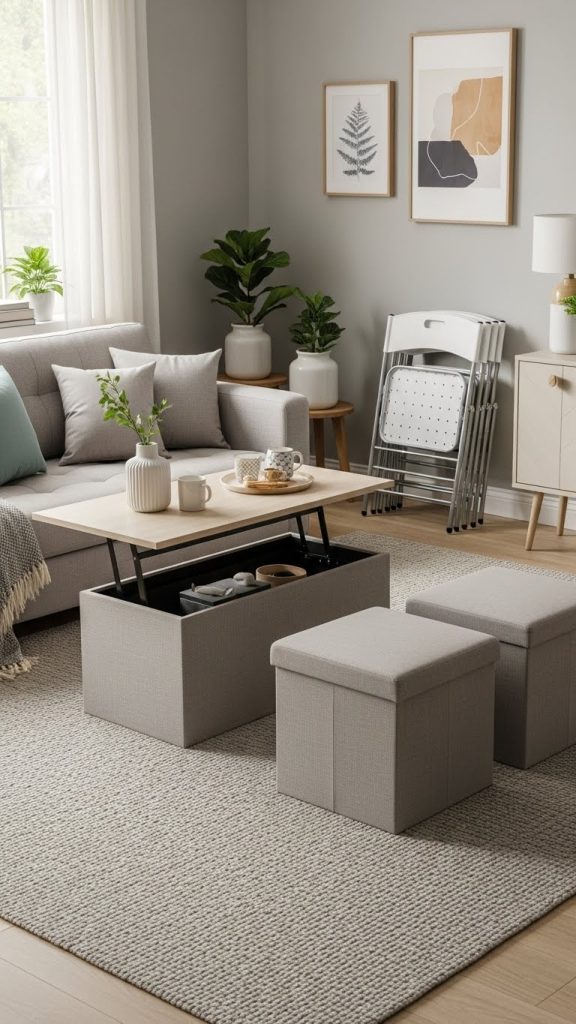
9. Multi-Functional Seating Area
A multi-functional seating area serves more than one purpose, such as seating, storage, and sleeping. Preparation involves identifying daily needs and selecting adaptable furniture.

Materials should be strong and easy to maintain. Sofa beds, storage benches, and foldable chairs are common choices. Mechanisms should be smooth and durable.
This seating area is ideal for small homes and guest rooms. It maximizes space efficiency while maintaining comfort. Multi-functional seating helps keep the living room organized and practical for everyday use.
10. Family-Friendly Living Room Seating Area
A family-friendly seating area is designed for comfort, durability, and safety. Preparation includes choosing child-safe materials and flexible layouts.
Materials should be stain-resistant and easy to clean. Fabric upholstery with removable covers works well. Rounded edges and sturdy frames reduce the risk of damage.

This seating area supports daily family activities such as playing, relaxing, and entertaining guests. It prioritizes comfort and long-term use. Family-friendly seating areas are practical, welcoming, and adaptable to changing needs.