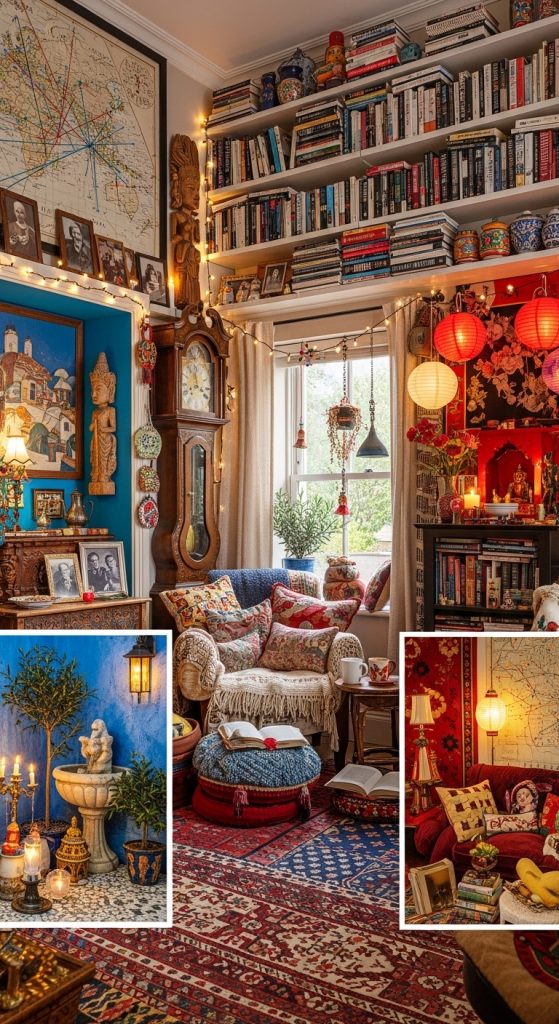
Maximalism in home interiors is about expression, personality, and abundance. It is the opposite of minimalism. Instead of empty spaces and neutral colors, maximalism celebrates bold shades, layered textures, rich patterns, and meaningful objects. A maximalist home tells a story. It reflects the people who live there, their travels, their memories, and their tastes. This style allows creativity to shine without strict rules. However, successful maximalism is not random clutter. It requires planning, balance, and thoughtful design choices.
Before starting a maximalist interior project, preparation is important. You need to understand your color preferences, collect inspiration images, and measure your space carefully. Materials such as wallpapers, paints, fabrics, rugs, artwork, and decorative objects should be selected with care. Quality matters because the design includes many visible details. Storage solutions are also necessary to keep the space organized while still appearing full and vibrant.
In this blog post, you will discover ten detailed maximalist interior ideas. Each idea includes preparation tips, material suggestions, and practical advice. The language is simple and clear so you can easily apply these concepts to your own home. Let us explore how to create a bold and beautiful maximalist interior.
1. Layered Bold Color Palettes
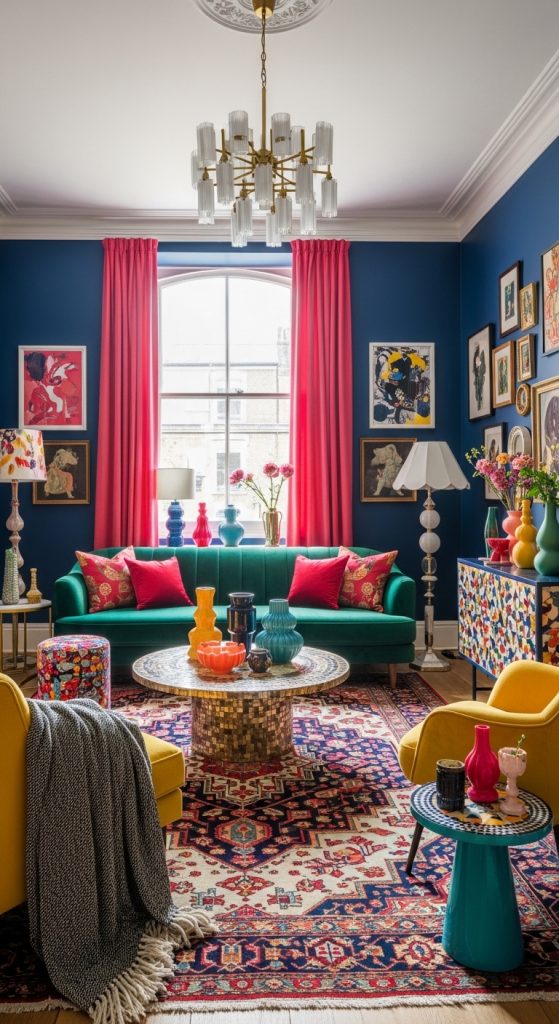
Color is the foundation of maximalist design. Instead of choosing one neutral shade, you can combine multiple bold colors. Deep blue, emerald green, mustard yellow, ruby red, and bright pink are common choices. The key is to create harmony between them. Start by selecting one main color for walls or large furniture. Then add two or three complementary colors for accents.
Preparation begins with testing paint samples on your walls. Observe how the colors look in natural and artificial light. Choose high quality wall paint with a matte or satin finish. For added depth, consider wallpaper with strong patterns. Materials such as velvet cushions, patterned curtains, and colorful rugs enhance the layered look.
To avoid chaos, use repetition. For example, if you choose emerald green, repeat it in cushions, artwork, or a lamp. This creates unity. Mixing warm and cool tones can also make the space dynamic. The goal is richness, not confusion. With careful planning, bold color layering transforms any room into a dramatic and inviting space.
2. Statement Wallpaper and Murals
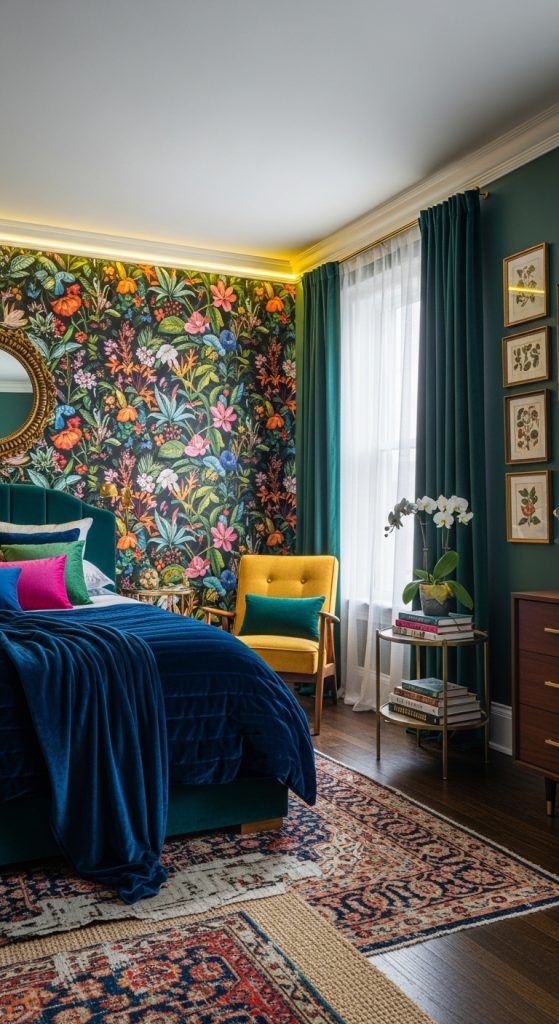
Wallpaper plays a major role in maximalist interiors. Large floral prints, tropical designs, geometric patterns, and artistic murals instantly create impact. A statement wall can serve as the focal point of the room. Preparation includes measuring the wall area accurately and calculating the number of rolls needed.
Choose durable wallpaper materials such as vinyl for high traffic areas or fabric based wallpaper for a luxurious feel. Proper wall preparation is essential. Clean the surface, repair cracks, and apply primer before installation. Hiring a professional installer may be helpful for complex patterns.
You can pair bold wallpaper with contrasting furniture. For example, a floral wall design works beautifully with solid color sofas. Murals featuring landscapes or abstract art make small spaces feel artistic and expressive. Good lighting is also important to highlight the details of the wallpaper. With the right preparation and materials, statement wallpaper adds personality and depth to your home.
3. Mixing Patterns with Confidence
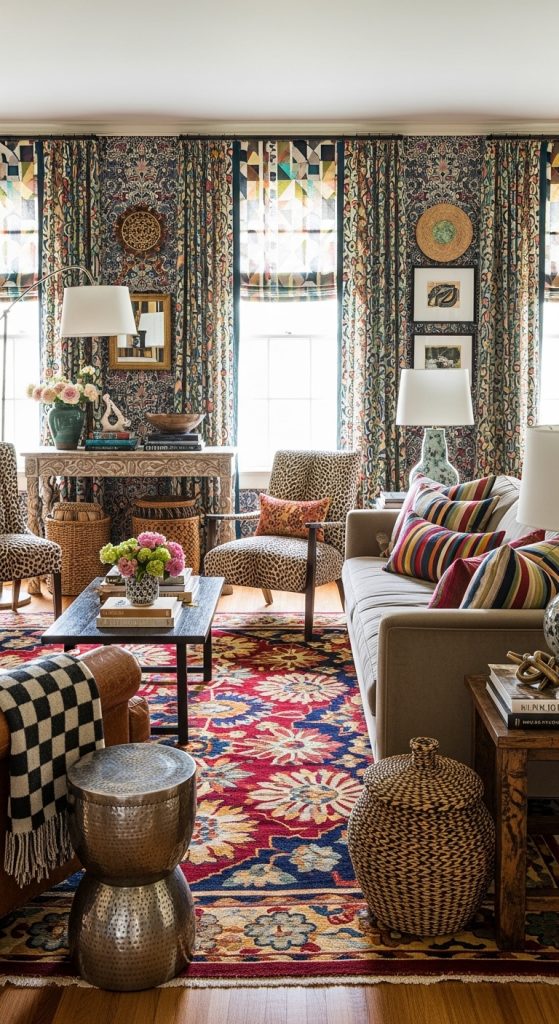
Maximalism encourages mixing patterns such as stripes, florals, checks, and animal prints. The secret to success is scale and color coordination. Combine large scale patterns with smaller ones to avoid overwhelming the room. For example, a large floral rug can pair well with striped cushions.
Before buying materials, create a mood board. Collect fabric swatches and place them together to see how they interact. Cotton, silk, velvet, and linen are common fabric options. Choose durable upholstery fabric for sofas and chairs.
A consistent color theme helps unify different patterns. If most patterns include blue and gold, the space will look coordinated even with multiple designs. Layering patterns on curtains, rugs, bedding, and cushions adds visual interest. Confidence is key. When patterns are balanced through color and scale, they create a lively and unique interior that feels intentional rather than messy.

4. Gallery Walls and Art Collections
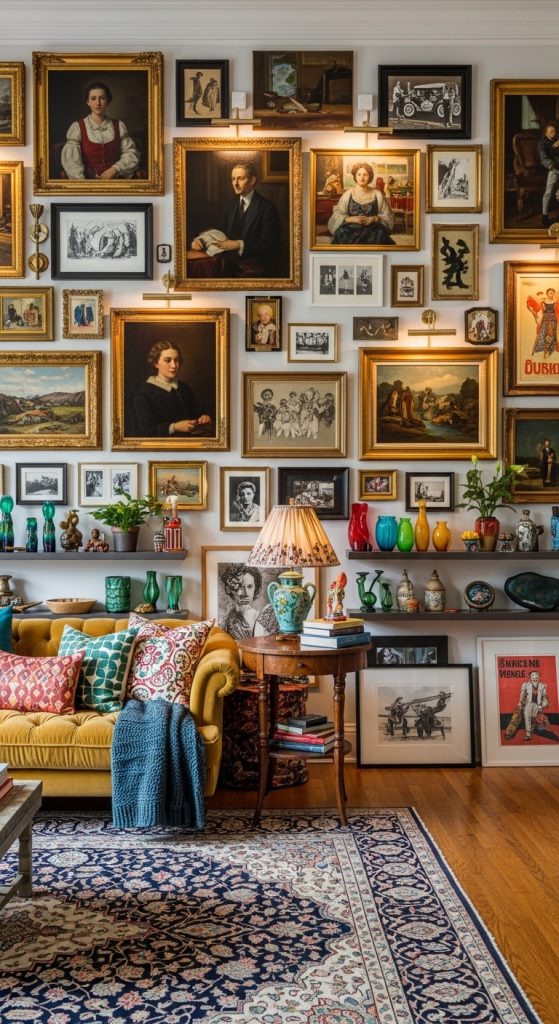
Art is central to maximalist design. A gallery wall filled with paintings, photographs, posters, and prints can transform a plain wall into a visual masterpiece. Preparation involves selecting frames in different sizes and finishes. Wooden, metal, and colorful frames can all work together.
Start by arranging frames on the floor before hanging them. This helps you find the perfect layout. Use measuring tools and wall anchors to ensure stability. Consider mixing personal photos with abstract art and vintage prints.
Lighting is essential. Install wall lights or spotlights to highlight the artwork. Materials such as canvas prints, framed photographs, and textured art pieces add depth. A gallery wall should reflect your personality. It can include travel souvenirs, family memories, or bold modern art. When arranged thoughtfully, art collections create a rich and meaningful focal point in any room.
5. Rich Textures and Luxurious Fabrics
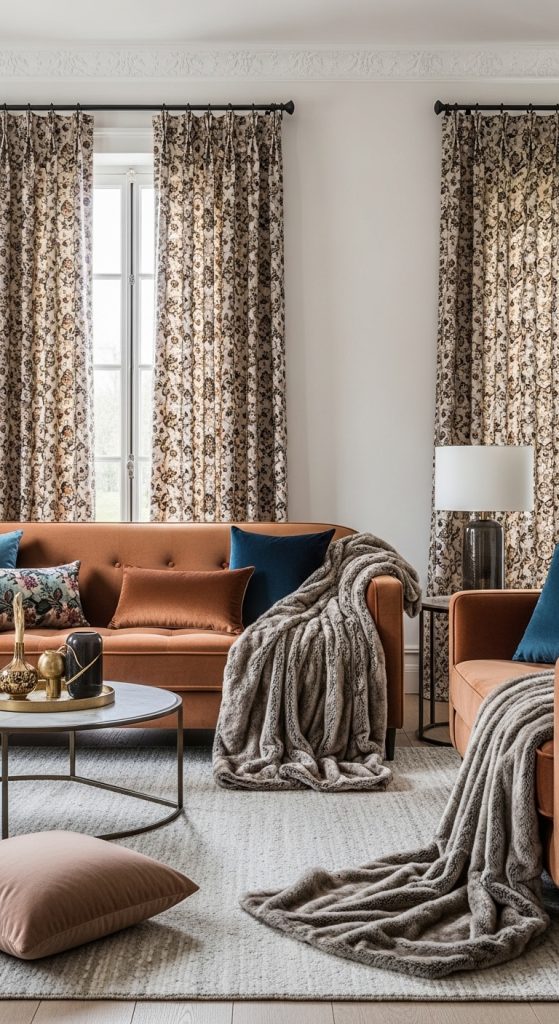
Texture brings warmth and comfort to maximalist interiors. Combining different materials such as velvet, silk, leather, wool, and faux fur adds depth. Preparation includes selecting fabrics that complement your color scheme and checking their durability.
Velvet sofas, embroidered cushions, thick wool rugs, and layered curtains create a cozy atmosphere. Mixing shiny and matte textures enhances contrast. For example, a smooth leather chair looks striking next to a soft wool rug.
Consider maintenance as well. Some fabrics require special cleaning. Choose stain resistant materials for high use areas. Layering is important. Add throws, cushions, and textured blankets. Rich textures make the room feel inviting and luxurious. When multiple materials work together, the space feels full and comfortable without looking overcrowded.
6. Eclectic Furniture Combinations
Maximalism allows mixing furniture from different styles and periods. A modern sofa can sit next to a vintage wooden cabinet. Preparation involves measuring your room carefully to ensure all pieces fit comfortably.
Look for unique furniture at antique shops, local markets, or custom workshops. Solid wood, carved details, and bold upholstery fabrics work well. Do not be afraid to combine curved and straight shapes.
Balance is important. If one piece is large and dramatic, pair it with simpler items. Arrange furniture to create conversation areas. Consider flow and walking space. Eclectic furniture creates a layered story in your home. Each piece should have character. With thoughtful placement and proportion, mixed furniture styles create harmony and individuality.
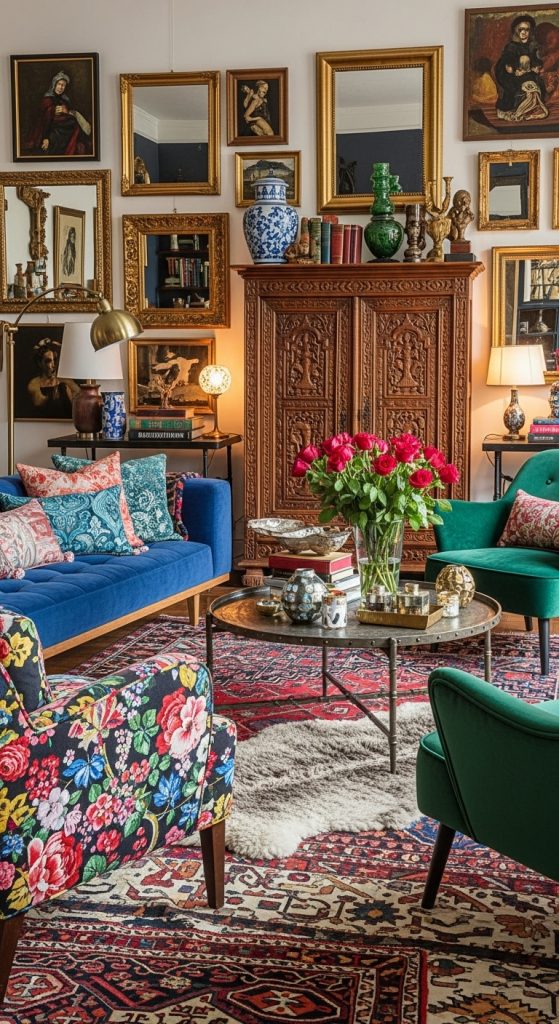
7. Decorative Accessories and Collectibles
Accessories are essential in maximalist interiors. Decorative objects such as vases, sculptures, books, candles, and souvenirs add personality. Preparation involves organizing your collection and deciding which items to display.
Use shelves, cabinets, and coffee tables to arrange objects in groups. Combine items of different heights and shapes. Materials such as ceramic, glass, brass, and wood create contrast. Avoid overcrowding by leaving small gaps between objects.
Display meaningful items that tell your story. Rotate accessories seasonally to keep the design fresh. Proper lighting enhances decorative pieces. Accessories bring warmth and charm to the space. When arranged carefully, collectibles become design features rather than clutter.

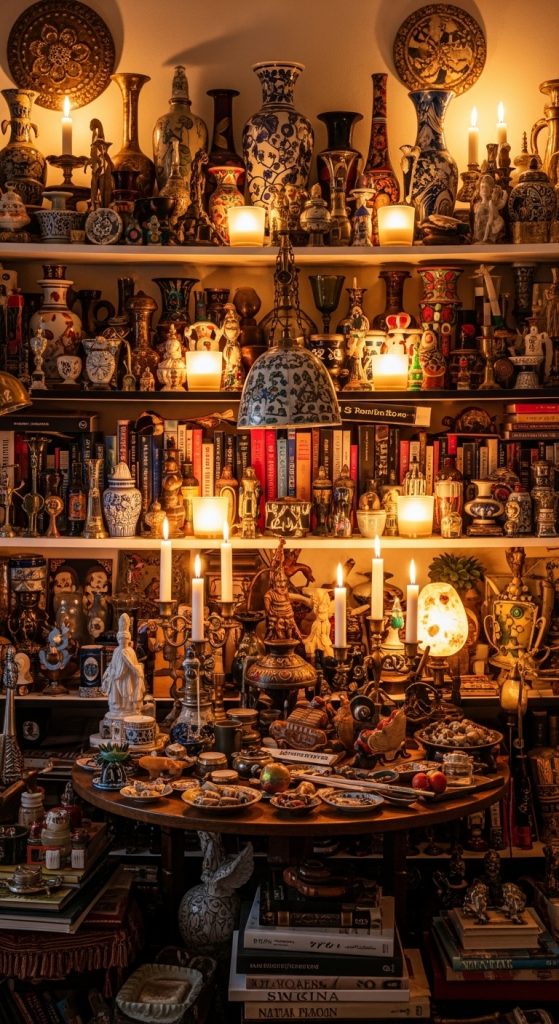
8. Layered Lighting Design
Lighting plays a key role in highlighting maximalist interiors. Instead of a single ceiling light, use multiple light sources. Preparation includes planning electrical points and choosing appropriate fixtures.
Combine chandeliers, floor lamps, table lamps, and wall sconces. Materials such as brass, crystal, and colored glass enhance the dramatic look. Warm light bulbs create a cozy atmosphere.
Layer lighting to serve different functions. Ambient lighting provides overall brightness. Task lighting supports reading or working. Accent lighting highlights art or architectural features. Dimmer switches allow control over mood. Well planned lighting enhances colors, textures, and patterns. It makes the room feel balanced and inviting even with many decorative elements.
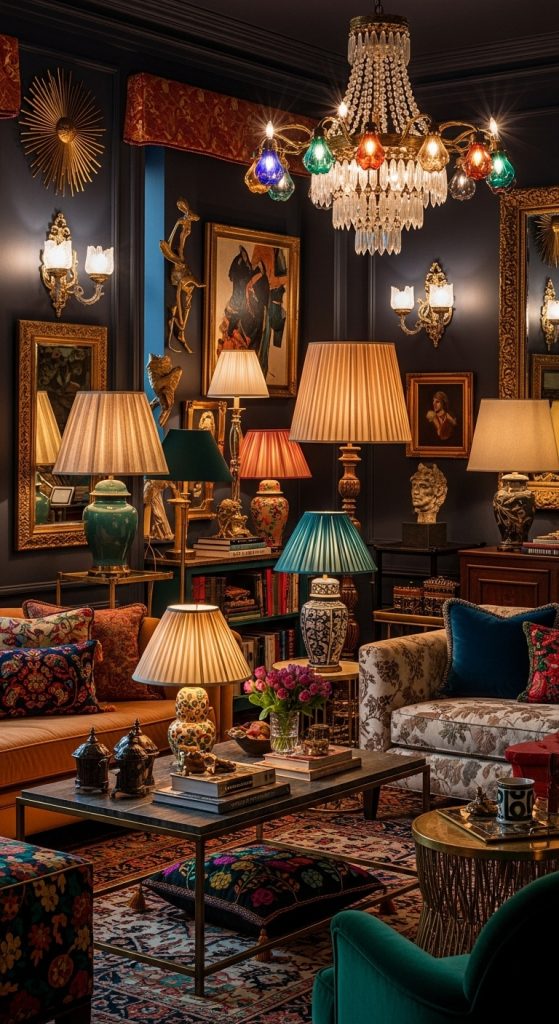
9. Bold Rugs and Layered Flooring
Rugs are powerful design elements in maximalist homes. Large patterned rugs anchor the room. Preparation involves measuring floor space and selecting durable materials such as wool or synthetic blends.
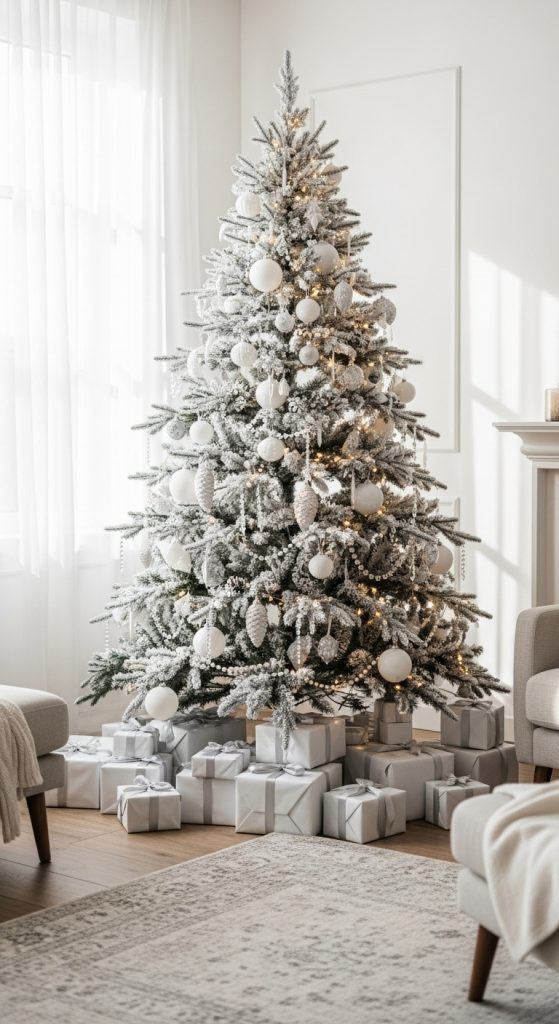
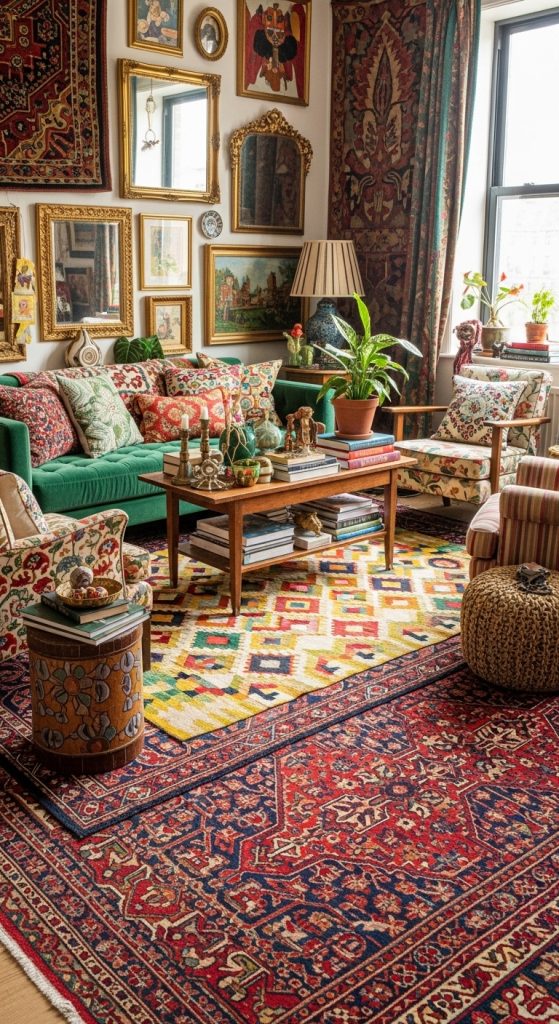
Layering rugs adds depth. Place a smaller patterned rug over a larger neutral one. Choose contrasting patterns that share common colors. Rugs define seating areas and add warmth.
Consider maintenance and cleaning requirements. Thick rugs provide comfort and sound absorption. Bold rugs can transform plain flooring into a statement feature. With proper placement and color coordination, layered flooring enhances the richness of maximalist interiors.
10. Personal Storytelling Through Design
The heart of maximalism is storytelling. Your home should reflect your life experiences, interests, and passions. Preparation includes selecting items that have personal meaning. Travel souvenirs, family heirlooms, books, and handmade crafts add authenticity.
Create themed corners such as a reading nook with colorful shelves or a travel wall with maps and photos. Use materials that feel personal and genuine. Avoid copying trends without adding your own touch.
Organize your space so that it feels expressive but functional. Storage solutions such as decorative boxes and cabinets help maintain order. Personal storytelling makes your home unique. Maximalism is not about following strict design rules. It is about celebrating abundance, creativity, and individuality in a thoughtful and beautiful way.