Creating a well designed home interior requires thoughtful planning, a clear understanding of your style preferences, and awareness of how each space should support your lifestyle. A carefully executed interior design plan not only elevates the aesthetics of your home but also enhances comfort and functionality. Whether you live in a compact apartment or a spacious house, design decisions shape how you interact with your environment daily. Good interior design works with color, lighting, layout, and materials, applying them in harmony to create welcoming, practical, and visually appealing spaces. In this detailed guide, we explore ten effective home interior design ideas, each focusing on preparation, materials, and strategic use, ensuring that readers understand the practical steps required to implement them.
Many homeowners desire spaces that reflect their personality, yet they struggle to interpret design concepts into real life. This blog aims to bridge that gap through deeply detailed explanations. From minimalist living rooms to warm rustic kitchens and cohesive bedroom layouts, each concept is laid out step by step. Preparation, planning, and careful execution are emphasized to help you work systematically. This comprehensive guide encourages readers to experiment with textures, colors, and furnishings while maintaining balance and cohesion throughout the home. With these ten elaborate ideas, you can transform your home into a stylish, inviting, and highly functional environment.
1. Minimalist Living Room Design
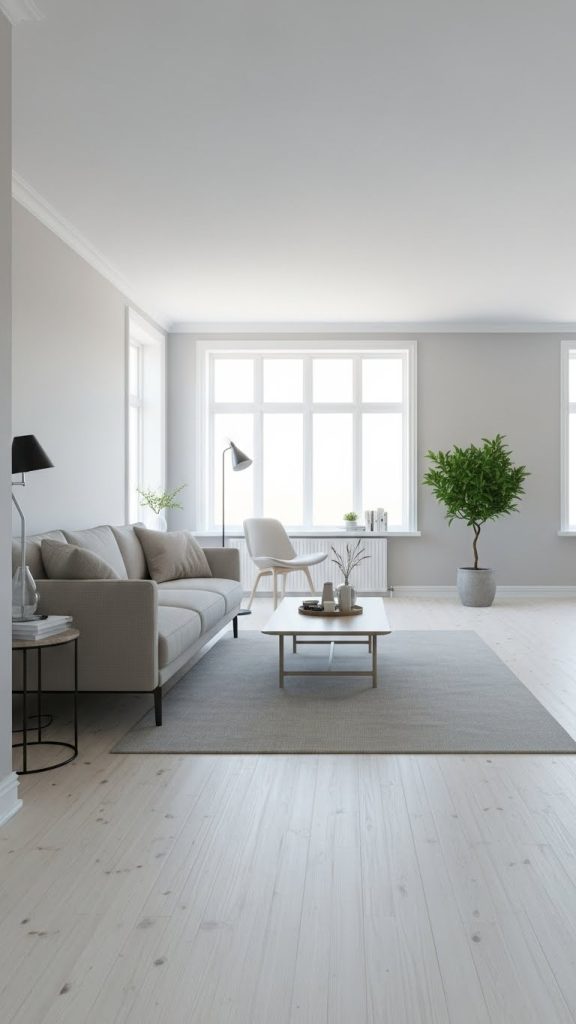
A minimalist living room focuses on simplicity, functionality, and a clutter free layout. Preparation for this design requires evaluating your current space and removing unnecessary items that do not contribute to aesthetic or practical value. Start by measuring the room to determine the appropriate scale of furniture. Overly large sofas or bulky tables can overwhelm the space, so choose pieces with sleek lines and neutral colors. Minimalism relies heavily on open space, natural lighting, and a few well selected decor elements. Before purchasing materials, identify a color palette with tones such as white, beige, soft greys, or muted earth colors, all of which help create a calm and spacious feeling.
For the furniture, consider materials like wood, metal, or linen for a clean and modern look. Use fabrics without busy patterns to maintain simplicity. Storage is essential in minimalist rooms, so invest in built in shelves or multipurpose furniture that keeps clutter hidden. When decorating, use only essential items like a single artwork, a functional coffee table, or indoor plants to add natural texture. Lighting plays a critical role as well, so incorporate floor lamps or ceiling lights with soft, warm tones. The minimalist approach emphasizes quality over quantity, creating a peaceful living room where every item feels intentional.