Handmade jewelry has become one of the most fulfilling and profitable creative hobbies today. It allows you to transform simple materials into beautiful pieces of wearable art while also expressing your personal style. Whether you are a beginner exploring new crafts or an experienced creator looking for fresh inspiration, handmade jewelry offers endless possibilities. In this detailed guide, you will discover ten unique handmade jewelry ideas complete with preparation steps, materials to use, and practical tips to help you craft high quality pieces. Every idea is designed to be approachable yet impressive, providing you with inspiration whether you want to create jewelry for personal use, gifting, or building a small business. By the end of this article, you will have a clearer understanding of essential jewelry making techniques and creative directions you can explore with confidence.
1 Beaded Bracelet Designs
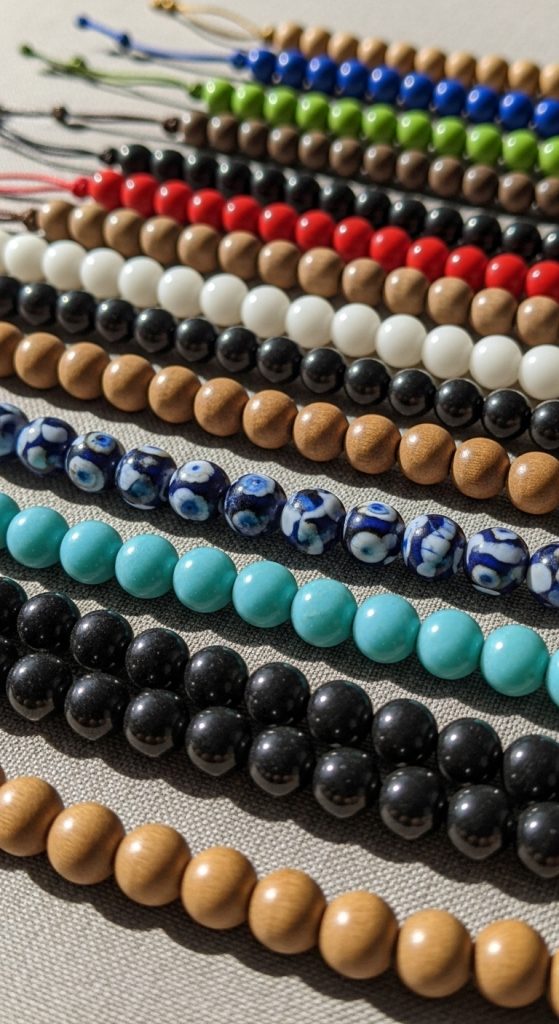
Beaded bracelets are one of the most classic handmade jewelry ideas because they are simple to create, affordable, and customizable. To get started, you need materials like assorted beads, elastic cord or thread, scissors, a bead stopper, and optionally charms or spacers. Begin by choosing beads that match your preferred style, whether colorful glass beads, wooden beads, gemstone beads, or clay beads. Measure your wrist and cut an elastic cord with extra length to allow comfortable knotting. Insert a bead stopper on one end so the beads do not fall off, then begin threading the beads in your chosen pattern. You can create alternating patterns, color gradients, or a random artistic combination. Once complete, double knot the elastic, add a drop of clear glue to strengthen it, and trim the excess cord. Let it dry for a few minutes before wearing. This project is ideal for beginners because it allows you to practice design symmetry and color coordination. Beaded bracelets are also excellent gifts and can be customized for special occasions like birthdays, holidays, or friendship tokens. With different bead types and creative arrangements, you can craft endless variations.
2 Wire Wrapped Rings

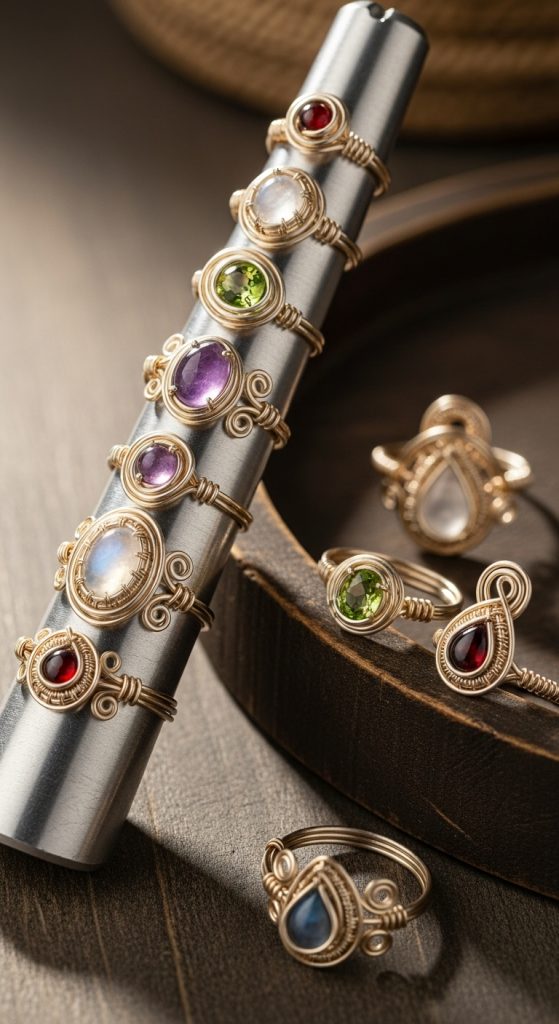
Wire wrapped rings are elegant pieces that look professionally made but are surprisingly simple once you understand the technique. For this project, you need jewelry wire, usually between 20 to 24 gauge, a ring mandrel, wire cutters, and pliers. You can also use gemstone beads or cabochons to create a centerpiece. Begin by cutting a length of wire depending on your ring size, usually around 10 to 12 inches. Place the wire around the mandrel at the desired size mark and wrap it around two or three times to form a solid base. If you plan to add a stone, thread it through the wire at the top and center it. Use the remaining wire ends to wrap around the band tightly to secure the stone in place. The final step is trimming any excess wire and smoothing the ends with pliers so they do not scratch the skin. Wire wrapped rings are popular because they appear artistic and feature beautiful organic shapes. This idea is perfect for anyone who enjoys working with minimalist tools but still wants to create elegant, trend inspired jewelry pieces. With practice, you can design rings featuring multiple stones, twisted wires, and layered textures.
3 Polymer Clay Earrings
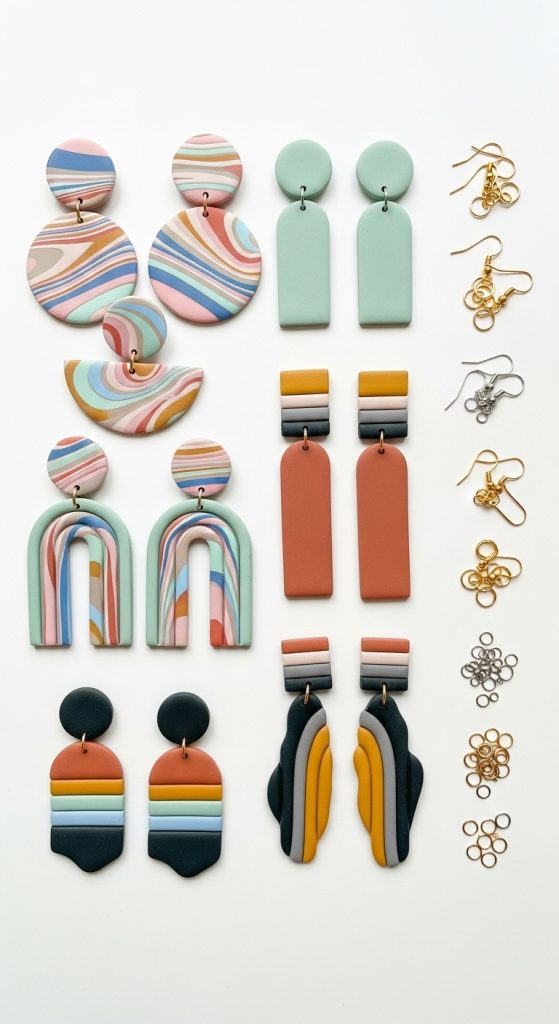
Polymer clay earrings are fashionable, lightweight, and extremely customizable, making them a trending choice in the handmade jewelry world. You will need polymer clay in various colors, earring hooks, jump rings, a rolling pin, clay cutters, and an oven. Begin by conditioning the clay through kneading until it becomes soft and pliable. Roll out the clay to an even thickness and use cutters to create shapes such as circles, arches, leaves, or abstract geometric forms. You can also blend two or more colors to create marbled or gradient effects. After shaping, create small holes where the jump rings will go. Place the clay pieces on a baking sheet lined with parchment paper and bake according to the instructions on the clay packaging, typically at low temperature for about 15 minutes. Once cooled, assemble the pieces using jump rings and attach them to earring hooks. Polymer clay earrings are ideal for designers who enjoy working with color and shape. They can be bold, minimalist, modern, or boho depending on the creative direction you choose. This idea also offers room for experimentation with textures, surface patterns, and layered clay techniques.
4 Pearl Drop Necklaces

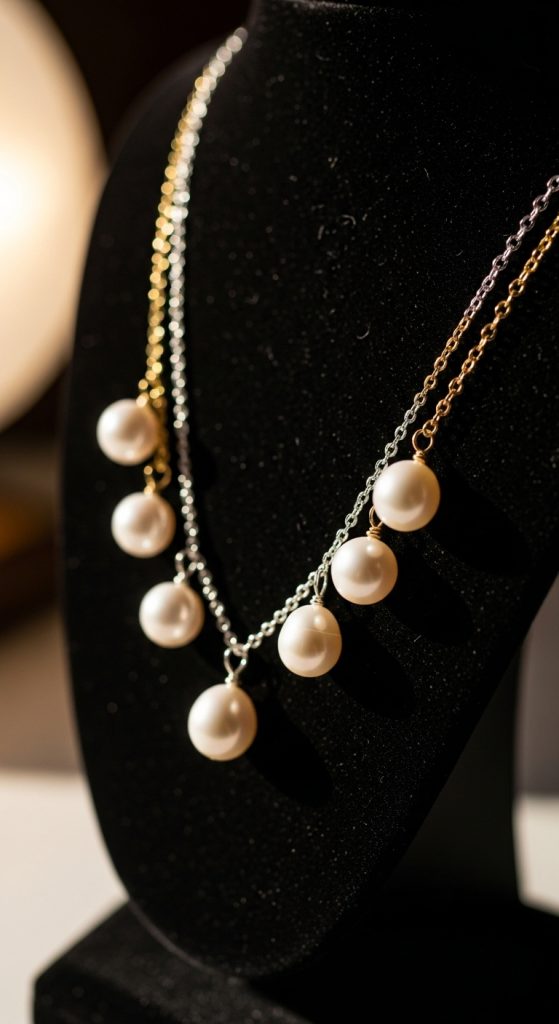
Pearl drop necklaces add a timeless and elegant appeal to handmade jewelry collections. To create this simple yet sophisticated piece, you need freshwater pearls, headpins, chain, pliers, wire cutters, and a clasp. Begin by threading a pearl onto a headpin and trimming the excess wire, leaving enough space to form a loop. With round nose pliers, bend the wire and create a loop that will connect to the chain. Next, prepare the chain by measuring the desired length, typically between 16 to 18 inches for a standard necklace. Attach the pearl drop charm to the chain by opening a jump ring and securing it. Complete the piece by adding a clasp at the ends of the chain. Pearl drop necklaces are perfect for those who enjoy classic and elegant styles. They work beautifully as wedding accessories, formal wear accents, or everyday minimalist pieces. Pearls also come in different shapes and finishes, so you can select round, baroque, or teardrop pearls depending on the style you want to create. This idea allows you to practice precision, attention to detail, and delicate assembly techniques.
5 Leather Cord Bracelets
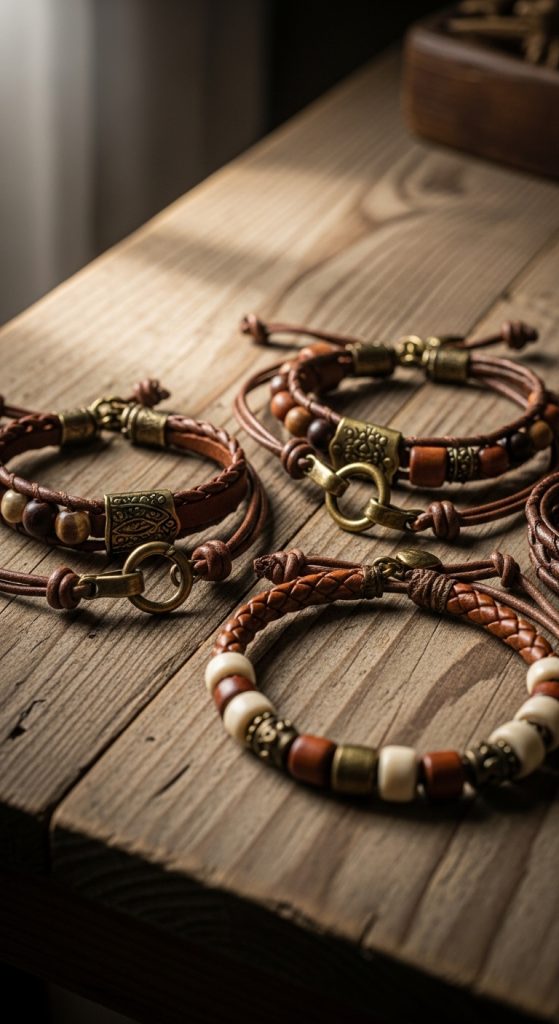
Leather cord bracelets combine rustic style with modern simplicity, making them a versatile handmade jewelry choice. To create these bracelets, you need leather cords, metal clasps, jump rings, glue, beads with large holes, and scissors. Start by measuring your wrist and cutting the leather cord slightly longer than the needed length. You can use a single cord or multiple strands depending on the desired thickness. If you want to add beads, thread them onto the cord before attaching the clasp. Once your design is complete, secure the ends with a metal clasp using strong adhesive. Let the glue dry completely to ensure the bracelet stays firm. Leather bracelets can be styled with metallic accents, charms, or even small knots as decorative elements. This idea works well for both men and women and is suitable for casual and everyday outfits. Leather cords are available in various colors and textures, allowing you to combine natural earthy tones with modern metallic elements. These bracelets are also great for craft fairs and small gift shops because they are easy to produce in different variations.
6 Resin Pendant Jewelry

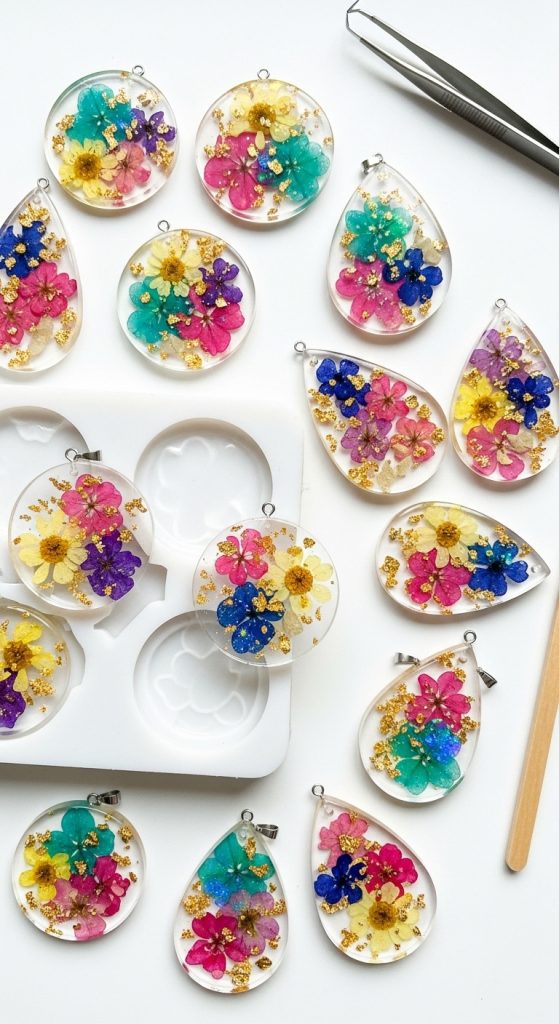
Resin pendants have become a popular handmade jewelry trend because they allow you to create stunning pieces that capture flowers, glitter, stones, or abstract designs within clear resin. For this project, you need resin and hardener, silicone molds, dried flowers, pigments, mixing sticks, gloves, and pendant chains. Begin by preparing your workspace with protective covering, as resin can be sticky. Mix the resin and hardener according to the instructions and stir slowly to avoid bubbles. Pour a thin layer into the mold and place your chosen decorative items inside, such as real pressed flowers, gold flakes, or tiny beads. Add another layer of resin to cover the design completely. Allow the resin to cure for several hours or overnight depending on the product instructions. Once fully hardened, remove the pendant from the mold and attach it to a chain using a jump ring. Resin jewelry is ideal for crafters who enjoy experimenting with artistic inclusions and translucent designs. Each piece becomes unique, making resin pendants perfect for personalized gifts or boutique style jewelry collections.
7 Macrame Earrings
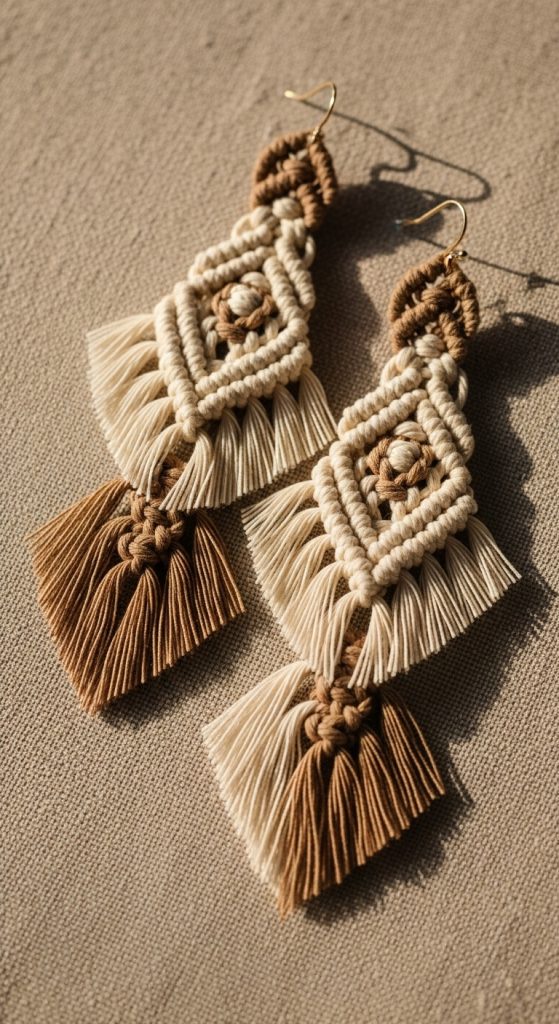
Macrame earrings bring a bohemian and handcrafted charm to any jewelry collection. To create these earrings, you need cotton cord, earring hooks, jump rings, scissors, and optionally wooden or metal hoops as bases. Begin by cutting even lengths of macrame cord depending on the design. Attach the cords to the hoop or directly to the jump ring using common macrame knots such as the lark head knot or square knot. Shape the cords to form fringes, geometric patterns, or layered tassels. Once you finish the knotting, trim the ends neatly and brush out the fringe for a soft texture if desired. Connect the finished macrame piece to earring hooks. Macrame earrings are trendy because they offer organic textures and a handcrafted aesthetic. They can be styled in earthy tones like beige and brown or modern colors like black, navy, or mustard. Macrame is a relaxing craft that allows for creativity through knotting patterns and fringe shapes. These earrings are lightweight and comfortable, making them suitable for everyday wear and gifting.
8 Charm Necklaces

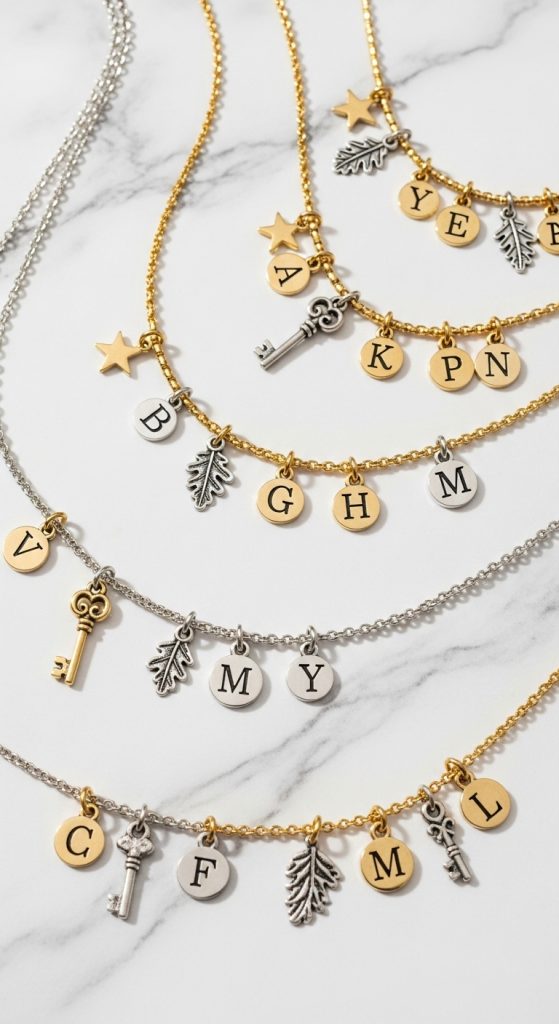
Charm necklaces are delightful handmade pieces that allow the wearer to express personal style or tell a story through small decorative elements. To create a charm necklace, you need a chain, a variety of charms, jump rings, pliers, and a clasp. Begin by choosing a theme for your necklace such as nature, travel, symbols, or initials. Prepare the chain by measuring the appropriate length and attaching a clasp. Attach each charm using a jump ring and arrange them evenly along the chain. You can choose a single statement charm or multiple smaller ones to create a clustered effect. Charm necklaces offer a timeless appeal and can be customized for different occasions, personalities, or gift purposes. They are also perfect for beginners because they require very few tools and can be assembled in a short time. Charm necklaces are ideal for boutique sales because customers enjoy personalized jewelry that reflects their interests or memories.
9 Seed Bead Earrings
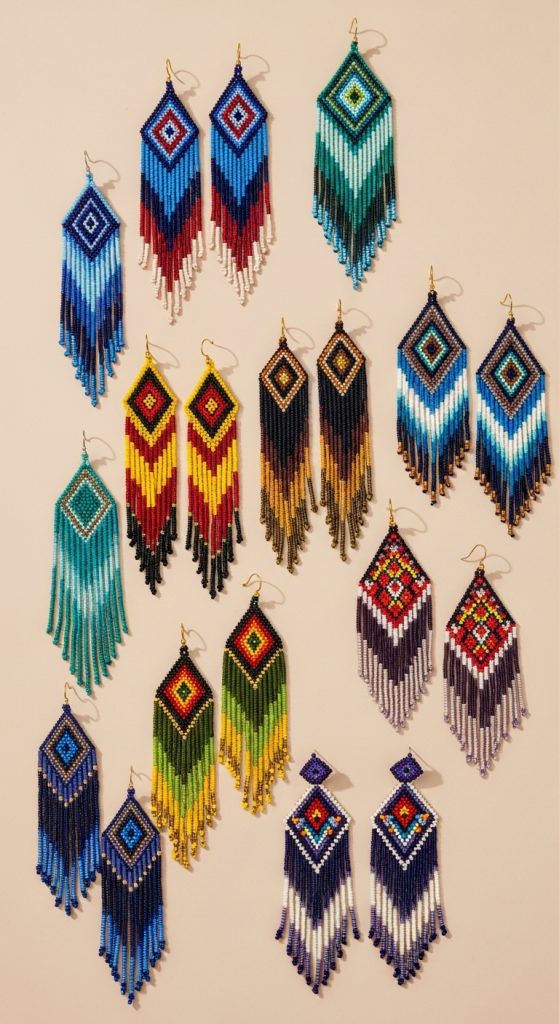
Seed bead earrings are intricate and colorful pieces that involve weaving small beads into beautiful patterns. For this project, you need seed beads, beading thread, a beading needle, earring hooks, and scissors. Begin by threading your needle and tying a small knot at the end. Follow a chosen pattern such as a teardrop shape, fringe style, or geometric arrangement. Insert beads row by row using basic beading stitches such as the brick stitch or ladder stitch. Continue adding beads until the design is complete. Attach the beaded pattern to the earring hook using a small loop of thread. Seed bead earrings are appealing because they allow you to create detailed artwork with vibrant colors. This project requires patience and attention to detail but results in lightweight and beautiful earrings. Many creators enjoy making seed bead earrings for festivals, fashion events, or as unique accessories for special occasions. The small beads offer endless color combinations and allow for limitless creativity.
10 Metal Stamped Jewelry

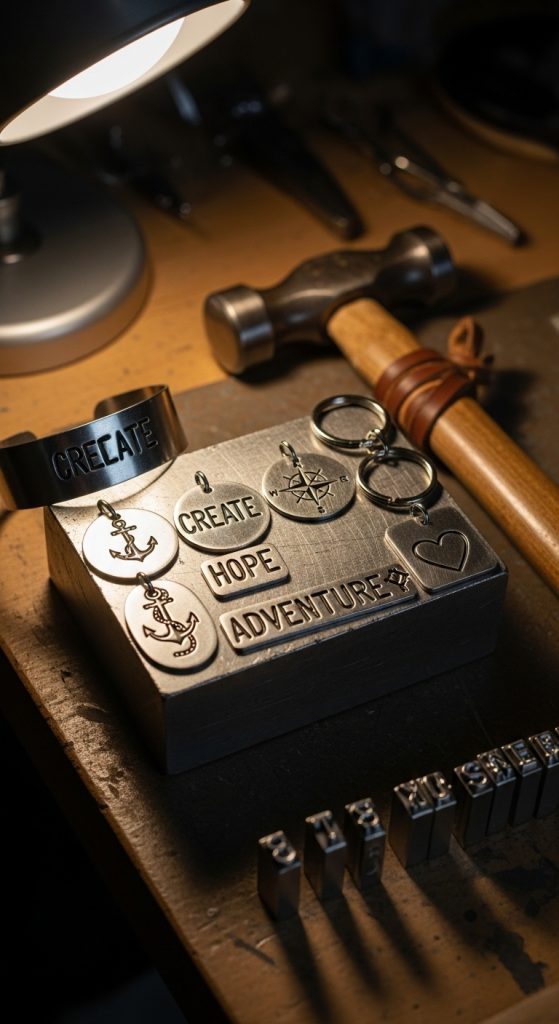
Metal stamped jewelry combines creativity with personalization by allowing you to engrave names, dates, or meaningful words onto metal blanks. To get started, you need metal blanks typically made of brass, copper, or aluminum, metal stamping tools, a hammer, tape, and a stamping block. Begin by placing the metal blank on the stamping block and securing it in place using tape. Choose your stamp letters or symbols and position the first stamp over the metal. Strike it firmly with a hammer to create an impression. Continue stamping each letter carefully to complete the design. Once finished, you can darken the stamped letters using a special marker or patina solution to make them stand out. Attach the finished metal blank to a chain or bracelet using jump rings. Metal stamped jewelry is valued for its personal touch and meaningful messages. It is ideal for custom gifts, family keepsakes, or handmade jewelry businesses. This project teaches precision, patience, and craftsmanship, making it a rewarding addition to your jewelry making skills.