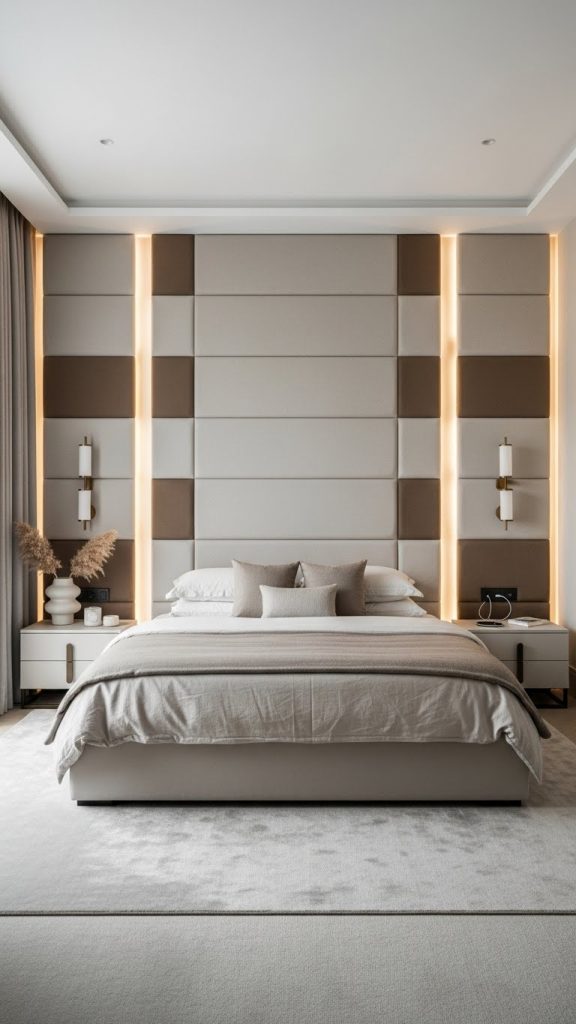
A bed headboard is more than just a decorative element. It plays an important role in comfort, style, and overall bedroom design. A well-designed headboard protects the wall, provides back support while sitting, and helps define the theme of the room. Whether your bedroom is modern, traditional, minimal, or luxurious, the right headboard can completely change how the space feels.
Today, bed headboards come in many materials, shapes, and styles. From simple wooden panels to soft upholstered designs, each option has its own benefits. Choosing the right headboard depends on room size, wall color, bed type, budget, and personal taste. Some headboards are easy to install and low maintenance, while others require careful planning and professional work.
In this blog post, we will explore 10 bed headboard design ideas in detail. Each idea explains preparation steps, materials used, installation tips, maintenance needs, and suitability for different bedroom styles. These designs work well for apartments, houses, guest rooms, and even luxury bedrooms. Whether you want something budget-friendly or a statement piece, these ideas will help you make an informed choice and upgrade your bedroom with confidence.
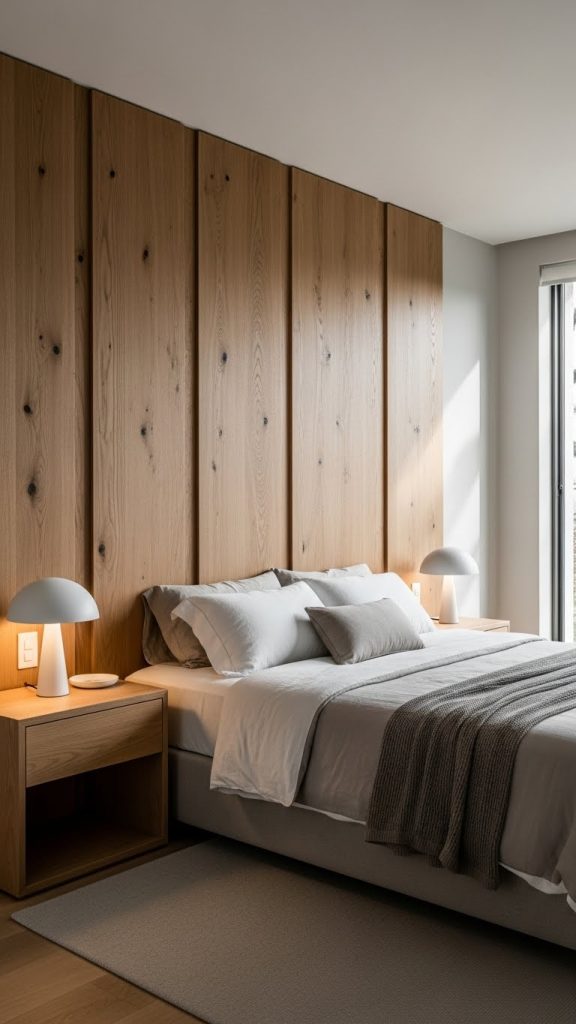
1. Wooden Panel Headboard
A wooden panel headboard is a timeless and versatile design choice. It works well in modern, traditional, and rustic bedrooms. This headboard is usually made from solid wood, engineered wood, or plywood with veneer finish. The panels can be vertical, horizontal, or arranged in a geometric pattern to add visual interest.

Preparation starts with measuring the width of the bed and deciding how high the headboard should be. The wall surface must be clean and level. Wooden panels are cut according to size, sanded smoothly, and treated with polish, paint, or laminate. Common wood types include teak, oak, pine, and MDF with wood finish.
Installation can be wall-mounted or attached directly to the bed frame. Wall-mounted panels give a clean and modern look, while bed-attached panels are easier to move. Maintenance is simple and usually involves dusting and occasional polishing.
This design provides strong back support and protects the wall from stains. It is ideal for people who prefer a warm and natural bedroom feel. Wooden panel headboards also allow customization through color, texture, and panel layout, making them suitable for both compact and large bedrooms.
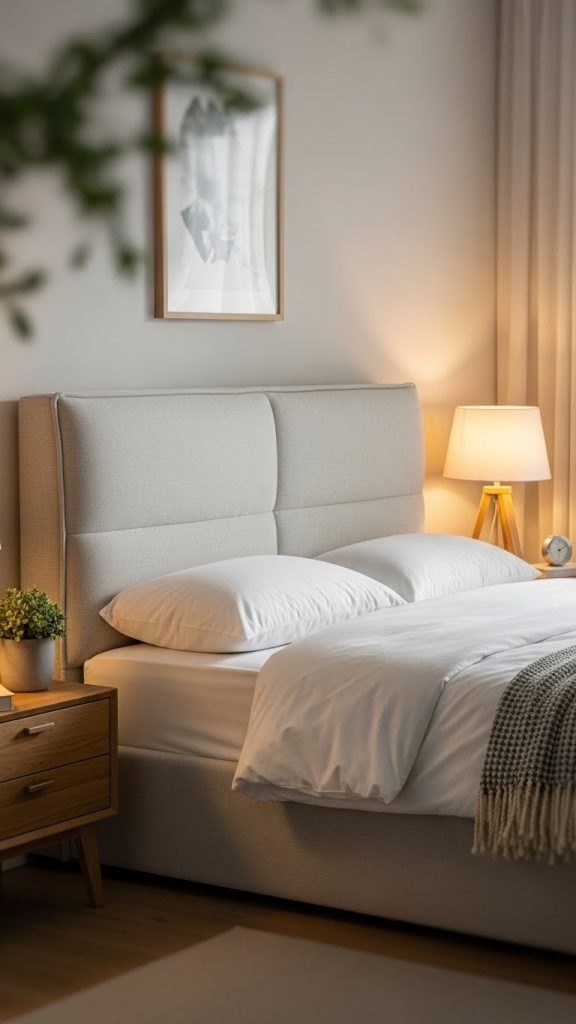
2. Upholstered Fabric Headboard
An upholstered fabric headboard adds softness and comfort to the bedroom. It is especially popular in master bedrooms where comfort is a priority. This type of headboard is padded with foam and covered with fabric such as linen, velvet, cotton, or polyester blends.

Preparation involves choosing the fabric, padding thickness, and headboard shape. The base is usually made from plywood or MDF. Foam padding is fixed on the base, followed by fabric stretching and stapling at the back. Tufted designs may require buttons and stitching for extra detailing.
Installation is usually wall-mounted or attached to the bed frame. Wall mounting gives a floating look, while frame attachment is more stable for frequent use. Regular vacuuming and spot cleaning keep the fabric fresh.
Upholstered headboards are ideal for people who like reading or watching TV in bed because they offer comfortable back support. They also help reduce noise by absorbing sound. With a wide range of colors and textures available, this design easily matches different bedroom themes, from elegant to cozy.
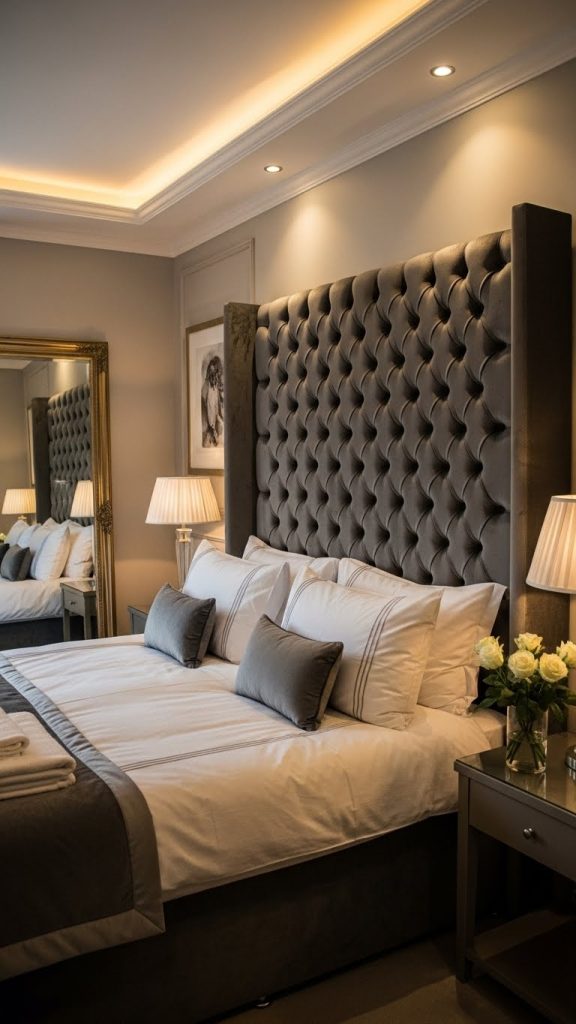
3. Tufted Button Headboard
A tufted button headboard is a classic design that adds elegance and luxury to the bedroom. It features deep button detailing that creates a padded and textured surface. This style is commonly seen in high-end hotels and luxury homes.

The preparation process includes selecting fabric, button style, and tufting pattern. Materials include plywood or MDF for the base, high-density foam for padding, fabric or leatherette for covering, and covered buttons. Precise marking is needed to ensure even button placement.
The headboard can be wall-mounted or attached to the bed frame. Wall mounting gives a clean finish, while bed attachment offers stability. Maintenance depends on the fabric type. Regular dusting and gentle cleaning help maintain its appearance.
This design provides excellent comfort and visual depth. It works best in bedrooms with neutral or soft color schemes. A tufted headboard becomes a focal point and pairs well with simple bedding and minimal side furniture. It is ideal for those who want a refined and stylish bedroom atmosphere.
4. Floating Headboard Design
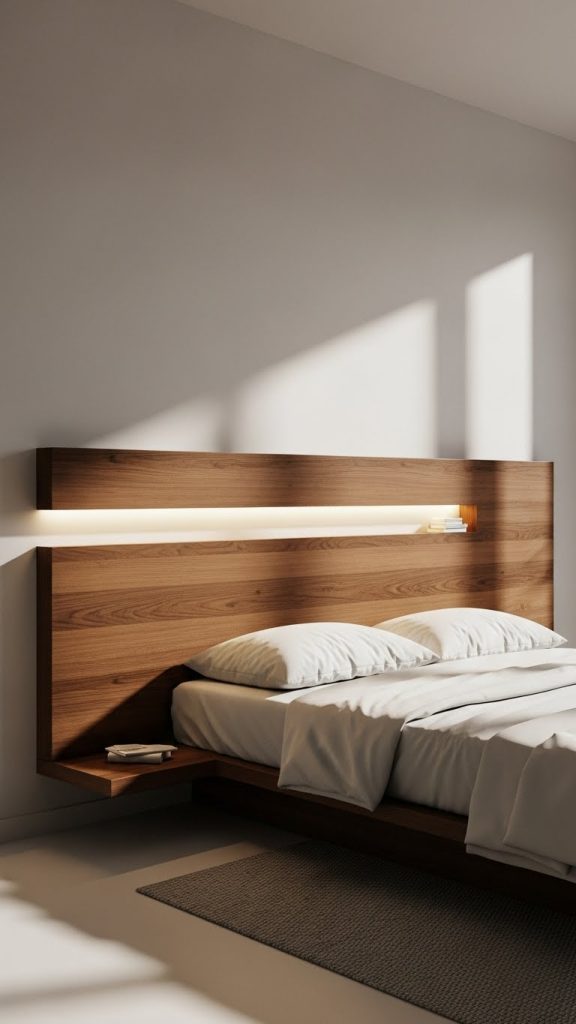
A floating headboard creates a modern and minimal look by leaving a visible gap between the headboard and the floor. This design is usually wall-mounted and does not touch the ground, giving the illusion of more space.
Preparation involves accurate wall measurements and strong wall support. Materials include wood panels, MDF boards, laminates, or upholstered panels. Some floating headboards include LED lighting behind them for added effect.
Installation requires strong wall anchors and proper alignment. Electrical planning is needed if lighting is included. Maintenance is minimal and depends on the surface material used.
Floating headboards are ideal for small bedrooms because they make the room feel open and uncluttered. They also make floor cleaning easier. This design works well with modern interiors and simple furniture. It allows flexibility in height and width and can be customized with shelves or side panels for added functionality.
5. Headboard with Built-in Storage
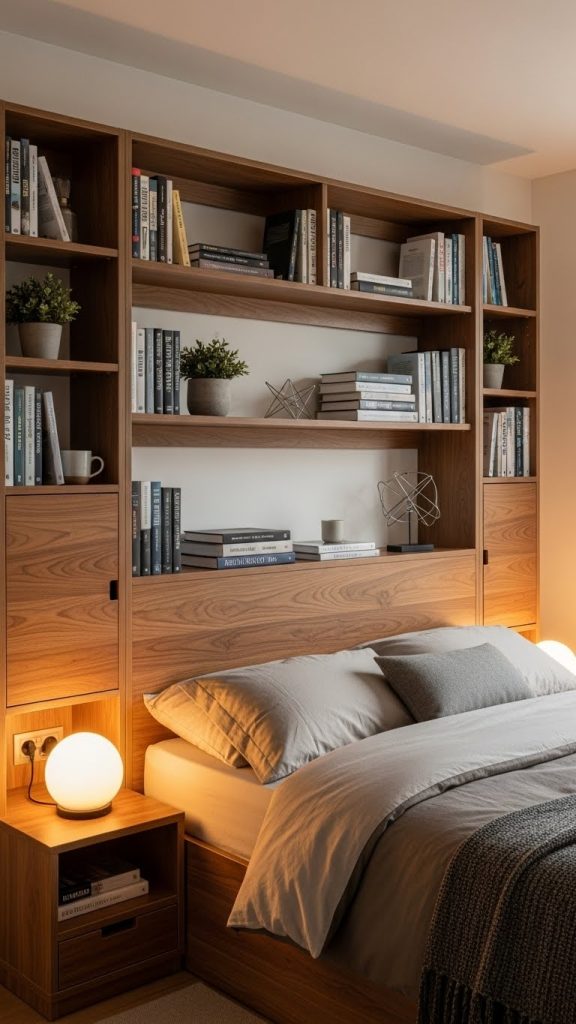
A headboard with built-in storage combines style and practicality. It is especially useful in small bedrooms where storage space is limited. This design may include shelves, cabinets, or hidden compartments behind the headboard.

Preparation includes planning storage needs and headboard dimensions. Materials commonly used are plywood, MDF, laminates, and soft-close hardware. Proper design ensures easy access without affecting comfort.
Installation is usually floor-mounted or wall-supported due to its weight. Professional installation is recommended for safety and durability. Maintenance involves regular cleaning and checking hardware.
This headboard helps organize books, decor items, and personal belongings. It reduces the need for extra furniture like side tables. Storage headboards are ideal for urban apartments and guest rooms. They provide a clean and organized look while maximizing bedroom functionality.
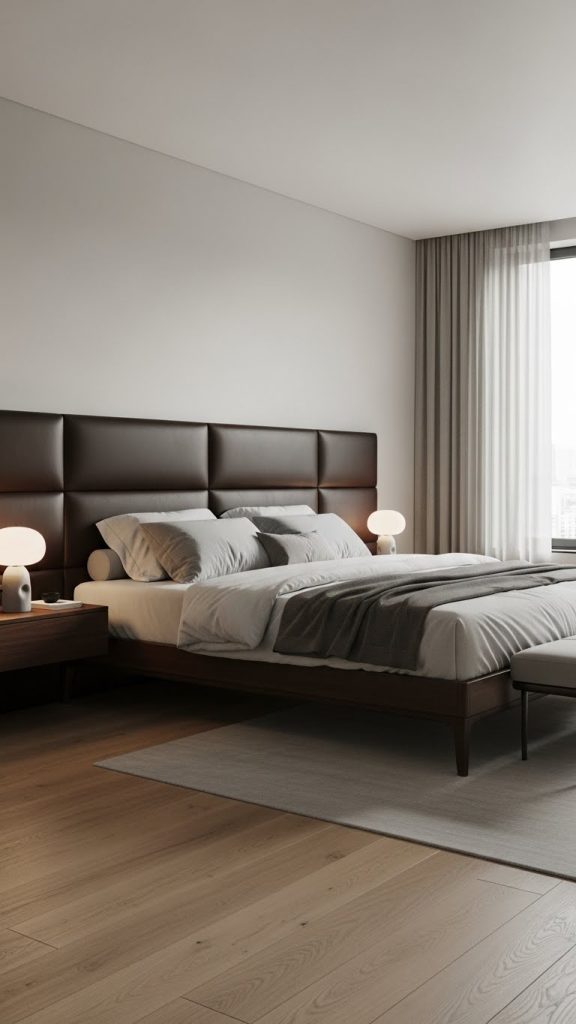
6. Leather or Faux Leather Headboard
A leather or faux leather headboard adds a sleek and sophisticated touch to the bedroom. It is durable, easy to clean, and suitable for modern interiors. Faux leather is a budget-friendly alternative to genuine leather.
Preparation includes selecting the leather type, color, and padding thickness. The base is made from plywood or MDF with foam padding. Leather or faux leather is carefully stretched and fixed to avoid wrinkles.
Installation can be wall-mounted or bed-mounted. Maintenance is simple and involves wiping with a soft cloth. Avoid sharp objects to prevent damage.
This design works well in contemporary and luxury bedrooms. It provides good back support and resists stains better than fabric. Neutral colors like brown, black, and beige are commonly used. A leather headboard pairs well with metal or wooden bed frames for a balanced look.
7. Wooden Slat Headboard
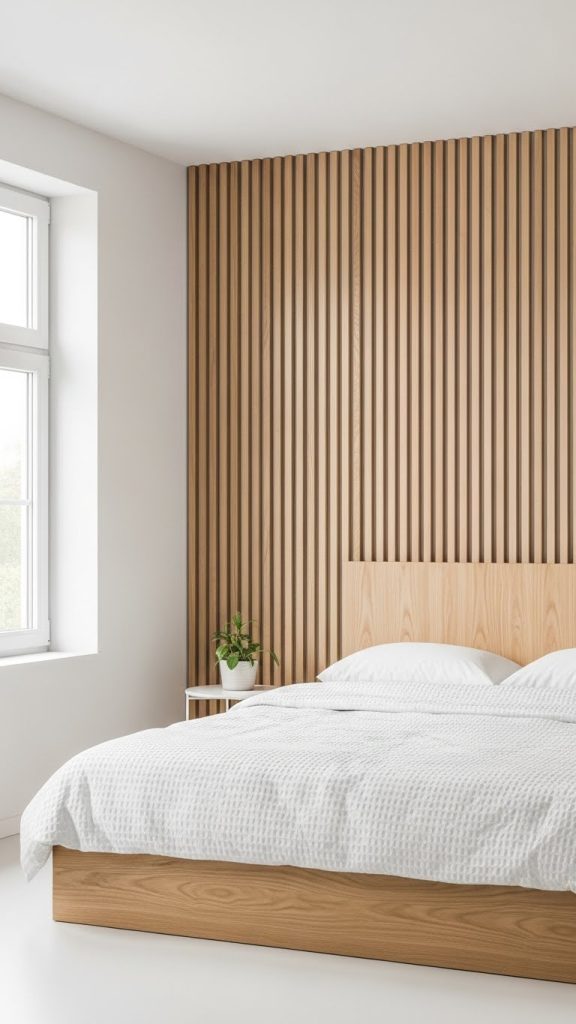
A wooden slat headboard uses narrow wooden strips arranged vertically or horizontally. This design adds texture and depth without overwhelming the space. It suits modern and Scandinavian-style bedrooms.

Preparation includes selecting wood type, slat width, spacing, and finish. Materials include solid wood or MDF slats with polish or paint. Proper spacing is important for visual balance.
Installation is usually wall-mounted using a backing frame. Maintenance involves dusting and occasional refinishing.
Wooden slat headboards improve air circulation and add warmth to the room. They work well with neutral walls and minimal furniture. This design is ideal for people who want a modern yet natural bedroom look.
8. Headboard with Integrated Lighting
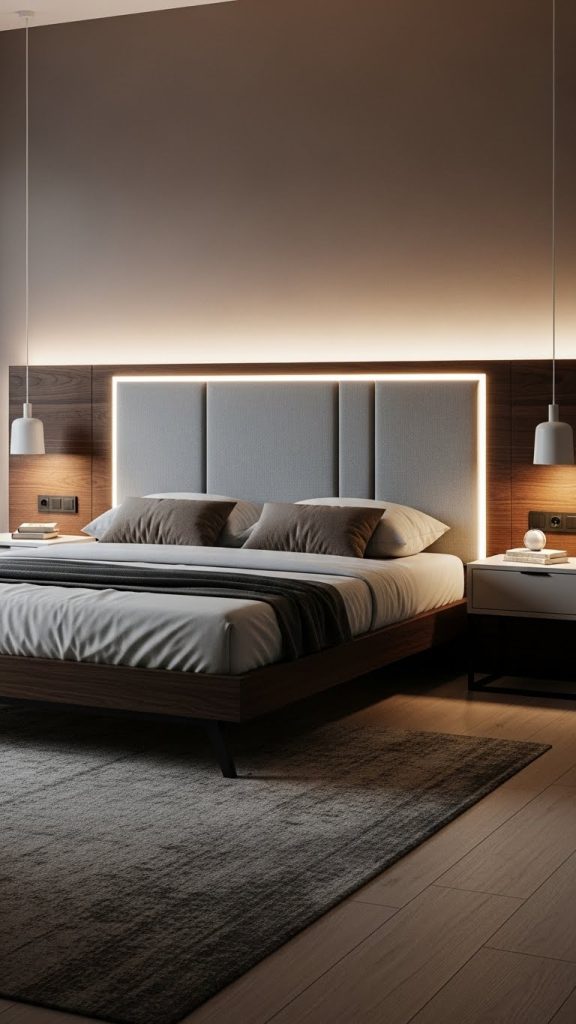
An integrated lighting headboard includes built-in lights such as LED strips, reading lamps, or backlighting. This design improves functionality and creates a relaxing atmosphere.
Preparation involves planning electrical points and choosing lighting type. Materials include wood panels, MDF, or upholstered bases with LED fixtures. Professional electrical work is recommended.
Installation requires coordination between carpentry and electrical work. Maintenance includes checking wiring and cleaning light covers.
This headboard reduces the need for bedside lamps and provides soft ambient lighting. It is ideal for modern bedrooms and people who enjoy reading in bed. Lighting headboards enhance mood and add a premium feel to the space.
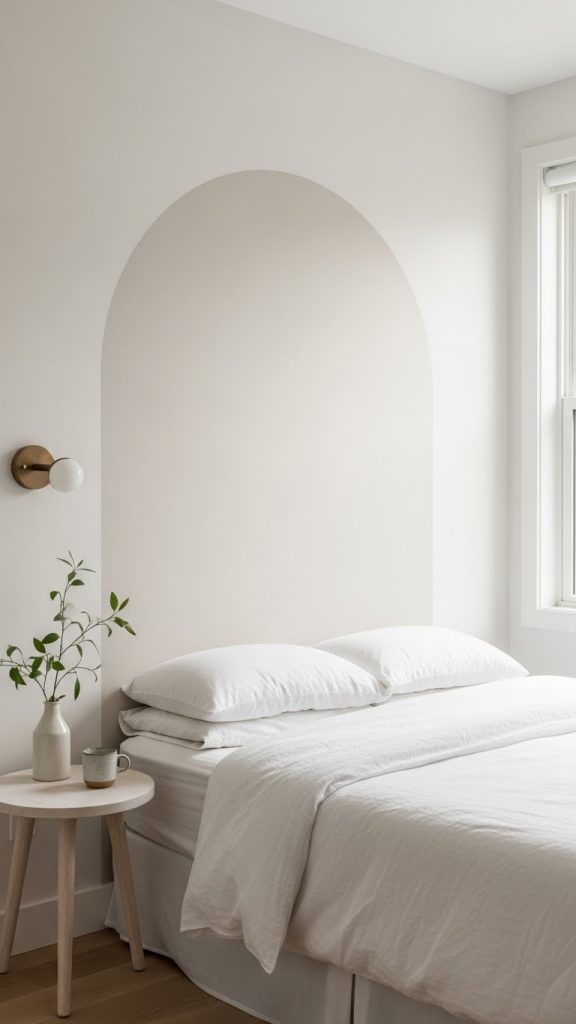
9. Minimal Wall-Painted Headboard
A wall-painted headboard is a budget-friendly and creative option. It uses paint or wallpaper to create the shape of a headboard directly on the wall.

Preparation involves wall cleaning and design selection. Materials include wall paint, stencils, or wallpaper. No carpentry is required.
Installation is simple and quick. Maintenance involves occasional repainting.
This design is ideal for rented homes and small budgets. It allows easy customization and color changes. Painted headboards work best in minimalist bedrooms and children’s rooms.
10. Full Wall Headboard Panel
A full wall headboard covers the entire wall behind the bed. It creates a bold and luxurious statement. Materials include wood panels, fabric panels, or textured finishes.

Preparation involves precise measurements and material selection. Installation usually requires professional work.
This design improves insulation and sound control. Maintenance depends on material choice.
A full wall headboard works best in large bedrooms and luxury interiors. It creates a cohesive and elegant look that transforms the entire room.